A Mechanic’s Unspoken Blacklist
The relentless push for more power and better fuel economy has led to some of the most complex engines ever built. For the mechanics who see them every day, this complexity often translates into a pattern of predictable, catastrophic failures. This is the reality behind the service bay doors, a world away from the polished showroom floor. The people who fix cars for a living have an informal list of engines they would never personally own. This isn’t about brand loyalty; it’s about firsthand experience with repeated, costly, and frustrating breakdowns.
A mechanic’s perspective is unique because it’s unfiltered by marketing. They see the consequences of engineering decisions when they fail, not just when they are new. Their avoidance of certain engines is a powerful signal for any potential car buyer. When a technician who has torn down and rebuilt dozens of a particular engine refuses to park one in their own driveway, you should pay attention. This knowledge can save you thousands of dollars and immense stress.
The core issue is a modern engineering paradox. The demand for higher fuel efficiency and more power from smaller engines has created highly stressed powerplants. These engines are often pushed beyond their mechanical limits, packed with intricate systems that introduce multiple points of failure. Answering the question of what cars do mechanics avoid isn’t about naming specific models as much as it is about understanding the patterns of failure they see time and time again. They know which designs were compromised from the start and which technologies are ticking time bombs.
This isn’t just about inconvenience. It’s about financial survival. A failed engine can easily cost more to replace than the car is worth, turning a seemingly good deal into a financial trap. Before you buy your next vehicle, understanding which engines are on this unspoken blacklist is one of the smartest moves you can make. It’s the insider knowledge that separates a reliable daily driver from a driveway ornament waiting for its next expensive repair.
The Foundation of Failure: Design Flaws and Manufacturing Defects
Long before an engine ever sees a drop of oil or a mile of road, its fate can be sealed by decisions made on a computer screen or a factory floor. Many of the most unreliable car engines are not victims of abuse but of their own creation. These are the foundational problems that no amount of careful maintenance can fix, and they represent some of the most common engine design flaws that mechanics see daily.
Compromises in Core Engine Design
In the quest to meet strict efficiency targets, “lightweighting” has become a dominant trend. This often means engineering engine blocks, connecting rods, and crankshafts with less material to save weight. While this helps on paper, it can result in core components that lack the robustness to handle long-term stress. We see engines with blocks that are too flexible or connecting rods that are too thin to withstand the immense pressures of modern combustion, especially in turbocharged applications. The engine is essentially designed with too little margin for error, making it vulnerable to failure under real-world conditions, not just in a controlled lab environment.
The Hidden Danger of Manufacturing Errors
Even a solid design can be ruined by poor execution during production. Manufacturing defects are a ticking time bomb inside an engine. We’ve seen entire engine families plagued by issues like machining contamination, where microscopic metal shavings from the manufacturing process are left inside oil passages. These particles act like sandpaper, destroying bearings and journals from the inside out. A recent Hagerty report highlighted that even brand-new engines from major automakers are experiencing widespread failures due to such defects, leading to connecting rod seizures and premature wear. This confirms what mechanics have known for years: these are not just old car problems.
When Material Choices Lead to Disaster
Cost-cutting is another primary source of inherent failure. When a manufacturer decides to use a plastic timing chain guide instead of a metal one to save a few dollars per unit, they are building a planned failure point into the engine. Over thousands of heat cycles, that plastic becomes brittle, cracks, and falls into the oil pan. The timing chain then loses tension, jumps a tooth, and the pistons collide with the valves, causing catastrophic damage. We see this same principle with plastic intake manifolds that crack, plastic water pump impellers that shatter, and inferior alloys used for critical seals. These are not wear-and-tear items in the traditional sense; they are common engine failure causes rooted in poor material choices.
The Thin Oil Epidemic and Lubrication Breakdown
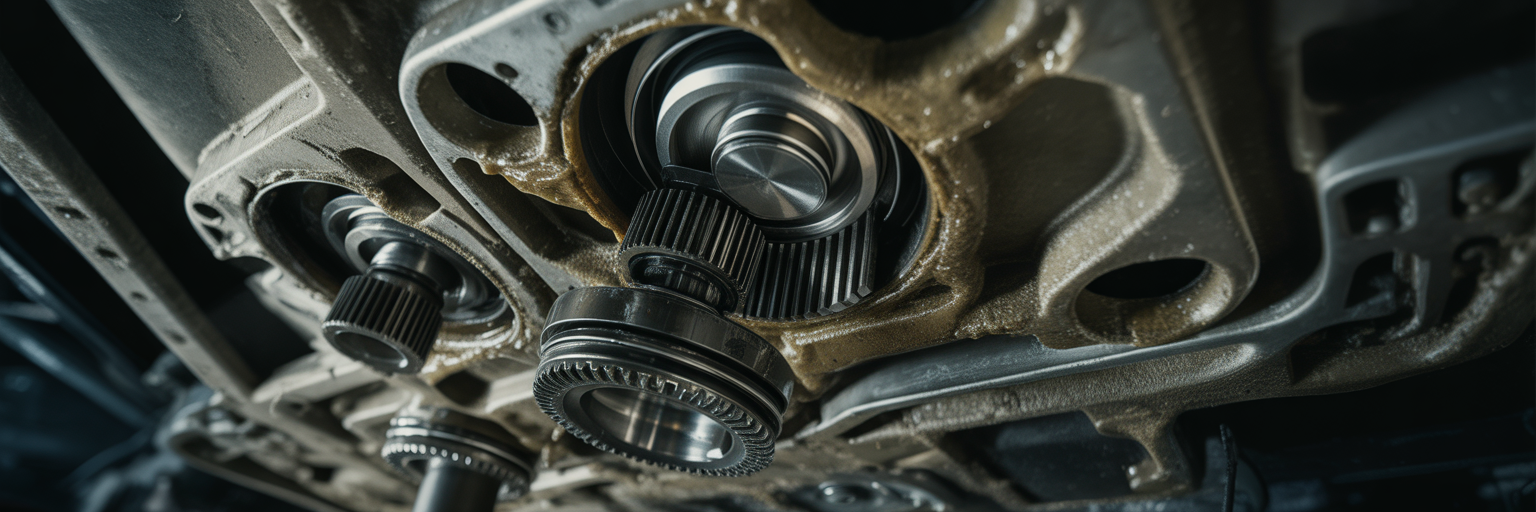
The foundational engine design flaws mentioned earlier create a fragile system, but the modern obsession with ultra-thin oil is what often pushes them over the edge. Lubrication is the lifeblood of an engine, and recent trends have dangerously thinned the margin of safety. Mechanics are increasingly wary of engines that are overly sensitive to oil quality and level, because they know how quickly things can go wrong.
The Push for Ultra-Low Viscosity
To meet stringent fuel economy standards like CAFE in the United States, automakers have shifted almost universally to ultra-low viscosity oils. You’ve likely seen 0W-20 or even 0W-16 specified for new cars. These oils flow more easily, reducing internal friction and helping eke out another fraction of a mile per gallon. Under ideal conditions, with a perfectly maintained and new engine, they work. But the real world is far from ideal.
How Thin Oil Fails Under Pressure
The problem is that these thin oils provide a razor-thin film of protection between moving metal parts. Under high heat, heavy loads like towing, or high-RPM driving, that film can break down. When it does, you get metal-on-metal contact between bearings, camshaft lobes, and cylinder walls. This is not a slow process of wear; it is a rapid, destructive event that can score surfaces and generate enough heat to seize components in minutes. An engine designed with tight tolerances and a thin oil has zero room for error. It’s like walking a tightrope with no safety net.
The Compounding Problem of Oil Consumption and GDI
This situation is made worse by two other modern trends: oil consumption and gasoline direct injection (GDI). To further reduce friction, many modern engines use low-tension piston rings. A side effect is that they allow small amounts of oil to bypass the piston and burn off in the combustion chamber. Many manufacturers now consider it “normal” for an engine to consume a quart of oil every 1,000 miles. If an owner doesn’t check the oil level frequently, it can quickly drop to a dangerously low level. This sensitivity to oil levels underscores the importance of regular checks, a fundamental part of vehicle upkeep that many owners can learn through straightforward DIY guides we’ve prepared.
Compounding this, GDI systems spray fuel directly into the cylinder. Some of that raw gasoline can get past the piston rings and mix with the engine oil, a phenomenon known as fuel dilution. Gasoline is a solvent, not a lubricant. When it contaminates the oil, it further reduces its viscosity and protective properties. An engine that consumes oil and suffers from fuel dilution is running on a lubricant that is both low and compromised, a recipe for the kind of catastrophic failure that keeps service bays busy.
When Advanced Technology Becomes a Liability
While the core engine and its lubrication system are frequent sources of trouble, the layers of technology added to boost performance and efficiency have become a minefield of their own. Mechanics often prefer simpler, proven designs because they know that each new complex system is another potential point of failure. These technologies look great on a spec sheet but can become a nightmare to own long-term.
Turbochargers: High Stress, High Failure
Turbochargers allow small engines to produce big power, but they do so under extreme conditions. Spinning at over 200,000 RPM and glowing red-hot, they are one of the most stressed components in a modern vehicle. Their reliability is entirely dependent on a constant supply of clean, cool oil.
- Oil Coking: When the engine is shut off hot, oil left in the turbo’s bearing housing can cook, forming hard carbon deposits (coke) that block oil lines and starve the turbo of lubrication on the next startup. This leads to rapid bearing seizure.
- Wastegate and Actuator Failure: The wastegate controls boost pressure. Its electronic or vacuum actuators are prone to failure, leading to either no boost or a dangerous overboost condition.
- Seal and Turbine Damage: Failed seals can cause the engine to consume massive amounts of oil, while any foreign debris ingested by the engine can instantly destroy the delicate turbine blades.
Variable Valve Timing and Cylinder Deactivation: Complexity’s Cost
Systems that adjust engine timing or shut down cylinders to save fuel add significant mechanical and hydraulic complexity. Variable Valve Timing (VVT) uses oil pressure to rotate camshafts via components called phasers. These phasers are a common failure point, getting stuck or failing internally, which triggers check engine lights and causes rough running. Cylinder deactivation, known as Active Fuel Management (AFM) or Dynamic Fuel Management (DFM), uses special lifters to disable valves. These systems are notorious for lifter and camshaft failures, a repair that requires a major engine teardown. These complex systems are now common in many modern trucks, where the balance between power and efficiency is crucial for tasks like towing, making reliability even more critical. You can see how this plays out in our analysis of which 2025 trucks offer the best towing and fuel economy.
Gasoline Direct Injection (GDI): The Carbon Buildup Curse
GDI improves efficiency by injecting fuel directly into the cylinder. However, it created a problem that older port-injected engines never had: carbon buildup. In a port-injected engine, gasoline is sprayed onto the back of the intake valves, and its detergents constantly keep them clean. With GDI, the fuel bypasses the valves entirely. Oil vapor from the crankcase ventilation system then bakes onto the hot intake valves, forming thick carbon deposits. Over time, this buildup restricts airflow, chokes the engine, and causes misfires, hesitation, and a significant loss of performance. The only fix is a costly and labor-intensive manual cleaning service, often called walnut blasting.
Patterns of Failure in Popular Engine Families
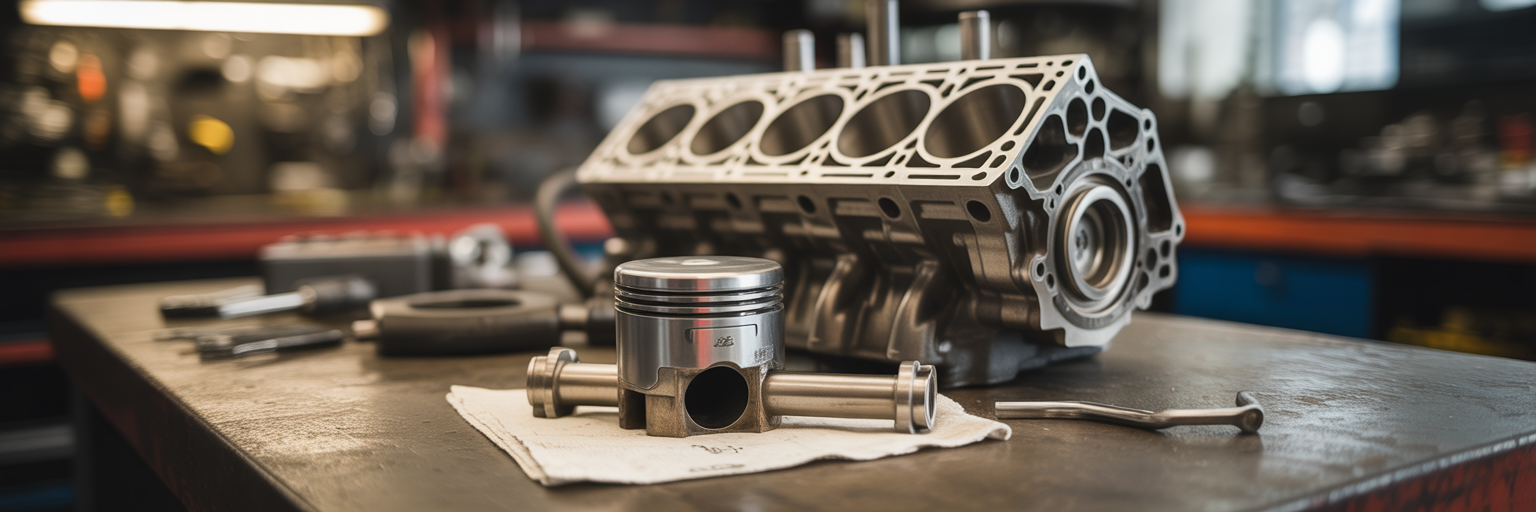
The theoretical problems of design, lubrication, and technology become very real when you see them repeat across thousands of vehicles. This is the “rogues’ gallery” of engines that mechanics know by heart. While not every engine in these families will fail, they represent a statistically higher risk and are prime examples of engines to avoid when buying used car. Understanding these patterns is key to identifying the most unreliable car engines on the market.
One of the most classic examples involves timing chain systems in various German four- and six-cylinder engines. For years, manufacturers used plastic for timing chain guides and tensioners. After 80,000 to 100,000 miles, the plastic becomes brittle from heat and age. It cracks, the chain loses tension, and the engine’s timing jumps. The result is almost always catastrophic piston-to-valve contact, requiring a complete engine replacement.
In the Korean market, the Hyundai/Kia Theta II GDI engine became infamous for connecting rod bearing failure and subsequent engine seizure. This was a textbook case of a manufacturing defect. An investigation revealed that metal debris from the machining process was not being properly cleaned from the engine blocks at the factory. This debris would clog oil passages and starve the rod bearings of lubrication, leading to sudden and complete engine failure. It became a massive recall and a lesson in how production shortcuts can have devastating consequences.
American V8s have not been immune, particularly those with Active Fuel Management (AFM) or Dynamic Fuel Management (DFM). The complexity of the valvetrain, with its special collapsing lifters, has led to widespread lifter and camshaft failures in popular 5.3L and 6.2L engines. The lifters get stuck or fail internally, grinding away at the camshaft lobes and sending metal throughout the engine. These issues have become so prevalent that they have led to significant consumer complaints and even a GM 6.2L engine recall, which mechanics are all too familiar with.
Early-generation turbocharged, direct-injection engines from multiple manufacturers also earned a spot on this list. Ford’s early 3.5L EcoBoost, for example, was known for stretched timing chains that couldn’t handle the engine’s immense torque, along with the predictable GDI carbon buildup issues. Similarly, Subaru’s EJ series boxer engines have a long-documented history of head gasket failures due to their open-deck block design, which allows for cylinder movement under high pressure.
| Engine Family/Type | Common Failure Mode | Primary Cause |
|---|---|---|
| Various German 4 & 6-Cylinder (e.g., early 2.0T, V6s) | Timing chain tensioner/guide failure | Material Failure (brittle plastic guides) |
| Hyundai/Kia Theta II GDI (2.0L & 2.4L) | Connecting rod bearing failure, engine seizure | Manufacturing Defect (machining debris) |
| GM V8s with AFM/DFM (e.g., 5.3L, 6.2L) | Collapsed lifters, camshaft damage | Design Complexity (valvetrain stress) |
| Early-Gen Ford EcoBoost (e.g., 3.5L) | Timing chain stretch, carbon buildup | Design/Material (chain not robust enough for torque) |
| Subaru Boxer Engines (EJ series) | Head gasket failure, oil consumption | Design Flaw (open-deck block, ring design) |
Note: This table highlights widely documented issues in specific engine families. Not all engines in these families will fail, but they represent a higher statistical risk known to mechanics.
The True Cost of an Unreliable Engine
When mechanics talk about a “bad engine,” they aren’t just thinking about the technical faults. They’re thinking about the real-world consequences for the owner. The true cost of an unreliable engine goes far beyond a single repair bill; it seeps into every aspect of your life, from your finances to your personal safety and peace of mind. This is why they avoid these vehicles for themselves—they want to avoid the chronic stress they see their customers endure.
Beyond the Repair Bill: Secondary Financial Costs
A full engine replacement can cost anywhere from $5,000 to over $15,000, often exceeding the value of the car itself. But the bleeding doesn’t stop there. You have to account for the secondary costs: the towing bill from the side of the highway, the week-long rental car expense while your vehicle is in the shop, and the lost wages from taking time off work to deal with the crisis. These hidden expenses can add thousands more to the total financial damage, turning an already painful situation into a devastating one.
The Unspoken Safety Risks
What is the cost of an engine that seizes while you’re merging onto a busy highway at 70 mph? Or a sudden, complete loss of power in the middle of a crowded intersection? Mechanics are acutely aware of these dangers. An engine fire from a leaking high-pressure fuel line or a catastrophic failure that sends metal parts through the engine block are not just theoretical possibilities; they are real events that put drivers and their families at risk. An unreliable engine is not just an inconvenience; it is a safety liability.
The Emotional Toll of an Untrustworthy Vehicle
Perhaps the most draining cost is the emotional one. A car is supposed to provide freedom and dependability. When that trust is broken, it’s replaced with constant anxiety. Every long trip is planned with a backup strategy. Every strange noise causes your heart to sink. You can no longer rely on your vehicle for the most basic tasks, whether it’s getting to work on time or taking your kids to school. This erosion of confidence turns a valuable asset into a source of daily stress. Mechanics see this frustration on their customers’ faces every day, and it’s a burden they have no interest in carrying in their personal lives.
Finally, there is the concept of the “un-fixable” problem. Some engines have engine design flaws so fundamental that even after an expensive repair, the root cause remains. The owner is left in a state of limbo, wondering not if, but when, the engine will fail again. This is the ultimate reason mechanics avoid these powerplants. They know that some battles just aren’t worth fighting.
How to Avoid Buying a Mechanical Nightmare
Armed with the knowledge of what makes an engine unreliable, you can take proactive steps to avoid bringing one home. A little research and a professional opinion can be the difference between a dependable vehicle and a financial disaster. Follow this guide to protect yourself.
- Do Your Homework First
Before you even test drive a car, research the specific engine model and year. This is the most critical step. Search online forums, owner groups, and enthusiast websites for common complaints related to that powertrain. Use search terms like “[Car Model Year] engine problems” or “[Engine Code] reliability.” This is how you identify potential engines to avoid when buying used car before you waste any time or money. - Check for TSBs and Recalls
Technical Service Bulletins (TSBs) are documents issued by manufacturers to their dealers acknowledging a known, repeating problem and providing a specific repair procedure. While not a safety recall, a long list of engine-related TSBs is a massive red flag. It’s the manufacturer’s quiet admission that something is wrong. You can search for TSBs and recalls for any vehicle on the NHTSA website. - Invest in a Pre-Purchase Inspection (PPI)
This is non-negotiable. A pre-purchase inspection by a trusted, independent mechanic is the best money you will ever spend when buying a used car. A good mechanic knows the common failure points on specific models. They can spot early signs of a timing chain issue, check for evidence of oil leaks or coolant consumption, and give you an unbiased opinion based on their professional experience. Do not let a seller talk you out of this. - Scrutinize the Maintenance History
Ask for the vehicle’s service records and review them carefully. You are looking for consistent, on-time oil changes using the correct type of oil specified by the manufacturer. Gaps in the service history, especially on a complex, turbocharged, or direct-injected engine, significantly increase the risk of future problems. While good maintenance is crucial, remember that it cannot fix a fundamentally flawed design.
By following these steps, you can arm yourself with the knowledge to make a smart purchase and find a reliable vehicle. For more insights and the latest automotive news, explore our other articles.