The 2026 Full-Size Truck Showdown
For over four decades, the Ford F-Series has been more than just a vehicle; it’s been America’s best-selling vehicle, period. That kind of legacy isn’t built by accident. It’s earned on job sites, family road trips, and across countless miles of open highway. Yet, standing directly in its path is the Ram 1500, a rival that has consistently challenged the status quo by delivering a level of refinement and ride quality once unthinkable in a pickup.
This leaves many buyers stuck at a crossroads. Do you go with the undisputed champion of capability and innovation, or the challenger that feels more like a luxury SUV? This guide cuts through the noise of the 2026 Ford F-150 vs Ram 1500 debate. We will dissect these two titans, which have long defined the American market for full-size trucks, across the metrics that truly matter: performance, real-world capability, comfort, and long-term value.
The central question is simple. Is the F-150’s work-ready DNA the better fit, or does the Ram 1500’s premium comfort make it the smarter choice for your daily life? Let’s find out which is the best full size truck 2026 for you.
Powertrain and Performance Breakdown
The personality of a truck starts with its engine, and Ford and Ram present two very different philosophies. Ford offers a diverse menu of powertrains, allowing you to tailor the truck to your exact needs. It’s like a Swiss Army knife, with a specific tool for every job. In contrast, Ram focuses on perfecting a smaller, proven lineup that prioritizes smooth and reliable power delivery for the everyday driver.
The 2026 Ford F-150 lineup gives you choices ranging from efficient workhorses to groundbreaking hybrids:
- 2.7L EcoBoost V6: This isn’t your old-school V6. With twin turbochargers, it delivers quick acceleration and solid torque, making it a smart and efficient starting point.
- 5.0L V8: For those who believe there’s no replacement for displacement, the classic V8 offers that traditional rumble and raw, dependable power.
- 3.5L PowerBoost Hybrid: This is Ford’s ace in the hole, combining a powerful twin-turbo V6 with an electric motor. It delivers incredible horsepower and torque while significantly improving the Ford F-150 hybrid mpg.
- High-Output Engines: For pure adrenaline, specialized models like the Raptor push performance into sports car territory.
The Ram 1500, on the other hand, builds its reputation on the standard 3.6L Pentastar V6 with eTorque. This mild-hybrid system smooths out the truck’s start-stop function and provides a subtle electric boost for a refined driving feel. For those needing more muscle, the new Hurricane inline-six engine delivers V8-level power with modern efficiency. These powertrain philosophies are central to understanding which 2025 trucks offer the best towing and fuel economy, a trend continuing into 2026.
2026 Engine Option Comparison: Ford F-150 vs. Ram 1500
| Truck Model | Standard Engine | Approx. Horsepower | Key Feature |
|---|---|---|---|
| Ford F-150 | 2.7L EcoBoost V6 | ~325 hp | Turbocharged for efficiency and torque |
| Ram 1500 | 3.6L Pentastar V6 w/ eTorque | ~305 hp | Mild-hybrid for smooth power delivery |
| Ford F-150 | 3.5L PowerBoost Full Hybrid V6 | ~430 hp | Class-leading hybrid power and onboard generator |
| Ram 1500 | High-Output Hurricane I-6 | ~540 hp | New twin-turbo inline-six for V8-level power |
Note: Horsepower figures are based on 2025 model year data and industry projections for 2026. Final specifications may vary. This table compares the most common and significant engine choices, not including specialized high-performance variants like the Raptor R.
Towing and Hauling Capabilities
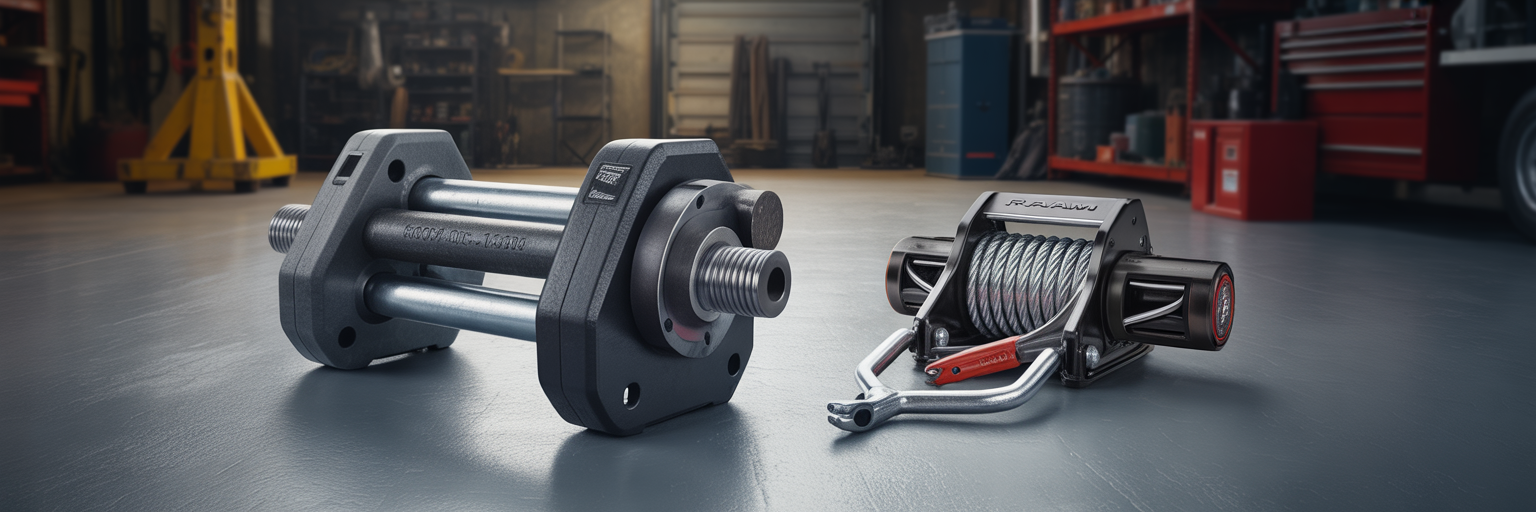
When it comes to pure, on-paper capability, numbers talk. The F-150 towing capacity has long been a benchmark, and the 2026 model continues this tradition with a maximum rating of around 13,500 pounds when properly equipped. What does that number mean in the real world? It means confidently hitching up a large fifth-wheel camper for a cross-country trip or hauling heavy equipment to a remote job site without breaking a sweat. It’s the capability that provides peace of mind for the most demanding tasks.
In comparison, the Ram 1500 offers a maximum towing capacity of approximately 11,550 pounds. While that figure is lower, it’s crucial to ask if you’ll ever need more. For the vast majority of truck owners towing medium-sized travel trailers, boats for a weekend at the lake, or utility trailers, the Ram’s capability is more than sufficient. According to detailed comparisons from publications like Car and Driver, the F-150 maintains a lead in maximum conventional towing, but both trucks are formidable.
The story is similar with payload. The F-150 can haul up to about 2,455 pounds in its bed, while the Ram 1500 tops out around 2,300 pounds. For most, that difference is the equivalent of a few extra bags of concrete—negligible for daily duties. The verdict here is clear: if your work or hobby pushes the absolute limits of towing, the F-150 is your truck. For everyone else, both trucks offer exceptional strength.
Interior Comfort and Onboard Technology
Inside the cabin, the differences between these two trucks become immediately apparent. Each excels by focusing on a different definition of what a modern truck interior should be.
Ram 1500: The Benchmark for Ride Quality and Refinement
The conversation about Ram 1500 interior comfort always starts with its suspension. It’s the only truck in its class to use a coil-spring rear suspension, a design typically found in SUVs. The result is a remarkably smooth and composed ride that absorbs bumps and imperfections in the road, rather than transmitting them through the cabin. You feel it the moment you drive over a rough patch of pavement; the jarring motions you expect in a truck are simply absent.
This focus on comfort extends to the materials and technology. Higher trims feel genuinely luxurious, with available real wood accents, supple leather, and meticulous stitching. The centerpiece is the large, vertical Uconnect touchscreen, which remains one of the most intuitive and user-friendly infotainment systems on the market. The Ram 1500 makes a strong case that your work truck can also be your family’s quiet, comfortable long-haul cruiser.
Ford F-150: A Smart and Functional Mobile Office
If the Ram is a lounge on wheels, the F-150 is a high-tech mobile command center. Ford’s designers clearly spent time thinking about how people use their trucks for work. This is evident in clever features like the available fold-flat shifter, which tucks away to create a perfectly flat work surface large enough for a laptop. It’s a small touch that transforms the cab into a functional office.
The standout feature, however, is the Pro Power Onboard system. This integrated generator can power everything from tools on a job site to a TV at a tailgate, a utility no other truck can match. Combined with a large digital instrument cluster and the SYNC infotainment system, the F-150’s interior is less about luxury and more about smart, functional technology. For the latest developments in automotive technology, our news section provides ongoing coverage of features like these.
Real-World Fuel Costs and Efficiency

For years, the fuel economy of a full-size truck was an accepted compromise. That’s no longer the case. When comparing the mainstream gasoline engines, the F-150’s 2.7L EcoBoost V6 and the Ram 1500’s 3.6L V6 with eTorque are surprisingly close. Both typically deliver a combined MPG in the 17-20 range, depending on the configuration. For buyers sticking with a traditional gas powertrain, the long-term fuel cost difference between the two is likely to be minimal.
However, the conversation changes dramatically when you look at Ford’s hybrid option. The F-150’s PowerBoost powertrain is designed to deliver both power and efficiency. With a combined rating that can push into the 20-25 MPG range, the Ford F-150 hybrid mpg offers a significant advantage. Over several years of ownership, the fuel savings can easily offset the hybrid’s higher initial price, making it a financially savvy choice for high-mileage drivers. This level of efficiency is why many buyers are now considering options like the best hybrid SUVs under $35k, a trend now prominent in the truck market.
And for those ready to eliminate gas stations entirely, the all-electric F-150 Lightning exists in a class of its own. The takeaway is straightforward: if you prioritize long-term running costs, Ford’s advanced powertrain options give it a clear and undeniable edge.
Long-Term Reliability and Ownership Value
Predicting long-term reliability can feel like gazing into a crystal ball, but we can look at each brand’s engineering philosophy for clues. Ford has decades of data from its best-selling 5.0L V8, an engine known for its durability. While its EcoBoost and hybrid technologies are more complex, they have been on the market long enough to establish a track record. Ford’s approach is one of continuous innovation, which sometimes introduces new variables.
Ram, on the other hand, has built its reputation on the back of its proven Pentastar V6 and HEMI V8 engines. These powertrains are known quantities, valued for their refined performance and durability over hundreds of thousands of miles. Ram also earns high marks for its interior build quality, which tends to hold up well against the wear and tear of daily use. Both trucks historically command strong resale values, which is a key part of the ownership equation. Ultimately, truck reliability ratings are influenced by several factors:
- Powertrain Complexity: More advanced technology can be powerful and efficient, but may introduce new maintenance considerations down the road.
- Build Quality: The durability of interior materials and exterior components contributes directly to how the truck feels after five or ten years.
- Maintenance History: No matter the brand, a truck’s longevity is directly tied to consistent and proper servicing.
The choice comes down to your personal preference: trusting in Ford’s forward-looking technology or banking on Ram’s proven mechanicals and lasting interior quality.
Which Truck Aligns with Your Needs?
After comparing them across the board, the verdict is not about which truck is better, but which truck is better for you. The choice in the 2026 Ford F-150 vs Ram 1500 matchup is refreshingly clear.
The 2026 Ford F-150 is the definitive choice for the user who demands maximum capability. If your weekends involve towing the heaviest loads, your work requires a mobile power source, or you want access to the market’s most advanced hybrid and electric powertrains, the F-150 is built for you.
The 2026 Ram 1500 is the ideal pick for the buyer who prioritizes daily comfort. If your truck doubles as a family vehicle and you value a quiet, smooth ride and a near-luxury interior above all else, the Ram delivers an unmatched experience. Ultimately, the right choice depends on you, and for more automotive insights, explore everything CarPhanatics has to offer.