Choosing Your Next Three-Row Family Hauler
For decades, the Toyota Highlander and Honda Pilot have been foundational pillars of the American family SUV market. They are the default choices for millions, the vehicles you see filling school pickup lines and suburban driveways from coast to coast. When it comes time to choose a new family vehicle, this decision often feels less like exploring a wide-open market and more like picking a side in a long-standing rivalry. This kind of head-to-head midsize SUV comparison is essential for any serious buyer.
But the choice between these two isn’t just about features and specifications. It represents a decision between two distinct philosophies of family life. On one side, you have the 2026 Honda Pilot, which acts as the ultimate minivan alternative. It is engineered with a singular focus on maximizing interior volume and utility, built to swallow people, sports equipment, and vacation luggage with uncompromising ease. It’s the vehicle for the family that is always on the move, with a full roster of passengers.
On the other side stands the 2026 Toyota Highlander, the pragmatic and sensible choice. Its design prioritizes efficiency, proven reliability, and a stress-free ownership experience. The Highlander is for the family that values low running costs and the peace of mind that comes from a legacy of long-term dependability. It’s a purchase made with both the head and the heart, balancing daily needs with future value.
This article will dissect every critical aspect of the 2026 Honda Pilot vs Toyota Highlander debate. We will move beyond the spec sheets to give you a clear understanding of how each vehicle performs in the real world. Our goal is to empower you to select the best family SUV 2026 that aligns perfectly with your family’s specific, everyday needs.
Engine Performance and Fuel Efficiency
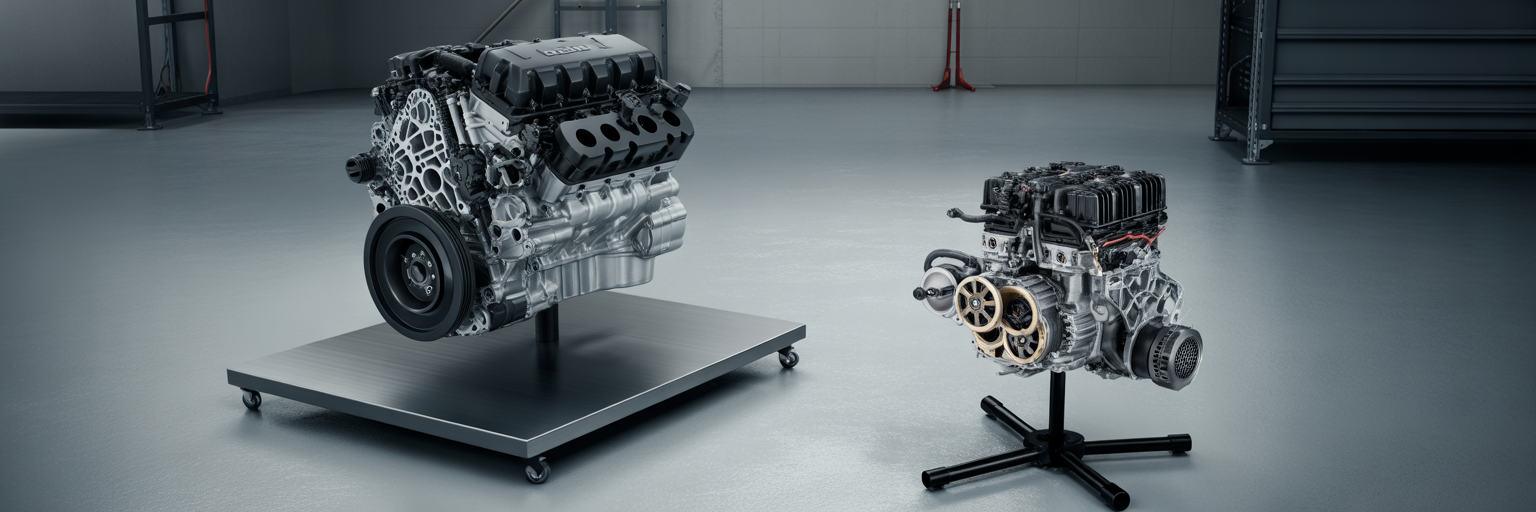
The engine is the heart of any vehicle, and in this comparison, the Pilot and Highlander offer two very different approaches to moving your family. One champions traditional, smooth power, while the other embraces modern, turbocharged efficiency. Understanding this difference is key to choosing the right SUV for your driving style.
The Pilot’s Confident V-6 Power
The 2026 Honda Pilot continues with its proven 3.5-liter V-6 engine, producing a healthy 285 horsepower. The character of this engine is defined by its smoothness and linear power delivery. There are no sudden surges or hesitations. It provides a steady, confident pull that is especially reassuring when the vehicle is loaded with passengers and cargo or merging onto a busy highway. It feels like a marathon runner, always having power in reserve for the long haul.
The Highlander’s Efficient Turbocharged Approach
In contrast, the Toyota Highlander uses a 2.4-liter turbocharged four-cylinder engine. While its 265 horsepower is slightly less than the Pilot’s, its strength lies in how it delivers that power. The turbo provides a strong wave of low-end torque, making the Highlander feel quick and responsive from a stop. It’s more like a sprinter, with an immediate burst of energy that is perfect for navigating city traffic and darting through intersections. This initial quickness can make it feel more lively in day-to-day driving.
The Hybrid Ace Up Toyota’s Sleeve
Fuel economy is where the Highlander creates significant separation. This efficiency gap is confirmed by outlets like Edmunds, which estimates the standard Highlander achieves around 25 mpg combined, a notable improvement over the Pilot’s 22 mpg. For a family driving 15,000 miles a year, that 3 mpg difference can translate to hundreds of dollars in fuel savings annually. However, Toyota’s true advantage is the Highlander Hybrid. This option, which is not available on the Pilot, dramatically shifts the value equation. It offers outstanding fuel economy that can easily exceed 35 mpg combined, making it one of the most cost-effective ways to move a family of seven or eight. For buyers focused on long-term running costs, this hybrid powertrain is a powerful argument in Toyota’s favor and a key reason it’s often included in discussions about the most cost-effective hybrid SUVs.
Towing and Hauling Capabilities
While both the Highlander and Pilot are primarily people-movers, their ability to haul a trailer or boat is a critical factor for many active families. On paper, their capabilities seem nearly identical, with both vehicles offering a maximum towing capacity of 5,000 pounds when properly equipped. However, the real-world experience of towing with each SUV reveals important differences.
The Honda Pilot towing capacity feels more robust in practice. Its naturally aspirated V-6 engine tends to feel less strained when pulling a heavy load near that 5,000-pound limit. For the family that frequently hauls a small travel trailer to a national park or a boat to the lake, the Pilot’s composed and steady power delivery provides a greater sense of confidence and control. The engine doesn’t feel like it’s working as hard, which reduces driver stress on long trips.
Beyond towing, an often-overlooked metric is payload capacity. This figure dictates how much weight from passengers and cargo the vehicle can safely carry. The Pilot generally offers a slightly higher payload, which is a crucial advantage for large families. When you have six or seven people in the car, their combined weight, plus luggage, can quickly approach the vehicle’s limit. The Pilot’s extra payload margin means you are less likely to have to choose between bringing another person or another suitcase.
To put it in perspective, if your lifestyle involves regular towing near the maximum limit, the Pilot is the more capable partner. If your hauling needs are more occasional, like a weekend run to the hardware store for landscaping supplies, the Highlander is perfectly adequate. Understanding what makes a vehicle good for hauling helps clarify that the Pilot is built with a bit more muscle for those demanding tasks.
Ride Comfort and Handling Dynamics
How an SUV feels on the road during a daily commute or a long family road trip can be just as important as its power or space. The Highlander and Pilot offer distinct driving experiences, each engineered with a different priority in mind. Your preference will likely come down to whether you value a soft, quiet ride or a more connected and stable feel.
The Toyota Highlander is engineered for maximum comfort. Its suspension is tuned to be soft and compliant, expertly soaking up bumps, potholes, and uneven pavement. This creates a serene and isolating cabin experience, making it an exceptional vehicle for long highway journeys on America’s interstates. Passengers will appreciate the smooth ride, which minimizes fatigue and creates a more relaxing atmosphere. The trade-off is a driving feel that can be somewhat detached from the road.
In contrast, the Honda Pilot offers a slightly firmer and more controlled ride. The suspension gives the driver a better sense of the road surface, leading to a more direct and confident handling feel. It doesn’t feel harsh, but it prioritizes stability and responsiveness over pure softness. This makes the Pilot feel a bit more athletic in corners and more planted during quick maneuvers. For families whose adventures might include gravel paths to a campsite, specialized trims like the Pilot TrailSport further enhance this versatility with all-terrain tires and an off-road-tuned suspension.
Cabin quietness is another key battleground. Both automakers use acoustic glass and significant sound-deadening materials, but the Highlander generally has a slight edge in isolating wind and road noise at highway speeds. When it comes to maneuverability in tight suburban spaces, both vehicles are similar in size, but drivers may find one easier to navigate in a crowded grocery store parking lot or a chaotic school drop-off line based on its turning circle and visibility. Ultimately, the Highlander is the rolling sanctuary, while the Pilot is the more engaging daily driver.
A Deep Dive Into Interior Space and Passenger Room
For most families considering a three-row SUV, the interior is where the decision is truly made. It’s a rolling living room, a mobile command center, and a kid-hauler all in one. While both the Pilot and Highlander offer smart and flexible cabins, they diverge significantly in one critical area: the third row.
Front and Second-Row Accommodations
In the first and second rows, both vehicles offer a comfortable and accommodating experience. Each can be configured with a three-person bench seat in the second row for 8-passenger capacity or with dual captain’s chairs for a more spacious 7-passenger layout. The captain’s chairs are a popular option, as they provide easier access to the third row and create a welcome separation between siblings on long trips. Both SUVs provide ample legroom and headroom for adults in these first two rows, along with plenty of cupholders and storage cubbies.
The Decisive Battle: Third-Row Comfort
The battle for interior supremacy is won or lost in the very back of the vehicle. Here, the Honda Pilot establishes a clear and undeniable advantage. Its third row is genuinely usable for teenagers and even adults on trips longer than a quick jaunt across town. The seating position is more natural, and the additional legroom and headroom prevent the cramped, knees-to-chin posture common in other midsize SUVs. For a family with three children, especially as they grow, this space is not a luxury; it’s a necessity.
Conversely, the Toyota Highlander third row space is best described as occasional. It is perfectly suitable for young children or for very short trips with adults in a pinch. However, it lacks the legroom and overall volume to be considered comfortable for regular use by anyone other than small kids. Accessing the third row is another practical consideration. Both vehicles have second-row seats that slide and tilt forward, but the Pilot’s mechanism is often praised for its simplicity, a small detail that makes a big difference when you’re trying to manage children and their belongings.
| Dimension | 2026 Honda Pilot | 2026 Toyota Highlander |
|---|---|---|
| Passenger Capacity | Up to 8 | Up to 8 |
| Third-Row Legroom (Approx.) | ~32.5 inches | ~28.0 inches |
| Third-Row Headroom (Approx.) | ~39.3 inches | ~36.1 inches |
| Second-Row Legroom (Approx.) | ~40.8 inches | ~41.0 inches |
Note: Dimensions are based on 2025 model year data and are representative for the 2026 comparison. The significant difference in third-row legroom is a primary factor for families needing consistent three-row seating.
Evaluating Cargo Capacity and Storage Solutions
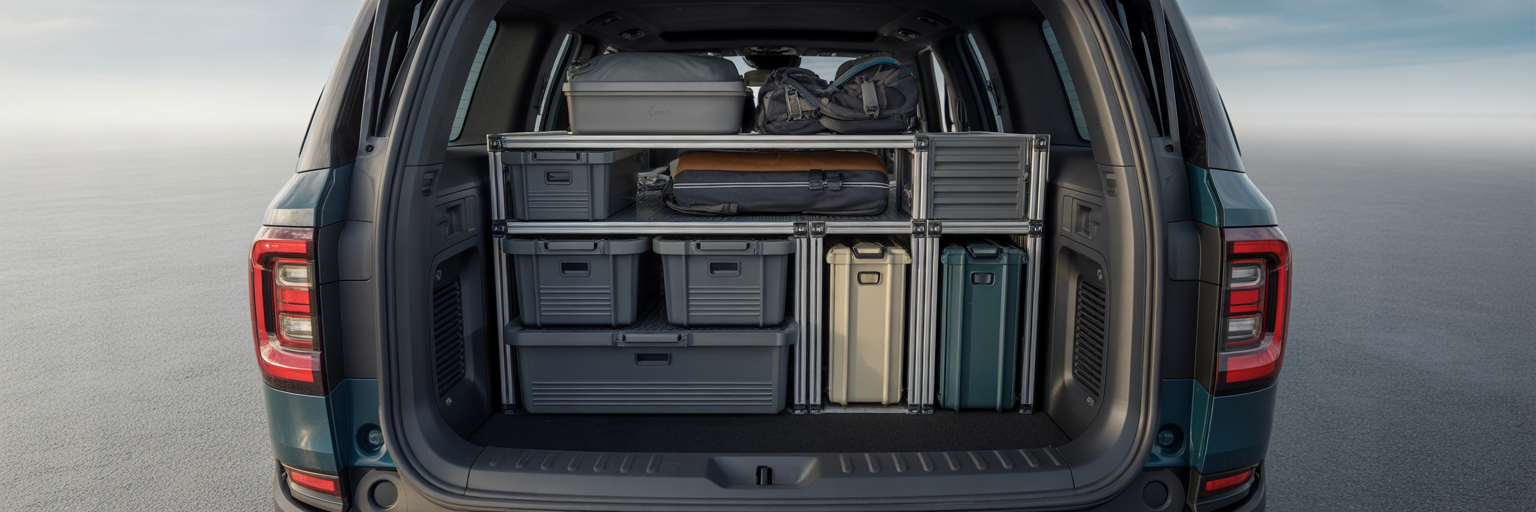
While the previous section focused on room for people, this one is all about space for their stuff. A family SUV’s utility is measured not just in passenger comfort but also in its ability to swallow groceries, sports gear, and vacation luggage. The Pilot and Highlander both offer flexible cargo areas, but their different dimensions and clever storage solutions cater to slightly different needs.
The comparison starts behind the third row, the space you have when the vehicle is full of passengers. This is where you need to fit a stroller or a week’s worth of groceries. Here, the Pilot offers a bit more usable volume. The second scenario is with the third row folded flat, a common configuration for a family road trip. The Pilot again holds an edge, with approximately 87 cubic feet of space compared to the Highlander’s 84.3 cubic feet. That small difference might not sound like much, but it can be the difference between fitting that one extra duffel bag or having to leave it behind. With all rear seats folded for a trip to IKEA, both offer cavernous space, but the Pilot maintains its slight advantage.
Beyond sheer volume, the intelligence of in-cabin storage can make or break daily life. Both vehicles excel here, but with unique features that showcase their different design priorities.
- Toyota Highlander: Its most talked-about feature is the signature dashboard shelf that runs along the passenger side. It’s a brilliantly simple and practical spot to place a phone, sunglasses, or snacks, keeping small items visible and accessible.
- Honda Pilot: The Pilot counters with a massive, deep center console between the front seats. It’s large enough to hide a purse or a tablet, keeping valuables out of sight. Its configurable tray adds to its versatility.
- Door Pockets: Both SUVs offer large door pockets capable of holding oversized water bottles, a must-have for any family vehicle.
- Under-floor Storage: The Pilot often includes a useful hidden storage compartment under the rear cargo floor, perfect for stashing a first-aid kit, jumper cables, or muddy gear.
Ultimately, the Pilot offers more raw cargo space, while the Highlander’s clever shelf is a unique and highly useful feature for front-seat passengers.
Infotainment, Connectivity, and Audio Systems
In 2026, a vehicle’s technology is as important as its engine. The infotainment system is the central hub for navigation, communication, and entertainment, and its ease of use can significantly impact your daily driving experience. Both the Pilot and Highlander come equipped with modern tech suites, but they differ in presentation and user experience.
The centerpiece of the cabin is the central touchscreen. The Highlander offers an available 12.3-inch screen that is bright and well-positioned, while the Pilot’s system is also large and responsive. The more important question is, how does the software feel? Toyota’s latest Audio Multimedia system is a massive improvement over its predecessors, with a clean interface and quick response times. Honda’s system is similarly intuitive, with a straightforward menu structure that is easy to learn. For most users, the choice between them will come down to personal preference. Crucially, both are expected to offer standard wireless Apple CarPlay and Android Auto, a non-negotiable feature that allows seamless integration of your smartphone.
For a family, connectivity throughout the cabin is vital. Are there enough ports to stop the “my tablet is dying” chorus from the back seats? Both SUVs deliver, with multiple USB-C ports strategically placed across all three rows. The availability of a wireless charging pad in the front also helps reduce cord clutter. These features ensure that everyone’s devices stay charged on long journeys.
Finally, consider the audio experience. A premium sound system can turn a tedious drive into a private concert. The Highlander offers a high-quality JBL audio system, while the Pilot partners with Bose. Both are reputable brands that deliver crisp, immersive sound. For families who enjoy listening to music or podcasts together on road trips, upgrading to one of these premium systems is a worthwhile investment that enhances the entire journey.
Advanced Safety Features and Driver Aids

When it comes to family vehicles, nothing is more important than safety. Both Toyota and Honda have built their reputations on it, and both the Highlander and Pilot come equipped with a comprehensive suite of advanced safety features and driver aids designed to protect your most precious cargo.
These systems are bundled under their respective brand names: Toyota Safety Sense (TSS) and Honda Sensing. While the marketing names differ, the core functionality is largely the same and includes a host of technologies that watch the road with you.
- Forward Collision Warning & Automatic Emergency Braking: This is standard on both and can detect a potential frontal collision, warning the driver and even applying the brakes automatically to mitigate or avoid an impact.
- Lane Departure Warning & Lane Keeping Assist: Standard on both, these systems help prevent you from unintentionally drifting out of your lane.
- Adaptive Cruise Control (ACC): Also standard, this feature maintains a set following distance from the vehicle ahead, reducing driver fatigue in highway traffic.
- Blind Spot Monitoring & Rear Cross-Traffic Alert: This is where you need to check the trim levels. While increasingly standard, some base models may not include this feature, which is invaluable for changing lanes safely and backing out of parking spots.
Beyond the checklist of features, it’s important to consider their real-world performance. How smoothly do these systems operate? Some drivers find Toyota’s Lane Tracing Assist to be exceptionally smooth and natural on the highway, while others may prefer the feel of Honda’s Lane Keeping Assist System. Similarly, the refinement of the adaptive cruise control in stop-and-go traffic can vary. Toyota has historically made its full TSS suite standard across nearly all trims, which represents a significant value proposition. You can be confident that both vehicles are engineered to earn top safety ratings from the IIHS and NHTSA, but the subtle differences in how their driver aids perform can influence your daily driving comfort.
Reliability, Pricing, and Long-Term Value
A vehicle purchase is one of the largest financial decisions a family will make, so considering the total cost of ownership is essential. This goes beyond the initial sticker price to include fuel, maintenance, and what the car will be worth in a few years. In this area, both the Highlander and Pilot are strong contenders, but they offer different paths to long-term value.
When it comes to reliability, Toyota’s reputation is legendary. Its vehicles are known for their durability and low maintenance costs over the long haul. This reputation is well-documented, with organizations like Consumer Reports frequently ranking it at the top for long-term dependability. While the Honda Pilot also boasts a very strong reliability record and is a safe long-term bet, Toyota often holds a slight edge in both real-world data and public perception. This strong reputation among various automotive brands directly impacts resale value.
The pricing structures for both models are competitive, starting with base trims and climbing as you add features like a panoramic moonroof, premium audio, or larger wheels. The key is to understand the distinct value proposition each offers. The Highlander’s value is best defined as a lower Total Cost of Ownership. Its superior fuel economy, especially with the hybrid option, combined with historically higher resale values, means it could cost you less to own over a five-year period.
The Pilot’s value proposition is about getting More SUV for Your Money. For a similar price point, it often delivers more tangible, day-one benefits: more passenger space, a more usable third row, and greater overall utility. The choice comes down to what you value more: lower running costs over time or more space and capability from the moment you drive off the lot.
The Verdict For Large Families and Road Trips
After comparing every aspect of these two class leaders, the final decision comes down to a simple question: what does your family truly need? The 2026 Honda Pilot vs Toyota Highlander debate is not about which SUV is objectively better, but which one is better for you. Each has a clear and compelling set of strengths.
The Toyota Highlander’s case is built on efficiency and peace of mind. Its hybrid option offers unbeatable fuel economy, its reputation for reliability is second to none, and its smooth, quiet ride makes every journey relaxing. It is the smart, pragmatic choice for the family that values low long-term costs and a stress-free ownership experience.
The Honda Pilot’s argument is centered on unmatched space and utility. It offers superior passenger and cargo room, a truly adult-friendly third row that transforms the vehicle’s usability, and more confident towing performance. It is the workhorse for the large, active family that needs to maximize every inch of interior volume.
So, what is the verdict? For large families, especially those with more than two children or who will use the third row for carpools with teenagers, the Honda Pilot is the unequivocal winner. Its superior interior space is a practical, daily advantage that simply cannot be overstated. It is the more comfortable and versatile people-hauler.
For road trips, the answer is more nuanced. If your road trip involves a full car of six or seven people, the Pilot’s extra space again makes it the better choice for keeping everyone comfortable. However, for a family of four or five that prioritizes the travel budget, the Highlander Hybrid is an outstanding road trip machine. Its incredible fuel efficiency can save hundreds of dollars on a cross-country trip, leaving more money for experiences. Be honest about your needs. If that third row is a daily necessity, the choice is the Pilot. If it’s for occasional use and you value efficiency and proven value above all, the Highlander is the smarter purchase.