The modern full-size pickup truck is a curious machine. It’s expected to haul lumber, tow a boat, and still ride quietly enough for a family road trip, with an interior that rivals a European sedan. This expectation wasn’t born overnight. It was cultivated over decades, and no brand has been more central to this transformation than Ram. Tracing the history of the Dodge Ram 1500 generations reveals a calculated journey from a simple, rugged tool into the benchmark for comfort and technology in the American truck market.
The Foundation of a Truck Legend (1981–1993)
The first truck to wear the Ram name wasn’t a new creation. It was a clever rebranding of the Dodge D-Series, a line of trucks that had been serving farms and construction sites since the early 1960s. In 1981, with Chrysler facing financial headwinds, a complete redesign was out of the question. Instead, Lee Iacocca’s team opted for a facelift and a new identity. The “Ram” name, resurrected from a hood ornament used in the 1930s and 40s, was meant to signal toughness and a fresh start. The truck underneath, however, was familiar.
This first generation was the definition of a workhorse. Its purpose was clear from the moment you opened the door. Interiors were a sea of hard plastics and durable vinyl. You could almost smell the practicality. The bench seats were wide and flat, designed for durability, not long-haul comfort. The dashboard was a simple, blocky affair with gauges you could read at a glance, and the controls felt sturdy enough to be operated with work gloves on. There were no pretenses of luxury; this was a tool, and its cabin was designed to be wiped down, not admired.
The Ram 1500 engine options from this era were chosen for reliability and low-end torque, not outright speed. They were proven powerplants that mechanics across the country knew inside and out.
- 3.7L Slant-6: This legendary inline-six was the base engine. It was underpowered by modern standards but was famously durable, known for its ability to withstand incredible neglect.
- 5.2L LA V8: A small-block V8 that provided a necessary bump in power for hauling and towing. It was a simple, carbureted engine for most of its run, offering dependable performance.
- 5.9L LA V8: The top gas engine offered more grunt for heavier tasks. Like its smaller sibling, it was a straightforward, robust motor that formed the backbone of the lineup.
- 5.9L Cummins Turbodiesel: Introduced in 1989 for heavy-duty models, this was a monumental addition. The Cummins diesel gave Dodge a reputation for serious towing power and engine longevity that its rivals couldn’t match.
Built on a traditional body-on-frame chassis with leaf springs at all four corners on early 4x4s (later switching to an independent front), the ride was unapologetically stiff. When the bed was empty, the truck would bounce and jitter over road imperfections, a constant reminder of its payload-focused design. This rigid construction, however, was its strength. It could handle heavy loads without complaint, reinforcing its image as a dependable work vehicle.
Throughout this period, Dodge remained a distant third in the sales race behind Ford and GM. These trucks were not without their faults. Body rust was a common complaint, particularly in the wheel wells and cab corners. Yet, for the buyers who chose them, these issues were secondary. They valued the near-indestructible nature of the core drivetrain. The engines and transmissions were built to last, creating a small but fiercely loyal following that appreciated the Ram for its rugged simplicity. This generation laid the groundwork, establishing an identity of toughness that would be dramatically reimagined in the years to come.
The Big-Rig Revolution (1994–2001)
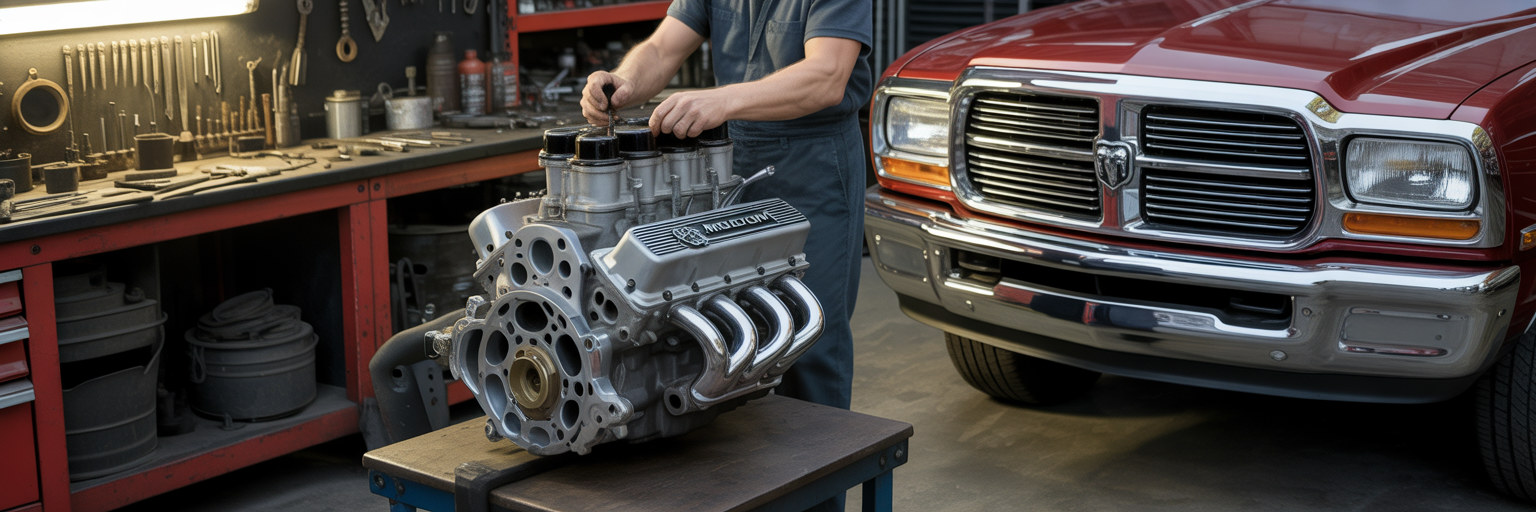
After more than a decade of trailing the competition, Dodge needed something radical. What it delivered in 1994 wasn’t just a new truck; it was a statement that permanently altered the pickup landscape. The second-generation Ram didn’t just look different, it felt like it came from another planet compared to the slab-sided designs of Ford and GM. The “big-rig” styling, with its massive, forward-leaning grille and fenders that were visually separate from the hood, was a direct nod to the iconic Peterbilt semi-trucks. It was an audacious design that instantly made every other truck on the road look dated.
Suddenly, a pickup truck could be a style statement. Sales exploded. People who had never considered a Dodge were now walking into showrooms, drawn by the Ram’s muscular and imposing presence. This aesthetic shift was the single most important factor in bringing Dodge back from the brink of irrelevance in the truck market. It proved that truck buyers cared about more than just payload; they cared about image.
Beneath the revolutionary sheet metal, the powertrains received a significant update. The old LA-series V8s were evolved into the new “Magnum” engines. The 5.2L and 5.9L V8s now featured multi-port fuel injection and new cylinder head designs, which boosted output and efficiency. The 5.9L Magnum V8, in particular, became a fan favorite for its deep rumble and strong low-end torque. For those demanding ultimate power in heavy-duty models, Dodge even offered a massive 8.0L V10 derived from the Viper sports car, cementing the brand’s new high-performance attitude.
The interior was also a major step forward. While still utilitarian compared to today’s trucks, the cabin was far more ergonomic and comfortable than its predecessor. The dashboard flowed with more organic shapes, materials felt more substantial, and the controls were more driver-focused. The real innovation came in 1998 with the introduction of the Quad Cab. Its rear-hinged half-doors provided much easier access to the rear seating area, a critical development that made the truck a more viable option for families. We can all recall the awkwardness of trying to stuff gear or people behind the front seat of an old extended-cab truck; the Quad Cab was a simple, effective solution.
Despite the revolutionary exterior, the suspension remained traditional, with a solid rear axle and leaf springs. This meant that while the truck looked modern, the ride quality was still classic pickup: firm and sometimes choppy when unloaded. The second-generation’s bold styling and improved powertrains helped redefine what American trucks could be, setting a new standard in a competitive market. For more insights on modern pickups, you can explore our comprehensive coverage of trucks.
However, this generation’s legacy is mixed when it comes to Ram 1500 reliability by year. The Magnum V8 engines were celebrated for their durability, often lasting for hundreds of thousands of miles with basic care. Unfortunately, they were frequently let down by the automatic transmissions bolted behind them. The 46RE automatic, in particular, developed a notorious reputation for premature failure. Another widespread issue was the dashboard itself, which was made from a plastic that would become brittle over time and crack, often shattering into dozens of pieces. It was a frustrating flaw that marred an otherwise much-improved interior. This contrast between a bulletproof engine and a fragile transmission became a defining characteristic of this era’s Ram.
The HEMI Returns (2002–2008)
Building on the massive success of the “big-rig” look, the third generation of the Ram 1500 arrived with a refined design and a focus on engineering improvements. The most significant structural change was the move to a fully-boxed frame. This might sound like a minor technical detail, but its impact was substantial. A stiffer, fully-boxed frame reduces flex, which in turn leads to a quieter ride, more predictable handling, and greater stability when towing heavy loads. It was a foundational upgrade that made the entire truck feel more solid and composed.
But the real headline was the return of a legendary name. In 2003, Dodge reintroduced the 5.7L HEMI V8. The “HEMI” name, a reference to the engine’s hemispherical combustion chambers, was marketing gold. It tapped into a deep well of muscle car nostalgia and immediately gave Dodge a powerful advantage in the horsepower wars. The engine delivered class-leading power and a signature exhaust note that set it apart from the offerings of Ford and GM. Later in the generation, Dodge added the Multi-Displacement System (MDS), which could shut down four cylinders during light-load cruising to improve fuel economy. It was an early attempt to balance V8 power with growing concerns about fuel consumption.
This generation also saw Ram double down on interior space. The introduction of the Mega Cab model in 2006 was a direct response to customers wanting more room. The cabin was enormous, offering more rear-seat legroom than most full-size sedans and class-exclusive reclining rear seats. It transformed the Ram from a work vehicle that could carry people into a legitimate long-haul family hauler, perfect for cross-country trips with the whole crew and their gear.
The driving experience was further refined with a major suspension change for four-wheel-drive models, which moved to an independent front suspension (IFS). Paired with a new rack-and-pinion steering system across the lineup, the truck felt more precise and easier to drive. The steering was more responsive, and the IFS helped smooth out bumps, providing a more comfortable ride than the old solid front axle. The rear suspension, however, remained a traditional leaf-spring setup, creating a disconnect between the more modern front end and the still-truck-like rear.
Despite these improvements, this generation had its own set of specific reliability concerns that owners came to know well. These issues often required careful diagnosis and repair.
- The “HEMI Tick”: A distinct ticking noise from the engine, especially on startup, became a well-known issue. This sound could be a harmless characteristic for some, but in many cases, it was an early warning of failing valve lifters or a worn camshaft, potentially leading to a costly top-end engine repair.
- Totally Integrated Power Module (TIPM) Failure: This was perhaps the most frustrating problem of the era. The TIPM, essentially the truck’s central electrical hub, was prone to internal failures. This could cause a bewildering array of electrical gremlins, from the fuel pump not running to the horn going off randomly. Diagnosing a faulty TIPM was notoriously difficult and expensive to replace.
Issues like the “HEMI tick” often left owners searching for solutions, highlighting the importance of understanding common vehicle problems. For those interested in vehicle maintenance, our DIY section offers guides on various topics.
The Coil-Spring Game Changer (2009–2018)
The fourth generation marked two monumental shifts for the brand. First, in 2010, Ram was officially spun off from Dodge to become its own standalone truck brand. This was more than a marketing exercise; it was a strategic decision to create a focused identity that catered directly to truck buyers, allowing the brand to innovate without being tied to the broader Dodge product line. The decision to spin off Ram into its own entity was a major strategic move in the automotive world, allowing for a more focused approach to truck development. You can read more about various automotive brands and their strategies here.
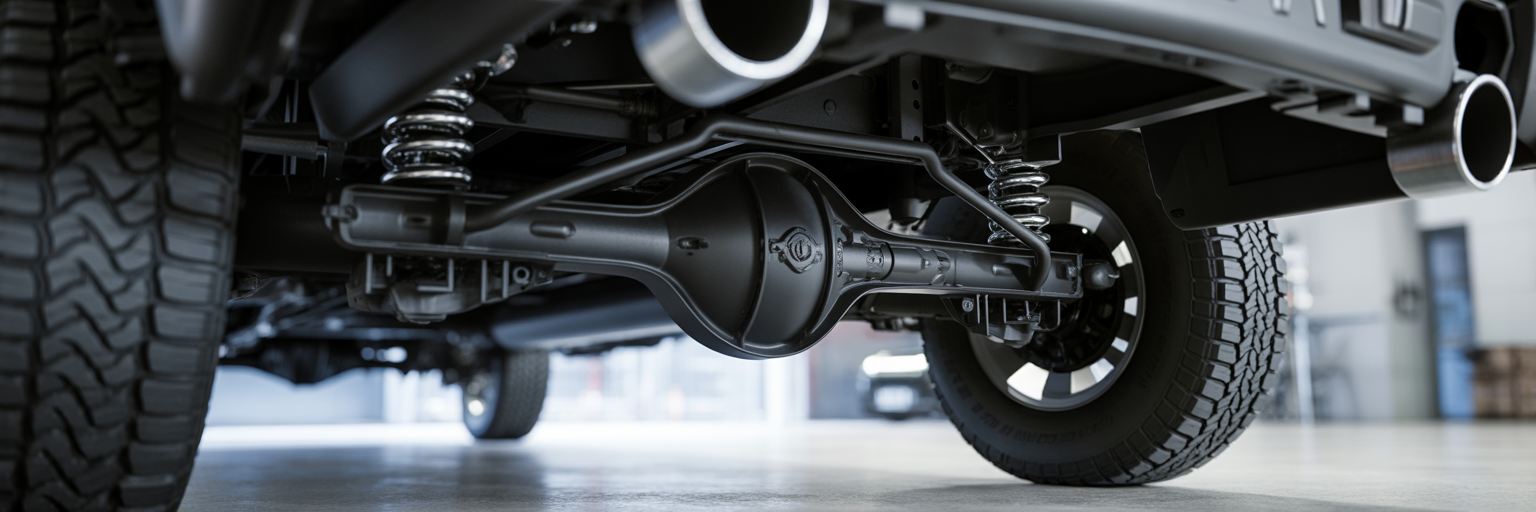
The second, and arguably more important, change was a radical departure in suspension design. While every other full-size truck stuck with traditional leaf springs in the rear, Ram introduced an industry-first multi-link, coil-spring rear suspension. This was the single most significant Ram 1500 suspension upgrade in the truck’s history. Instead of the long, stiff leaf springs designed solely to manage heavy loads, Ram implemented a system more like that of a modern SUV. This setup allowed the rear axle to move more freely and independently, dramatically improving ride quality. The bouncy, jittery ride that had defined unloaded pickups for a century was gone, replaced by a smooth, controlled, and almost car-like composure. It was a revelation. For those who wanted even more refinement, an optional four-corner air suspension offered adjustable ride height and even greater comfort.
This bold move directly addressed a question many truck owners quietly asked themselves: why does my daily driver have to ride so harshly? In the Ram 1500 vs Ford F-150 debate, this gave Ram a distinct and undeniable advantage in comfort and handling that forced the entire industry to reconsider its approach.
| Factor | Traditional Leaf Spring (Competitors) | Ram Multi-Link Coil Spring |
|---|---|---|
| Unladen Ride Quality | Stiff, often bouncy and jittery | Smooth, controlled, and car-like |
| Handling & Stability | Prone to axle hop on rough surfaces | Maintains better tire contact and stability |
| Towing & Hauling | Excellent at managing heavy vertical loads | Engineered to match payload/towing ratings with better control |
| Complexity & Cost | Simple, inexpensive, and robust design | More complex with more moving parts, potentially higher repair costs |
This table illustrates the fundamental trade-offs between the traditional suspension used by competitors and the innovative coil-spring setup Ram introduced. The data highlights Ram’s strategic decision to prioritize ride comfort and handling without compromising core truck capability.
The Ram 1500 engine options were also modernized. The 5.7L HEMI V8 was updated for more power and paired with a sophisticated eight-speed automatic transmission in later years, a huge improvement over the old five- and six-speeds. The base engine became the excellent 3.6L Pentastar V6, which offered a great balance of power and efficiency. Most notably, Ram introduced the 3.0L EcoDiesel V6, a groundbreaking option that delivered exceptional fuel economy and ample torque, appealing to buyers who wanted efficiency without sacrificing towing ability.
Inside, the transformation was just as dramatic. This generation cemented Ram’s reputation for having the best interior in the business. Soft-touch materials replaced hard plastics, the design was thoughtful and upscale, and the Uconnect infotainment system was widely praised for its intuitive interface. Clever features like the class-exclusive RamBox Cargo Management System, which integrated lockable storage bins into the sides of the truck bed, showed a deep understanding of how people actually use their trucks. Reliability improved overall, but some familiar issues persisted, like exhaust manifold bolts on the HEMI V8 that were prone to breaking and causing exhaust leaks. The complex air suspension system, while brilliant when new, also raised concerns about potential long-term repair costs.
The Era of Luxury and Technology (2019–2026)
With the fifth generation, Ram made its intentions clear: it wasn’t just competing with other trucks; it was aiming for luxury SUVs. The exterior design evolved into a sleeker, more aerodynamic form. The aggressive “crosshair” grille was replaced with a more sophisticated look, and subtle engineering changes were made to improve fuel efficiency without sacrificing the truck’s muscular presence. The result was a vehicle that looked both tough and refined, equally at home on a construction site or parked in a high-end restaurant’s valet line.
The core of this generation’s story is the evolution of its powertrains and the culmination of its luxury ambitions. The 5.7L HEMI V8 was now available with an eTorque mild-hybrid system. This system used a small electric motor-generator to provide a slight torque boost from a standstill, smooth out the engine’s start-stop function, and improve overall efficiency. It was a subtle but effective piece of technology that made the big V8 feel more responsive in city driving.
However, the biggest news was a landmark decision that sent shockwaves through the truck world. Ram announced it was phasing out its iconic 5.7L HEMI V8. In its place came the all-new 3.0L twin-turbo “Hurricane” inline-six engine. This was a bold gamble, trading a nameplate steeped in decades of muscle car and truck heritage for a smaller, more technologically advanced engine. But the numbers spoke for themselves. According to Ram’s official specifications, the new 3.0L Hurricane engine family represents a significant leap in performance, delivering more power and torque than the outgoing HEMI V8 while promising better fuel economy. It was Ram’s bet that modern truck buyers would choose superior performance and efficiency over brand nostalgia.
Inside the cabin, Ram set a new benchmark that competitors are still struggling to match. In higher trims like the Laramie Longhorn and Limited, the interior is a masterclass in design and material quality. A massive, vertically oriented 12-inch touchscreen dominates the center stack, feeling more like something out of a Tesla than a pickup truck. Real wood, genuine metal trim, and intricate leather stitching create an atmosphere of authentic luxury. The attention to detail is meticulous, from the quietness of the cabin at highway speeds to the clever storage solutions scattered throughout. It’s the kind of interior that makes you question why anyone would spend the same money on a traditional luxury SUV.
Underpinning it all is a refined chassis that uses more high-strength steel, making the frame lighter and more rigid than before. This, combined with further enhancements to the coil-spring and air suspension systems, delivers a ride that is astonishingly smooth and quiet. The introduction of the Hurricane engine is a major development as manufacturers chase performance and economy. For a broader look at how the latest models stack up, you can see our analysis of which 2025 trucks offer the best towing and fuel economy. As with any technologically advanced vehicle, there have been some early concerns. Software bugs in the new Uconnect 5 infotainment system have been reported, and questions remain about the long-term durability of the eTorque mild-hybrid system. These are the typical growing pains of a vehicle pushing the boundaries of technology.
Ram’s Unique Philosophy in the Truck Wars
Looking back across the Dodge Ram 1500 generations, a clear and consistent philosophy emerges. While Ford has relentlessly focused on its “Built Ford Tough” identity through work capability and material innovations like aluminum bodies, and GM has often charted a more conservative, traditionalist course, Ram has consistently chosen a different path. It has differentiated itself by relentlessly innovating in two key areas: ride comfort and interior luxury.
Ram’s success is rooted in its early recognition that for millions of Americans, a truck is not just a tool for the worksite. It’s a daily driver, a family vehicle, and a mobile office. This focus on the “lifestyle truck” is what drove the game-changing Ram 1500 suspension upgrade to coil springs and the brand’s obsessive push to create benchmark-setting interiors. These weren’t just features; they were a direct challenge to the idea that a capable truck had to be uncomfortable.
The decision to replace the beloved HEMI V8 with the more efficient and powerful Hurricane inline-six is the ultimate expression of this forward-thinking philosophy. It’s a bold sacrifice of tradition in the name of superior performance and modern engineering, cementing Ram’s identity as the true innovator in the full-size truck segment. Ram’s journey from a basic workhorse to a luxury leader showcases a deep understanding of the evolving automotive market. To stay informed on all things automotive, from historical deep dives to the latest news, visit CarPhanatics.