The difference between a daily commuter and a sports car is not just speed. It is the set of razor-thin tolerances and engineering precision designed for one purpose: performance. Maintaining that edge requires more than an occasional car wash. It demands a disciplined approach to care that respects the machine’s complexity and potential.
The Foundation of Performance: Engine and Fluids
A high-performance engine operates under far greater stress than a standard motor, generating intense heat and pressure. Its fluids are not just lubricants or coolants; they are the lifeblood that allows it to function at its limits. Proactive fluid management is the single most important aspect of high performance vehicle care, forming the bedrock of reliability and power.
The Lifeline of Your Engine: Oil Selection and Schedule
Think of synthetic oil not as an upgrade, but as a necessity for any serious sports car engine maintenance routine. Unlike conventional oils, full synthetics are engineered with uniform molecules that resist breaking down under extreme temperatures. This ensures a consistent protective film on critical components like pistons, bearings, and camshafts, even when the engine is pushed hard. Sticking to a regular change schedule prevents the accumulation of sludge and metal particles that accelerate wear.
Maintaining Optimal Temperatures with Coolant
Your car’s coolant system is the silent guardian against catastrophic failure. It is responsible for dissipating the immense heat generated during spirited driving. Old or contaminated coolant loses its effectiveness, allowing temperatures to spike. An overheating engine can lead to warped cylinder heads or a blown head gasket, repairs that are both expensive and time-consuming. Regular checks ensure the system is full and the fluid is clean, protecting your engine from its own immense power.
Ensuring Smooth Operation with Other Essential Fluids
Performance is an experience felt through your hands and feet, and other fluids are directly responsible for that tactile feedback. Clean brake fluid ensures a firm, responsive pedal for confident stopping power. Fresh transmission fluid allows for the crisp, immediate gear changes that define a sports car. Similarly, proper power steering fluid levels translate to precise, communicative steering. Neglecting these fundamental checks can lead to a host of problems, and if you find yourself asking ‘why won’t my car start?‘, the root cause can often be traced back to a failure in one of these basic systems.
Essential Fluid Check and Replacement Guide
| Fluid | Primary Function | Recommended Check Interval | Signs of Trouble |
|---|---|---|---|
| Engine Oil | Lubricates moving parts, reduces friction, and dissipates heat. | Check monthly; change every 3,000-5,000 miles or as per manual. | Dark, gritty texture; low level on dipstick; oil pressure warning light. |
| Coolant (Antifreeze) | Regulates engine temperature to prevent overheating and freezing. | Check monthly; flush and replace every 30,000-50,000 miles. | Sweet smell; visible leaks (green, pink, or orange puddles); high temperature gauge. |
| Brake Fluid | Transfers force from the brake pedal to the brakes via hydraulic pressure. | Check every 6 months; replace every 2 years. | Spongy or soft brake pedal; dark or cloudy fluid color; ABS warning light. |
| Transmission Fluid | Lubricates gears and ensures smooth shifting in automatic or dual-clutch systems. | Check every 6-12 months; change per manufacturer’s schedule (often 30k-60k miles). | Jerky or delayed shifts; whining or clunking noises; red fluid leaks. |
| Power Steering Fluid | Assists in turning the steering wheel with minimal effort. | Check every 6 months. | Whining noise when turning; stiff or difficult steering. |
Note: These intervals are general guidelines. Always consult your vehicle’s owner’s manual for manufacturer-specific recommendations, as schedules can vary significantly based on engine design and driving conditions.
Mastering Grip and Control: Tires and Brakes
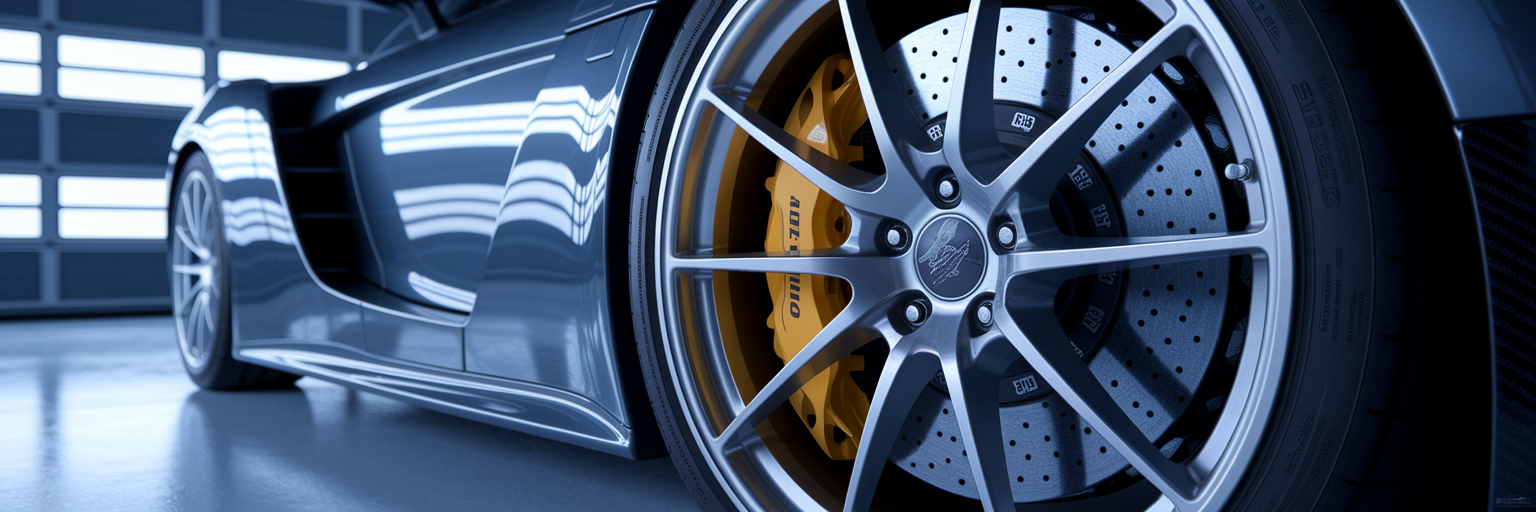
Generating immense power is one thing; transferring it to the tarmac effectively and safely is another. Your tires and brakes are the critical components that translate engine output into controlled motion. Power is useless without control, which is why diligent tire and brake care is a top priority for any owner wondering how to maintain a sports car. This section moves beyond the engine bay to the parts that physically connect you to the road.
The Critical Contact Patch: Tire Pressure and Condition
Your tires’ contact patch, the small rectangle of rubber touching the road, is where all performance happens. Incorrect tire pressure dramatically alters the shape of this patch. Over-inflation shrinks it, reducing grip and creating a harsh ride. Under-inflation causes the sidewalls to flex excessively, leading to vague steering and overheating. Proper sports car tire care starts with a weekly pressure check, done when the tires are cold, to ensure the contact patch is exactly as the engineers designed it.
The Importance of Tire Rotation and Balancing
Regularly rotating your tires ensures they wear evenly, extending their life and maintaining predictable handling characteristics. An imbalanced tire, even if slightly off, will cause vibrations at speed that not only feel unpleasant but also place unnecessary stress on suspension components. Your tires often tell a story about the car’s health. Look for these patterns:
- Center Tread Wear: Indicates over-inflation, reducing the contact patch and making the ride harsh.
- Edge Wear (Both Edges): A classic sign of under-inflation, causing the tire to sag and wear on the outside shoulders.
- One-Sided Wear (Inner or Outer Edge): Typically points to a wheel alignment issue, such as incorrect camber.
- Cupping or Scalloping: Often a sign of worn-out suspension components (shocks or struts) or imbalanced wheels.
Your Ultimate Safety Net: Brake System Integrity
Stopping a sports car from high speed generates incredible heat, enough to make brake rotors glow red in demanding conditions. This thermal load is why performance brake pads and rotors wear faster than those on a typical sedan. A visual inspection of pad thickness and rotor condition is essential. Unusual noises are your car’s way of communicating a problem. If you’re wondering ‘why is my car squeaking when I drive?‘, worn brake pads are one of the most common culprits and should be addressed immediately.
The Brains of the Operation: Electronics and Diagnostics
Beyond the mechanical components lies the car’s central nervous system: a complex network of sensors, modules, and computers that manage everything from fuel injection to stability control. Heeding electronic warnings is key to catching problems before they become catastrophic mechanical failures. That amber light on your dash is not a friendly suggestion; it is a direct report from the Engine Control Unit (ECU) that something is outside its operating parameters.
While a generic OBD-II scanner can read basic trouble codes, it often misses the proprietary data related to advanced systems like adaptive suspension, torque vectoring, or active aerodynamics. A manufacturer-specific diagnostic tool used by a specialist can interpret these complex codes, providing a clear picture of the car’s health. We have all seen it: a weak battery causing a cascade of seemingly unrelated electronic gremlins, from flickering dashboard lights to transmission faults. Modern sports cars have a high electrical demand, and a healthy, fully charged battery is crucial for keeping these systems stable. Staying informed about the latest advancements in automotive technology is crucial, and you can find the latest updates and trends in our car news section.
Preserving Value and Aesthetics: Exterior and Interior Care

Peak performance is not just about speed; it is also about preserving the asset itself. Diligent cosmetic care is not a vanity exercise but a crucial part of protecting your investment and ensuring the car’s structural integrity. These sports car maintenance tips connect functional aesthetics with long-term value.
A modern paint protection film or ceramic coating is less about a mirror shine and more about a sacrificial shield. It creates a barrier that absorbs the impact of rock chips, bug splatter, and environmental contaminants before they can etch into your paint. Most owners wash what they can see, but the real battle against corrosion happens underneath. Regularly cleaning the underbody, especially in climates where road salt is used, prevents rust from taking hold on critical chassis and suspension components.
The interior is your cockpit, and maintaining it preserves the driver-focused environment.
- Leather: Use a pH-neutral leather cleaner and a soft brush to lift dirt from the grain, followed by a high-quality conditioner to prevent drying and cracking.
- Alcantara: Avoid water and harsh chemicals. Use a dedicated Alcantara cleaner with a soft-bristle brush, brushing in one direction to restore the nap.
- Carbon Fiber: Treat it like your car’s paint. Clean with a gentle automotive soap and apply a wax or sealant to protect it from UV damage and light scratches.
Whether you own a modern sports car or one of the classic muscle cars, preserving its finish and interior is key to its longevity and value.
Driving Habits for Mechanical Longevity
The most overlooked component in vehicle longevity is the one sitting in the driver’s seat. Your driving habits have a direct and profound impact on the health of your car’s mechanical systems. Adopting a mindset of mechanical sympathy is an active form of maintenance that reduces wear and tear far more than any polish or additive.
Starting a cold engine and immediately demanding full power is like asking a sprinter to run a 100-meter dash without stretching. It takes time for the engine oil to warm up, thin out, and properly circulate to protect vital internal parts. A proper warm-up, driving gently until the oil temperature gauge reaches its normal operating range, is one of the kindest things you can do for your engine. Likewise, smooth inputs for acceleration, braking, and shifting reduce shock loads on the entire drivetrain. This does not mean driving slowly; it means driving fluidly.
Counterintuitively, frequent short trips are highly detrimental. They do not allow the engine and exhaust systems to reach a temperature high enough to burn off condensation. This moisture can mix with oil to form sludge and promote corrosion from within. A spirited drive on an open road is not just fun; it is healthy for your car.
Advanced Servicing and Thoughtful Upgrades
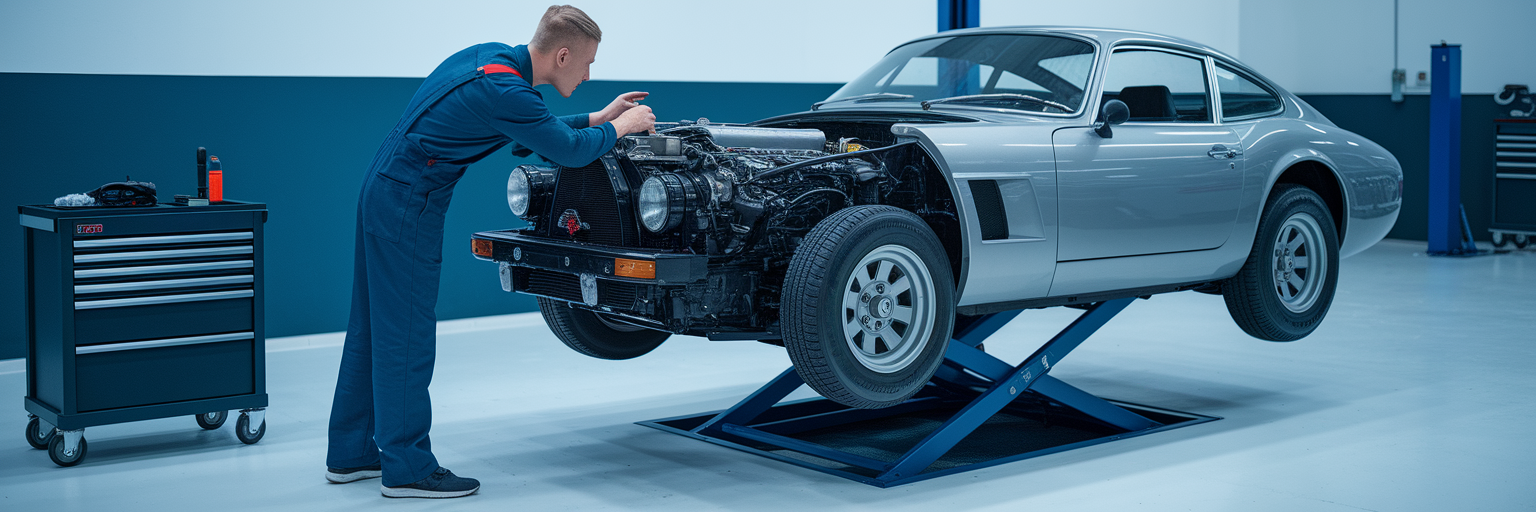
While diligent ownership covers the fundamentals, knowing when to call in a specialist is just as important for long-term high performance vehicle care. You would not ask a general practitioner to perform heart surgery; the same logic applies to your car’s complex systems. Tasks involving dual-clutch transmissions, active suspension, or advanced engine diagnostics are best left to technicians with brand-specific training and tools.
The aftermarket is filled with promises of more power, but the first rule of modifying should be to do no harm. Prioritize high-quality components from reputable brands that respect the car’s engineered balance. Cheap upgrades can introduce weak points or compromise safety systems. While the traditional 30-60-90k mile service rule is a well-known concept, an article from Jalopnik rightly questions its relevance for many modern vehicles, emphasizing that manufacturer schedules are tailored to specific engineering and are a more reliable guide. Your owner’s manual is the definitive source for service intervals. The principles of thoughtful maintenance and servicing apply to all vehicles, from sports cars to the technologically advanced 2025 Ford F-150, where specialized knowledge is equally critical.