Foundational Vehicle Inspection Before You Go
Off-roading pushes a vehicle far beyond the demands of a daily commute. The constant vibration, steep angles, and sudden impacts mean that small, overlooked issues can quickly become trip-ending failures. Understanding how to prep car for off-roading begins not with expensive gear, but with a meticulous inspection of what you already have. A successful adventure is built on a reliable foundation.
Start with the tires and wheels. Check that your tire pressure is set to the manufacturer’s recommendation for on-road driving, as you will adjust it later on the trail. Inspect the tread for adequate depth, which is critical for grip on loose surfaces. More importantly, examine the sidewalls for any cuts, gouges, or bulges. While standard highway tires might get you to the trailhead, all-terrain (AT) tires are the minimum requirement for any serious off-roading, offering tougher construction and better traction.
Next, check the vehicle’s lifeblood: its fluids. This includes engine oil, coolant, transmission fluid, brake fluid, and power steering fluid. Low or old fluid can lead to catastrophic failures under load. For example, insufficient coolant can cause your engine to overheat on a long, steep climb, leaving you stranded miles from anywhere. Each fluid plays a vital role in keeping mechanical systems operating smoothly under stress.
Your suspension and brakes are your connection to the terrain. Visually inspect your shocks for any signs of leaking fluid. Check your brake pads for wear and listen for unusual noises. That minor annoyance on the road could signal a major problem on a steep descent. If you’re wondering why your car is squeaking when you drive, it is essential to get it diagnosed by a professional before you find yourself far from help. Finally, get underneath the vehicle. Look for existing rust, cracks in the frame, or any damage to the undercarriage that could be worsened by impacts from rocks and trail debris.
Essential Modifications for Off-Road Resilience
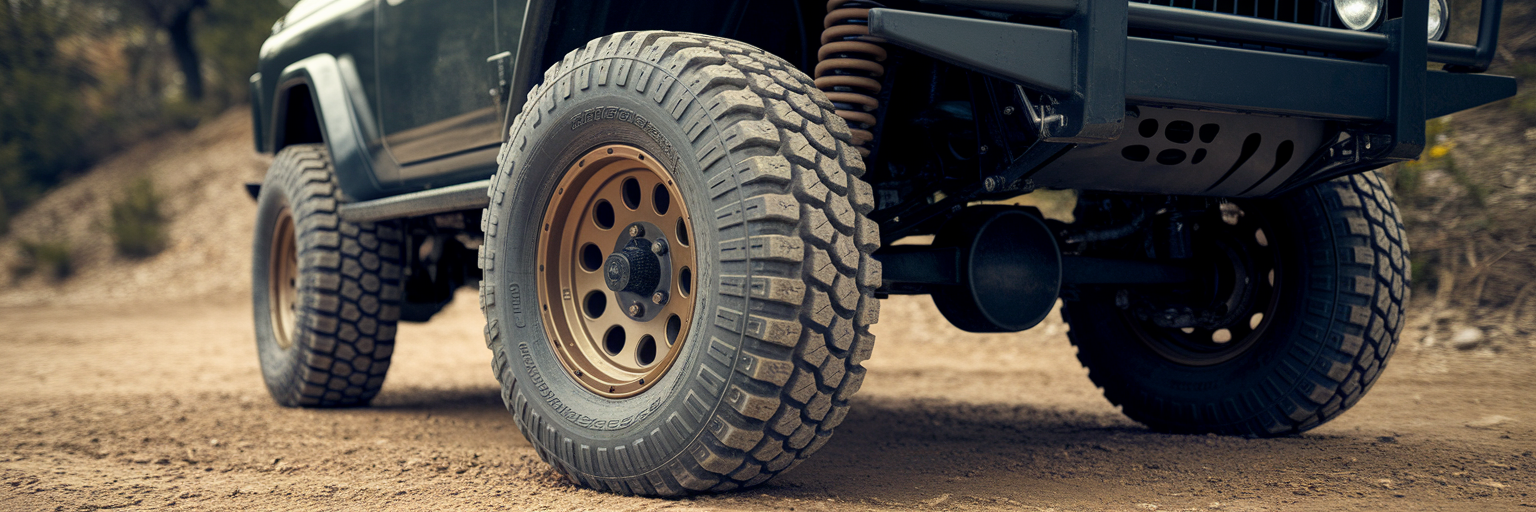
Once you have confirmed your vehicle is in excellent mechanical shape, you can begin considering upgrades that enhance its capability and durability. This is where you invest in hardware to tackle more challenging terrain. These all-terrain vehicle mods transform a stock vehicle into a more confident and resilient machine, but they should be chosen based on your specific needs.
The first and most critical modification is underbody protection. Think of skid plates as body armor for your vehicle’s vital organs. They shield the engine’s oil pan, the transmission, the transfer case, and the fuel tank from rocks and stumps that can cause trip-ending damage. A single, well-placed impact on an unprotected component can be a costly and difficult trailside repair.
With the underbelly protected, focus on suspension. Upgrading to heavy-duty shocks and springs not only improves ride quality on rough surfaces but also increases ground clearance. Even a modest two or three inch lift can significantly improve your vehicle’s approach and departure angles, allowing you to clear obstacles without scraping your bumpers. This is a popular first step for many owners of capable platforms, such as the upcoming 2026 Jeep Grand Cherokee.
Tires are your only point of contact with the ground, so choosing the right ones is crucial. The decision often comes down to All-Terrain (AT) versus Mud-Terrain (MT) tires, each with distinct trade-offs.
| Characteristic | All-Terrain (AT) Tires | Mud-Terrain (MT) Tires |
|---|---|---|
| On-Road Noise | Quieter, suitable for daily driving | Noticeably louder due to large tread blocks |
| Off-Road Traction | Good on gravel, light mud, and rocks | Excellent in deep mud, loose soil, and on rocks |
| Tread Life | Longer lifespan, often 40,000+ miles | Shorter lifespan, wears faster on pavement |
| Best Use Case | Versatile for mixed on-road and moderate off-road use | Primarily for dedicated off-road vehicles facing extreme conditions |
Finally, advanced equipment like snorkels for deep water crossings or heavy-duty steel bumpers for recovery situations are for specific, advanced uses. Beginners should understand that these are not necessary for starting out. Build your vehicle progressively as your skills and ambitions grow.
Packing Your Recovery and Safety Essentials
On a remote trail, you are your own first responder. There is no roadside assistance to call, so self-sufficiency is not optional. Packing the right recovery and safety equipment is just as important as preparing your vehicle. This off-road essentials checklist is your guide to being prepared for the unexpected. The goal is to have the tools to get yourself out of a difficult situation safely.
Your vehicle recovery kit is your primary lifeline. It should contain a few non-negotiable items:
- Recovery Strap: This is designed to stretch and use kinetic energy to pull a stuck vehicle free. It is not the same as a static tow rope.
- D-Ring Shackles: These provide strong, secure connection points for your recovery strap to the vehicle’s frame-mounted recovery points.
- High-Lift or Bottle Jack: A standard car jack is often useless on uneven ground; these provide the extra height needed for tire changes or recovery.
- Shovel: Its value becomes immediately clear when you need to dig out mud, sand, or snow from around your tires.
Next, assemble a kit for trailside repairs. Mechanical issues can happen, from simple punctures to more complex problems. Being prepared can turn a potential disaster into a minor inconvenience. Sometimes, the issue is as simple as figuring out why your car will not start, which could be a loose battery terminal you can fix on the spot.
- Portable Air Compressor: This is essential for re-inflating your tires after you have aired down for better traction on the trail.
- Tire Plug Kit: This is your first line of defense against a puncture, allowing you to make a quick and effective repair.
- Basic Automotive Tool Set: A compact kit with common wrench and socket sizes for your specific vehicle can handle many simple repairs.
Finally, never forget the human element. Your personal off-road safety gear is critical. Pack a comprehensive first-aid kit, a fire extinguisher, several gallons of extra water, non-perishable food, and a reliable headlamp or flashlight. Trail conditions and weather can change in an instant, and being personally prepared is paramount.
Navigation and Communication Beyond Cell Service
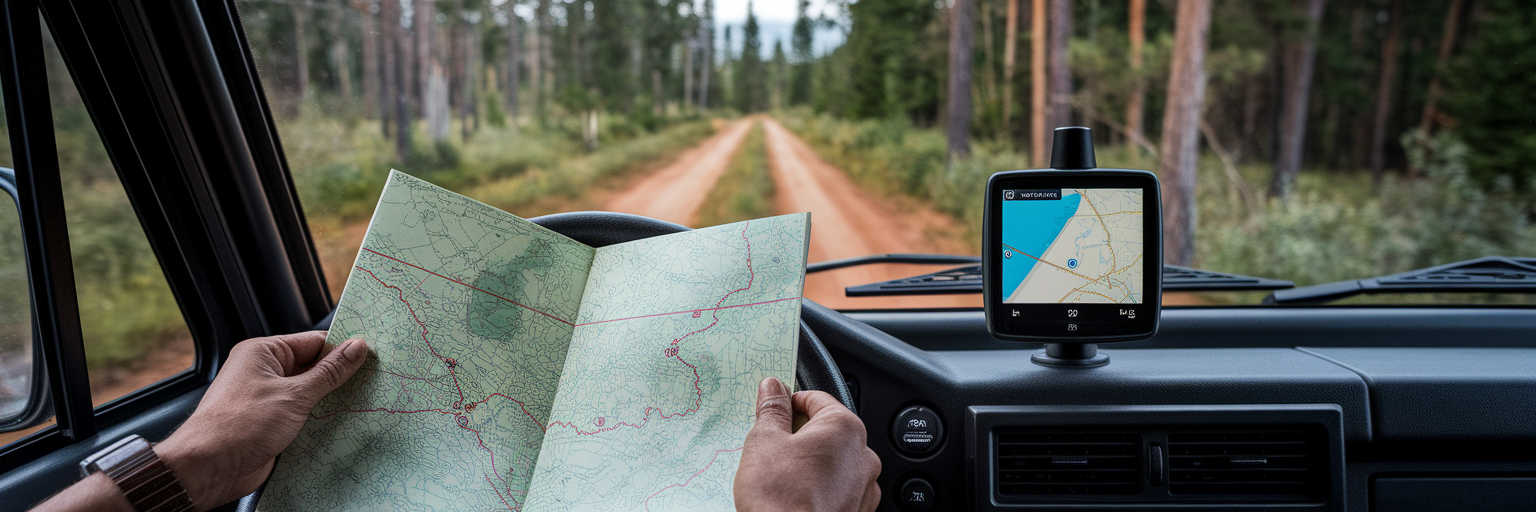
Once you leave paved roads behind, you can almost guarantee you will also leave cell service behind. Relying solely on your smartphone for navigation is a recipe for getting lost. A smart off-roader builds redundancy into their navigation and communication systems, ensuring they can always find their way and call for help if needed.
Adopt a multi-layered navigation strategy. Your primary tool should be a dedicated GPS unit loaded with offline topographical maps of the area you plan to explore. These devices are more rugged than a phone and are designed to work without a cell signal. As a backup, carry physical paper maps of the area and a simple magnetic compass. This combination is foolproof. Even if your electronics fail, you can still orient yourself and find your way. A crisis is the worst time to learn how to read a map, so practice with it beforehand.
For communication, it is important to have the right tool for the right job. A satellite messenger, such as a Garmin inReach or Zoleo, is for emergencies. These devices can send an SOS signal with your location to emergency responders and allow you to send and receive text messages from anywhere in the world. For vehicle-to-vehicle communication within your group, GMRS or CB radios are essential. They allow you to coordinate movements, warn others of upcoming obstacles, and check in on the driver behind you, which is crucial for safety and efficiency on the trail.
Before you leave, create a detailed trip plan and leave it with a trusted person who is not going with you. This itinerary should include your planned route, key waypoints, your estimated time of return, a description of your vehicle, and a list of everyone in your party. This simple step is a critical safety net that ensures someone knows where you are and when to expect you back.
Final Preparations and Responsible Trail Practices
With your vehicle inspected, modified, and packed, the final step is a pre-launch ritual that ensures everything is ready for the trail. This last phase of off-road vehicle preparation bridges the gap between planning and execution, combining a final readiness check with the mindset needed for responsible exploration. The adventure begins the moment you start your engine, so start it right.
The day before your trip, perform a final walk-around. Check that all belts are free of cracks and that hoses feel firm, not soft or spongy. Test all your lights, including headlights, brake lights, and turn signals. Inside the vehicle, ensure all your packed gear is securely tied down. Loose items can become dangerous projectiles during sudden stops or on steep inclines and can also obstruct your visibility.
Before you hit the first obstacle, it helps to understand two fundamental driving techniques. The first is “airing down,” or lowering the air pressure in your tires. This increases the tire’s footprint, providing significantly better traction on sand, rocks, and mud, while also smoothing out the ride. The second is “choosing a line,” which is the art of carefully selecting the safest and most stable path through an obstacle rather than using momentum to power through it.
Just as important as your own safety is the health of the environment you are exploring. Following the principles of Tread Lightly! is essential for preserving trail access for everyone. According to Tread Lightly!, responsible recreation is key to our outdoor future. The core tenets include:
- Travel responsibly on designated routes and trails.
- Respect the rights of others, including private landowners and other recreationists.
- Avoid sensitive areas like meadows, lakeshores, and cultural sites.
- Do your part by packing out everything you pack in.
Finally, understand your vehicle’s specific features. Many modern trucks and SUVs come with advanced 4WD systems. Know the difference between 4-High, used for slippery surfaces like snow or gravel at moderate speeds, and 4-Low, which multiplies torque for crawling over difficult obstacles. If your vehicle has locking differentials or special traction control modes, test them in a safe, controlled area before you need them on a challenging trail.
Post-Adventure Vehicle Care and Inspection
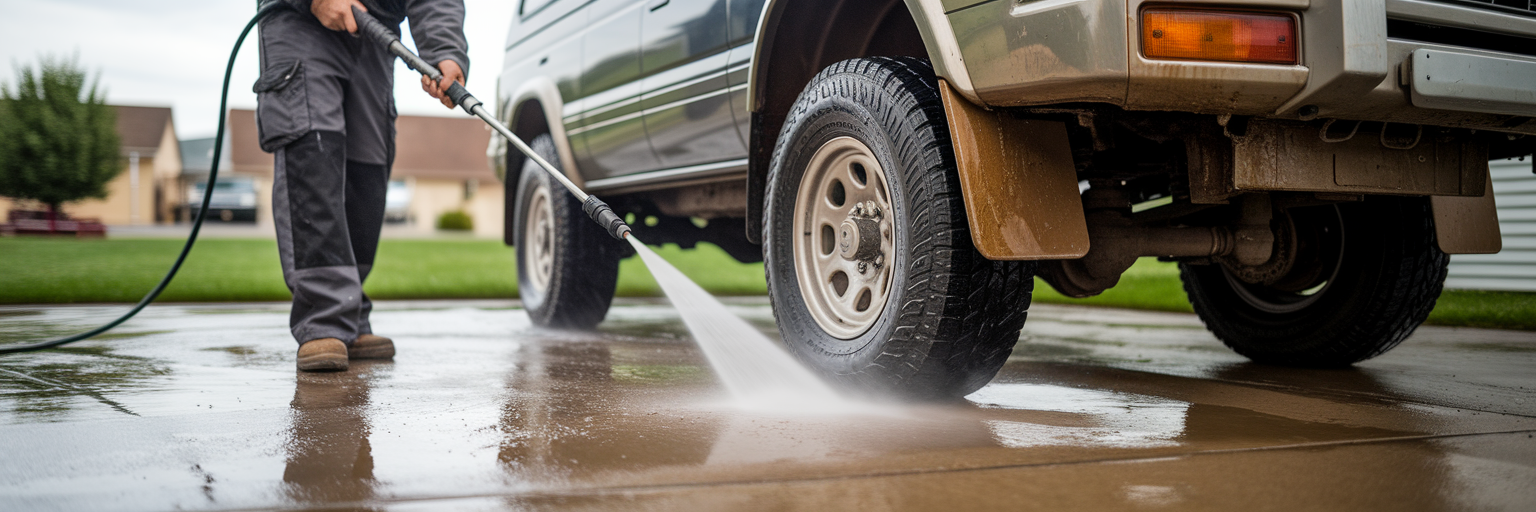
The adventure is not truly over when you return to the pavement. Proper post-trip care is essential for maintaining your vehicle’s longevity and ensuring it is ready for the next outing. This process closes the loop, turning one successful trip into a foundation for many more to come. Neglecting this step can lead to long-term damage that is expensive to fix.
Your first task is a thorough cleaning, and this is about more than just aesthetics. Use a pressure washer to remove all caked-on mud and debris from the undercarriage, frame, suspension components, and wheel wells. Trapped mud holds moisture against metal surfaces, which dramatically accelerates rust and corrosion. What you cannot see can hurt your vehicle’s structural integrity over time.
Once the vehicle is clean, it is time for a detailed post-trip inspection. This process should mirror your pre-trip check, but now you are looking for new damage. Examine your skid plates for fresh dents and scrapes that tell you they did their job. Inspect your tires again for any new cuts or punctures. Look carefully under the vehicle for any new fluid leaks from the engine, transmission, or differentials. Check that all steering and suspension components are still tight and secure.
With the inspection complete, replenish and repair. Top off all fluids that are low, and make any necessary repairs promptly. Clean your recovery straps, shackles, and other gear, and store them properly so they are ready for the next trip. This “reset” process ensures your vehicle and equipment are always in a state of readiness. Finally, document your trip. Keep a simple log of any issues you encountered, any performance limitations you noticed, or any gear you wished you had. This log becomes an invaluable guide for prioritizing future repairs and planning your next modifications. For more insights on vehicle maintenance and automotive news, exploring a comprehensive resource like Carphanatics.com can provide ongoing value.