The rivalry between Hyundai and Kia has become one of the most compelling stories in the automotive world. Born from the same corporate parent, their vehicles often share foundational engineering, yet they emerge with distinctly different personalities. This is especially true in the heated contest of the 2026 Hyundai Tucson vs Kia Sportage, where two mechanically similar SUVs appeal to very different drivers.
Powertrain Options and On-Road Performance
At their core, the Tucson and Sportage are built on the same platform, sharing engines and transmissions. However, the way each brand tunes and packages these components reveals their unique approach to the driving experience. One prioritizes a smooth, refined ride, while the other leans into a slightly more engaging, responsive feel. Understanding these nuances begins with a look at the objective performance data.
Shared Foundations, Divergent Philosophies
Both SUVs offer a trio of powertrain choices: a standard gasoline engine, a conventional hybrid, and a plug-in hybrid (PHEV). While the hardware is nearly identical, subtle differences in calibration and packaging create distinct driving characteristics. This choice is less about which is faster and more about which powertrain aligns with your daily driving needs and long-term budget.
Gasoline Engine Breakdown
The standard engine in both the Tucson and Sportage is a 2.5-liter four-cylinder producing approximately 187 horsepower. This setup is designed for reliable, everyday commuting. From a standstill, acceleration is adequate for city driving, but you might find yourself planning highway overtakes. The power delivery is smooth and predictable, though neither vehicle feels particularly athletic with this base engine. It gets the job done without fuss, which is precisely what many buyers in this segment are looking for.
Hybrid and PHEV Powertrain Comparison
The hybrid and PHEV models are where things get more interesting. Both use a 1.6-liter turbocharged engine paired with an electric motor. The conventional hybrid delivers around 226 horsepower, while the PHEV bumps that figure to a more robust 261 horsepower. The instant torque from the electric motor makes these versions feel significantly quicker off the line than their gasoline counterparts. The turbocharger provides strong mid-range power for confident merging and passing. These powertrains are so competitive they stand out even among some of our favorite hybrid SUVs under $35k. The Tucson’s hybrid system often feels calibrated for seamless, quiet operation, while the Sportage can feel a touch more eager to respond.
Fuel Efficiency Across the Board
For many buyers, the decision comes down to long-term running costs. The gasoline models for both SUVs hover around 28 MPG combined, a respectable figure for the class. Stepping up to the hybrid models brings a significant improvement, with the Tucson Hybrid achieving an estimated 33 MPG combined. The PHEV versions are the efficiency champions, offering over 30 miles of all-electric range before the gasoline engine kicks in, making them ideal for drivers with short commutes who can charge at home.
Towing and Hauling Capabilities
Here we find a key practical difference. While most configurations of both SUVs are rated to tow 2,000 pounds, the gasoline-powered Kia Sportage X-Pro trim boasts a higher capacity of 2,500 pounds. That extra 500 pounds can be the deciding factor for families who need to pull a small boat, a pair of jet skis, or a loaded utility trailer. It’s a nod to the Sportage’s slightly more rugged positioning. While this capability is useful, buyers needing serious pulling power might still explore how some of our top-rated 2025 trucks offer the best towing and fuel economy for more demanding tasks.
2026 Hyundai Tucson vs. Kia Sportage Powertrain Comparison
| Powertrain | Engine Type | Combined Horsepower | EPA-Estimated Combined MPG | Max Towing Capacity |
|---|---|---|---|---|
| Tucson Gasoline | 2.5L 4-Cylinder | ~187 hp | ~28 MPG | 2,000 lbs |
| Sportage Gasoline | 2.5L 4-Cylinder | ~187 hp | ~28 MPG | 2,500 lbs |
| Tucson Hybrid | 1.6L Turbo Hybrid | ~226 hp | ~33 MPG | 2,000 lbs |
| Sportage Hybrid | 1.6L Turbo Hybrid | ~227 hp | ~32 MPG | 2,000 lbs |
| Tucson PHEV | 1.6L Turbo PHEV | ~261 hp | ~80 MPGe / ~35 MPG | 2,000 lbs |
| Sportage PHEV | 1.6L Turbo PHEV | ~261 hp | ~84 MPGe / ~35 MPG | 2,000 lbs |
Driving Dynamics and Ride Quality
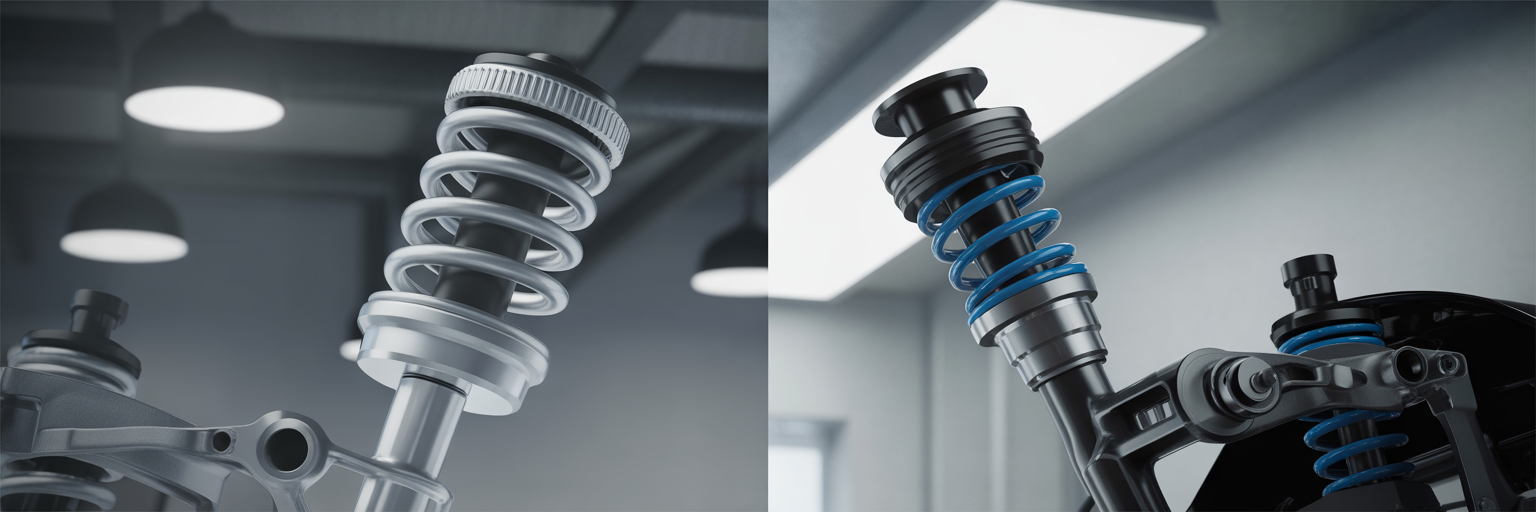
Beyond the engine specifications, the on-road experience is shaped by suspension, steering, and cabin refinement. This is where the shared platform gives way to two distinct driving personalities. The answer to the question of Tucson or Sportage which is better often depends on whether you prioritize serene comfort or a more connected driving feel.
Suspension Tuning and Comfort
The Hyundai Tucson is tuned with an emphasis on comfort. Its suspension does an excellent job of absorbing road imperfections, from jarring potholes to uneven pavement on the highway. The ride feels composed and relaxed, making it an ideal companion for long road trips or daily commutes on less-than-perfect roads. The Kia Sportage, particularly in its X-Line and X-Pro trims, has a slightly firmer suspension. You feel more of the road surface, which some drivers prefer as it provides a greater sense of connection to the vehicle, but it comes at the cost of some ride comfort.
Handling and Cornering Stability
That firmer suspension gives the Sportage a slight edge in handling agility. It exhibits less body roll in corners and feels a bit more eager to change direction. Its steering feels direct and responsive. The Tucson, while perfectly stable and secure, feels more like a traditional SUV. It prioritizes stability over sportiness, with lighter steering that makes it easy to maneuver in parking lots but offers less feedback on winding roads. Neither is a sports car, but the Sportage feels more willing to play.
Cabin Noise and Overall Refinement
Both vehicles offer quiet cabins for their class, but the Tucson generally feels a step ahead in overall refinement. Hyundai has invested heavily in sound-deadening materials, resulting in a cabin that effectively isolates you from wind and road noise, especially at highway speeds. This contributes to its premium, relaxed atmosphere. The Sportage is by no means loud, but you might notice a bit more engine noise under hard acceleration and slightly more tire noise on coarse pavement.
Braking Performance and Feel
Braking in both SUVs is confident and predictable. However, the hybrid and PHEV models introduce the complexity of regenerative braking, which captures energy to recharge the battery. The Tucson’s system is exceptionally smooth, with an almost imperceptible transition between regenerative and mechanical braking. This creates a very natural and confidence-inspiring pedal feel. The Sportage’s system is also well-executed, but some drivers may notice the transition more, making the pedal feel slightly less linear at times.
A Look Inside: Cabin Design and Practicality
Stepping inside the Tucson and Sportage reveals two completely different approaches to interior design. One embraces a futuristic, open-concept layout, while the other opts for a more traditional, driver-focused cockpit. This is where personal preference plays a huge role, as both cabins are well-built and highly functional.
Contrasting Interior Design Philosophies
The Hyundai Tucson’s interior is defined by its “waterfall” center console, where the large touchscreen and climate controls flow seamlessly into the lower console. The design is clean, modern, and creates a sense of open space. In contrast, the Kia Sportage features a more driver-centric layout, dominated by a massive curved display that integrates the digital instrument cluster and the main infotainment screen. This design wraps around the driver, creating a cockpit-like feel that is both immersive and functional.
Materials, Fit, and Finish
Both brands have made significant strides in material quality. Higher trims in both SUVs feature soft-touch surfaces, convincing synthetic leather, and tasteful gloss black or metallic accents. The Kia Sportage interior features often include interesting textures and patterns that give the cabin a unique character. The Tucson’s interior feels a bit more minimalist and elegant. Fit and finish in both are excellent, with tight panel gaps and a solid, durable feel throughout. You would be hard-pressed to find a poorly assembled component in either vehicle.
Passenger Space and Comfort
When it comes to passenger room, both SUVs offer generous space for front and rear occupants. However, the Tucson holds a slight advantage in rear-seat legroom. That extra inch or two can make a noticeable difference for taller passengers or families installing bulky child seats. Both offer reclining rear seats, a welcome feature for long journeys. Front-seat comfort is excellent in both, with supportive seats and plenty of adjustability.
Cargo Capacity and Versatility
For those who need to haul gear, the Tucson offers a clear advantage. With the rear seats folded down, it provides a cavernous 80.3 cubic feet of cargo space, compared to the Sportage’s 74.1 cubic feet. That 6-cubic-foot difference is enough for several extra duffel bags or a large cooler. The Tucson’s cargo area is also slightly wider and more uniformly shaped, making it easier to load bulky items. Making these kinds of direct comparisons is crucial, and exploring other vehicle comparisons we’ve conducted can help put these numbers into a broader context.
Infotainment and In-Car Technology
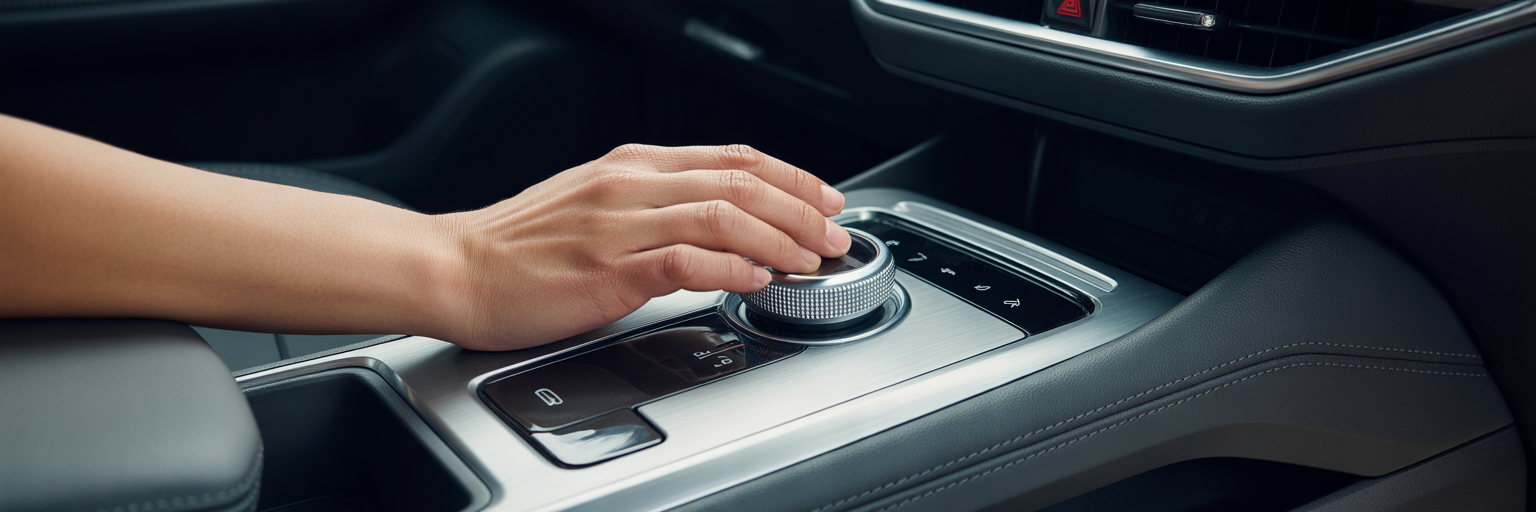
This is where the battle for supremacy truly heats up. Both Hyundai and Kia pack their SUVs with an impressive array of technology, but the Tucson pushes the envelope with a few exclusive features that position it as the best compact SUV for tech in this head-to-head matchup.
The Battle of the Touchscreens
Both vehicles can be equipped with large 12.3-inch infotainment touchscreens that are bright, sharp, and responsive. However, the Tucson offers a larger screen on more of its trim levels, while the base Sportage comes with a smaller 8-inch unit. The user interface on both systems is logical and easy to learn, but the Tucson’s software has a slightly more modern and polished aesthetic. It feels less like a car infotainment system and more like a high-end tablet.
Exclusive Tech Features
The Hyundai Tucson sets itself apart with a couple of standout features not available on the Sportage. The first is Hyundai Pay, a system that allows you to pay for parking and fuel directly from the car’s touchscreen. The second is a fingerprint scanner, which can be used to start the vehicle and load personalized driver profiles for seat position, radio presets, and more. These aren’t just novelties; they are genuinely useful conveniences that make the vehicle feel more integrated with a modern, connected lifestyle.
Connectivity and Smartphone Integration
Both SUVs offer Apple CarPlay and Android Auto, but there’s a frustrating catch: on models with the larger screens and built-in navigation, the connection requires a USB cable. Only the base models with smaller screens get wireless connectivity. Both vehicles offer wireless charging pads and plenty of USB ports for all passengers. The Hyundai Blue Link and Kia Connect companion apps provide similar functionality, allowing you to remotely start the car, lock the doors, and check vehicle status from your phone.
Audio System Performance
For audiophiles, the choice comes down to brand preference. The Tucson offers a premium Bose audio system, while the Sportage features a system from Harman Kardon. Both are excellent and represent a significant upgrade over the standard stereos. The Bose system is often praised for its deep, powerful bass and immersive soundstage, while the Harman Kardon system is known for its crisp, clear highs and balanced audio profile. The best way to decide is to listen to both.
Key Tech Feature Comparison
- Max Touchscreen Size: Tucson (12.3-inch) vs. Sportage (12.3-inch available, 8.0-inch standard)
- Exclusive Features: Tucson offers a fingerprint scanner and Hyundai Pay; Sportage does not.
- Digital Instrument Cluster: Both offer fully digital clusters, but the Tucson’s interface is often cited as more futuristic.
- Premium Audio: Tucson (Bose) vs. Sportage (Harman Kardon)
- Remote App Suite: Hyundai Blue Link vs. Kia Connect (largely similar functionality)
Advanced Safety Systems and Official Ratings
Safety is a top priority for families, and both Hyundai and Kia deliver with comprehensive suites of standard and available driver-assistance features. While the core technologies are shared, their real-world application and official safety ratings can help buyers make a final decision.
Standard Driver-Assistance Suites
Both the Tucson and Sportage come standard with robust safety packages, branded as Hyundai SmartSense and Kia Drive Wise, respectively. These suites include the most critical modern safety features, ensuring a strong baseline of protection across all trim levels. There is very little difference between the standard offerings on either vehicle.
Standard Safety Suite Comparison: SmartSense vs. Drive Wise
- Forward Collision-Avoidance Assist with Pedestrian Detection
- Lane Keeping Assist & Lane Following Assist
- Driver Attention Warning
- Rear Occupant Alert
- High Beam Assist
Comparing Advanced and Optional Features
On higher trims, both SUVs offer more advanced systems like Highway Driving Assist, which combines adaptive cruise control with lane centering for semi-autonomous driving on highways. Both also offer a Blind-Spot View Monitor, which displays a live camera feed of your blind spot in the instrument cluster when you activate the turn signal. These systems work exceptionally well in both vehicles, reducing driver fatigue on long trips.
Interpreting Safety Scores
Both the Insurance Institute for Highway Safety (IIHS) and the National Highway Traffic Safety Administration (NHTSA) are the gold standard for vehicle safety ratings in the U.S. Historically, both the Tucson and Sportage have performed very well in crash tests. However, as publications like What Car? have noted in past reviews, the Tucson has often secured top ratings, sometimes giving it a slight edge for the most safety-conscious buyers.
Real-World Usability
Beyond the ratings, it’s important to consider how these systems feel in daily use. Both Hyundai and Kia have done a great job of calibrating their safety alerts to be helpful without being overly intrusive. The lane-keeping assist is gentle in its corrections, and the adaptive cruise control maintains a smooth, natural following distance in traffic. You feel like the systems are there to help, not to annoy.
Long-Term Ownership and Overall Value
A smart vehicle purchase considers more than just the sticker price. Warranty, reliability, and resale value all play a crucial role in the total cost of ownership. Here, the two corporate cousins are closely matched, but a few key details could sway your decision.
Warranty Coverage Deep Dive
Both Hyundai and Kia are famous for their industry-leading 10-year/100,000-mile powertrain warranty, which provides incredible peace of mind. However, there is one important difference in their coverage. Hyundai offers 5 years of roadside assistance with unlimited mileage, while Kia’s coverage is capped at 60,000 miles. For drivers who cover long distances annually, Hyundai’s unlimited-mileage plan is a significant advantage.
Reliability and Brand Reputation
Over the past decade, both brands have built a stellar reputation for dependability. The conversation around Hyundai Tucson reliability is consistently positive, with owners reporting high satisfaction and few unexpected issues. Both brands frequently rank near the top of industry reliability studies. While you can’t go wrong with either, some long-term data suggests Hyundai holds a slight edge in owner-reported satisfaction.
Analyzing the Price-to-Feature Ratio
Typically, the Kia Sportage has a slightly lower starting price than the Tucson. This can make it an attractive option for budget-conscious buyers. However, as you move up the trim levels, the Tucson often bundles more desirable features as standard equipment. This means a mid-tier Tucson might offer better overall value than a similarly priced Sportage, especially for buyers who prioritize technology and comfort features. Understanding the nuances of different automotive brands we cover and their pricing strategies is key to finding the best deal.
Resale Value and Cost of Ownership
Both the Tucson and Sportage are expected to hold their value well, thanks to their strong reliability, long warranties, and desirable features. Historically, there has been little difference in their depreciation rates. Factors like fuel efficiency, insurance costs, and routine maintenance are also very similar between the two. The long-term financial picture is bright for both SUVs, making either a sound investment.
The Verdict For The Tech-Focused Driver
After comparing powertrains, driving dynamics, interiors, and long-term value, the choice between the 2026 Hyundai Tucson and Kia Sportage comes down to priorities. Both are excellent compact SUVs that lead the class in many respects. But for the driver who values a cutting-edge digital experience above all else, one vehicle stands out.
Synthesizing the Technological Differences
While both offer large screens and advanced driver aids, the Tucson creates a more cohesive and futuristic tech environment. Its “waterfall” console, fully digital instrument cluster, and polished user interface feel a generation ahead. The entire cabin is designed around its technology, making it feel more integrated and intuitive.
The Impact of Exclusive Features
The Tucson’s exclusive features, like Hyundai Pay and the fingerprint scanner, are more than just party tricks. They represent a forward-thinking approach to vehicle technology, aiming to simplify the owner’s life by integrating the car more seamlessly with their digital world. These are the kinds of features that, once you use them, you won’t want to live without.
Defining the Tech-Forward Choice
For the buyer who wants their vehicle to feel like an extension of their smartphone, with the most advanced and convenient features available, the 2026 Hyundai Tucson is the clear winner. It delivers a more premium, sophisticated, and feature-rich technology package that makes it the best compact SUV for tech in this comparison.
Final Recommendation and Audience Suitability
So, to answer the question of Tucson or Sportage which is better, it depends on you.
If you are a tech enthusiast who prioritizes a futuristic cabin, maximum cargo space, and the latest convenience features, choose the Hyundai Tucson.
If you are a pragmatic buyer who values a slightly lower entry price, a more engaging driving feel, and the utility of higher towing capacity, the Kia Sportage is an outstanding choice.