At their core, the Kia Telluride and Hyundai Palisade are born from the same blueprint. Both are built on the identical third-generation N3 platform, which means they share the same wheelbase, powertrain, and fundamental structure. This fact often leads people to believe they are simply the same vehicle with different badges, but that assumption misses the point entirely. This is not a simple case of badge engineering. Instead, Hyundai and Kia have deliberately invested in creating two distinct brand identities that cater to different buyer priorities.
The Telluride projects a rugged, adventurous spirit. Its boxy, assertive styling speaks to capability and a readiness for the outdoors. It has a confident stance that looks just as at home parked at a trailhead as it does in a suburban driveway. In contrast, the Palisade is crafted to deliver a more refined, near-luxury experience. Its elegant lines and sophisticated presence aim for a different kind of appeal, one that whispers quiet confidence rather than shouting it. The two vehicles represent divergent philosophies on what a modern family hauler should be.
This comparison will explore how these different philosophies manifest in the real world. We will examine the nuances of their exterior styling, the philosophy behind their interior material choices, the subtle but significant differences in suspension tuning, and how each brand packages its technology. The central question we aim to answer is this: how can two mechanically similar vehicles offer such different experiences, and which one better delivers a truly upscale feel?
Engine Performance and Driving Dynamics
To understand where these two SUVs diverge, we must first establish where they are identical. Under the hood of both the Telluride and Palisade lies the same heart: a 3.8-liter Lambda II GDi V6 engine. This powertrain produces an identical 291 horsepower and 262 lb-ft of torque in both applications. There is no performance advantage to be found on the spec sheet. This naturally aspirated engine is known for its smooth and linear power delivery, a welcome characteristic in a family-focused vehicle. It avoids the sometimes jerky or unpredictable nature of smaller turbocharged engines, providing confident acceleration for highway merging and passing.
Both models pair this engine with an 8-speed automatic transmission that is competent and generally imperceptible during daily driving. The shifts are smooth and well-timed, contributing to a relaxed driving experience. While the hardware is the same, there can be subtle differences in the transmission’s programming. The Telluride, in its Sport mode, might be tuned for a slightly more responsive feel to align with its rugged image, holding gears a fraction longer. The Palisade, on the other hand, prioritizes ultimate smoothness across all driving modes, ensuring shifts are never felt by the occupants.
In real-world use, this translates to nearly identical acceleration. Both SUVs feel capable and unstressed, whether pulling away from a stoplight or carrying a full load of passengers and cargo. Their shared platform also gives them an identical towing capacity of up to 5,000 pounds when properly equipped, reinforcing their equal utility for family adventures. This level of capability is impressive for the segment, though for those with more demanding needs, exploring which 2025 trucks offer the best towing and fuel economy can provide additional context on the market. From a powertrain perspective, the Kia Telluride vs Hyundai Palisade debate is a draw. The true differentiation is found not in how they go, but in how they feel along the way.
Ride Comfort and Cabin Serenity
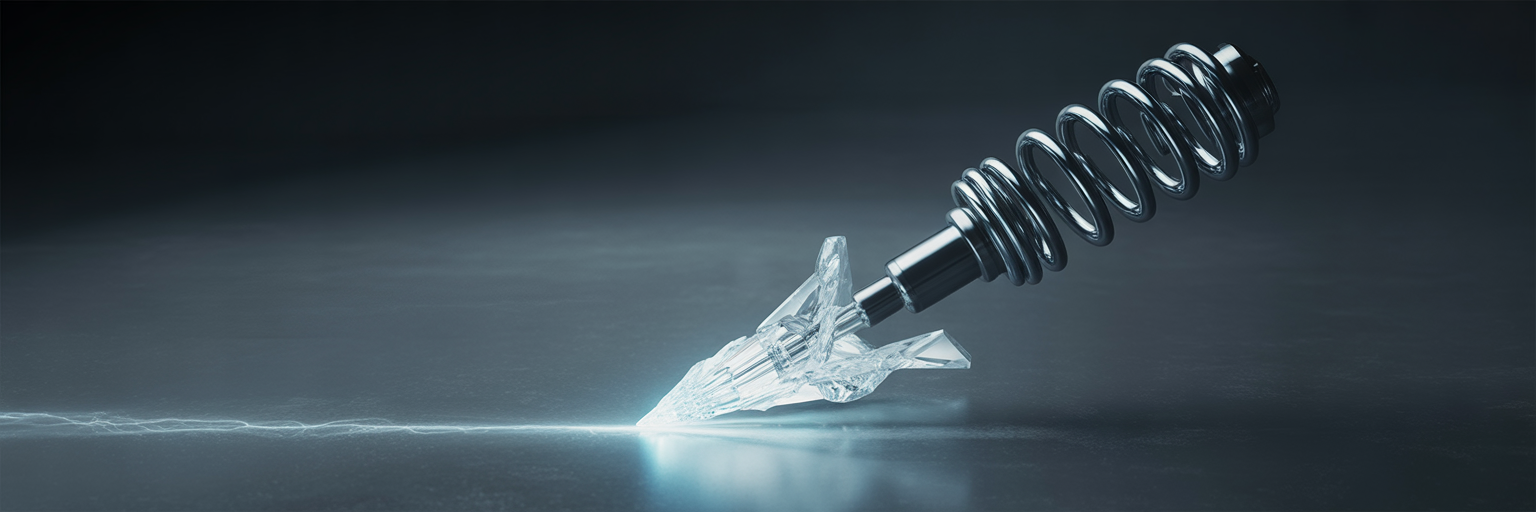
Here is where the distinct personalities of the Telluride and Palisade truly begin to emerge. Despite sharing a common architecture, suspension tuning is a closely guarded secret unique to each model, and it creates the first major point of differentiation. The Hyundai Palisade’s ride is engineered to be distinctly plusher and more absorbent. It feels like it was designed with one primary goal: to isolate occupants from the road. It glides over minor imperfections and softens the impact of larger bumps, aiming to replicate the serene ride of a genuine luxury vehicle. As noted in a first drive review from MotorTrend, this refined suspension tuning contributes significantly to a more comfortable experience on long drives.
The Kia Telluride offers a contrasting experience. Its suspension is tuned to be firmer and more communicative. This is not a flaw but a deliberate choice that gives the driver a more planted and stable feel. You feel more of the road’s texture through the steering wheel and chassis, which some drivers prefer as it creates a sense of connection to the vehicle and the road surface. The best way to describe the difference is through an analogy: the Palisade offers isolated comfort, while the Telluride provides connected stability.
This difference is amplified by cabin quietness. The Palisade often incorporates more extensive sound-deadening measures to achieve its premium ambitions. This includes details like acoustic laminated glass for the front side windows and additional insulation in the firewall and wheel wells. The result is a demonstrably quieter cabin at highway speeds, which is a key metric for any vehicle aspiring to be an upscale midsize SUV. On a long family road trip across the interstate, the Palisade’s quietness can significantly reduce driver and passenger fatigue. The Telluride, while still quiet for its class, allows a bit more road and wind noise into the cabin, which again, may appeal to a driver who prefers a more engaged feel. It is in these tangible differences in ride and serenity that the Palisade’s upscale mission becomes clear.
Interior Design and Material Quality
Stepping inside these two SUVs reveals the most significant evidence of their divergent philosophies. The cabins are where designers use materials, layout, and ergonomics to create a specific feeling, and the contrast between the Telluride and Palisade is stark.
Design Philosophies: Rugged vs. Elegant
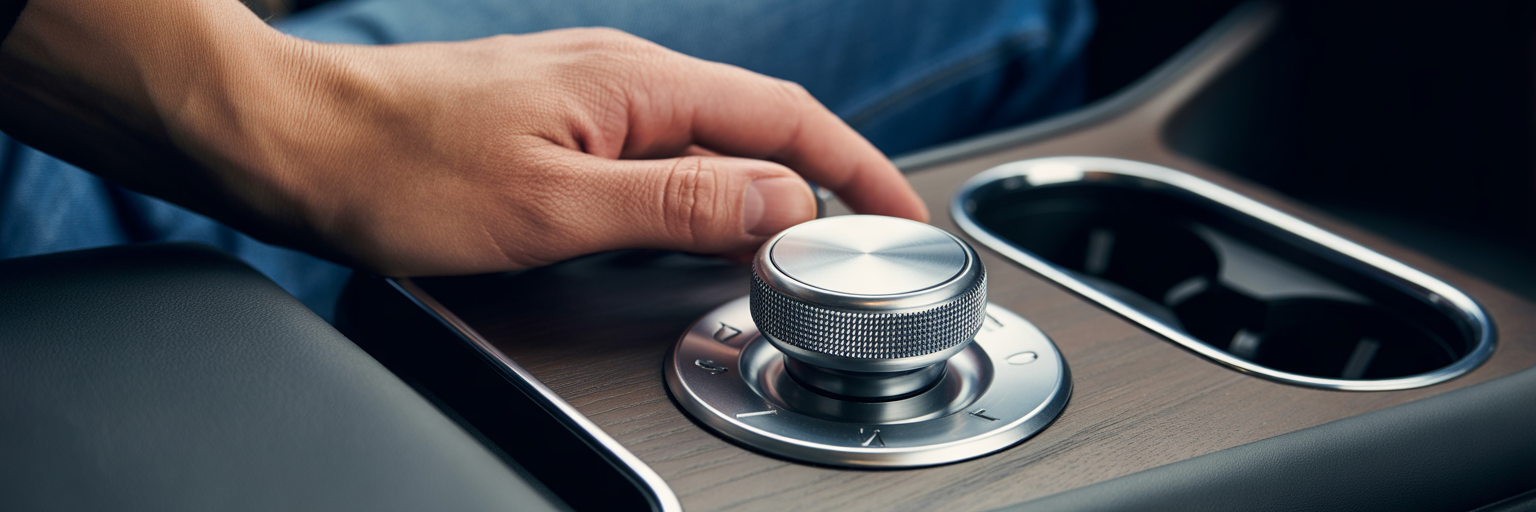
The 2026 Kia Telluride interior features a strong, horizontal layout that emphasizes width and functionality. It has a utilitarian-chic aesthetic, best exemplified by the prominent grab handles on the center console that signal its rugged intentions. The dashboard is straightforward and driver-focused, with controls that are easy to locate and use. In contrast, the Palisade’s interior pursues a more elegant and flowing design. Its signature “bridge-style” center console rises to meet the dashboard, creating a sophisticated, driver-centric cockpit that feels more like a premium sedan than a family SUV. The lines are softer, and the overall ambiance is one of airy, modern luxury.
A Deep Dive into Materials and Touchpoints
A perception of luxury is often built on what you can see and touch. Here, the Palisade makes a more convincing case. It employs a more generous use of soft-touch surfaces, especially on the lower door panels and dashboard where many competitors use hard plastic. When comparing the top trims, the Palisade Calligraphy and Telluride SX Prestige, the differences are clear. The Palisade Calligraphy often features premium quilted Nappa leather, a luxurious microfiber suede headliner, and authentic open-pore wood trim. The Telluride SX Prestige also offers high-quality Nappa leather, but it may use more hard plastics in less-visible areas and relies on convincing but simulated wood and metal finishes. While both are exceptionally well-built, the Palisade’s meticulous material selection feels a step above.
| Cabin Area | Hyundai Palisade Calligraphy | Kia Telluride SX Prestige |
|---|---|---|
| Dashboard | Extensive soft-touch surfaces, stitched accents | Soft-touch upper dash, some hard plastics on lower sections |
| Center Console Trim | Authentic open-pore wood trim | High-quality simulated brushed aluminum or wood grain |
| Seating Upholstery | Premium quilted Nappa leather | Premium Nappa leather with accent stitching |
| Headliner | Luxury microfiber suede | Standard cloth or premium woven fabric |
| Door Panels | Soft-touch materials on upper and lower sections | Soft-touch uppers, hard plastic lowers |
Note: This table compares typical material appointments in the highest trim levels. Specific materials can vary by model year and optional packages, but this represents the general philosophy of each brand’s approach to luxury.
Ergonomics and Practical Space
Beyond materials, practical comfort matters. In this area, the Palisade offers a tangible advantage for front-row occupants. As highlighted by sources like Hyundai of North Miami, the Palisade provides 44.1 inches of front legroom compared to the Telluride’s 41.4 inches. This nearly three-inch difference can be a deciding factor for taller drivers, providing a more comfortable and less cramped seating position. While both cabins are spacious and practical, the Palisade’s superior material quality and ergonomic advantage in the front row create a more convincingly luxurious environment.
Onboard Technology and Infotainment
In the modern automotive world, technology is as crucial to the premium experience as leather and wood. Both the Telluride and Palisade are tech-forward, with upper trims featuring large, 12.3-inch central touchscreens and 12.3-inch digital instrument clusters that create a sweeping, panoramic display. The core hardware and features are largely identical, so the differentiation comes down to the user experience.
Both SUVs run on Hyundai Motor Group’s excellent infotainment platform, but the software skins are different. Hyundai’s system is often perceived as having cleaner graphics and more intuitive menu structures. The color palette is typically more subdued, giving it a polished, premium feel. Kia’s interface, by contrast, often uses a sportier font and a more vibrant color scheme, which some may find more engaging but others might see as less sophisticated. Ultimately, this is a subjective choice, but the Palisade’s interface aligns more closely with traditional luxury aesthetics.
The digital instrument clusters in both vehicles are highly functional and configurable. They share the brilliant Blind-Spot View Monitor, a standout safety and convenience feature that displays a live video feed of the vehicle’s blind spot in the cluster when the turn signal is activated. Both models are also packed with convenience features like multi-device Bluetooth connectivity, numerous USB-C ports throughout the cabin, and wireless charging pads. However, the Palisade often includes thoughtful, family-friendly features that give it an edge. These can include the “Passenger Talk” in-car intercom system, which allows the driver to speak to third-row passengers through the audio system, or a more feature-rich head-up display (HUD). This detailed head-to-head analysis is a hallmark of in-depth automotive journalism, and for readers who appreciate these kinds of comparisons, you can explore our broader category of vehicle showdowns to see how other models stack up. This detailed look completes a thorough 2026 Hyundai Palisade review, showing that while the tech is similar, the Palisade’s refined execution gives it an upscale edge.
Premium Audio and Sound Experience
A key component of a premium cabin experience is the quality of the audio system. While the standard six-speaker systems in the lower trims of both the Telluride and Palisade are adequate for daily listening, the real story is in the upgraded systems available on top trims. This is another area where the two brands take slightly different approaches to deliver a high-end sound experience.
The Kia Telluride typically offers a Harman Kardon premium audio system, usually featuring 10 speakers. Harman Kardon is a well-respected name in audio, and the system delivers a sound signature that is powerful, clear, and has a strong bass response. It is a high-quality system that will satisfy the vast majority of listeners, filling the large cabin with rich, detailed sound that is a significant step up from the base offering.
The Hyundai Palisade, however, partners with a different audio giant, offering a Bose premium audio system, often with 12 speakers. The difference here is not just the two extra speakers. The Bose system is specifically engineered and tuned for the Palisade’s unique cabin acoustics. It frequently incorporates advanced technologies like Centerpoint surround sound, which creates a more immersive and enveloping soundstage for all occupants. It may also include Dynamic Speed Compensation, a feature that automatically adjusts volume and tone to counteract the effects of road and wind noise as the vehicle’s speed changes. Furthermore, the Bose brand name itself carries a certain premium cachet in the American market, which aligns perfectly with the Palisade’s overall luxury mission. While both systems are excellent, the Palisade’s Bose setup, with its higher speaker count, advanced processing, and brand recognition, is generally perceived as the more sophisticated and high-end offering.
Advanced Safety and Driver Assistance
Safety is a non-negotiable priority for any family vehicle, and both Kia and Hyundai have built their reputations on it. The Telluride and Palisade consistently earn top safety ratings from organizations like the Insurance Institute for Highway Safety (IIHS) and the National Highway Traffic Safety Administration (NHTSA). Both come equipped with a comprehensive suite of standard safety features that demonstrates their strong foundational commitment to occupant protection.
- Forward Collision-Avoidance Assist with Pedestrian Detection
- Lane Keeping Assist & Lane Following Assist
- Blind-Spot Collision-Avoidance Assist-Rear
- Rear Cross-Traffic Collision-Avoidance Assist
- Driver Attention Warning
- Safe Exit Assist
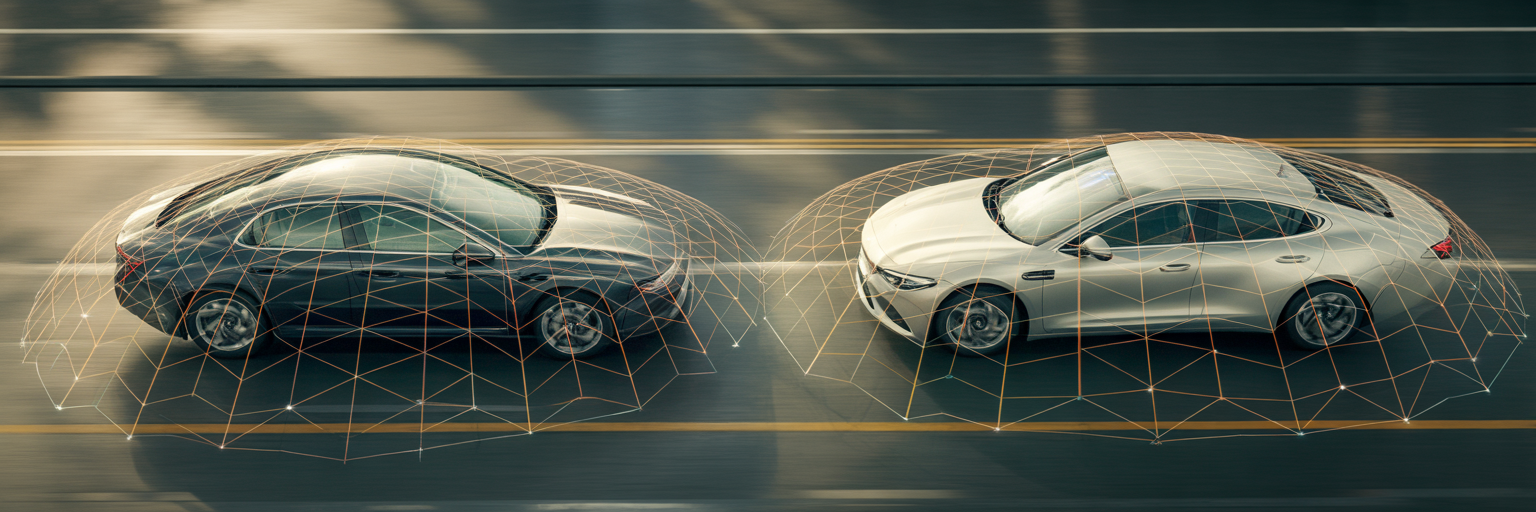
The core of the comparison in this category lies in their advanced driver-assistance systems (ADAS). The Kia Telluride features Highway Driving Assist (HDA), an excellent system that combines adaptive cruise control with lane-centering technology to reduce driver fatigue on long highway stretches. The Hyundai Palisade, however, often features the next-generation Highway Driving Assist 2 (HDA 2). As noted by experts at Car and Driver, this upgraded system gives the Palisade a technological advantage. HDA 2 adds valuable capabilities, such as lane-change assistance, where the vehicle can help steer into an adjacent lane when the driver activates the turn signal. It can also adjust its position within the lane if an adjacent vehicle gets too close, adding another layer of comfort and security. The packaging of these features can also differ, with Hyundai sometimes making HDA 2 available on more trim levels than Kia does with its system. While both SUVs are exceptionally safe, the Palisade’s access to the latest-generation assistance systems gives it a slight but meaningful edge, reinforcing its premium, tech-forward positioning.
Long-Term Reliability and Ownership
When considering a significant family purchase, long-term peace of mind is paramount. The debate over Palisade vs Telluride reliability is often a key consideration for buyers, but the reality is that both vehicles are built on a foundation of proven dependability. They share the same mature 3.8L V6 engine and 8-speed automatic transmission, components that have been in service for years and are known for their robustness. This shared, proven powertrain is a strong indicator of long-term reliability for both models.
The most significant equalizer in the ownership experience is the identical warranty offered by both brands. Kia and Hyundai provide America’s best warranty: a 10-year/100,000-mile powertrain warranty and a 5-year/60,000-mile basic limited warranty. This industry-leading coverage provides an equal level of confidence and is a major selling point for both SUVs. Understanding powertrain dependability is crucial, and learning about issues like the GM 6.2L engine recall highlights why having a proven engine and a strong warranty is so valuable.
Historical reliability data from trusted sources like J.D. Power and Consumer Reports generally shows both vehicles scoring well. There have been some historical nuances, such as reports of minor electronic glitches in some early model year Palisades, while the Telluride has maintained a very strong reliability track record since its debut. However, from a mechanical and warranty standpoint, the ownership proposition is a virtual tie. While the Palisade’s more complex technology could theoretically introduce more variables over time, both are considered highly reliable choices. This makes it clear that reliability should not be the deciding factor in the “upscale” debate; the choice comes down to the experience itself.
Defining Value and the Final Verdict
After examining every facet of these two exceptional SUVs, the final verdict comes down to how one defines “value.” The Kia Telluride and Hyundai Palisade offer two distinct types of value, and the right choice depends entirely on a buyer’s priorities. The Kia Telluride is the champion of functional value. It delivers bold styling, immense capability, and a vast list of features for a highly competitive price. It consistently feels like you are getting more than you paid for, making it the pragmatic, smart choice for families who want to maximize space, features, and capability for every dollar spent.
The Hyundai Palisade, on the other hand, offers experiential value. Its slightly higher price point is a direct and tangible investment in a more premium experience. That extra cost translates to a quieter, more serene ride, richer interior materials that delight the senses, and more polished technology that feels a generation ahead. It successfully delivers a luxury-brand experience without the luxury-brand price tag. So, which vehicle achieves a more convincing upscale and premium feel? The answer is the Hyundai Palisade. Its superiority in ride serenity, cabin quietness, and material quality are the defining factors that elevate it above its corporate cousin.
To make the choice clear, here is our final recommendation:
- Choose the Kia Telluride if: Your priority is maximizing features, space, and capability for the dollar. You want a vehicle with rugged, head-turning style that is arguably the best all-around family SUV for the money.
- Choose the Hyundai Palisade if: Your priority is a refined, quiet, and luxurious daily driving experience that pampers its occupants. It is the superior choice for those who value comfort and a premium feel and are willing to pay a modest premium for it.
Ultimately, the choice between these two excellent SUVs comes down to personal priorities. Both the Telluride and Palisade have fundamentally reshaped the best 3 row family SUV segment, forcing all competitors to improve on both value and luxury. At CarPhanatics, we provide a wide range of informative articles to help you make the best decision for your needs, but in this contest, the American consumer is the ultimate winner.