The compact SUV segment has long been defined by a fundamental choice: do you prioritize comfort and efficiency, or do you lean toward a more engaging driving experience? This question sits at the heart of the Nissan Rogue vs Ford Escape debate. Both vehicles are titans of the American road, but they approach their mission with distinctly different philosophies. One aims to be a serene, efficient sanctuary, while the other offers a spectrum of choices, including a surprisingly spirited option for those who still enjoy the drive. This 2026 compact SUV comparison will dissect their differences to help you find the right fit for your garage.
Powertrain and Performance Showdown
At the core of any vehicle’s personality is its engine. The powertrain dictates not just how quickly an SUV gets up to speed, but how it feels during every moment of a commute or road trip. The Rogue and Escape present two opposing strategies. Nissan bets everything on a single, highly advanced engine designed for balanced efficiency, whereas Ford provides a menu of options, allowing buyers to choose between economy, performance, or a blend of both.
Nissan Rogue’s Innovative Engine Philosophy
The 2026 Nissan Rogue is powered by a unique 1.5-liter VC-Turbo engine. Think of it as an engine that can change its personality on the fly. It intelligently alters its compression ratio, shifting between a power-focused mode for acceleration and an efficiency-focused mode for cruising. With 201 horsepower and a robust 225 lb-ft of torque, it delivers smooth and competent power for daily driving. It’s engineered for adequacy and economy, providing a linear and measured response when you press the accelerator. It gets the job done for merging onto highways and navigating city traffic, but it was never designed to deliver a thrill.
Ford Escape’s Versatile Engine Lineup
Ford takes a more traditional approach by offering a clear choice. The standard engine is a capable 1.5-liter EcoBoost three-cylinder with 180 horsepower, a solid, no-frills option for the budget-conscious buyer. However, the real story for those seeking a more spirited drive is the available 2.0-liter EcoBoost four-cylinder. This engine transforms the vehicle’s character, delivering a potent 250 horsepower and 280 lb-ft of torque. This is the key to the Ford Escape performance advantage, turning the practical SUV into something genuinely fun to drive. While Ford also offers hybrid powertrains, we will focus on those in the next section to keep the performance discussion clear.
A Head-to-Head Acceleration Comparison
When you drive them back-to-back, the difference is immediately apparent. The Escape with the 2.0-liter engine feels eager and responsive. There’s a punchy feel right off the line, and it pulls strongly through the gears, making you feel confident when passing or accelerating onto a fast-moving freeway. In contrast, the Rogue’s acceleration is best described as deliberate and composed. It builds speed smoothly and without drama, which is perfect for a relaxed drive but lacks the fun factor many drivers crave. It has plenty of power for everyday needs, but it never encourages you to push it.
Transmission Technology and Driving Feel
The transmissions further amplify these differences. The Rogue uses Nissan’s Xtronic CVT (Continuously Variable Transmission), which provides a seamless, shift-free experience. This contributes to its smooth ride, but under hard acceleration, it can produce a droning sound that some drivers find disconnected from the feeling of gaining speed. The Escape, on the other hand, uses a traditional 8-speed automatic transmission. This gearbox offers distinct and crisp shift points, creating a more connected and engaging driving feel that enthusiasts typically prefer. It feels more mechanical and direct, reinforcing the Escape’s sportier intentions.
| Vehicle | Engine | Horsepower (est.) | Torque (lb-ft, est.) | Transmission |
|---|---|---|---|---|
| Nissan Rogue | 1.5L VC-Turbo 3-Cylinder | 201 hp | 225 lb-ft | Xtronic CVT® (Continuously Variable Transmission) |
| Ford Escape (Base) | 1.5L EcoBoost® 3-Cylinder | 180 hp | 199 lb-ft | 8-Speed Automatic |
| Ford Escape (Performance) | 2.0L EcoBoost® 4-Cylinder | 250 hp | 280 lb-ft | 8-Speed Automatic with SelectShift® |
| Ford Escape (Hybrid) | 2.5L I-4 Hybrid | 192 total system hp | N/A | eCVT (Electronic Continuously Variable Transmission) |
Note: Horsepower and torque figures are based on 2025 model year data and are subject to change for the 2026 model year. This table illustrates the fundamental difference in powertrain strategy between the two vehicles.
Fuel Economy and Long-Term Running Costs

After exploring what powers these SUVs, the natural next question is what it costs to run them. The trade-off between performance and efficiency becomes crystal clear when you look at the fuel consumption figures. Here, the Rogue’s single-engine strategy pays dividends, while the Escape’s versatility means your fuel costs will directly reflect your powertrain choice.
Analyzing the Rogue’s Standard Efficiency
The Nissan Rogue fuel economy is one of its strongest selling points. Thanks to its innovative VC-Turbo engine, it achieves impressive MPG ratings without resorting to a hybrid system. For drivers with long commutes or those who simply want to minimize trips to the gas station, the Rogue presents a compelling case. It delivers excellent non-hybrid efficiency across all its trims, making it a smart, straightforward choice for anyone prioritizing low running costs.
Deconstructing the Escape’s MPG Spectrum
The Ford Escape’s fuel economy is a story of choice. The base 1.5-liter engine offers respectable MPG figures that are competitive within the segment. However, opting for the powerful 2.0-liter turbo comes with a noticeable fuel penalty. This is the classic “power vs. economy” dilemma. Buyers get the performance they want, but they will pay for it at the pump. This makes the powertrain decision for an Escape buyer a very conscious one about their daily driving priorities and budget.
The Hybrid and PHEV Factor
Ford widens its advantage for efficiency-focused buyers by offering both a traditional hybrid and a Plug-in Hybrid (PHEV). The standard hybrid delivers exceptional fuel economy with the simplicity of a gas-powered car. The PHEV is a game-changer for those with short commutes and access to home charging, as it offers a significant all-electric range that could eliminate gas station visits for daily errands. While Nissan has offered a hybrid Rogue in the past, the Escape’s dual-pronged electrified strategy gives it a clear edge for those wanting to maximize their MPG. There are many great choices available in this category, including some of the best hybrid SUVs under $35k that we’ve reviewed.
Translating MPG into Dollars
Let’s make this tangible. Assuming you drive 15,000 miles per year with gas at $3.50 per gallon, the differences add up. A Rogue averaging 33 MPG would cost approximately $1,590 annually in fuel. An Escape with the 2.0L turbo averaging 26 MPG would cost around $2,020. That’s over $400 more per year. Meanwhile, an Escape Hybrid averaging 40 MPG would drop that cost to just $1,312. This simple calculation shows how the initial powertrain choice has a direct and lasting impact on your wallet.
On-the-Road Dynamics: Ride Quality and Handling
Beyond how an SUV accelerates, its on-road feel defines the daily driving experience. This is where the chassis, suspension, and steering tuning come into play, and it’s another area where the Rogue and Escape diverge significantly. One is engineered to be a calm oasis, while the other is tuned to provide a more connected and spirited drive.
The Rogue’s Focus on Serene Comfort
If your top priority is a comfortable and quiet ride, the Nissan Rogue is hard to beat. Its suspension is tuned to be plush and composed, effectively soaking up bumps, potholes, and rough pavement. The cabin remains remarkably isolated from road and wind noise, creating a serene environment that makes daily commutes less stressful and long family road trips more enjoyable. The Rogue prioritizes passenger comfort above all else, acting as a sanctuary from the chaos of the outside world. It glides over imperfections rather than transmitting them to the cabin.
The Escape’s Emphasis on Driver Engagement
The Ford Escape, particularly with the 2.0L engine, feels like the athlete of the two. Its suspension is noticeably firmer, which provides more road feel and excellent body control when navigating corners. While it’s still a comfortable vehicle for daily use, it sacrifices a bit of that plushness for a welcome dose of agility. On a winding back road, the Escape feels planted and confident, encouraging a more spirited driving style. It delivers on the “sport” in Sport Utility Vehicle, making it a more engaging partner for the driver who enjoys the journey as much as the destination.
Steering and Maneuverability Differences
This contrast extends to the steering. The Rogue’s steering is light and effortless, which is a huge benefit when navigating a crowded mall parking lot in a typical American suburb or executing a tight three-point turn. It requires minimal effort, reducing fatigue in dense city traffic. The Escape’s steering, however, is weightier and more precise. It provides more feedback from the road and gives the driver a greater sense of confidence at highway speeds and on curvy roads. The added resistance feels more substantial and connected.
The Role of All-Wheel Drive (AWD)
Both vehicles offer advanced all-wheel-drive systems that provide excellent security in rain, snow, and other challenging weather conditions. However, their tuning reflects their core philosophies. The Rogue’s Intelligent AWD is primarily focused on stability and safety, seamlessly distributing power to maintain traction and composure. The Escape’s AWD system does that too, but it’s also tuned to enhance dry-road handling. It can send power to the rear wheels to help the SUV pivot through corners more eagerly, further contributing to its sporty character.
Cabin Comfort and Everyday Practicality
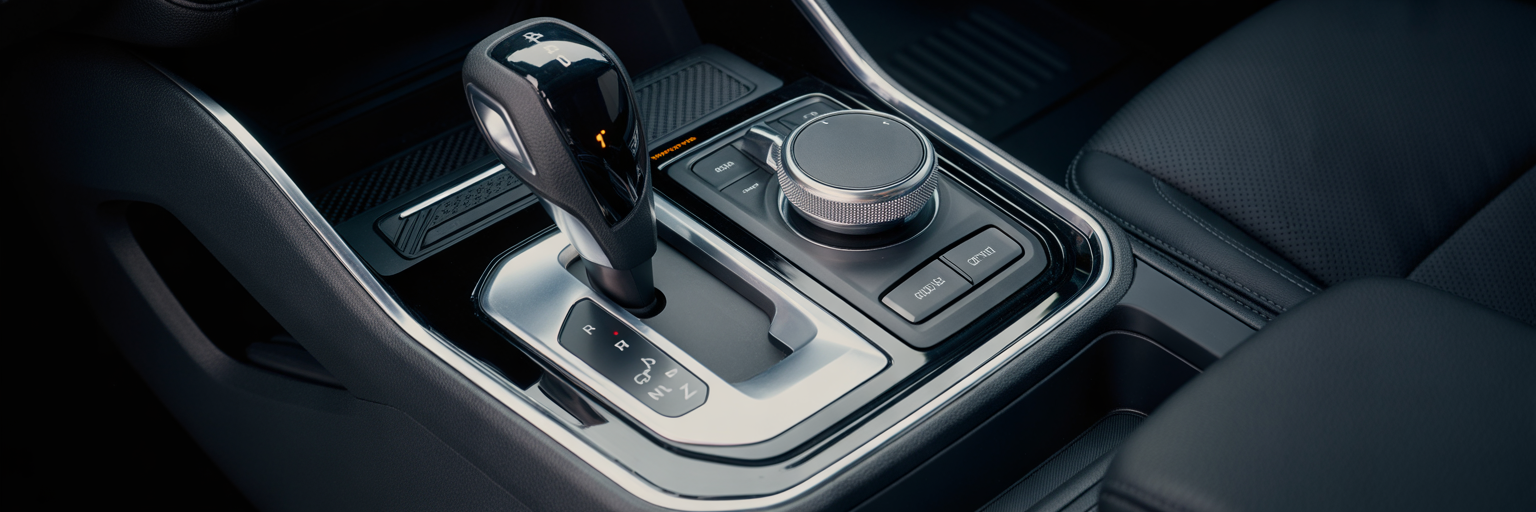
An SUV is more than just its engine and suspension; it’s a daily tool for commuting, hauling groceries, and transporting family. The interior is where you spend all your time, so its design, space, and practicality are critical. Here, the Rogue impresses with its upscale ambiance, while the Escape counters with clever, practical features.
First Impressions: Front Seat and Material Quality
Stepping into the Nissan Rogue, you are immediately struck by its near-premium feel. Higher trims, in particular, use soft-touch materials on the dashboard and doors, thoughtful stitching, and an overall design that feels more expensive than its price tag suggests. The “Zero Gravity” seats are famously comfortable on long drives. The Ford Escape’s interior is more functional and purpose-built. The materials are durable and designed to withstand the rigors of family life, but they lack the upscale finish of the Rogue. The focus is on straightforward ergonomics rather than luxurious appointments.
Evaluating Rear Passenger Accommodations
Both SUVs offer generous headroom and legroom for rear passengers. However, the Escape has a significant practical advantage: a sliding second-row seat. This brilliant feature allows you to choose between maximizing legroom for tall passengers or sliding the seat forward to create more cargo space behind it. This flexibility is a huge benefit for families who need to adapt the vehicle’s layout on the fly, a feature the Rogue lacks.
Cargo Space and Utility Features
On paper, their cargo capacities are competitive. The Rogue offers around 36.5 cubic feet behind the rear seats, expanding to about 74.1 cubic feet with them folded. The Escape offers a similar range, but its sliding seat adds a layer of versatility. Beyond the numbers, the Rogue features a clever Divide-N-Hide cargo system, which allows you to create shelves and hidden compartments to organize smaller items and keep valuables out of sight. The Escape counters with a wide, flat load floor that makes loading bulky items easy. Both offer the convenience of a hands-free power liftgate.
Small-Item Storage and Ergonomics
The little things matter in a daily driver. When it comes to practical details and long-term upkeep, even simple knowledge can be valuable; for instance, knowing how to clean headlights with toothpaste is one of the useful tricks we’ve shared for maintaining your vehicle’s appearance and safety over time. Here’s how the Rogue and Escape compare on interior details:
- Center Console: The Rogue often features a “floating” center console design, creating a large, open storage pass-through underneath that’s perfect for a purse or small bag. The Escape’s console is more traditional but still offers a deep and usable storage bin.
- Cupholders: Both vehicles have well-placed cupholders, but drivers of modern, oversized water bottles may find one fits their needs better than the other. It’s a small detail worth checking on a test drive.
- Door Pockets: Both offer generous door pockets, but the Rogue’s are often noted for being slightly larger and more accommodating for various items.
- Physical Controls: This is a key differentiator. The Rogue generally provides more physical buttons and knobs for climate and audio controls, which many drivers find easier and safer to use while driving. The Escape relies more heavily on its touchscreen for certain functions, which can be a matter of personal preference.
Infotainment and Onboard Technology
The screens and software inside a new vehicle are just as important as the engine under the hood. This is your interface for navigation, music, and communication. Both Nissan and Ford have invested heavily in their tech offerings, but they differ in presentation and features, which can sway a buyer looking for the most modern experience.
Central Touchscreen and System Interface
The Ford Escape typically comes standard with an 8-inch touchscreen running its SYNC software, with a much larger 13.2-inch screen available on higher trims. Ford’s SYNC system is known for its clean graphics and relatively intuitive menu structure. The Nissan Rogue offers a similar setup, with a standard 8-inch screen and an available 9-inch or larger screen on premium models. Its NissanConnect software is straightforward, though some find its graphics a bit less modern than Ford’s latest offerings. Responsiveness on both systems is generally good, but the larger optional screen in the Escape can feel more immersive.
Smartphone Integration and Connectivity
Both SUVs come standard with wireless Apple CarPlay and Android Auto, which is a huge convenience. You can hop in, and your phone’s interface appears on the screen without fumbling with cables. The real difference lies in the charging options. You need to check the specific trim, but both are increasingly offering more modern USB-C ports for faster charging, in addition to older USB-A ports. Both also offer available wireless charging pads, but their placement and reliability can vary. For a family, the number of charging ports available to rear passengers is a critical detail to compare.
Audio Experience: Standard and Premium Systems
The standard, unbranded audio systems in both the Rogue and Escape are perfectly adequate for listening to news and podcasts. They deliver clear sound but lack the depth and power that music lovers appreciate. The real treat comes with the premium upgrades. The Rogue offers a high-quality Bose® premium audio system, which adds more speakers, a subwoofer, and custom tuning to create a rich, immersive sound stage. The Escape counters with an excellent B&O® Sound System by Bang & Olufsen, which is also known for its clarity and powerful bass. For audiophiles, testing these upgraded systems is a must.
Driver Displays and Advanced Tech Features
Looking beyond the center screen, both vehicles offer fully digital instrument clusters on higher trims. These configurable displays can show everything from a traditional speedometer to full-screen navigation maps. The Rogue’s 12.3-inch digital dashboard is particularly sharp and easy to read. Another key feature to look for is a Head-Up Display (HUD). Both manufacturers offer this on top trims, projecting vital information like speed and navigation turns directly onto the windshield in the driver’s line of sight. It’s a feature that, once you use it, you won’t want to live without, as it significantly helps keep your eyes on the road.
Safety Ratings and Driver-Assistance Systems
For many shoppers, especially those looking for the best family SUV 2026, safety is non-negotiable. The good news is that both the Nissan Rogue and Ford Escape are engineered with safety as a top priority. They come packed with an impressive suite of standard driver-assistance features, with even more advanced technology available on higher trims.
Standard Safety Suites: A Comprehensive Baseline
You no longer have to pay extra for the most critical safety technologies. Both Nissan Safety Shield® 360 and Ford Co-Pilot360™ are standard across all trim levels. This is a massive value and provides peace of mind from the moment you drive off the lot. These comprehensive suites typically include:
- Automatic Emergency Braking with Pedestrian Detection: Can automatically apply the brakes to help avoid or mitigate a frontal collision.
- Blind Spot Warning: Alerts you to vehicles in your blind spot when changing lanes.
- Rear Cross Traffic Alert: Warns you of approaching traffic when backing out of a parking space.
- Lane Departure Warning: Notifies you if you begin to drift out of your lane.
- High Beam Assist: Automatically switches between high and low beams at night.
Advanced Driver-Assist Systems: The Next Level of Convenience
Beyond the standard features, both automakers offer sophisticated systems that reduce driver fatigue on long highway trips. Nissan’s ProPILOT Assist is a hands-on system that helps with steering, acceleration, and braking to keep the vehicle centered in its lane and at a set distance from the car ahead. Ford offers a similar system, sometimes called BlueCruise on certain models, which provides advanced lane-centering and adaptive cruise control. These systems make rush-hour traffic and long-distance drives significantly less stressful.
Parking and Visibility Aids
Maneuvering an SUV in tight spaces can be nerve-wracking, but modern technology makes it much easier. The Rogue offers an Intelligent Around View® Monitor, which uses four cameras to create a virtual 360-degree bird’s-eye view of the vehicle. This is incredibly helpful for parallel parking or navigating a crowded garage. Ford offers a similar 360-degree camera system, providing the same invaluable perspective to help you avoid curbs, posts, and other obstacles.
Crashworthiness and Predicted Safety Ratings
While official 2026 ratings are not yet available, both the Nissan Rogue and Ford Escape have consistently earned top safety ratings from the National Highway Traffic Safety Administration (NHTSA) and the Insurance Institute for Highway Safety (IIHS) in previous years. Both vehicles are built with advanced high-strength steel structures designed to protect occupants in a collision. Buyers can be confident that both automakers have engineered these SUVs to continue this legacy of excellent crashworthiness.
Long-Term Value and Reliability Projections
The purchase price is just the beginning of a car’s total cost. To understand the true financial picture, you have to consider reliability, depreciation, maintenance, and warranty coverage. This is where the Rogue vs Escape reliability question becomes crucial, as long-term dependability can save you thousands in unexpected repairs.
Historical Reliability and Predicted Dependability
Analyzing long-term dependability requires looking at historical data from trusted sources. For example, according to the J.D. Power 2024 U.S. Vehicle Dependability Study, which measures problems experienced after three years of ownership, some mainstream brands consistently demonstrate stronger long-term reliability than others. Historically, brands like Nissan have often performed well in these studies, which can translate to fewer unscheduled trips to the service center and lower repair bills as the vehicle ages. Ford’s reliability has been more variable depending on the model and powertrain.
Depreciation and Resale Value: The Biggest Cost of Ownership
Depreciation is the silent killer of car ownership costs. It’s the amount of value your vehicle loses over time, and it’s often the single largest expense. While both the Rogue and Escape are popular models, their resale values can differ. Historically, some import brands have held their value slightly better than their domestic counterparts in certain segments. A vehicle with a higher projected resale value means you get more money back when you sell or trade it in, significantly lowering your total cost of ownership.
Comparing Maintenance and Repair Costs
Routine maintenance costs for both vehicles should be comparable. However, out-of-warranty repair costs can sometimes differ. There is a general perception that parts for domestic brands like Ford can be more affordable and widely available in the United States, which could potentially lead to lower repair bills down the line. Regardless of the brand, staying on top of vehicle issues is critical. Events like the GM 6.2L engine recall we covered show why having a strong manufacturer service network and being aware of potential issues is vital for any owner.
Warranty Coverage and Overall Ownership Cost
Nissan and Ford typically offer very similar warranty packages: a 3-year/36,000-mile bumper-to-bumper warranty and a 5-year/60,000-mile powertrain warranty. When you combine all the financial factors—purchase price, fuel costs, insurance, projected maintenance, and resale value—you can build a holistic picture of ownership. The Rogue’s excellent standard fuel economy gives it an early advantage, but the Escape’s potentially stronger resale value on certain trims could close that gap over a five-year period.
The Final Verdict: Which SUV Belongs in Your Garage?
After breaking down the performance, comfort, practicality, and costs, the choice between the 2026 Nissan Rogue and Ford Escape becomes a matter of personal priorities. These are two excellent SUVs that cater to two very different types of drivers. There is no single “better” vehicle, only the one that is better for you.
The Case for the 2026 Ford Escape
The Ford Escape is for the driver who refuses to give up an engaging experience just because they need a practical SUV. Its biggest strengths are the powerful 250-hp engine option that delivers genuine performance, its agile and confident handling, and the incredibly versatile sliding rear seat that adds a layer of practicality the Rogue can’t match. If you enjoy driving and want an SUV that feels responsive and fun, the Escape with the 2.0L engine should be at the top of your list.
The Case for the 2026 Nissan Rogue
The Nissan Rogue is the undisputed champion of comfort in this comparison. It’s for the driver whose priority is a calm, quiet, and efficient daily commute. Its supremely comfortable ride, well-isolated cabin, and upscale-feeling interior make it a sanctuary on wheels. Add in its excellent standard fuel economy, and the Rogue becomes the ideal choice for high-mileage commuters, families who value a peaceful journey, and anyone who wants their vehicle to feel more expensive than it is.
Making Your Decision Based on Driving Priorities
To simplify the choice, consider which of these two profiles sounds more like you:
- The Engaged Driver: You enjoy feeling connected to the road. You want an SUV that is quick off the line and confident in the corners. You should schedule a test drive in the Ford Escape with the 2.0L EcoBoost engine.
- The Comfort-Seeker: You see your car as a tool to get you from A to B as comfortably and efficiently as possible. A quiet ride and low fuel bills are your top priorities. You will likely prefer the Nissan Rogue.
Ultimately, the debate over the Nissan Rogue vs Ford Escape is best settled behind the wheel. The differences in their driving dynamics are so distinct that a back-to-back test drive is essential. For more in-depth articles, you can explore other vehicle comparisons we’ve conducted. After reading this detailed 2026 compact SUV comparison, you might also be curious how other popular models stack up; for instance, the rivalry between the Toyota RAV4 and Tesla Model Y we analyzed showcases another interesting facet of the modern SUV market.