For decades, the rivalry between the Nissan Sentra and Honda Civic has defined the compact sedan segment. These two vehicles have served as the first new car for millions, the dependable daily commuter, and the sensible family vehicle. As we look at the 2026 models, the core question remains the same: which one truly offers the better package for your money and your driving needs?
Engine Performance and Acceleration Dynamics
The character of a car is often defined by what is under the hood. In the Nissan Sentra vs Honda Civic debate, the powertrain philosophies reveal two distinct approaches to daily driving. While both start from a similar place, their paths diverge quickly, especially for those who crave a bit more excitement on their commute.
Standard Powertrain Breakdown
At the heart of both the base Sentra and Civic lies a familiar formula: a 2.0-liter naturally aspirated four-cylinder engine paired with a Continuously Variable Transmission (CVT). This combination is engineered for efficiency and smooth power delivery in city and highway conditions. The CVT, in particular, avoids the distinct shift points of a traditional automatic, creating a seamless and linear acceleration experience. For the average driver, this setup is predictable and easy to live with, providing adequate power without any drama.
Horsepower vs. Torque: What It Means on the Road
This is where the driving feel begins to differ. The 2026 Honda Civic’s engine produces around 158 horsepower, while the Nissan Sentra’s powertrain is tuned to deliver approximately 146 lb-ft of torque. Think of it this way: the Civic’s higher horsepower is like a sprinter’s top speed, giving it an advantage when you need to merge onto a fast-moving highway or pass another vehicle. It feels more eager at higher RPMs.
In contrast, the Sentra’s emphasis on torque is like a weightlifter’s initial burst of strength. It makes the car feel responsive and quick off the line from a stoplight. In stop-and-go city traffic, this immediate grunt can make the Sentra feel surprisingly lively. So, while the Civic might win a 0-60 mph race, the Sentra provides a satisfying punch for everyday urban driving.
The Performance Gap: Civic’s Sport-Tuned Options
For buyers seeking genuine performance, the conversation shifts entirely in Honda’s favor. The 2026 Honda Civic review wouldn’t be complete without mentioning its sport-tuned variants. The Civic Si and the legendary Type R introduce turbocharged engines, sport-tuned suspensions, and the option of a crisp six-speed manual transmission. These models are not just appearance packages; they are engineered from the ground up for driving enthusiasts.
The Sentra, on the other hand, focuses its lineup on comfort and value, with no direct competitor to the Si or Type R. This creates a clear dividing line. If your definition of a great drive includes sharp handling and a powerful, engaging engine, the Civic offers a path the Sentra does not.
Fuel Efficiency and On-Road Comfort
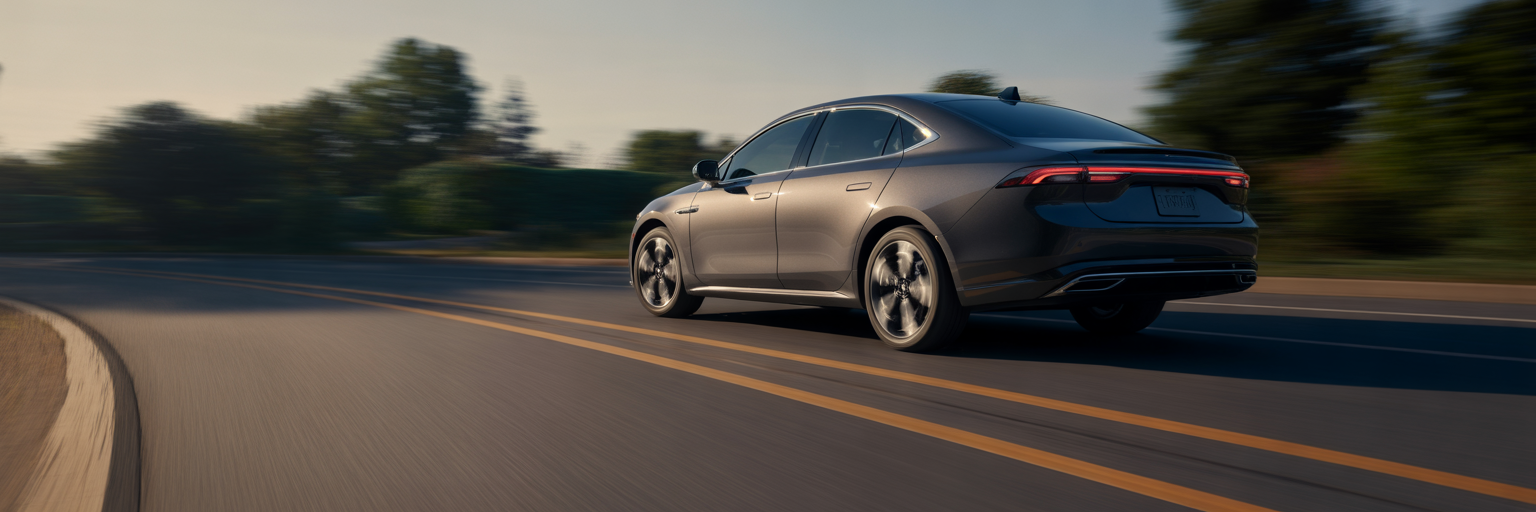
Moving beyond engine output, the practicalities of ownership come into focus. How a car feels over broken pavement and how often you have to visit the gas station are critical factors in the long-term satisfaction with any vehicle. Here, both sedans excel in different ways, forcing a choice between ultimate efficiency and a serene ride.
Comparing MPG Ratings
Both the Sentra and the standard gasoline Civic are champions of fuel economy, making them excellent choices for budget-conscious commuters. While the official figures for 2026 are pending, historical trends show both cars delivering impressive numbers. The Civic, however, typically holds a slight advantage, often squeezing out one or two more miles per gallon in combined driving. For most drivers, the difference is minor, but over the life of the vehicle, those small savings can add up.
- 2026 Honda Civic (2.0L): Expected to achieve around 33-35 MPG combined.
- 2026 Nissan Sentra (2.0L): Expected to achieve around 32-34 MPG combined.
The Hybrid Advantage: A Civic Exclusive
For those who prioritize fuel savings above all else, the Honda Civic has a significant advantage: an available hybrid powertrain. This system dramatically boosts MPG figures, often into the high 40s, making it the undisputed winner for long-distance commuters or anyone looking to minimize their environmental footprint. The market for efficient vehicles continues to grow, with many buyers even considering options like the best hybrid SUVs under $35k for their blend of space and economy. The Sentra sticks to its single, efficient gasoline engine, which simplifies the lineup but cedes the hyper-miler crown to Honda.
Ride Quality: Smoothness vs. Composure
The on-road feel is perhaps the most noticeable difference between the two. The Nissan Sentra is tuned for maximum comfort. Its suspension is soft and plush, designed to isolate occupants from bumps, potholes, and rough road surfaces. It glides over imperfections, making for a quiet and relaxing commute. You feel detached from the road in a way that many drivers find soothing.
The Honda Civic offers a different kind of comfort. Its ride is best described as composed and refined. You feel more connected to the road, but the suspension is sophisticated enough to filter out harshness without feeling floaty. It strikes a brilliant balance, providing enough feedback to feel engaging while remaining comfortable on long journeys. The choice is clear: do you prefer a soft, isolating ride or a firm, controlled one?
Interior Quality and Cabin Ergonomics
You spend all your time inside your car, so the cabin’s design, materials, and layout are just as important as what’s under the hood. Both Nissan and Honda have invested heavily in creating interiors that feel more expensive than their price tags suggest, but they achieve this through different design philosophies.
Design Philosophy and Material Choices
The Honda Civic’s interior is a masterclass in modern, minimalist design. The standout feature is the signature honeycomb mesh that spans the dashboard, cleverly concealing the air vents. It’s a unique and upscale touch. Surfaces are generally high-quality, with soft-touch materials on the dash and door panels, giving the cabin a premium and cohesive feel. It’s clean, uncluttered, and built with a sense of precision.
The Nissan Sentra’s cabin, by contrast, feels stylish and value-driven. Inspired by its sportier siblings, it features three prominent circular air vents in the center stack. While it uses more hard plastics than the Civic, Nissan smartly places soft-touch materials where your arms and hands rest. On higher trims, the available quilted leather seats give the Sentra an ambiance that punches well above its weight, feeling surprisingly luxurious for an affordable compact car.
Driver-Focused Ergonomics
Both cars are easy to live with, but they approach the driver’s cockpit differently. The Civic’s layout is exceptionally intuitive and driver-focused. The controls are angled slightly toward the driver, and the available all-digital instrument cluster is crisp and easy to read. Everything feels like it’s exactly where you’d expect it to be.
The Sentra opts for a more traditional, straightforward approach. The physical buttons and knobs for climate and audio are large, clearly labeled, and simple to use without taking your eyes off the road. It may not feel as futuristic as the Civic, but its user-friendliness is undeniable. We all know the frustration of trying to adjust the volume on a fussy touchscreen; the Sentra avoids this completely.
Passenger Space and Practicality
For a compact sedan, passenger and cargo space are key. The Civic generally offers more generous rear-seat legroom, making it a better choice for those who frequently carry adult passengers. The trunk sizes are very close, with both offering enough space for groceries, luggage, or weekend gear. The Civic’s slightly larger trunk and superior rear legroom give it a small but meaningful edge in overall practicality.
Interior Feature Comparison: Mid-Trim Showdown
| Feature | 2026 Nissan Sentra (SV Trim) | 2026 Honda Civic (EX Trim) |
|---|---|---|
| Seat Upholstery | Premium Cloth | Heated Cloth Seats |
| Dashboard Surface | Soft-touch materials with contrast stitching | Textured panels with honeycomb mesh accent |
| Steering Wheel | Standard Urethane or optional Leather-wrapped | Leather-wrapped |
| Rear-Seat Legroom | Approximately 34.7 inches | Approximately 37.4 inches |
| Trunk Capacity | 14.3 cubic feet | 14.8 cubic feet |
Note: Features and dimensions are based on typical offerings for these trim levels and may vary slightly for the 2026 model year. This table illustrates the general differences in packaging and space between the two models.
Infotainment Systems and Onboard Technology
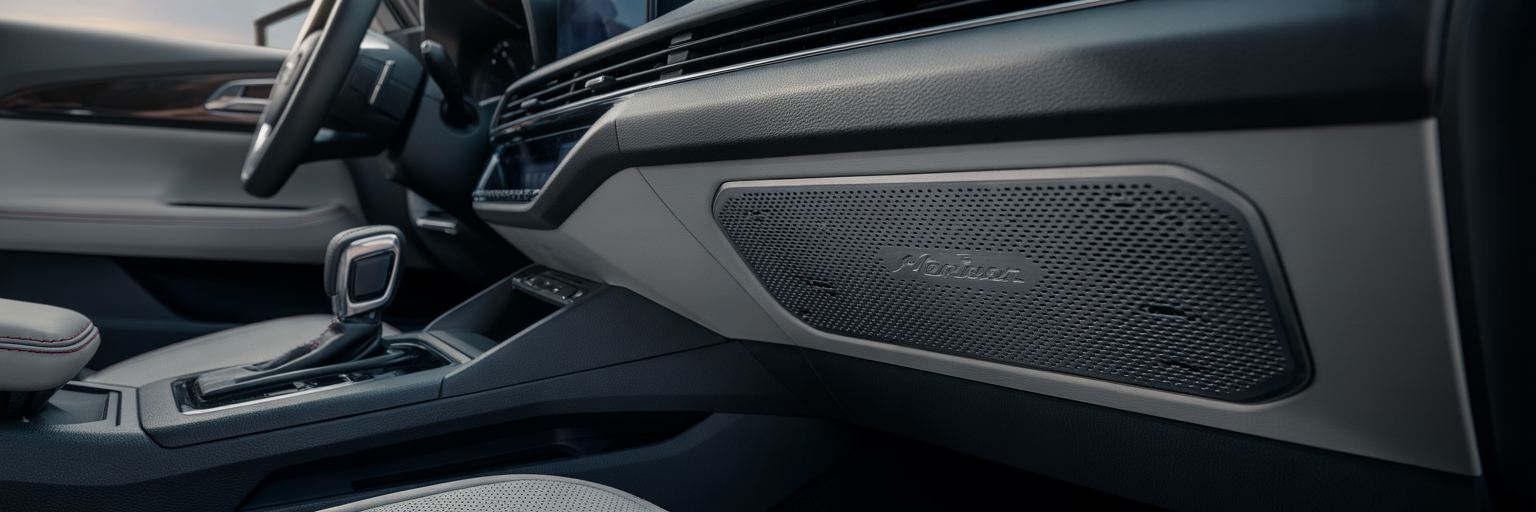
In 2026, the screen in the center of the dashboard is as important as the engine. It’s our connection to navigation, music, and communication. The Civic vs Sentra comparison reveals that while both cars cover the basics well, Honda offers a more advanced tech experience for those willing to pay for it.
Standard vs. Upgraded Infotainment Screens
Both the Sentra and Civic come standard with a 7-inch touchscreen infotainment system. Crucially, both include wired Apple CarPlay and Android Auto, which has become a non-negotiable feature for most buyers. These base systems are functional and responsive, handling core tasks without issue.
The differences appear on higher trims. The Sentra offers a solid upgrade to an 8-inch screen, which provides a bit more real estate and a slightly more modern look. However, the Civic pulls ahead with its available 9-inch high-resolution touchscreen and a fully digital instrument cluster. This combination gives the Civic’s cabin a distinctly more modern and tech-forward feel, appealing to buyers who want the latest and greatest digital interfaces.
Connectivity and Charging
Keeping devices charged is a modern necessity. Both automakers understand this, but their approach varies slightly across trim levels. A quick look at their offerings shows how they cater to our connected lives:
- USB Ports: Both cars typically offer a mix of USB-A and newer USB-C ports, but the Civic is often more generous with the number of ports available to rear passengers on higher trims.
- Wireless Charging: A wireless charging pad is available on the upper trims of both the Sentra and Civic, providing a convenient way to keep your phone topped up without fumbling with cables.
- Wi-Fi Hotspot: Wi-Fi hotspot capability is an available feature, more commonly found on the Civic’s top-tier Touring trim, turning the car into a mobile connectivity hub.
Premium Audio Showdown: Bose vs. Bose
For music lovers, a premium sound system can be a dealbreaker. Interestingly, both Nissan and Honda have partnered with Bose to offer upgraded audio systems on their top trims. While both carry the same branding, the tuning and implementation can differ. The Bose system in the Sentra is often praised for its powerful bass and clear sound, providing an impressive audio experience for its class. The Civic’s Bose system, with its higher speaker count on the Touring trim, tends to offer a more immersive and balanced soundstage. An audiophile might notice subtle differences, but for most listeners, both systems represent a significant step up from the standard audio.
Advanced Safety and Driver-Assist Suites
Safety is no longer a luxury feature. Today, some of the most impressive technology in any vehicle is dedicated to preventing accidents. Both Nissan and Honda have made comprehensive safety suites standard across all trims, a huge win for anyone shopping for affordable compact cars US. This commitment means you don’t have to buy the most expensive model to get crucial driver-assist features.
Nissan Safety Shield 360 vs. Honda Sensing
The two systems are known as Nissan Safety Shield 360 and Honda Sensing. While the names are different, their core mission is the same: to use cameras and radar to monitor the road and help the driver avoid danger. According to a comparative analysis by J.D. Power, both the Civic and Sentra are recognized for their comprehensive safety offerings right from the base models, which provides peace of mind regardless of your budget.
Comparing Standard Active Safety Features
Right out of the box, both sedans come equipped with an impressive array of technologies. This standard inclusion is a key reason both are considered top contenders for the best compact sedan 2026. Here’s how their standard features typically stack up:
- Automatic Emergency Braking with Pedestrian Detection: Both systems can detect a potential frontal collision and apply the brakes to help mitigate or avoid an impact.
- Lane Departure Warning: Both will alert you if you begin to drift out of your lane without signaling.
- High Beam Assist: Both can automatically switch between high and low beams to avoid dazzling oncoming drivers.
- Rear Automatic Braking: This is a standout feature often standard on the Sentra, which can automatically brake if it detects an object while you’re reversing.
Advanced Aids: Adaptive Cruise and Lane Centering
On higher trims, both vehicles offer more advanced systems like Adaptive Cruise Control (ACC) and lane-centering technology. ACC maintains a set following distance from the car ahead, which is a huge benefit in highway traffic. Industry observation often suggests that Honda’s systems feel slightly more natural and smooth in their operation, particularly the lane-keeping function, which requires fewer small corrections from the driver. Features like Blind Spot Monitoring are also critical, but you’ll need to check specific trims, as it’s standard on the Sentra SV but often requires stepping up to a higher trim on the Civic. To learn more about these technologies, you can explore the articles in our informative section.
Long-Term Reliability and Maintenance Costs

A car is a long-term investment, and its dependability and running costs are just as important as its features. This is an area where brand reputation plays a huge role, and one where the Nissan Sentra vs Honda Civic matchup has a clear historical favorite, though the gap is closing.
Reputation and Historical Reliability
The Honda Civic has built a decades-long, near-legendary reputation for rock-solid reliability and durability. It’s the car people buy with the expectation that it will run for hundreds of thousands of miles with minimal fuss. This reputation is well-earned and is a primary driver of its incredibly high resale value. Historical data from sources like CARFAX consistently shows the Civic with high marks for reliability.
This isn’t to say the Sentra is unreliable. The 2026 Nissan Sentra reliability is expected to be strong, as recent generations have shown significant improvements in quality and dependability. While it may not have the same bulletproof reputation as the Civic, the modern Sentra has proven to be a durable and trustworthy vehicle. For more context on how these automotive brands stack up, you can see our broader analysis.
Anticipated Maintenance and Repair Expenses
Both cars are designed to be affordable to own and maintain. Parts are widely available, and neither requires exotic fluids or specialized labor for routine service. You can expect low costs for things like oil changes, tires, and brakes on both vehicles. However, thanks to its long track record, the Civic may have a slight edge in long-term repair costs. Over a decade of ownership, the Civic’s proven platform may result in fewer unexpected repair bills, though the modern Sentra is a very competitive alternative.
Warranty Coverage Compared
The factory warranty provides the first line of defense against manufacturing defects. Both Nissan and Honda offer nearly identical warranty coverage, which is standard for the industry. This includes:
- Basic “Bumper-to-Bumper” Warranty: 3 years or 36,000 miles.
- Powertrain Warranty (Engine, Transmission): 5 years or 60,000 miles.
This parity means that for the first few years of ownership, you are equally protected in either car. The real financial difference emerges after the warranty expires, where the Civic’s historical reliability often translates to greater peace of mind.
Pricing Tiers and Overall Value
Ultimately, the decision for many buyers comes down to dollars and cents. The Civic vs Sentra comparison is not just about features but about what you get for your money. Here, the two cars present different definitions of “value,” one focused on the initial purchase and the other on the total cost of ownership over time.
Starting MSRP: The Sentra’s Price Advantage
One of the Nissan Sentra’s most compelling arguments is its starting price. Trim for trim, the Sentra typically undercuts the Honda Civic by a noticeable margin. For a buyer focused on the lowest possible monthly payment or initial cash outlay, this upfront price advantage makes the Sentra immediately attractive. It allows you to get into a new, well-equipped car for less money, which is a powerful motivator in the market for affordable compact cars.
Value Across the Trim Levels
The value proposition gets more interesting in the popular mid-range trims, like the Sentra SV and the Civic Sport or EX. At a similar price point, the Sentra often includes features that might be optional or unavailable on the equivalent Civic, such as a larger standard screen or more comprehensive standard safety features like Rear Automatic Braking. You might find that a $25,000 Sentra feels more “loaded” than a $25,000 Civic. Honda makes you pay a premium for its engineering refinement and brand reputation, whereas Nissan focuses on delivering tangible features for the price.
Defining Total Value: Upfront Cost vs. Long-Term Investment
This brings us to the core of the value debate. Is value found in the sticker price or in the total ownership experience? The Nissan Sentra’s value is concentrated at the point of sale. You get more features for your dollar and a lower entry cost. It’s an immediate and tangible return on your investment.
The Honda Civic’s value is a long-term proposition. While it costs more upfront, that investment is often returned through superior fuel economy (especially with the hybrid), top-tier reliability that leads to lower repair costs, and consistently higher resale value when it’s time to sell. The Civic is less about what you pay today and more about what you save tomorrow.
Making the Final Choice for Your Driving Style

After comparing powertrains, interiors, technology, and costs, the choice between the Nissan Sentra and Honda Civic becomes a matter of personal priorities. There is no single “better” car, only the car that is better for you. This final summary of the Nissan Sentra vs Honda Civic debate should point you toward your ideal match.
The Ideal Nissan Sentra Driver
The ideal Sentra driver is a pragmatic buyer who prioritizes comfort and upfront value. This person wants a stylish, modern sedan without a premium price tag. They appreciate a quiet, isolating ride that smooths out the bumps of a daily commute. They value getting a generous list of features for their money and are focused on securing a low purchase price. For them, the Sentra delivers a near-premium experience at an economy-car cost, and that’s a deal that’s hard to beat.
The Ideal Honda Civic Driver
The ideal Civic driver is willing to invest a bit more for a refined and engaging ownership experience. This buyer values a sophisticated ride that balances comfort with a sense of connection to the road. They appreciate the minimalist, high-quality interior and the more advanced technology options. Most importantly, they are playing the long game, banking on the Civic’s legendary reliability and high resale value to make their higher initial investment a smart financial decision over time.
Your Verdict: Comfort and Value or Refinement and Engagement?
So, which will be the best compact sedan 2026 for your driveway? The decision boils down to a simple question: Is your priority maximizing comfort and features for every dollar spent, or are you seeking a more dynamic and sophisticated compact sedan with a proven track record of long-term value? The answer will lead you directly to either the Nissan dealership or the Honda showroom. If you’re weighing other options, explore our full range of vehicle vs. vehicle comparisons. For more reviews and guides, visit CarPhanatics.