For decades, the sports car world has been defined by a transatlantic rivalry: the meticulous, evolutionary engineering of Germany against the raw, unapologetic power of America. This clash of ideals is perfectly embodied in the detailed head-to-head between the Porsche 911 Carrera and Chevrolet Corvette Stingray, a prime example of the kind of automotive rivalries we explore. One car represents the slow, deliberate perfection of a singular idea, while the other signifies a bold revolution aimed squarely at the established order.
Contrasting Engineering Philosophies
Before a single performance metric is quoted, it is essential to understand the core DNA of these two icons. The numbers on a spec sheet are merely the consequence of deeply ingrained engineering principles. One car is the product of relentless refinement, the other a dramatic reinvention. Their differences in design are not accidental but are direct reflections of their distinct missions.
The 911: A Legacy of Evolutionary Refinement
The Porsche 911 Carrera is defined by its history. Its 3.0L twin-turbocharged flat-six engine sits behind the rear axle, a layout that has been its signature for over sixty years. To the uninitiated, this might seem like an engineering quirk, but it is a deliberate choice that dictates the car’s entire character. This placement creates a unique weight bias that, while challenging to master, rewards skilled drivers with incredible traction on corner exit and a driving experience unlike any other.
Porsche’s philosophy is one of continuous improvement, not radical change. Every generation of the 911 is a careful, calculated step forward, honing the chassis, suspension, and electronics to further perfect the balance of its unconventional layout. The goal has never been to fix what isn’t broken but to polish a proven formula to a mirror shine. It is a testament to engineering discipline over brute force.
The Corvette: A Revolution in American Performance
In contrast, the C8 Chevrolet Corvette Stingray represents a fundamental break from its own heritage. For seven generations, the Corvette was America’s front-engine hero. The decision to move its 6.2L naturally aspirated V8 to the middle of the car was a calculated, strategic pivot. This wasn’t just a design update; it was a statement of intent to compete directly with European supercars on their own terms.
By placing the engine behind the driver, Chevrolet optimized weight distribution for maximum acceleration and grip. This mid-engine layout plants the rear tires under hard launches and provides a more stable, neutral handling balance at the limit. It was a conscious departure from its muscle car roots, trading tradition for a layout that offers objectively superior performance potential.
Aesthetic Goals: Timeless Form vs. Aggressive Function
These opposing philosophies are immediately visible in their designs. The 911’s silhouette is an exercise in restraint. Its iconic flyline, round headlights, and clean surfaces have evolved slowly, creating a timeless shape that is instantly recognizable and aerodynamically pure. It doesn’t need to shout about its capabilities; its form communicates a quiet confidence.
The Corvette, on the other hand, is pure theater. Its design is sharp, angular, and intentionally dramatic. The low nose, prominent side intakes, and visible engine under a glass cover all serve to communicate its immense power and exotic layout. Where the 911 whispers heritage, the Corvette bellows performance, prioritizing a commanding road presence that leaves no doubt about its mission.
Performance Metrics and Power Delivery
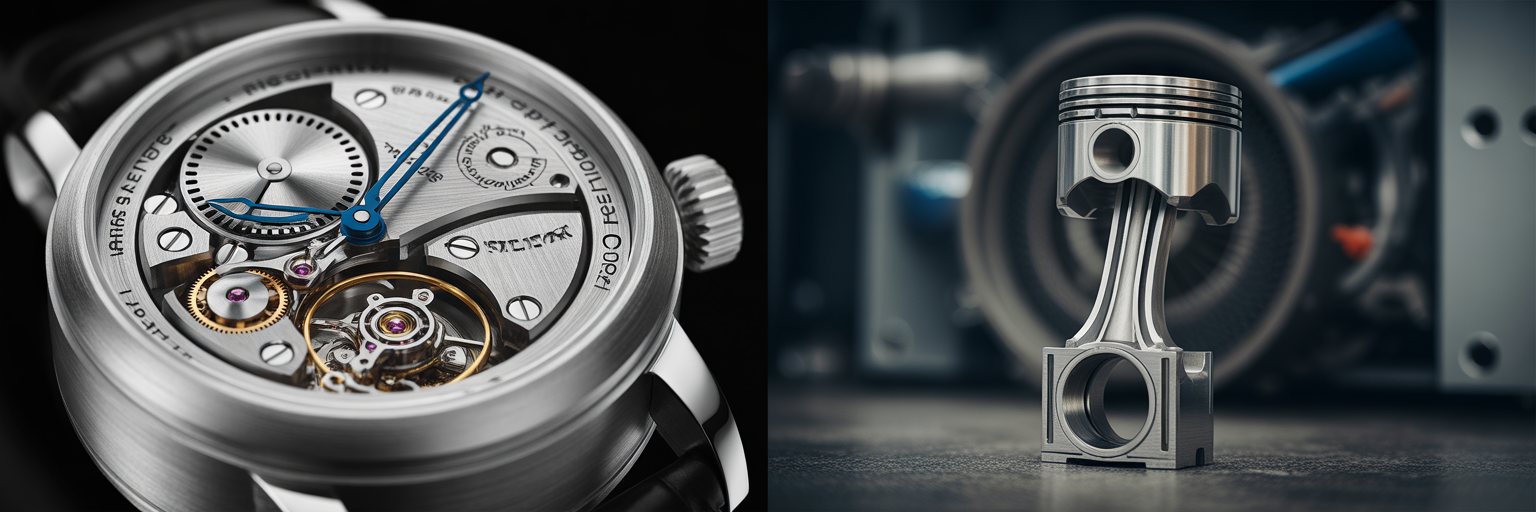
With those distinct engineering philosophies established, we can examine how they translate to the pavement. While both cars deliver exhilarating speed, they achieve it in fundamentally different ways. This section moves beyond theory and into the hard data, comparing the character of their powertrains and their objective performance results.
Powertrain Breakdown: Turbocharged Precision vs. Natural Aspiration
The Porsche 911 Carrera’s 3.0L twin-turbo flat-six produces 379 horsepower and 331 lb-ft of torque. The key to its character is not the peak number but how that power is delivered. The twin turbochargers provide a remarkably flat and wide torque curve, meaning maximum pulling power is available almost instantly, at nearly any engine speed. There is no waiting for the power to build; it is simply there, offering immediate and precise response to every input.
The Chevrolet Corvette Stingray takes a different approach with its massive 6.2L naturally aspirated V8, generating a formidable 490 horsepower and 465 lb-ft of torque. Its power delivery is a more classic, linear experience. It builds with a satisfying rush, rewarding drivers who push the engine toward its redline. This is the soul of a large-displacement engine: a progressive, ever-increasing wave of power that feels both raw and deeply engaging. The 911 Carrera performance specs tell a story of efficiency and response, while the Corvette’s speak to sheer displacement and force.
The Tale of the Tape: Acceleration and Speed
In a straight line, the Corvette’s power and traction advantage is undeniable. While the 911 is incredibly quick, the Corvette’s combination of superior horsepower and a mid-engine layout that maximizes grip off the line gives it a clear edge. This performance advantage is well-documented; as highlighted by MotorTrend, the C8’s design is a key factor in its ability to rival established supercars in straight-line acceleration, especially with the optional Z51 package.
The Corvette’s dominance continues through the quarter-mile, where its V8 power helps it pull away. Top speeds also reflect their different origins. The Corvette’s 194 mph top end is a testament to its raw power, while the 911’s 182 mph is achieved with an emphasis on high-speed stability and driver confidence, born from decades of development for the German autobahn.
| Specification | Porsche 911 Carrera | Chevrolet Corvette Stingray |
|---|---|---|
| Engine | 3.0L Twin-Turbocharged Flat-Six | 6.2L Naturally Aspirated V8 |
| Horsepower | 379 hp | 490 hp |
| Torque | 331 lb-ft | 465 lb-ft |
| 0–60 mph (mfr. estimate) | ~4.0 seconds | ~3.4 seconds (base) |
| Quarter Mile (approx.) | ~12.2 seconds | ~11.2 seconds |
| Top Speed | 182 mph | 194 mph |
Note: Performance figures are for base models and can vary based on options, such as the Z51 Performance Package on the Corvette, and environmental conditions. This table provides a clear baseline for understanding their on-paper capabilities.
Handling Dynamics and Driver Engagement
Straight-line speed is only one chapter of the story. The true character of a sports car is revealed in the corners, where handling, feedback, and driver confidence matter most. Here, the 911 and Corvette offer profoundly different experiences, each a masterclass in its respective layout. This is where the subjective feel of driving takes precedence over raw numbers.
Steering Feel: The Benchmark for Communication
For decades, the Porsche 911’s steering has been the industry benchmark, and the current generation is no exception. It is a masterclass in communication, delivering perfectly weighted and incredibly precise feedback. Through the wheel, the driver feels a granular sense of what the front tires are doing, from the texture of the road surface to the subtle hints of grip fading at the limit. It is this telepathic connection that builds immense confidence and makes the car feel like an extension of the driver’s own body.
The Corvette’s steering is also exceptionally quick and responsive, allowing the driver to place the car with pinpoint accuracy. However, it feels more filtered compared to the 911. While direct, it lacks that final layer of nuanced feedback, isolating the driver slightly from the road. It gets the job done with ruthless efficiency, but it doesn’t engage in the same rich dialogue as the Porsche.
Chassis Balance: A Tale of Two Layouts
The debate over Corvette vs 911 handling comes down to their engine placement. The 911’s rear-engine layout creates a unique pendulum effect. In the hands of a skilled driver, braking into a corner shifts weight forward, allowing the car to pivot, while accelerating out plants the rear for incredible traction. Mastering this dynamic is a rewarding challenge that defines the 911 experience. It demands respect but offers a level of driver involvement that is hard to match.
The Corvette’s mid-engine chassis, by contrast, offers a more neutral and stable feel. With its mass centralized, the car feels incredibly planted and predictable. Its high limits are more accessible to a wider range of drivers, inspiring confidence through immense stability and grip. It is less of a dance partner and more of a surgical instrument, making it easier to drive quickly right out of the box.
On-Track Prowess and Braking Performance
On a racetrack, these differences become even clearer. The Corvette, especially with the Z51 Performance Package, feels like a purpose-built weapon for setting fast lap times. It relies on immense grip, power, and stability to devour corners. The 911 is often just as fast, but it achieves its speed through a different philosophy centered on finesse, rhythm, and carrying momentum. It is less about brute force and more about precision.
Both cars feature powerful, fade-resistant brakes capable of handling track abuse. However, the 911 is consistently praised for its superior pedal feel and modulation, allowing for finer adjustments. The Corvette’s brakes are built for raw, repeatable stopping power, but the pedal can feel less progressive. For anyone wondering which is the best sports car for track days, the answer depends on what you value more: accessible lap times or a nuanced driving challenge.
- Porsche 911 Carrera: Offers telepathic steering feedback, rewards driver skill with unique rear-engine rotation, and prioritizes balance and precision on track.
- Chevrolet Corvette Stingray: Features hyper-responsive steering, provides immense mid-engine stability and grip, and is optimized for accessible, high-limit track performance and raw lap times.
- Braking Feel: The 911 is known for its nuanced pedal modulation, while the Corvette offers immense, track-focused stopping power.
Interior Craftsmanship and Daily Usability

A great sports car must do more than just perform; it must also be a place you want to spend time. The experience from within the cabin, whether on a spirited drive or a daily commute, is just as important as lap times. Here, the 911 and Corvette showcase their differing priorities in luxury, ergonomics, and real-world practicality.
Cabin Ambiance: Luxury Craftsmanship vs. Fighter-Jet Cockpit
Stepping into the Porsche 911 Carrera is an object lesson in understated luxury. The cabin is a benchmark in any luxury sports car comparison, with impeccable fit and finish, premium leathers, and real metal trim. The design is clean, logical, and driver-focused, blending classic analog cues like the central tachometer with modern digital screens. It feels expensive, solid, and timeless.
The Corvette’s interior is a far more dramatic affair. The driver is enveloped in a futuristic, fighter-jet-inspired cockpit, with a high central spine of controls that separates them from the passenger. While a massive improvement over previous generations, with available leather and carbon fiber, the material quality is not as uniformly premium as the Porsche’s. You can spot plastics and switchgear that betray its more accessible price point.
Ergonomics and Real-World Practicality
The 911 is famous for its near-perfect ergonomics. The driving position is superb, visibility is excellent in all directions for a sports car, and all primary controls are intuitive. It is a car designed to be driven for hours without fatigue. As a potential Corvette C8 daily driver, the experience is different. The enveloping cockpit can feel slightly confining, and the mid-engine layout creates significant blind spots and compromised rear visibility.
When it comes to practicality, the tables turn. The 911 offers small but usable 2+2 rear seats, perfect for children or extra luggage, but its front trunk is modest. The Corvette, despite having no rear seats, boasts a surprisingly generous amount of cargo space, split between a front trunk (frunk) and a rear trunk behind the engine. While neither can match the everyday utility of the best hybrid SUVs under $35k, the Corvette’s dual trunks give it an unexpected edge in carrying capacity for a weekend trip.
Technology and Infotainment Integration
Both cars are packed with modern technology. Porsche’s Communication Management (PCM) system is slick, responsive, and beautifully integrated into the dashboard architecture. It feels like a premium, cohesive part of the car. Chevrolet’s infotainment system is also excellent, boasting a user-friendly interface and a wealth of features. However, its presentation feels more mainstream and less bespoke than the system in the 911, reinforcing the different price points and brand positioning of the two vehicles.
The Auditory Experience
Performance is not just felt; it is also heard. The sound a car makes is a critical part of its emotional appeal, shaping the driver’s connection to the machine. The 911 and Corvette offer two of the most distinct and evocative soundtracks in the automotive world, each a perfect acoustic representation of its mechanical heart.
Engine Note: Mechanical Symphony vs. Thunderous Roar
The Porsche 911’s 3.0L flat-six produces a sound that is complex and mechanical. At lower RPMs, it is a busy, metallic hum, but as the revs climb, it transforms into a high-pitched, motorsport-inspired howl. It is not about sheer volume but the quality and character of the noise. You hear the turbos spooling and the intricate workings of the engine, creating a sophisticated symphony that is uniquely Porsche.
The Corvette’s 6.2L V8, in stark contrast, delivers a classic American muscle soundtrack. It starts with a deep, chest-thumping rumble at idle that shakes the ground around it. Under acceleration, this erupts into a thunderous, visceral roar that is pure, unapologetic spectacle. It is a more primal and bass-heavy sound, designed to stir the soul through sheer force and volume. It is less of a symphony and more of a rock concert.
In-Cabin Acoustics and Sound System Quality
Inside the cabin, these philosophies continue. Porsche meticulously engineers the 911 to be a refined grand tourer. Unwanted road and wind noise are expertly filtered out, but a carefully tuned amount of the glorious engine howl is allowed in. The sound is always present but never intrusive, allowing for comfortable long-distance travel or conversation. The art of sound tuning is a complex science, as explored in many of our informative automotive deep dives.
The Corvette’s cabin is a more immersive and raw environment. The V8’s roar is a central feature of the driving experience, not a background character. There is more ambient road and tire noise, constantly reminding the driver of the car’s performance-focused mission. For audio enthusiasts, both cars offer premium sound system upgrades, but the 911’s quieter cabin generally provides a better canvas for a high-fidelity Burmester system to shine compared to the Bose systems available in the Corvette.
Ownership Costs and Value Proposition
Beyond the driving experience lies the practical reality of ownership. The financial commitment to buying and maintaining these cars is as different as their engineering philosophies. This section breaks down the pricing, long-term costs, and overall value proposition to help determine which car makes more financial sense.
The Price of Entry and the Cost of Options
The most significant difference begins with the sticker price. As noted by automotive resources like Edmunds, the starting price of a 911 Carrera is substantially higher than that of a Corvette Stingray. This initial gap sets the tone for the entire ownership experience. From there, Porsche’s infamous à la carte options list comes into play. It is incredibly easy to add tens of thousands of dollars to a 911’s price by selecting individual performance and cosmetic upgrades.
Chevrolet takes a more value-oriented approach. Options are typically bundled into logical packages, like the essential Z51 Performance Package, which adds track-ready cooling, brakes, and aerodynamics for a reasonable price. While you can still option a Corvette up, the ceiling is far lower than the Porsche’s, and the car feels well-equipped even in its base form.
Performance-Per-Dollar: An Unbeatable Value
When it comes to the cost-to-performance ratio, the conversation is short. The Chevrolet Corvette Stingray is the undisputed champion. It delivers acceleration and track performance that challenges supercars costing two or three times as much. For the buyer focused purely on securing the most speed for their money, no other car comes close. The 911’s value proposition is different. You are paying a premium for brand prestige, superior interior craftsmanship, engineering depth, and a more refined daily driving experience.
Reliability, Maintenance, and Long-Term Value
Long-term ownership costs also diverge. Porsche has a strong reputation for robust build quality and reliability, but maintenance is expensive and typically requires a specialist. Routine services and replacement parts come with a significant “Porsche tax.” The Corvette, with its simpler pushrod V8, benefits from a vast dealer network and more affordable parts and labor. While the LT2 V8 in the C8 is largely robust, owners of other GM performance engines have faced issues, such as the GM 6.2L engine recall, highlighting the importance of diligent maintenance.
Finally, depreciation plays a key role. The Porsche 911 has historically demonstrated some of the strongest value retention in the entire automotive market. The Corvette’s depreciation is traditionally steeper, though the high demand for the C8 generation has helped it hold its value better than its predecessors.
| Factor | Porsche 911 Carrera | Chevrolet Corvette Stingray |
|---|---|---|
| Starting MSRP (Approx.) | $127,700 | $68,300 |
| Typical Option Costs | High ($20k – $40k+) | Moderate ($5k – $15k) |
| Performance-per-Dollar | Good | Exceptional |
| Routine Maintenance | High (Specialist Required) | Moderate (Chevy Dealer) |
| Historical Depreciation | Low | Moderate to High |
Note: All costs are estimates for 2026 and can vary significantly based on location, specific options, and model year. This table illustrates the fundamental difference in value proposition and long-term cost of ownership between the two vehicles.
The Final Verdict for Every Driver
After analyzing everything from engineering philosophy to ownership costs, the choice between the Porsche 911 Carrera and Chevrolet Corvette Stingray becomes clearer. It is not a question of which car is objectively “better,” but which car is the right fit for a specific type of driver. Each vehicle excels in its own mission, appealing to different priorities and passions.
- For the Driving Purist: The Porsche 911 Carrera. There is no substitute. If you value the art of driving above all else, the 911 is your car. Its telepathic steering feedback, the unique challenge and reward of its rear-engine dynamics, and its focus on nuanced engagement create an unmatched connection between driver, car, and road. It is an instrument for those who savor every detail of the driving experience.
- For the Performance Enthusiast: The Chevrolet Corvette Stingray. For those who chase lap times and raw thrills, the Corvette is the logical choice. It delivers objective performance figures that challenge cars costing three times as much, making it the undisputed king of value-for-speed. With the Z51 package, it is a track-day weapon that is both accessible and astonishingly capable.
- For the Luxury Buyer: The Porsche 911 Carrera. If a sports car must also serve as a status symbol and a comfortable grand tourer, the 911 is the unequivocal winner. Its impeccable interior craftsmanship, prestigious brand heritage, and superior daily-driving refinement place it in a higher class. It is as much a luxury good as it is a performance machine.
Ultimately, the decision rests on philosophy. The Corvette democratizes supercar speed with an emotional, high-value package that celebrates raw power. The 911, meanwhile, represents the pinnacle of refined, precision-engineered automotive heritage, offering a depth and sophistication that has been polished for over half a century.