
Subaru Forester vs Honda CR-V: The Ultimate Family Showdown
The morning school run on a snowy day presents a familiar challenge for millions of parents. You need a vehicle that can confidently handle slick roads while also having enough space for backpacks, science projects, and the occasional forgotten lunchbox. For decades, two vehicles have consistently topped the shopping lists of American families facing this exact scenario: the Subaru Forester and the Honda CR-V. This Subaru Forester vs Honda CR-V matchup is a classic compact SUV comparison because they represent two distinct, yet highly effective, approaches to family transportation. They are the default choices for good reason, but they are not interchangeable.
The 2026 Subaru Forester arrives with an engineering philosophy rooted in all-weather confidence. Its standard Symmetrical All-Wheel Drive isn’t an option but a core part of its identity, promising a sure-footed feel whether the road is wet, icy, or unpaved. It’s built with a go-anywhere spirit that appeals to families whose weekends might involve a trip to a remote trailhead as often as a run to the grocery store. This rugged character defines its purpose and its driving dynamics.
In the other corner, the 2026 Honda CR-V presents itself as a master of on-road refinement and practicality. It prioritizes a smooth, quiet ride, exceptional fuel efficiency, and an interior designed with an almost obsessive focus on maximizing passenger and cargo space. The CR-V is engineered for the realities of suburban life, from navigating tight parking lots to accommodating a full load of passengers and their gear in comfort. It excels at making the everyday grind feel effortless.
This article will dissect these two class leaders to help you decide which is truly the better fit for your family’s needs. We will move beyond simple spec sheets to evaluate their real-world performance in bad weather, their comfort during the daily drive, their family-friendly interior design, and the long-term costs of ownership. By the end, you will have a clear picture of which SUV aligns with your priorities, making this important decision much simpler. For those interested in seeing how these vehicles stack up against other rivals, our main vehicle comparisons page offers a wider look at the market.
Conquering the Elements: Bad Weather Performance
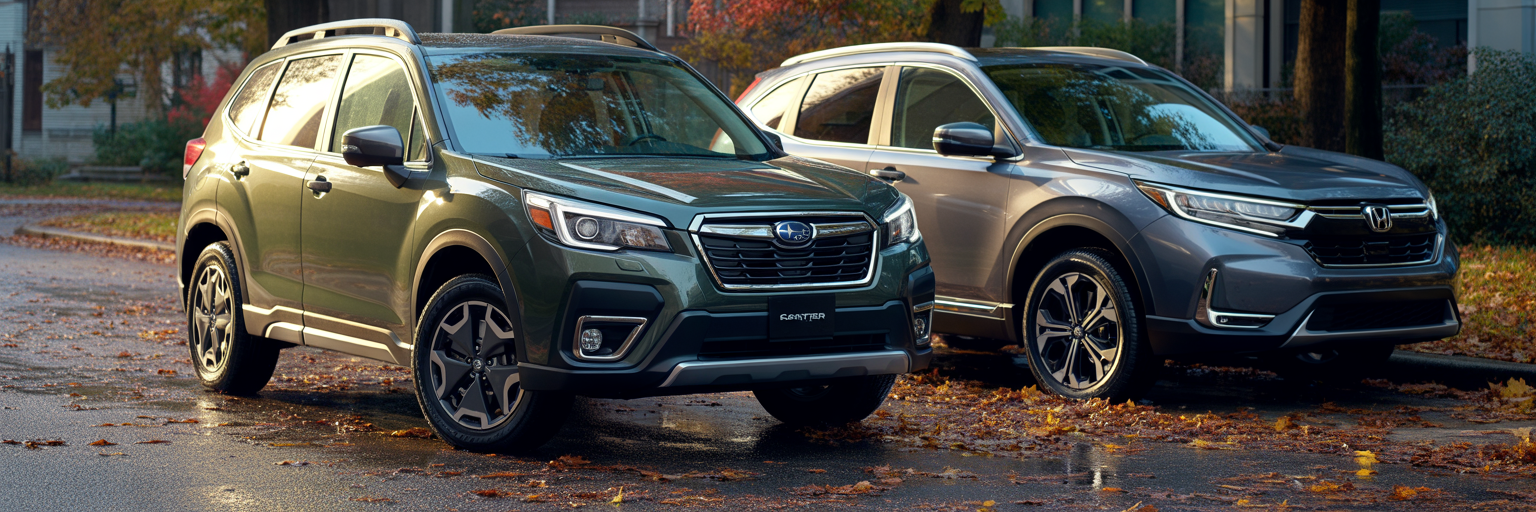
When the weather turns foul, the theoretical differences between two SUVs become tangible realities. For families in regions with four distinct seasons, a vehicle’s ability to provide secure traction and a sense of control is paramount. Here, the Forester and CR-V showcase their fundamentally different engineering philosophies.
All-Wheel Drive Systems: A Tale of Two Philosophies
The most significant distinction lies in how each SUV puts power to the ground. The Subaru Forester comes standard with Symmetrical All-Wheel Drive, a full-time system that continuously sends power to all four wheels. This proactive approach means the system is always engaged, ready to distribute torque to the wheels with the most grip before significant slip even occurs. On an icy incline or a loose gravel road, this translates to a more immediate and stable feeling of traction from a standstill.
Conversely, the Honda CR-V offers an optional Real Time AWD system. In normal driving conditions, the CR-V operates primarily as a front-wheel-drive vehicle to maximize fuel efficiency. When the system detects the front wheels losing traction, it can then send power to the rear wheels. This reactive system is highly effective for dealing with wet pavement or light snow, but it can feel a step behind the Forester’s full-time setup in more demanding situations where instant grip is needed.
Ground Clearance and Traction Modes: The Off-Pavement Advantage
Beyond the AWD hardware, physical dimensions play a crucial role. The 2026 Forester boasts a generous 8.7 inches of ground clearance across all its gasoline trims. This extra height is a significant advantage in deep snow, preventing the vehicle’s underbelly from getting hung up on unplowed roads or ruts. The CR-V, with 7.8 inches on front-wheel-drive models and 8.2 inches on all-wheel-drive versions, is more than adequate for most conditions but lacks the Forester’s margin for clearing obstacles.
This advantage is amplified by Subaru’s X-Mode, a standard feature that enhances low-speed control. At the touch of a button, X-Mode optimizes the engine, transmission, and AWD system for slippery surfaces. Higher trims add a Deep Snow/Mud setting for even more challenging terrain. The CR-V’s standard Snow Mode is also helpful, adjusting throttle response and transmission behavior for slick roads, but it is a less aggressive and less versatile system than the Forester’s X-Mode.
The Critical Role of Tires
It is impossible to overstate this point: no all-wheel-drive system can overcome the limitations of the wrong tires. The factory-equipped all-season tires on both the Forester and CR-V are a compromise designed for quiet operation and long life in moderate climates. For those who regularly face snow and ice, investing in a set of dedicated winter tires or high-quality all-weather tires is the single most important safety upgrade you can make. These tires use special rubber compounds and tread designs that provide essential grip for braking and turning in the cold, something all-wheel drive alone cannot do. For anyone seeking the best family SUV for snow, the combination of the Forester’s AWD system and proper winter tires creates an exceptionally capable package.
| Feature | Subaru Forester | Honda CR-V |
|---|---|---|
| All-Wheel Drive System | Standard Symmetrical AWD (Full-Time) | Optional Real Time AWD (On-Demand) |
| Ground Clearance (Gas Models) | 8.7 inches | 7.8 inches (FWD) / 8.2 inches (AWD) |
| Specialized Traction Modes | Standard X-Mode with Snow/Dirt and Deep Snow/Mud settings | Standard Snow Mode |
| Practical Advantage | Proactive traction for deep snow, mud, and rough roads | Reactive traction, optimized for slippery pavement and light snow |
The Daily Drive: Comfort, Handling, and Visibility
While bad-weather capability is a crucial consideration, most families spend the majority of their time on dry pavement, commuting to work, running errands, and embarking on road trips. In these everyday scenarios, factors like ride comfort, cabin quietness, and ease of maneuvering take center stage. This is where the CR-V’s focus on refinement often shines.
Ride Quality and Cabin Noise
The Honda CR-V delivers a composed and comfortable on-road experience. Its suspension is tuned to absorb bumps and road imperfections with a sophisticated smoothness that feels more like a sedan than a traditional SUV. This makes it an excellent companion for long highway journeys and navigating pockmarked city streets, isolating passengers from the harshness of the road. The Forester, while by no means uncomfortable, has a firmer suspension setup. You feel more connected to the road, which some drivers prefer, but it can translate to a slightly busier ride over broken pavement. The trade-off for its rugged capability is a less isolating feel than the CR-V.
When it comes to cabin noise, the CR-V generally holds an edge. Honda has put significant effort into minimizing wind and road noise at highway speeds, creating a serene environment that reduces fatigue on long trips and makes conversations easier. The Forester’s upright design, while beneficial for visibility, can generate slightly more wind noise, and its boxer engine has a distinct thrum that is more present in the cabin than the CR-V’s turbocharged four-cylinder.
Outward Visibility: A Defining Safety Feature
Here, the tables turn dramatically in the Forester’s favor. Subaru has made outstanding outward visibility a brand hallmark, and the 2026 Forester is a prime example. Its tall, upright greenhouse, large windows, and remarkably thin pillars create a near-panoramic view of the surroundings. This design minimizes blind spots and makes it incredibly easy to judge the vehicle’s corners when parking or navigating tight spaces. It instills a powerful sense of confidence because you can simply see more of what is around you.
The CR-V, with its more stylish and aerodynamic shape, features a rising beltline and thicker roof pillars. While modern blind-spot monitoring systems help mitigate this, they are not a substitute for direct line of sight. Changing lanes, merging into traffic, and keeping an eye on pedestrians or cyclists is simply easier and more intuitive in the Forester due to its superior glass area.
Headlight Performance
Night driving confidence is another critical safety element. Both the 2026 Forester and CR-V come equipped with standard LED headlights across their model lines, a significant improvement over older halogen technology. Both systems provide bright, white light that illuminates the road ahead effectively. The Forester’s steering-responsive headlights, available on most trims, pivot with the steering wheel to light up corners, which is particularly useful on winding country roads. The CR-V’s headlights also offer excellent performance, with a wide and consistent beam pattern. For driving in rain or fog, both provide a clear view that helps drivers identify hazards sooner.
The Family Test: Space, Seating, and Cargo
An SUV’s ultimate test is how well it accommodates the chaotic reality of family life. This goes far beyond simple measurements of legroom or cargo volume. It is about the practical, hands-on experience of installing a car seat, loading a stroller, and finding a place for all the small items that accompany any family outing. This is where a detailed Subaru Forester family review reveals its strengths and weaknesses against the competition.
Car Seat Installation and Rear Passenger Room
For families with young children, installing a rear-facing car seat can be a frustrating exercise. The Honda CR-V excels in this area. Its wide-opening rear doors and generous rear legroom make it easier to maneuver a bulky seat into place. The LATCH anchors are generally easy to access, and the relatively flat rear seat cushion helps achieve a secure installation. The Forester also accommodates car seats well, but the CR-V’s slight advantage in rear legroom can make a noticeable difference, allowing the front-seat passenger to sit more comfortably.
For older children and adults, both vehicles offer comfortable rear seating. However, the CR-V’s longer wheelbase and clever packaging give it a slight edge in overall passenger space, making it feel a bit more open and airy for those in the back on long trips. Families looking for a vehicle that can grow with them will appreciate the flexibility offered by both, though the CR-V’s interior feels a touch more expansive.
Doors and Cargo: The Logistics of Loading
Getting a child into a car seat or loading groceries is made easier by thoughtful door design. The CR-V’s rear doors open to a near 90-degree angle, creating a massive aperture that simplifies the process of buckling in a wriggling toddler or lifting an infant carrier without contorting your body. The Forester’s doors open wide, but not to the same extreme as the CR-V’s.
When comparing Forester vs CR-V cargo space, looking at the numbers alone can be misleading. While both offer cavernous cargo holds, their shapes differ. The CR-V often boasts a slightly lower load floor, making it easier to lift heavy items like a large stroller or bags of soil for the garden. The Forester, in contrast, typically features a wider and more squared-off cargo opening, which can be advantageous for fitting bulky, boxy items like furniture or camping gear. For families planning frequent adventures, a vehicle like one of these is a great choice, and you can explore more options in our guide to the best family road trip vehicles that are not boring.
Cabin Storage for Everyday Life
A great family vehicle needs smart storage for the countless items that accumulate during daily travels. Both SUVs deliver thoughtful solutions, but with different approaches.
- Center Console: The CR-V typically features a deep, configurable center console bin that can swallow a purse or a small tablet. The Forester’s console is usually more straightforward but still offers ample space.
- Door Pockets: Both vehicles have large front door pockets with bottle holders, but the CR-V’s are often larger and more accommodating of oversized water bottles.
- Glove Box and Cubbies: You will find plenty of small storage nooks in both cabins for phones, keys, and snacks. Honda’s interior design often feels slightly more clever in its use of small, tiered storage trays.
Powertrains, Performance, and Fuel Economy
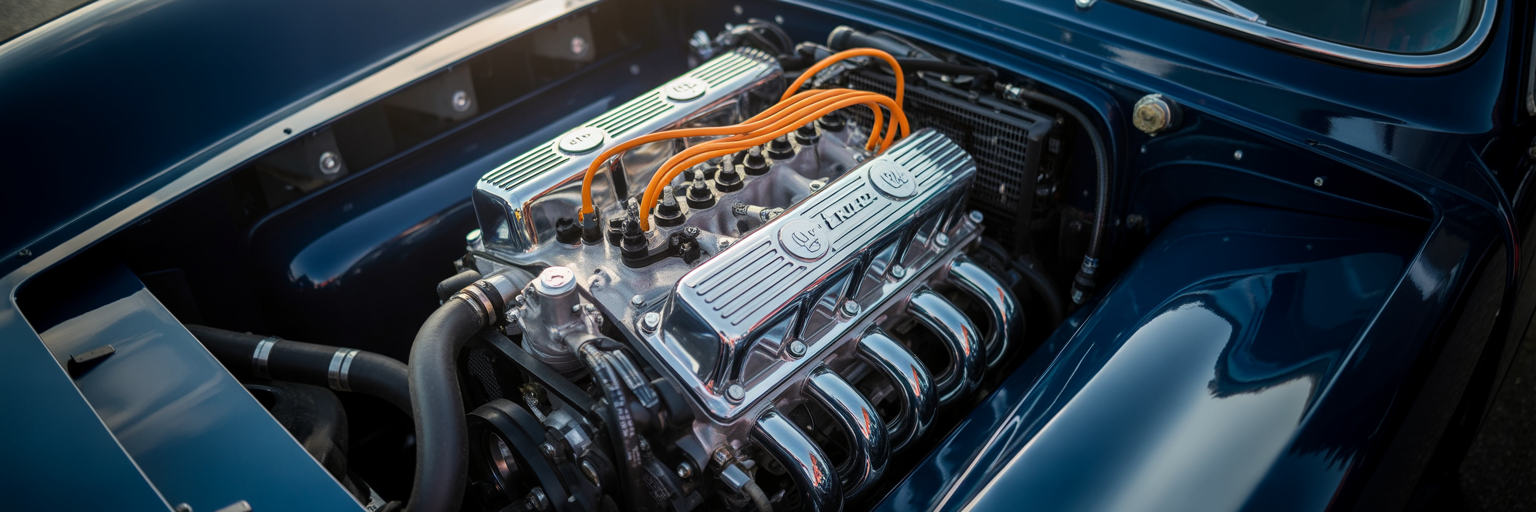
Under the hood, the Forester and CR-V continue their divergent paths. One relies on a proven, naturally aspirated engine, while the other embraces turbocharging and offers a highly efficient hybrid option. This section strictly separates the gasoline and hybrid models to provide a clear comparison of performance and efficiency.
Standard Gasoline Engines and Performance
The 2026 Subaru Forester is powered by a 2.5-liter “Boxer” four-cylinder engine. This naturally aspirated powerplant is known for its smooth, linear power delivery. Paired with a Continuously Variable Transmission (CVT), it provides adequate acceleration for city driving and highway merging. The engine’s character is steady and predictable, prioritizing reliability over outright performance. The CVT is programmed to simulate traditional gear shifts under hard acceleration, reducing the “droning” sound some drivers dislike.
The standard gasoline Honda CR-V uses a smaller 1.5-liter turbocharged four-cylinder engine. This motor delivers its power lower in the rev range, giving it a peppier feel from a stop. The turbo provides a satisfying surge of torque that makes the CR-V feel responsive and nimble in traffic. Its CVT is one of the best in the business, operating smoothly and unobtrusively in the background. For drivers who prefer a more energetic feel, the CR-V’s powertrain has a slight edge in perceived quickness. Learning how to keep your car’s engine running for years is key to maintaining this performance long-term.
The Hybrid Option: A Clear CR-V Advantage
This is a major point of differentiation. Honda offers a highly compelling CR-V Hybrid model that has become a cornerstone of its lineup. The hybrid system combines a gasoline engine with two electric motors to deliver a seamless blend of power and exceptional fuel economy, particularly in stop-and-go city driving. It operates with remarkable quietness and smoothness, providing instant electric torque for a refined driving experience. As of 2026, Subaru does not offer a hybrid version of the Forester in the United States market, giving the CR-V a decisive victory for buyers prioritizing maximum fuel efficiency.
Fuel Economy and Towing Limits
When comparing the standard all-wheel-drive gasoline models, the fuel economy race is tight, but the CR-V typically holds a small advantage thanks to its smaller engine and on-demand AWD system.
- Honda CR-V (1.5L Turbo AWD): The CR-V is expected to achieve an EPA-estimated combined rating of around 29-30 MPG.
- Subaru Forester (2.5L AWD): The Forester, with its full-time AWD system, generally lands slightly lower, with an EPA-estimated combined rating of around 28-29 MPG.
While a difference of one or two MPG may seem small, it can add up over a year of driving. The CR-V Hybrid, however, operates in a different league, often achieving combined ratings in the high 30s or even 40 MPG. As for utility, neither SUV is a towing champion. Both the standard Forester and CR-V are typically rated to tow a maximum of 1,500 pounds, which is sufficient for a very small utility trailer but not for campers or boats.
Ownership Experience: Cost, Reliability, and Safety
The purchase price is only the beginning of a vehicle’s total cost. A smart family car decision also considers long-term reliability, resale value, warranty coverage, and the effectiveness of its safety systems. Both Subaru and Honda have built strong reputations in these areas, but there are subtle differences worth noting.
Long-Term Costs and Resale Value
When it comes to CR-V vs Forester reliability, both brands are known for building durable vehicles that last. Historically, Honda has often held a slight edge in long-term dependability studies, but Subaru has made significant strides and is also considered a highly reliable choice. Understanding why some high-mileage cars age better than others can provide context for what to expect. Resale value is another strong suit for both. According to analysis from industry experts like Kelley Blue Book, both vehicles maintain strong resale value, though the CR-V has recently held a slight edge. This means you recoup more of your initial investment when it is time to sell or trade in, lowering the overall cost of ownership.
Warranty Coverage
The factory warranty coverage offered by both manufacturers is competitive and largely similar, providing peace of mind for the first few years of ownership. In the United States, both Subaru and Honda typically provide:
- Basic “Bumper-to-Bumper” Warranty: 3 years or 36,000 miles.
- Powertrain Warranty: 5 years or 60,000 miles.
This coverage protects against defects in materials and workmanship for the vehicle’s major components, including the engine and transmission.
Active and Passive Safety Systems
Both SUVs come standard with a comprehensive suite of active safety and driver-assistance features. Subaru’s system is called EyeSight, while Honda’s is known as Honda Sensing. Both include crucial technologies like automatic emergency braking, adaptive cruise control, and lane-keeping assist. In real-world use, both systems are effective. Subaru’s EyeSight is often praised for the smooth, human-like inputs of its adaptive cruise control. Honda Sensing is also highly refined, providing gentle steering assistance to keep the vehicle centered in its lane on the highway.
In terms of passive safety, which protects occupants in a collision, both the Forester and CR-V are engineered to perform at the highest level. They consistently earn top ratings from the Insurance Institute for Highway Safety (IIHS) and the National Highway Traffic Safety Administration (NHTSA), reinforcing that you are choosing between two fundamentally safe vehicles for your family.
The Final Verdict for Your Family
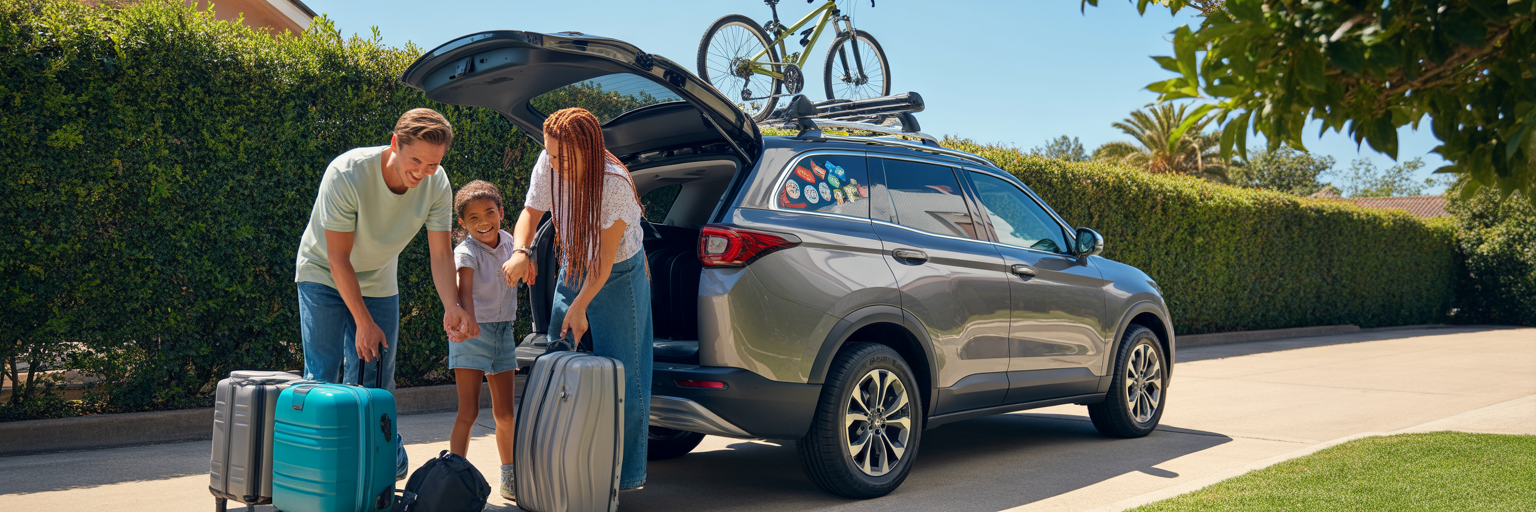
After comparing these two compact SUV titans across a range of real-world tests, it is clear there is no single winner. The best choice is not the Subaru Forester or the Honda CR-V; it is the one that best aligns with your family’s specific lifestyle, priorities, and geographic location. Both are excellent vehicles, but they excel in different and important ways.
The Subaru Forester’s core strengths are its unwavering all-weather capability, its rugged and practical design, and its truly exceptional outward visibility. It feels engineered from the ground up to provide confidence when conditions are at their worst. Its standard full-time all-wheel drive and generous ground clearance are not just marketing points but tangible assets for those who face challenging weather or enjoy venturing off the beaten path.
The Honda CR-V’s strengths lie in its masterful execution of on-road comfort, its incredibly spacious and flexible interior, and its class-leading fuel efficiency, especially in hybrid form. It is a vehicle designed to reduce the stress of daily life, with a smooth ride, a quiet cabin, and clever packaging that makes hauling people and cargo remarkably easy. It is the more refined and efficient choice for families whose lives are primarily lived on pavement.
To make your decision clearer, consider these final recommendations:
- The Subaru Forester is the better choice for families living in regions with significant snowfall, those who frequently travel on unpaved roads to access outdoor recreation, and drivers who place the highest premium on a commanding, unobstructed view of the road.
- The Honda CR-V is the ideal choice for families who prioritize maximum interior space and cargo flexibility for daily duties, those for whom fuel economy is a top financial consideration, and buyers who desire the smoothest, quietest ride possible for commuting and long-distance travel.
Ultimately, choosing between the Forester and the CR-V is a good problem to have. By honestly assessing your daily needs and weekend wants, you can confidently select the SUV that will serve as a reliable, safe, and capable partner for your family’s adventures for years to come.