Core Drivetrain Philosophies and Traction Control
When comparing these two popular all wheel drive compact cars, the conversation begins with their fundamental engineering. The choice between them is not just about features, but about two completely different approaches to putting power to the road. Subaru builds the Impreza around its Symmetrical All-Wheel Drive as a core, non-negotiable part of its identity. It is not an option, it is the foundation. This is in direct contrast to the Toyota Corolla, where all-wheel drive is an optional, efficiency-focused addition to a platform that is, at its heart, front-wheel drive.
This distinction in philosophy is the single most important factor in the Subaru Impreza vs Toyota Corolla AWD debate. One car is designed from the ground up for all-weather grip, while the other adds it as a helpful feature. Understanding this difference is key to choosing the right vehicle for your needs.
Subaru’s Proactive Approach: Symmetrical All-Wheel Drive
Subaru’s Symmetrical AWD is a full-time mechanical system. This means it is always on, continuously sending power to all four wheels. Think of it like wearing a good pair of all-terrain boots for a hike. The superior grip is always there, preventing a slip before it even has a chance to happen. This proactive nature is the system’s greatest strength. Power is instantly available at any wheel that has traction, providing a constant sense of stability. The design is further enhanced by the brand’s signature Boxer engine, whose longitudinal layout creates a balanced, symmetrical drivetrain from front to back. This inherent balance contributes to a lower center of gravity and more predictable handling, especially when conditions get tricky.
Toyota’s Reactive Strategy: Electronic On-Demand AWD
Toyota’s Electronic On-Demand AWD system operates with a different priority: fuel economy. For the vast majority of your daily driving on dry pavement, the Corolla AWD functions as a standard front-wheel drive car. It uses a network of sensors to monitor for wheelspin. Only when the front wheels begin to slip does the system react, engaging an electric motor to send power to the rear wheels. This is a reactive system, designed as a safety net for occasional slippery spots or a dusting of snow. It is not engineered for constant engagement with challenging terrain. The core theme here is “always-on” versus “on-demand.” The Impreza is prepared for a slip at all times, while the Corolla is designed to catch you after a slip begins.
Engine Output and Acceleration Dynamics
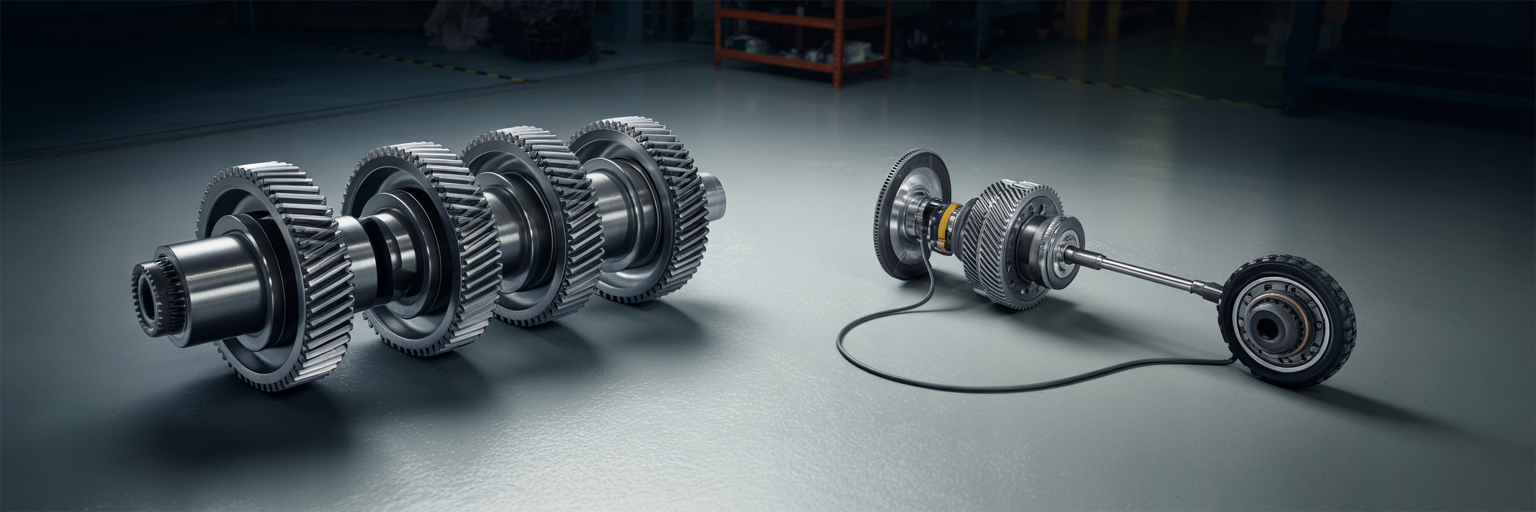
On paper, the 2026 Subaru Impreza and Toyota Corolla AWD seem closely matched, with both typically featuring a 2.0-liter four-cylinder engine. However, how that power reaches the pavement tells two different stories, especially when you move from a dry summer road to a slick autumn one. The numbers on a spec sheet do not always translate directly to the feeling you get behind the wheel.
Power on Paper vs. Power on Pavement
The concept of “drivetrain loss” is important here. The Impreza’s full-time AWD system, with its constantly spinning driveshafts and differentials, requires more engine power just to operate. On a perfectly dry, grippy road, this can make the Impreza feel a touch less brisk off the line compared to a FWD Corolla. But that script flips the moment traction becomes scarce. On a wet or snowy surface, the Impreza’s ability to put power down through all four wheels immediately results in more consistent, controlled acceleration. While the Corolla’s system waits to detect slip before reacting, the Impreza is already moving forward with confidence, leaving wheelspin behind.
The Role of the Continuously Variable Transmission (CVT)
Both vehicles utilize a Continuously Variable Transmission (CVT) to maximize fuel efficiency, but their tuning creates a different driver experience. We have all felt a CVT that seems to drone or feel disconnected, often described as a “rubbery” sensation. Manufacturers have worked to solve this by programming simulated “shift” points that mimic the feel of a traditional automatic transmission. The effectiveness of this programming varies. One car might feel more responsive and engaged, with crisp, simulated shifts during acceleration, while the other might prioritize absolute smoothness, which can sometimes feel less inspiring for the driver. Your preference for either a more traditional feel or a seamless wave of power will influence which car’s transmission feels better to you.
Comparing Fuel Economy and Ownership Costs
A car is more than a one-time purchase, it is a long-term financial commitment. When looking at the practical side of ownership, fuel economy and reliability become major factors. Here, the different engineering philosophies of Subaru and Toyota create clear trade-offs that will affect your wallet over the years. For more information on different car manufacturers and their approaches, you can check out our detailed section on brands.
The Unavoidable “AWD Penalty”
There is no way around it, running a full-time all-wheel drive system costs you a little at the pump. The Impreza’s slightly lower EPA-estimated MPG is a direct result of the mechanical drag and added weight of its Symmetrical AWD. This is the “AWD penalty.” It is best viewed as a straightforward trade-off: you pay a small, consistent price in fuel for the benefit of constant, superior traction and stability. In contrast, the Corolla AWD, especially the Hybrid model, is designed to minimize this penalty. By operating in FWD most of the time and using an efficient electric motor for the rear axle, it delivers AWD capability with a much smaller impact on its already excellent fuel economy.
Long-Term Reliability and Maintenance
Toyota’s reputation for exceptional reliability and low ownership costs is well-earned and a major selling point for the Corolla. The brand’s vehicles are known for their durability. While modern Subarus are certainly reliable cars, the added mechanical complexity of a full-time AWD system introduces more components that could potentially wear out over a very long ownership period. A system with more moving parts, like the Impreza’s, inherently has more potential for future repair costs compared to the Corolla’s simpler, electronically engaged system. This is a consideration for buyers who plan to keep their vehicle for a decade or more.
| Metric | Subaru Impreza (AWD Standard) | Toyota Corolla (AWD Models) |
|---|---|---|
| EPA Estimated MPG (Combined) | ~29-30 MPG | ~32-34 MPG (Gas) / ~47-50 MPG (Hybrid) |
| Drivetrain Type | Full-Time Mechanical AWD | Part-Time Electronic On-Demand AWD |
| Reputation for Reliability | Good | Excellent |
| Potential Long-Term Maintenance | Standard, with potential for AWD component wear | Generally lower, simpler AWD system |
Note: MPG figures are estimates for 2026 models based on current generation data. Reliability and maintenance costs are based on long-term industry trends and brand reputation.
Ride Quality and Daily Driving Comfort
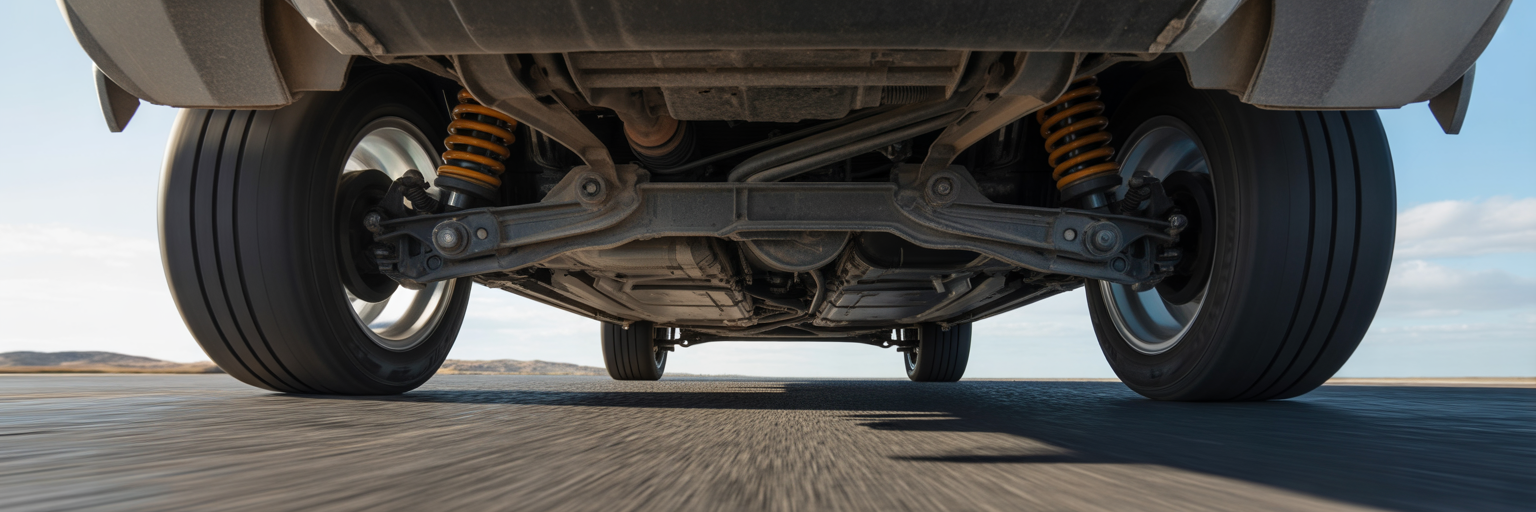
Beyond performance specs and fuel bills, how a car feels on your daily commute is critical. This is about ride quality, not just handling. We are talking about the experience on potholed city streets, cracked pavement, and gusty highways. The Impreza’s architecture gives it a distinct advantage in stability. The combination of its Symmetrical AWD and the low center of gravity from the Boxer engine makes it feel remarkably planted and composed. Over uneven surfaces or in strong crosswinds on the highway, the Impreza feels solid and secure, inspiring confidence.
The Toyota Corolla, on the other hand, is renowned for its smooth and comfortable ride. It excels at isolating passengers from minor road imperfections, making it an excellent and relaxing commuter car. However, its FWD-biased nature means it can feel less “locked-in” to the road compared to the Impreza, a difference you might notice at highway speeds during a rainstorm or on a windy day. The final piece of the comfort puzzle is cabin refinement. On a long trip, road and wind noise can be fatiguing. One of these vehicles will do a better job of creating a quiet, serene environment, making it the more pleasant companion for extended drives.
Handling Performance in Rain and Snow
This is where the engineering differences between these two cars become most apparent. For drivers who regularly face challenging weather, handling performance is not an abstract concept, it is a matter of safety and confidence. This direct comparison of handling characteristics is a perfect example of the in-depth analysis we provide. For more head-to-head vehicle showdowns, you can explore our versus category.
Confidence on Wet Roads
Picture yourself taking a sweeping highway on-ramp in a downpour. In the Subaru Impreza, the full-time AWD is actively distributing power to all four wheels, constantly searching for grip. This proactive management significantly reduces the chance of hydroplaning and provides a powerful sense of security as you steer through the corner. It is this feeling of unwavering stability that makes it one of the safest cars for wet roads. The Toyota Corolla AWD is certainly more capable than its FWD counterpart in these conditions. However, there can be a subtle, momentary delay as the system detects front-wheel slip and then sends power to the rear. That split-second reaction, while effective, can feel less confidence-inspiring than the Impreza’s always-on approach.
Mastering Snowy and Icy Conditions
The Impreza vs Corolla winter driving comparison is where the Subaru truly distinguishes itself. Imagine trying to start from a dead stop on an unplowed, icy hill. The Impreza’s Symmetrical AWD provides immediate traction to all four wheels, allowing it to claw its way forward with minimal drama. Navigating through deep, heavy slush feels more controlled because the system is not just reacting to slips, it is actively preventing them. The Corolla AWD can handle a light dusting of snow competently, offering a clear advantage over a FWD car. But in deeper accumulations or on icier surfaces, its reactive, FWD-biased system can struggle to find grip as effectively. For drivers in regions with serious winter weather, the Impreza is undeniably the best compact car for snow, offering a level of control that the Corolla’s system cannot match.
Interior Space, Comfort, and Practicality
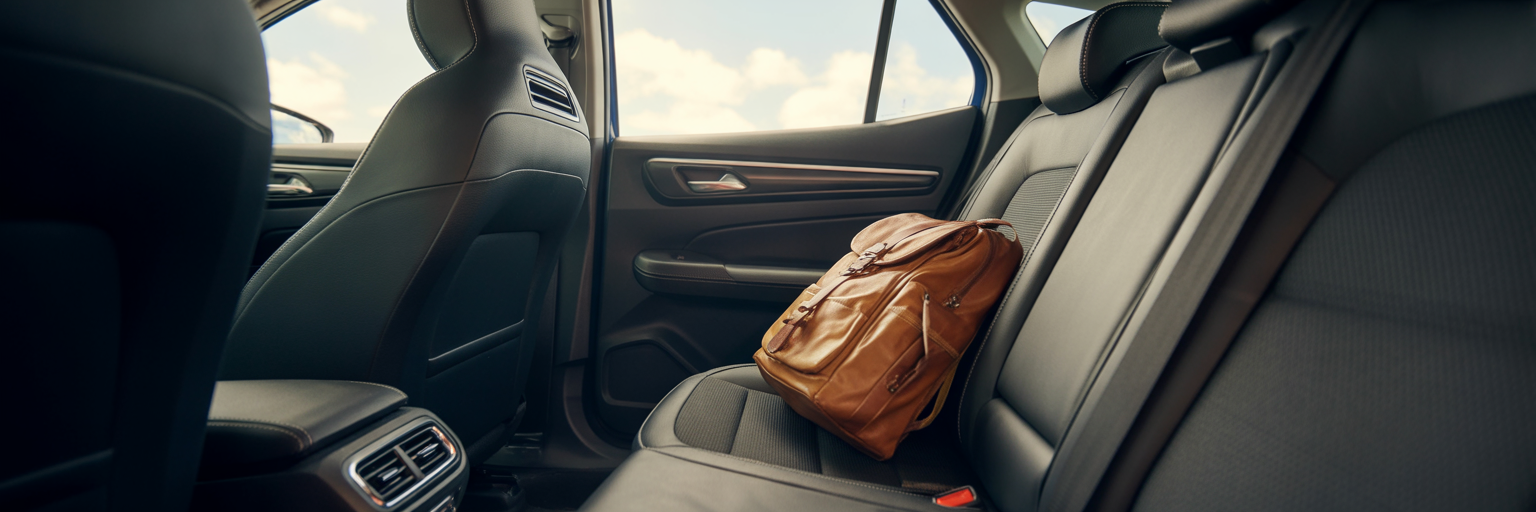
A car needs to work for your life, which means carrying people and their things comfortably. Inside, the 2026 Impreza and Corolla offer different takes on ergonomics and material quality. One might feature a more modern, tech-forward design, while the other prioritizes straightforward, durable controls. The perceived quality of the plastics on the dashboard, the fabric on the seats, and the touchpoints on the doors contribute significantly to the overall feeling of ownership.
When it comes to passenger space, details matter. The Impreza has often been noted for its generous rear-seat accommodations, making it a more comfortable choice for those who frequently have adults in the back. A quick look at the dimensions reveals the story:
- Front/Rear Headroom: How much space is there for taller occupants?
- Front/Rear Legroom: Can adults sit comfortably in the back without their knees hitting the front seats?
Cargo utility is just as important. Whether you choose the sedan or the more versatile hatchback, factors like the total volume of the cargo area, the width of the trunk opening, and the flexibility of split-folding rear seats determine how useful the car is for hauling groceries, sports equipment, or luggage for a weekend getaway. Even small details, like the placement of cupholders and the comfort of the seats on a long drive, make a big difference in daily usability. While these compacts offer great utility, some drivers may need even more capability. For those considering larger vehicles, it is worth exploring which 2025 trucks offer the best towing and fuel economy.
Infotainment, Connectivity, and Audio Systems
The center screen is the command hub of a modern car. Subaru’s STARLINK and Toyota’s Audio Multimedia systems are the gateways to navigation, music, and vehicle settings. The experience starts with the screen itself. Is it large, bright, and responsive to touch, or does it lag and wash out in direct sunlight? An intuitive user interface that makes it easy to find what you need without digging through menus is crucial for minimizing driver distraction.
Connectivity is non-negotiable in 2026. Both systems offer standard Apple CarPlay and Android Auto, but the availability of a wireless connection is a major convenience. We all know the frustration of a low phone battery, so the number and placement of USB charging ports, along with the option for a wireless charging pad, are practical features that matter every day. The audio experience also varies greatly. The standard sound systems provide basic functionality, but the available premium upgrades, typically a Harman Kardon system for Subaru and a JBL system for Toyota, offer a much richer sound. Each has its own signature, one might deliver powerful bass while the other excels with crisp, clear highs.
Comparing Advanced Safety Feature Suites
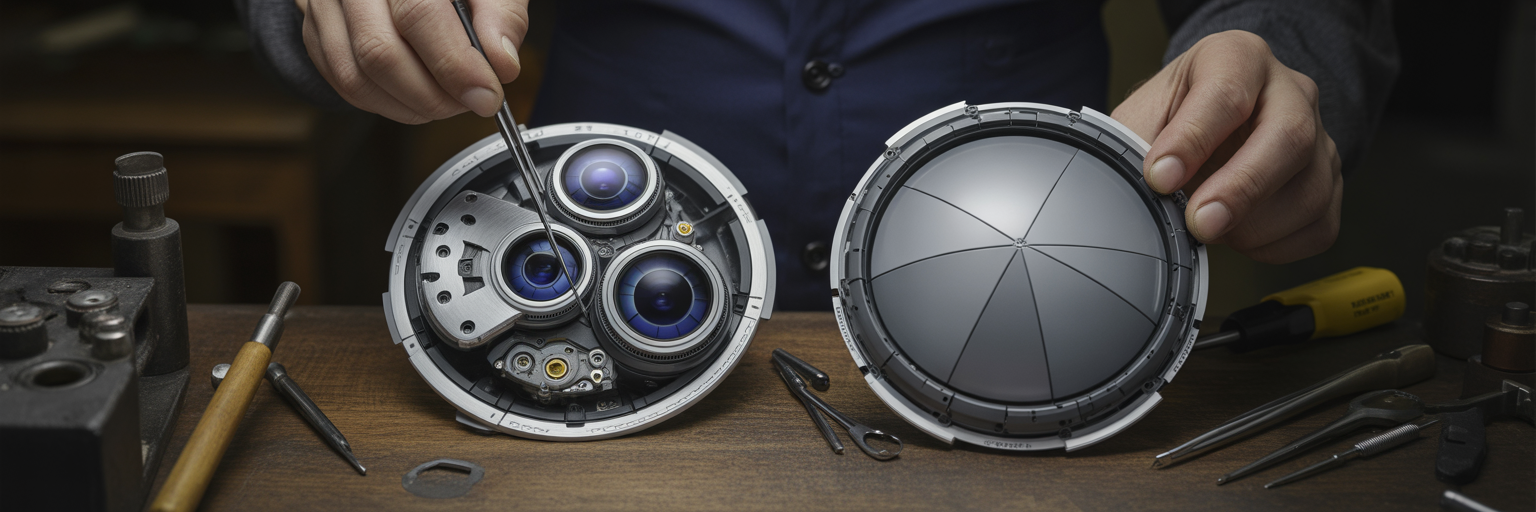
Modern safety is about more than just airbags and seatbelts. It is about advanced driver-assistance systems that can help prevent an accident from happening in the first place. Both Subaru and Toyota package these technologies into comprehensive suites, but they use different hardware to achieve their goals. Understanding the latest safety technologies is crucial for any car buyer, and for more articles that break down complex automotive topics, you can visit our informative section.
Subaru EyeSight: A Camera-Centric Approach
Subaru’s EyeSight system is unique because its primary sensors are a pair of forward-facing stereo cameras mounted near the rearview mirror. Much like human eyes, this setup allows the system to perceive depth with remarkable accuracy, making it effective at identifying pedestrians, cyclists, and other vehicles. Its core functions include:
- Pre-Collision Braking: Can automatically apply full braking force in an emergency.
- Adaptive Cruise Control: Maintains a set distance from the car ahead.
- Lane Keep Assist: Provides gentle steering inputs to keep the vehicle centered in its lane.
Toyota Safety Sense: A Multi-Sensor System
Toyota Safety Sense (TSS) typically employs a multi-sensor approach, combining a single forward-facing camera with a millimeter-wave radar sensor. This combination gives it different strengths. Radar, for instance, can be particularly effective at detecting objects in poor visibility conditions like heavy rain or fog. The corresponding features in the TSS suite include:
- Pre-Collision System with Pedestrian Detection: Designed to detect a vehicle or pedestrian and help mitigate or avoid a collision.
- Dynamic Radar Cruise Control: Similar to adaptive cruise, using radar to maintain distance.
- Lane Departure Alert with Steering Assist: Warns the driver of lane departure and can provide corrective steering.
Beyond the feature list, the real-world performance matters. Is one system’s adaptive cruise control smoother and more natural in stop-and-go traffic? Is the lane-centering feature subtle and helpful, or intrusive and annoying? These user-experience details, combined with top crash-test ratings from organizations like the IIHS and NHTSA, complete the safety picture.
The Verdict for Drivers in Snowy and Wet Climates
After comparing these two excellent vehicles, the choice comes down to your priorities and, most importantly, your local weather. The Subaru Impreza vs Toyota Corolla AWD decision becomes clear when you define what you need from your car on the worst days of the year.
The Toyota Corolla AWD stands as a monument to practicality. It is an incredibly efficient, reliable, and affordable compact car. Its on-demand AWD system is a valuable safety net, providing extra traction for drivers who face occasional bad weather but whose primary concerns are low ownership costs and maximum fuel economy. It is a sensible choice that adds a layer of security to an already smart package.
The Subaru Impreza, however, is a vehicle with a different purpose. It was engineered from the very beginning with all-weather performance as its guiding principle. Its standard Symmetrical All-Wheel Drive is not just a feature, it is the core of the car’s identity. It is designed for the driver who does not just encounter bad weather, but who must consistently and confidently navigate through it.
For drivers living in US regions with harsh winters and frequent, heavy rain, such as the Northeast, Midwest, or Pacific Northwest, the verdict is unambiguous. The Subaru Impreza is the superior choice. Its proactive, full-time AWD system provides a critical margin of safety, control, and driver confidence that is essential for getting where you need to go when the weather is at its worst. It is the car built for the storm, not just the shower.