Two Icons of All-Wheel-Drive Performance
For decades, two names have served as the benchmarks for accessible all-wheel-drive fun: Subaru WRX and Volkswagen Golf R. This is more than just a Subaru WRX vs Golf R comparison; it’s a clash of philosophies. On one side, you have the WRX, a direct descendant of rally stage legends, with a reputation for raw, mechanical feedback. It’s the car you feel through the steering wheel and the seat of your pants. On the other, the Golf R stands as the refined “super-hatch,” a marvel of German engineering that uses sophisticated technology to deliver breathtaking speed with precision.
The choice between them defines what you value as an enthusiast. Do you crave an unfiltered connection to the road, or do you prefer a digitally perfected driving machine that executes every command flawlessly? As we explore this classic hot hatch comparison, we’ll look beyond the spec sheets. We will analyze straight-line acceleration, cornering dynamics, interior refinement, and the all-important modification potential. Finally, we’ll break down the total ownership costs to help you decide which of these best AWD performance cars truly belongs in your garage. This is the kind of in-depth automotive analysis we live for here at CarPhanatics.
Acceleration and Powertrain Delivery
At the heart of this battle are two very different engines. The Subaru WRX uses its signature 2.4-liter turbocharged Boxer engine, producing 271 horsepower. Its flat design gives the car a naturally low center of gravity. The Volkswagen Golf R counters with a potent 2.0-liter turbocharged inline-four, putting out a healthier 315 horsepower. With a 44-horsepower advantage, you’d expect the Golf R to walk away from the WRX in a drag race, but the reality is far more interesting.
According to performance data from FastestLaps, both cars can reach 60 mph in around 4.5 seconds. How is this possible? The answer lies in how they deliver their power.
- Gearing and Transmission: The Golf R’s dual-clutch DSG transmission is a masterpiece of efficiency, firing off shifts instantly. Its gearing is optimized for rapid acceleration from a standstill.
- Launch Control: Volkswagen’s launch control system is ruthlessly effective. It manages engine revs and clutch engagement with digital precision, eliminating wheelspin and ensuring a perfect start every time.
- Power Delivery: The WRX delivers its power with a characteristic turbo surge that enthusiasts love. It feels visceral and exciting. In contrast, the Golf R’s power delivery is a smooth, relentless wave of torque that pulls hard all the way to redline without any drama.
The numbers on paper are nearly identical, but the experience couldn’t be more different. The WRX gives you a satisfying shove in the back, while the Golf R provides a seamless, almost electric surge of speed.
Handling Dynamics and All-Wheel-Drive Systems
The debate over Golf R vs WRX handling comes down to two distinct all-wheel-drive philosophies. Both cars provide immense grip, but they achieve it in fundamentally different ways, which you can read more about in our other automotive news and comparisons. The result is a unique feel in the corners that defines each car’s character.
Subaru’s Symmetrical All-Wheel Drive: The Rally Legacy
Subaru’s Symmetrical AWD is a purely mechanical system, born from the mud and gravel of the World Rally Championship. Its design is beautifully simple and effective. Power flows from the Boxer engine through the transmission and is distributed continuously to all four wheels. This creates an inherent balance and predictability that you can feel. When you push the WRX into a corner, the feedback is direct and communicative. You feel what the tires are doing, allowing you to make small adjustments with confidence. It’s an analog experience that rewards a skilled driver, providing a sense of connection that many modern cars lack.
Volkswagen’s 4MOTION with Torque Vectoring: The Digital Edge
The Golf R’s 4MOTION system represents the cutting edge of AWD technology. It features an advanced rear differential with two multi-plate clutches that can distribute up to 100% of the rear torque to a single wheel. This R-Performance Torque Vectoring actively combats understeer by sending more power to the outside rear wheel in a turn, effectively pushing the car’s nose into the corner. It even enables a “Drift Mode” for track use. Paired with adaptive dampers, the Golf R feels like a surgical instrument. It’s incredibly precise, stable, and forgiving, allowing you to carry astonishing speed through corners with minimal effort.
Interior Technology and Daily Practicality
Performance is only part of the ownership experience. When you’re not carving up back roads, which car is the better place to be? The answer depends entirely on your priorities. The Golf R’s cabin feels like it belongs in a car costing thousands more. The materials are soft to the touch, the fit and finish are exceptional, and the overall ambiance is one of understated luxury. The WRX, by contrast, offers a functional, driver-focused cockpit. The plastics are harder and the design is more utilitarian, but every control is exactly where you expect it to be.
The differences become even clearer when you compare their technology and comfort features:
- Digital Displays: The Volkswagen Digital Cockpit is a highlight, offering crisp graphics and extensive customization. The Subaru STARLINK system, with its large vertical touchscreen, is functional but can feel less integrated and responsive than the VW’s interface.
- Material Feel: There’s a clear distinction between the Golf R’s premium, soft-touch surfaces and the WRX’s durable, hard-wearing plastics. The VW simply feels more upscale.
- Comfort and Refinement: The Golf R provides a quieter ride thanks to better sound insulation. Features like available memory seats and a more refined suspension make it a more comfortable daily driver.
Finally, there’s the question of practicality. The Golf R’s hatchback design offers superior cargo versatility, making it easy to haul bulky items. The WRX is a traditional sedan, which some buyers may prefer, but its trunk opening is smaller. Ultimately, the Golf R is the easier car to live with every day, while the WRX never lets you forget you’re in a performance machine.
The Aftermarket Scene and Modification Potential
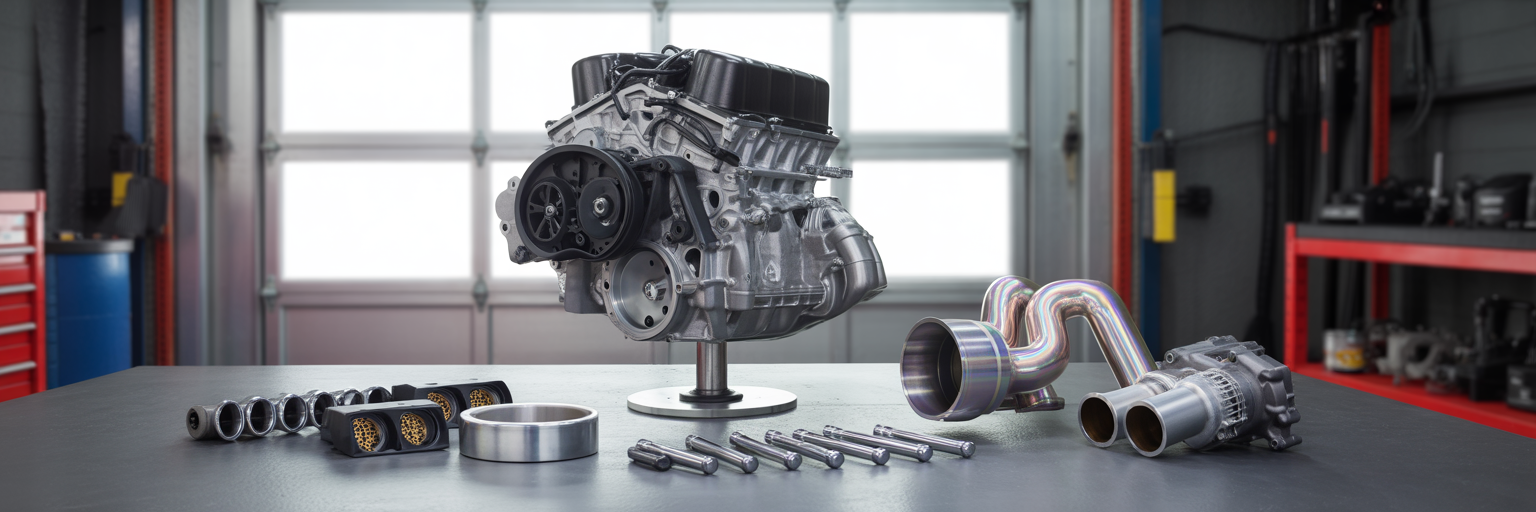
For many enthusiasts, buying the car is just the beginning. The aftermarket is where you truly make a car your own, and this is where the WRX has a legendary advantage. The WRX modding potential is immense. For over two decades, a massive community has been built around this platform. This means there is a vast and accessible supply of parts for everything from engine tuning and suspension upgrades to cosmetic enhancements. The WRX is a true “blank canvas” for the hands-on owner who enjoys the process of building and tinkering, and our DIY section is a great resource for those starting out.
The Golf R also has a healthy tuning scene, particularly for its EA888 engine, which can produce significant power with a simple software tune. However, its sophisticated electronics and integrated systems can make modifications more complex and expensive. Upgrades often require specialized shops familiar with the VW platform. The Golf R is perfect for the owner who wants a car that is nearly perfect from the factory but may seek high-end, specialized upgrades later on. The choice is clear: the WRX is for the builder, while the Golf R is for the driver who prefers a turnkey solution.
Analyzing Long-Term Ownership and Value
A smart purchase decision goes beyond the initial sticker price. When you analyze the Golf R cost of ownership against the WRX, a clearer financial picture emerges. The Subaru WRX typically has a more accessible starting price, making it the easier entry point into all-wheel-drive performance. However, the story continues with depreciation, maintenance, and running costs, which can differ significantly just as they do when comparing trucks with the best towing and fuel economy.
Here is a breakdown of how these two rivals compare over a typical five-year ownership period:
| Metric | Subaru WRX | Volkswagen Golf R |
|---|---|---|
| Starting MSRP (Approx.) | ~$33,000 | ~$46,000 |
| 5-Year Depreciation Rate | ~31.1% | ~33.2% |
| 5-Year Value Loss (Approx. $) | ~$10,263 | ~$15,272 |
| Fuel Economy (Combined) | ~22 MPG | ~26 MPG |
| Maintenance Character | Readily available parts | Specialized, potentially higher cost |
Note: MSRP figures are approximate for base models. Depreciation data is based on a 5-year analysis from iSeeCars. Fuel economy and maintenance costs are estimates and can vary based on driving habits and location.
The data reveals some interesting insights. A study from iSeeCars shows that while the depreciation percentages are similar, the Golf R’s higher initial price means you lose significantly more money in absolute dollar terms over five years. The WRX holds its value exceptionally well. Furthermore, insurance premiums for the premium-branded Volkswagen are often higher, and maintenance can be more costly due to the need for specialized parts and labor. The WRX benefits from a wider network of independent shops and more affordable parts. For the budget-conscious enthusiast, the long-term value proposition of the WRX is hard to ignore.