Two Leading Choices for the Modern American Family
The compact SUV has become the unofficial family car of America. For millions, it is the default choice, a do-it-all vehicle that handles school runs, grocery hauls, and weekend road trips with equal competence. Within this crowded field, the 2026 Volkswagen Tiguan and Toyota RAV4 stand out not just as sales leaders, but as symbols of two distinct approaches to family transportation. This is the classic matchup: meticulous German engineering versus legendary Japanese reliability.
The choice between them often comes down to what a family values most. The Tiguan appeals to those who appreciate a quiet, comfortable ride and an interior that feels a step above its price point. It represents a certain sophistication, a focus on the daily driving experience and clever, flexible packaging. On the other side of the Volkswagen Tiguan vs Toyota RAV4 debate is the undisputed benchmark for dependability. The RAV4 is the sensible, pragmatic choice, built on a foundation of efficiency, utility, and the promise of years of trouble-free service.
Making this decision can feel overwhelming. On the surface, they seem so similar, yet their character is fundamentally different. This comparison will go beyond the spec sheets to dissect every aspect that matters to a family. We will explore how they feel to drive, how they accommodate passengers and cargo, and what they will cost to own over the years. Our goal is to make this complex choice clearer, helping you find the best family SUV 2026 for your specific needs. A great resource for more vehicle comparisons can be found by exploring different models and their direct competitors.
Engine Performance and Acceleration Feel
How an engine feels in daily traffic is often more important than its on-paper horsepower figures. The Tiguan and RAV4 offer distinctly different experiences from the moment you press the accelerator, each tailored to a different type of driver.
The Turbocharged Surge vs. The Naturally Aspirated Standard
The Volkswagen Tiguan is powered by a 2.0-liter turbocharged engine that feels engineered for modern city and suburban life. Its secret is delivering power early and quietly. You do not need to rev the engine hard to get moving. A gentle press on the pedal produces a smooth, confident surge of torque that makes merging onto a busy highway or pulling away from a stoplight feel effortless. It operates with a refined hush, rarely needing to strain, which contributes to a more peaceful cabin environment.
In contrast, the standard Toyota RAV4 uses a larger 2.5-liter four-cylinder engine without a turbo. Its power delivery is predictable and linear, building steadily as the engine speed climbs. While perfectly adequate for any driving situation, it needs to work harder to deliver its peak performance. This means you will hear it more, especially when accelerating briskly or climbing a steep hill. It feels less refined than the Tiguan’s powertrain, trading that quiet surge for a proven, straightforward mechanical design that has served Toyota drivers for years.
The Hybrid Advantage: Toyota’s Ace in the Hole
Where the RAV4 truly separates itself is with its hybrid powertrain. This is Toyota’s most compelling argument in the performance debate. At low speeds, like when navigating a crowded parking lot or creeping through a school pickup line, the RAV4 Hybrid can operate on silent electric power alone. The transition between electric and gas power is seamless, creating a serene driving experience the Tiguan cannot match.
The immediate benefit is fuel economy. The hybrid system shines brightest in stop-and-go traffic, the very environment where traditional gas engines are least efficient. This translates into significant savings at the pump over the life of the vehicle. The electric motor also provides an instant torque boost from a standstill, making the RAV4 Hybrid feel surprisingly quick off the line. For many buyers, these advantages make the hybrid the definitive RAV4 to choose. The decision comes down to priorities: the Tiguan offers refined torque for a premium feel, the standard RAV4 provides simple and proven mechanics, and the RAV4 Hybrid delivers exceptional efficiency.
On-Road Comfort and Handling Dynamics
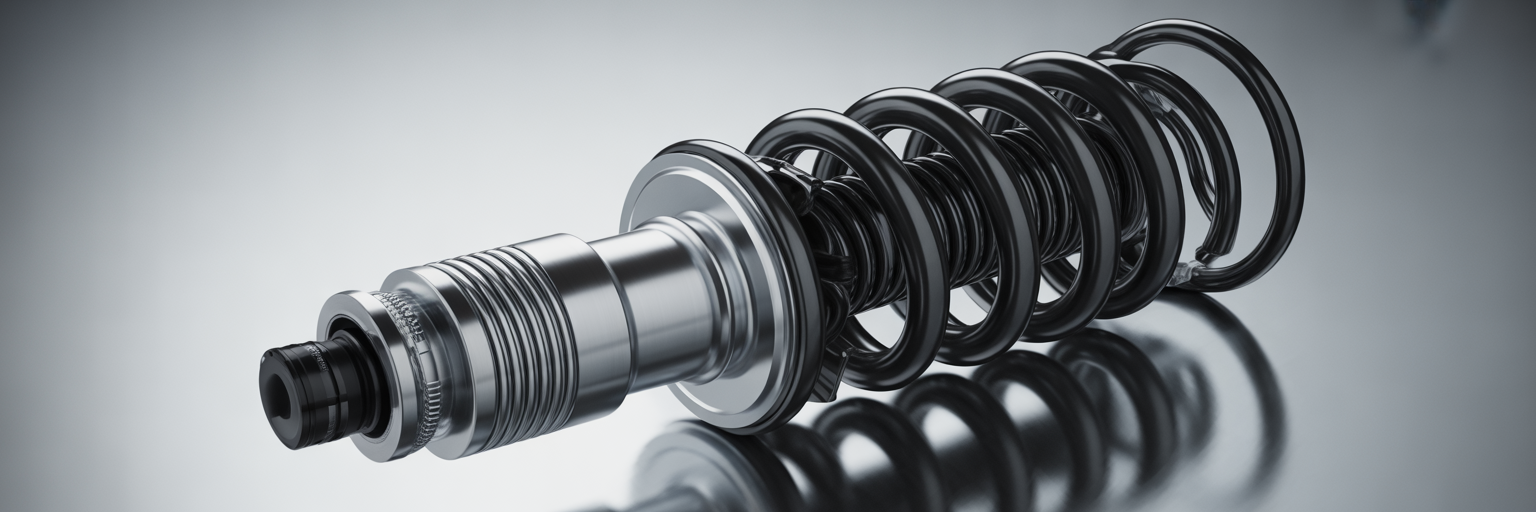
Beyond how quickly they accelerate, the way these SUVs connect you to the road defines the daily driving experience. The Tiguan and RAV4 showcase two different philosophies on what makes a family vehicle feel comfortable and secure, from the suspension that soaks up bumps to the steering that guides you through tight parking lots.
Suspension Tuning: A Tale of Two Philosophies
The Volkswagen Tiguan prioritizes ride quality above almost all else. Its suspension is tuned with a softness that glides over road imperfections. Potholes, expansion joints, and rough city pavement are absorbed with a composure you might expect from a more expensive luxury vehicle. This makes the Tiguan an exceptional long-distance cruiser and a serene commuter on less-than-perfect roads. For families who spend a lot of time in the car, this level of comfort can be a deciding factor, making it a top contender for the compact SUV with best ride comfort. The ride is smooth and isolated, protecting passengers from the harshness of the outside world.
The Toyota RAV4, on the other hand, has a firmer and more connected ride. You feel more of the road surface, which can give the driver a better sense of what the tires are doing. While the suspension is certainly competent and never feels harsh, it does not isolate passengers from bumps as effectively as the Tiguan. On a smooth highway, the difference is minimal, but on a patched-up city street, the RAV4’s ride is noticeably busier. This tuning gives it a feeling of rugged capability, but it comes at the expense of the plush comfort found in its German rival.
Steering and Maneuverability for Daily Life
In the real world of suburban errands, steering feel matters. The Tiguan’s steering is light and precise, requiring minimal effort to navigate a crowded grocery store parking lot or execute a three-point turn. This ease of use does not translate to nervousness at higher speeds. On the highway, it feels stable and planted, inspiring confidence. It is a system designed to reduce driver fatigue and make the car feel smaller and more nimble than it is.
The RAV4’s handling is best described as secure and predictable. The steering is weighted to feel substantial and safe, but it lacks the sporty engagement some drivers might prefer. Its primary mission is to provide dependable control in all conditions, from sunny days to snowy commutes. It does exactly what you ask of it without any surprises. While these SUVs are built for comfort, understanding how different vehicles are tuned for various tasks, such as those discussed in an analysis of trucks with the best towing and fuel economy, can provide context on engineering priorities.
Cabin Space, Materials, and Passenger Room
A family SUV is more than just a mode of transport; it is a mobile living room, a locker room, and a dining area all in one. How the Tiguan and RAV4 utilize their interior space and the materials they choose reveal their core priorities for the families they serve.
Passenger Accommodations: Front and Rear
Up front, both SUVs offer comfortable and supportive seats with plenty of adjustability for a long drive. The real difference emerges in the second row. The Volkswagen Tiguan benefits from a longer wheelbase, and that extra length is immediately noticeable in its rear legroom. For families with growing teenagers or those who need to install bulky rear-facing car seats, this extra space is a significant advantage. It means more comfort on long trips and less complaining from the back seat.
Material Philosophy: Premium vs. Utilitarian
Stepping into the Tiguan feels like entering a vehicle from a class above. The design is clean, minimalist, and distinctly European. Volkswagen uses a generous amount of soft-touch plastics on the dashboard and door panels, and the overall fit and finish give it a near-luxury ambiance. It is an interior designed to impress and provide a sense of calm and order.
The Toyota RAV4 takes a completely different approach. Its cabin is a fortress of functionality. The design is more rugged, with chunky knobs and a focus on durability. While you will find more hard plastics, they are textured and assembled to withstand the rigors of family life. This is an interior built to endure spilled drinks, muddy shoes, and years of use without showing significant wear. It prioritizes longevity and practicality over plush materials, a trade-off many families will appreciate.
Cargo and Small-Item Storage
When it comes to hauling gear, the numbers can be deceiving. While the RAV4 often boasts a slight advantage in total cargo volume behind the second row, the usability of that space is key. Both offer low load floors and wide openings, making it easy to slide in strollers or sports equipment. However, the small details of daily life are where one might pull ahead. Which one has larger, more useful door pockets for water bottles and snacks? Is the center console storage bin big enough to hide a small purse or tablet? These are the questions that arise during a busy week, and the answer often depends on how well the designers anticipated the clutter of family life.
The Third-Row Question: Tiguan’s Flexible Seating
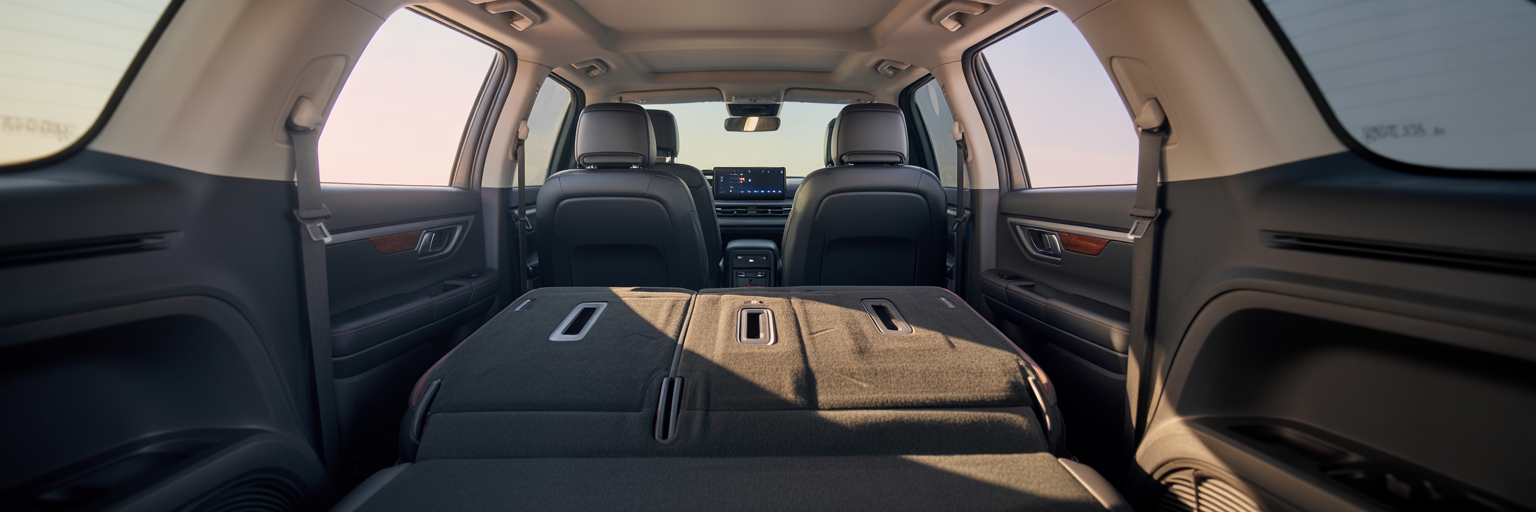
One of the most significant distinctions in the Volkswagen Tiguan vs Toyota RAV4 comparison is a feature the Tiguan offers that the RAV4 does not: an optional third-row seat. This single feature can be a deciding factor for a specific type of family, but it is crucial to understand its real-world limitations.
Let’s be perfectly clear in this Tiguan third row review: this is not a substitute for a full-size, three-row SUV like a VW Atlas or Toyota Grand Highlander. Think of it as a “just-in-case” solution. It is the automotive equivalent of having a couple of folding chairs for unexpected guests. They are invaluable when you need them for a short time but not intended for everyday use. This third row is best suited for small children on short trips, like bringing a couple of extra friends home from soccer practice or a quick run to the ice cream shop.
Understanding the trade-offs is essential. Here is a breakdown of the pros and cons:
- Pro: It provides unmatched flexibility in the compact SUV class. For the parent who occasionally needs to carpool, it means not having to take two cars.
- Pro: It allows a family to avoid the higher cost, larger footprint, and worse fuel economy of a bigger mid-size SUV if they only need extra seating sporadically.
- Con: When the third-row seats are in use, cargo space is dramatically reduced to a small sliver behind the seats, barely enough for a few grocery bags.
- Con: Even when the seats are folded down, the cargo floor sits higher than in the standard two-row Tiguan, which slightly compromises total storage capacity.
The ideal buyer for the three-row Tiguan is the family that prioritizes this occasional flexibility above all else. They understand the seats are for short-term use and are willing to trade a bit of cargo utility for the ability to carry seven people in a pinch. For this family, it is a game-changing feature that the RAV4 simply cannot match. For families who don’t need the third row, exploring other practical options like the best hybrid SUVs under $35k might be a more suitable path.
Infotainment, Connectivity, and Audio Experience
In 2026, the screens and speakers in a car are just as important as the engine. This is the technology a family interacts with every single day, from navigating to a new park to keeping kids entertained on a long drive. The Tiguan and RAV4 approach their digital interfaces with different priorities, affecting usability and overall enjoyment.
Touchscreen Usability and Interface Design
Volkswagen’s MIB infotainment system generally features a clean, modern graphic design. Its menus are logically structured, though some functions can be buried a layer or two deep. Toyota’s Audio Multimedia system, by contrast, often prioritizes large, easy-to-hit icons and a simpler layout. The responsiveness of both systems is typically quick, but the user experience can be defined by a simple, crucial element: physical controls. We have all been there, trying to poke a precise spot on a screen while driving on a bumpy road. The presence of a physical volume knob and dedicated climate control buttons, which one or both vehicles may offer, is a massive win for usability and safety, allowing for quick, eyes-free adjustments.
Premium Audio Showdown: Fender vs. JBL
For those who see the car as a personal concert hall, the optional premium sound systems are a key consideration. The Tiguan often offers a system tuned by Fender, a brand famous for its guitar amps. This system typically delivers a sound signature known for its warmth and clarity, excelling with rock, acoustic, and vocal-heavy music. It produces a balanced, natural sound that is easy to listen to for hours.
The RAV4’s available JBL audio system usually takes a different approach. Known for its expertise in concert sound, JBL systems tend to deliver a more powerful, bass-forward experience. This can be thrilling for listening to pop, hip-hop, and electronic music, with a punchy low end that you can feel. The choice between them is purely subjective, like choosing between different types of headphones.
Digital Cockpits and Device Integration
Beyond the center screen, the driver’s instrument cluster has gone digital. Volkswagen’s Digital Cockpit is highly customizable, allowing the driver to prioritize information, from a full-screen navigation map to detailed trip data. Toyota’s digital clusters are also clear and functional, but may offer less customization. For the modern family, however, the most critical feature might be the number and placement of charging ports. A car full of kids is a car full of devices. The SUV that thoughtfully places a mix of USB-A and USB-C ports for both front and rear passengers is the one that will maintain peace on a road trip.
Advanced Safety Systems for Family Peace of Mind

For anyone buying a family vehicle, nothing is more important than safety. Both Volkswagen and Toyota have made advanced safety features standard, but how these systems perform in the real world can vary significantly. This is a critical area where both models compete to be among the safest compact SUVs for families.
Both the Tiguan and RAV4 come equipped with comprehensive safety suites, known as Volkswagen’s IQ.DRIVE and Toyota’s Safety Sense. These packages bundle essential technologies like Automatic Emergency Braking with Pedestrian Detection, Blind Spot Monitoring, and Rear Cross-Traffic Alert. While the feature lists look similar, the true test is in their execution. The goal of these systems is to act as a seamless, unobtrusive copilot, not an annoying backseat driver.
The key difference lies in the refinement. For instance, how does the lane-centering assist behave? A good system provides gentle, subtle steering inputs to keep you centered, making long highway drives less fatiguing. A poorly tuned one can feel jerky, constantly fighting the driver for control of the wheel. Similarly, how smoothly does the adaptive cruise control manage speed in traffic? Does it brake abruptly and accelerate aggressively, or does it maintain a comfortable distance with smooth inputs? As noted in an Edmunds comparison, both vehicles are well-equipped, but the user experience of these systems can differ.
Beyond the active systems, it is important to consider unique technologies. One vehicle might offer a superior 360-degree camera system with a crystal-clear display, making parking in tight spots much easier. Another might have more advanced semi-autonomous driving features for hands-free assistance in specific conditions. Finally, passive safety remains paramount. Always check the latest crash test ratings from official organizations like the Insurance Institute for Highway Safety (IIHS) and the National Highway Traffic Safety Administration (NHTSA). While both SUVs are engineered to be safe, small differences in crashworthiness can make a big difference.
Reliability, Maintenance, and Long-Term Costs
The purchase price is just the beginning of a car’s total cost. The financial reality of owning a vehicle over five or ten years is determined by fuel, maintenance, insurance, and perhaps most importantly, depreciation. In the Volkswagen Tiguan vs Toyota RAV4 matchup, this is where the philosophical differences between the two brands become most apparent in your bank account.
We have to address brand reputations directly. Toyota has built an empire on a foundation of bulletproof reliability and low running costs. The RAV4 long term ownership cost is one of its single biggest selling points. Volkswagen, while having made significant strides in dependability over the past decade, still trails Toyota in most long-term reliability studies. This reputation gap has a direct impact on the ownership experience.
The RAV4’s higher resale value is a massive financial advantage. It acts like a savings account, returning a larger portion of your initial investment when you decide to sell or trade it in. The RAV4 Hybrid amplifies the savings even further. The annual fuel cost difference can easily add up to thousands of dollars over the ownership period. While initial purchase prices can be close, as noted by TrueCar, the long-term costs tell a different story. Simple maintenance, like knowing how to clean headlights with toothpaste, can save money over time, but the fundamental differences in reliability and resale value are more impactful.
| Factor | Volkswagen Tiguan | Toyota RAV4 (Gas) | Toyota RAV4 (Hybrid) |
|---|---|---|---|
| Predicted Reliability | Average | Excellent | Excellent |
| Average Annual Fuel Cost | ~$2,100 | ~$1,950 | ~$1,400 |
| 5-Year Resale Value | Average | High | Very High |
| Typical Maintenance | Standard scheduled maintenance | Lower-cost routine maintenance | Lower-cost routine maintenance |
Note: Fuel costs are estimates based on 15,000 miles per year and representative fuel prices. Resale value and reliability are based on historical data from leading consumer advocacy groups and market trends.
The Final Verdict for Your Growing Family
After comparing every detail, from the feel of the engine to the long-term cost of ownership, it is clear there is no single winner. The best family SUV 2026 is not the same for everyone. The right choice depends entirely on what your family values most. The Tiguan and RAV4 are both excellent vehicles, but they are built to satisfy two very different sets of priorities. The decision comes down to a simple question: are you buying a vehicle for the journey or for the destination?
To make it simple, we have created two distinct buyer profiles. See which one sounds more like your family.
You should choose the 2026 Volkswagen Tiguan if:
- You prioritize a smooth, quiet ride and an interior that feels more premium than its competitors.
- You need the occasional flexibility of a third-row seat for carpools or carrying extra family members, and you understand its limitations.
- You value a more refined and comfortable daily driving experience and are willing to trade potential long-term savings for it.
You should choose the 2026 Toyota RAV4 if:
- Your top priorities are rock-solid reliability, low maintenance costs, and strong resale value.
- You want the best possible fuel economy and see the Hybrid model as a smart long-term financial investment.
- You view your vehicle as a practical, dependable tool and value peace of mind above all else.
Ultimately, the best way to decide is to experience them for yourself. We strongly encourage you to test drive both vehicles on roads you travel every day. Bring the family, install the car seats, and see which one feels like the right fit for your garage and your life. For more automotive insights, readers can always visit the CarPhanatics homepage.