Two Pillars of the Compact Sedan Market
For over fifty years, the Toyota Corolla and Honda Civic have been fixtures on American roads. They are often the first new car someone buys or the default choice for a reliable daily driver. Their enduring success isn’t an accident; it’s built on a foundation of engineering for reliability, maximizing efficiency, and delivering exceptional value. These cars have earned their place as titans of the industry through decades of consistent performance.
As we look at the 2026 models, we see the latest chapter in this long-standing rivalry. Both sedans have evolved significantly, incorporating modern technology, advanced safety features, and contemporary designs that keep them competitive. Yet, their core identities remain firmly intact. The Corolla continues to be the benchmark for dependability, while the Civic champions a more spirited and engaging driving experience.
This guide serves as a comprehensive resource to help you navigate the differences between these two icons. We will dissect every critical aspect, from engine performance and real-world fuel economy to interior practicality and the total cost of ownership. Our goal is to provide a clear, data-driven framework to help you decide which of these legendary sedans is the right fit for your life.
Engine Performance and Powertrain Options
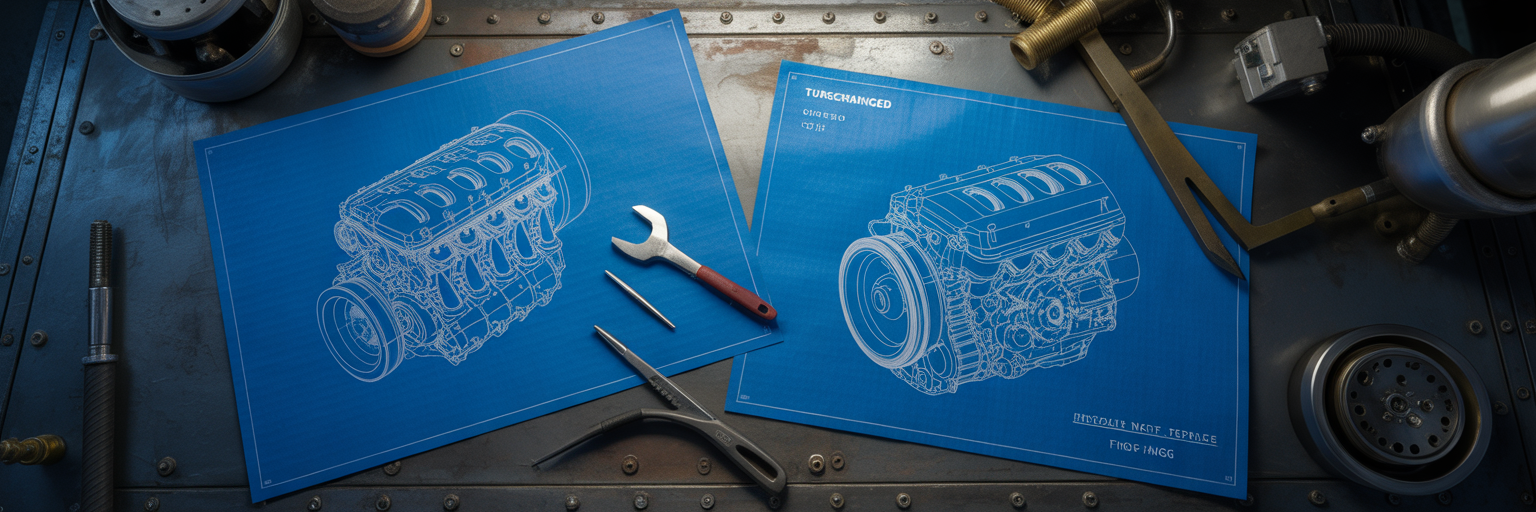
The way a car feels when you press the accelerator is a core part of its personality. In the Toyota Corolla vs Honda Civic debate, this is where their philosophies diverge most clearly. One prioritizes smooth predictability, while the other leans into responsive power.
Standard Engines: Dependability vs. Responsiveness
The 2026 Toyota Corolla comes standard with a 2.0-liter four-cylinder engine producing around 169 horsepower. Its performance can be described as perfectly adequate and reassuringly smooth. It gets you up to highway speed without drama and handles daily commuting with quiet competence. There are no surprises here, which is exactly what many Corolla buyers want. The Civic’s standard engine, by contrast, often feels a bit more eager from a stop, with a throttle response tuned for a greater sense of immediacy.
Turbocharged Power: The Civic’s Clear Advantage
For drivers who want more than just “adequate,” the Honda Civic offers a clear advantage with its available turbocharged engines. These powertrains, which can produce up to 330 horsepower in high-performance variants, transform the car’s character. A detailed 2026 Honda Civic review would highlight this as a standout feature. In practical American driving, this means effortless merging onto fast-moving freeways and confident passing maneuvers on two-lane roads. It’s the primary reason a driving enthusiast would choose the Civic, as it delivers a genuinely spirited and engaging experience that the standard Corolla simply doesn’t aim to match.
Hybrid Philosophies: Efficiency vs. Balanced Performance
The differences continue with their hybrid systems. The Corolla Hybrid is singularly focused on one goal: maximizing miles per gallon. Its powertrain is engineered for seamless, almost invisible operation in city traffic and relaxed highway cruising. It’s quiet, efficient, and completely unobtrusive. The Civic Hybrid, however, takes a different approach. It blends strong efficiency with a more powerful electric motor assist, offering a compelling middle ground. You get excellent fuel economy without sacrificing the responsive feel that makes the Civic enjoyable to drive. The choice is clear: the Civic is for buyers who prioritize power and a fun-to-drive character, while the Corolla is engineered for maximum dependability and efficiency.
Fuel Economy and Hybrid Efficiency
While the previous section focused on power, this one is all about the numbers at the pump and their impact on your wallet. The Corolla vs Civic fuel economy comparison is tight, but the differences reveal each car’s primary mission. For standard gasoline models, both cars are exceptionally efficient. The Corolla and Civic trade blows, with EPA estimates hovering around 35-36 MPG combined. Real-world results will depend on your driving style, but both are leaders in the segment for non-hybrid efficiency.
The real efficiency champions, however, are the hybrid models. Here, the Corolla Hybrid establishes itself as the leader, with combined ratings that can reach up to 52 MPG. According to analysis from sources like Car and Driver, the Corolla Hybrid consistently posts some of the highest MPG figures in the non-plug-in compact class, making it a benchmark for fuel savings. It is the ultimate choice for drivers whose top priority is minimizing fuel expenses. The Civic Hybrid is not far behind, with an excellent rating of up to 50 MPG. This presents a direct question to the buyer: is the marginal gain of 2 MPG with the Corolla worth forgoing the Civic Hybrid’s more responsive powertrain?
| Powertrain | Toyota Corolla (Combined MPG) | Honda Civic (Combined MPG) |
|---|---|---|
| Standard Gasoline | ~35 MPG | ~36 MPG |
| Hybrid | ~52 MPG | ~50 MPG |
| Performance (Turbo) | N/A | ~28-31 MPG |
Note: Figures are estimates based on 2025 model year data and industry projections for 2026. Actual EPA ratings may vary. Performance figures for the Civic apply to turbocharged, non-hybrid models.
To put this in perspective, let’s consider a driver covering 15,000 miles per year with gas at $3.50 per gallon. The Corolla Hybrid owner would spend approximately $990 annually on fuel, while the Civic Hybrid owner would spend about $1,050. That $60 annual difference is tangible, but for some, it may be a small price to pay for a more engaging drive. For those interested in other fuel-efficient options, exploring the best hybrid SUVs under $35k can provide additional context on value-oriented hybrids in the market.
Ride Comfort and On-Road Handling
Beyond the engine’s power, the way a car feels on the road defines the daily driving experience. The Corolla and Civic offer distinct sensations from behind the wheel, catering to different driver preferences. The Toyota Corolla’s suspension is tuned with one primary goal in mind: comfort. It excels at soaking up the kinds of road imperfections common on American streets, from potholes to jarring expansion joints. The ride is serene and composed, effectively isolating passengers from the harshness of the road. This makes the Corolla an exceptionally pleasant and relaxing daily companion, especially on long commutes.
Building on that comfortable foundation, the Honda Civic offers a slightly different character. Its suspension is generally firmer, which provides the driver with more feedback from the road surface. This creates a more connected and engaged feeling, but it can also mean a slightly less plush experience on rough or broken pavement compared to the Corolla. While it remains comfortable for daily use, you are more aware of the road beneath you.
This firmer setup directly contributes to the Civic’s handling prowess. It has a well-earned reputation for sharp, precise steering and an agile chassis that feels nimble and eager to change direction. On a winding country road, the Civic is undeniably the more “fun-to-drive” option, rewarding an enthusiastic driver with its responsive nature. It feels light on its feet and encourages you to enjoy the drive.
In contrast, the Corolla’s handling has seen significant improvements in recent generations, making it surprisingly capable and secure. It may not offer the sporty edge of the Civic, but its steering is predictable and its road-holding is stable, inspiring confidence in the average driver. The Corolla strikes an excellent balance between comfort and control, whereas the Civic tilts the scale toward a more dynamic and engaging driving experience. For more head-to-head analyses, our collection of vs articles offers similar deep dives.
Interior Space and Practicality
A compact sedan has to be more than just a car; it has to be a practical partner for daily life. When it comes to interior space, the Honda Civic holds a clear and significant advantage. This is most apparent in the back seat. The Civic consistently offers more generous rear legroom and headroom, making it the superior choice for anyone who frequently transports adult passengers. Whether you’re part of a carpool, have a growing family, or drive for a ride-sharing service, that extra space makes a world of difference.
The Civic’s practicality extends to its cargo capacity. Both sedans offer useful trunks, but the Civic’s is larger. The real differentiator, however, is the availability of a hatchback model for both cars. Here again, the Civic’s more versatile design provides more room for everything from luggage for a family vacation to bulky items from a weekend hardware store run.
| Dimension | Toyota Corolla | Honda Civic |
|---|---|---|
| Rear Legroom | ~34.8 inches | ~37.4 inches |
| Sedan Trunk Volume | ~13.1 cu ft | 14.8 cu ft |
| Hatchback Cargo Volume | ~23.0 cu ft | 24.5 cu ft |
Note: Dimensions are based on 2025 models and are subject to minor changes for 2026. These figures represent typical measurements and can vary slightly by trim.
In terms of interior design, the Toyota Corolla vs Honda Civic comparison shows two different approaches to quality. The Corolla has made major strides, featuring a clean, functional layout with soft-touch materials on key surfaces. Its ergonomics are straightforward and no-fuss. The Civic, on the other hand, presents a more modern and stylish aesthetic. Design elements like its signature honeycomb mesh air vents create a visually interesting cabin that may appeal more to a design-conscious buyer. Finally, small details like the size and placement of cupholders, center console storage, and door pockets are thoughtfully executed in both cars, but the Civic’s larger overall cabin often translates to slightly more generous storage solutions.
Infotainment and Audio Experience

In-car technology is no longer an afterthought; it’s a central part of the driving experience. The Corolla and Civic approach their infotainment systems with different user philosophies. The Toyota Corolla’s system is a model of intuitive, straightforward design. It wisely retains physical knobs for volume and tuning, a feature many drivers appreciate for making quick adjustments without taking their eyes off the road. Its menu structure is simple and easy to learn, making it a great choice for those who prioritize functionality over flash and want to minimize distraction.
The Honda Civic’s infotainment offerings feel more modern and screen-dependent. It often features larger available touchscreens and more customization options, appealing to tech-forward buyers who want a contemporary digital experience. While its feature-rich interface may have a slightly steeper learning curve, it rewards users with a high degree of personalization. Both systems, critically, offer smartphone integration. Apple CarPlay and Android Auto are available across most trims, but it’s important to check which models offer the convenience of a wireless connection versus a traditional wired one, as this can be a key deciding factor.
The audio experience also differs, especially with the premium upgrades.
- Standard Systems: The base audio in both cars is perfectly adequate for casual listening, news, and podcasts. They deliver clear sound but lack the depth and power of the upgraded systems.
- Premium Upgrades: The Corolla offers a branded JBL system, while the Civic partners with Bose. The JBL system is often noted for its punchy bass and crisp sound, while the Bose system is known for creating a wider, more immersive soundstage. The choice between them comes down to personal listening preference and whether the extra cost is justified for your daily commute.
For more helpful tips and guides on vehicle technology and maintenance, our informative section has a wealth of knowledge.
Advanced Safety Features and Ratings
For many buyers, nothing is more important than safety. Fortunately, both the Corolla and Civic make advanced safety technology a standard feature, not an expensive option. Both vehicles come equipped with comprehensive safety suites: Toyota Safety Sense and Honda Sensing. These packages establish a high baseline of protection, making either car an excellent choice for safety-conscious families. Core technologies in both include:
- Pre-Collision System with Pedestrian Detection
- Lane Departure Alert with Steering Assist / Lane Keeping Assist System
- Adaptive Cruise Control
- Automatic High Beams
While the standard features are similar, there are subtle differences in their real-world performance. For example, some drivers may find one system’s adaptive cruise control to be smoother in the stop-and-go traffic that defines a daily commute, making it the best compact sedan for commuting from a driver-assist perspective. Additionally, features like Traffic Sign Recognition or a more advanced Traffic Jam Assist may be available on a wider range of trims for one brand over the other. As noted by Consumer Reports in their comparisons, both sedans consistently receive high marks for safety, though the performance of their active safety systems can differ in refinement.
Beyond active safety tech, both cars are built with strong structural integrity. They consistently earn top crash-test ratings from the two main U.S. safety authorities, the Insurance Institute for Highway Safety (IIHS) and the National Highway Traffic Safety Administration (NHTSA). It is always worth checking the latest tests, as one model might gain a slight edge in a specific area, such as the updated side-impact test or headlight performance ratings. Ultimately, both cars are exceptionally safe, but small differences in the tuning of their driver-assist features might be the deciding factor for a particular buyer.
Reliability History and Long-Term Value
A car is a long-term investment, and few vehicles protect that investment better than the Corolla and Civic. The Toyota Corolla’s defining trait is its legendary, almost bulletproof reliability. Its history is one of low maintenance requirements, inexpensive repairs, and exceptional durability. The 2026 Toyota Corolla reliability is expected to continue this legacy, making it the single most compelling argument for buyers who want a trouble-free ownership experience. It consistently earns top rankings in owner satisfaction and reliability surveys for a reason. A simple maintenance task like knowing how to clean headlights with toothpaste can keep it looking new for years, contributing to its high resale value.
The Honda Civic is also one of the most reliable vehicles in its class, with a strong reputation for quality engineering. However, it’s worth noting that the introduction of more complex technologies, like small-displacement turbocharged engines, can introduce different long-term maintenance considerations compared to the Corolla’s traditionally simpler, naturally-aspirated powertrains. While still exceptionally dependable, the Civic’s engineering philosophy is slightly more complex.
This difference in reputation can influence long-term value. Both models are leaders in holding their value, which significantly lowers the total cost of ownership. However, the Corolla’s unparalleled reputation for reliability often gives it a slight but measurable edge in the used car market after five or ten years. This is a key factor in its total cost of ownership, which goes beyond the sticker price and fuel costs to include insurance premiums, scheduled maintenance, and depreciation. When all factors are considered, the Corolla is likely to be the most economical choice over a decade of ownership, reinforcing its slight financial advantage in the long run.
The Final Verdict: Which Sedan Fits Your Lifestyle?
After comparing every aspect of these two class leaders, the choice comes down to your personal priorities. Both the 2026 Toyota Corolla and Honda Civic are outstanding vehicles, but they excel in different areas. Here is our final recommendation based on your lifestyle:
- For the Daily Commuter: The Toyota Corolla Hybrid is the clear winner. Its superior fuel economy, supremely comfortable ride designed to reduce the stress of traffic, and its focus on low-cost, low-worry operation make it the ideal partner for the daily grind.
- For the Student or Younger Buyer: The Honda Civic is the better fit. Its sportier handling, more powerful engine options, and modern interior styling are key draws. Crucially, its superior cargo versatility, especially in hatchback form, is perfect for moving to a dorm, weekend adventures, and carrying friends.
- For the Long-Term Owner: This is the closest contest, and it comes down to a critical trade-off. The Toyota Corolla wins for the buyer seeking the absolute lowest cost of ownership and the unmatched peace of mind that comes with its proven reliability. However, for a long-term owner who also values everyday practicality and driving enjoyment, the Honda Civic’s more spacious interior and engaging performance might make it the better car to live with for a decade.