The Electric SUV Showdown: Two Mainstream Contenders
The first wave of electric vehicles was a story of pioneers and performance, dominated by early adopters willing to embrace new technology. Now, the EV market has moved into its next chapter. The real battle is for the American driveway, and it is being fought with practical, family-focused SUVs. At the center of this contest are two compelling options: the Volkswagen ID.4 and the Toyota bZ4X.
The Volkswagen ID.4 is the product of a ground-up electric strategy. Built on VW’s dedicated modular electric platform (MEB), it was designed from the start to be a true “people’s electric car.” It carries the ambition of its predecessors, the Beetle and the Golf, aiming to make EV ownership accessible and desirable for the masses. Its design philosophy is rooted in maximizing the potential of an electric-only architecture.
In the other corner, the Toyota bZ4X represents a more calculated and deliberate entry into the battery-electric space. It arrives carrying the immense weight of Toyota’s global reputation for reliability, manufacturing excellence, and practicality. The bZ4X isn’t trying to reinvent the automobile; instead, it aims to deliver a familiar, trustworthy Toyota experience in an electric package. It’s a vehicle built on a foundation of consumer trust.
This fundamental difference in philosophy shapes every aspect of these two vehicles. One is a vision of the future, built from scratch. The other is a trusted formula adapted for a new era. To help you decide which is the best electric SUV for families, this comparison will explore their performance, daily driving dynamics, interior practicality, technology, safety, and the total cost of ownership. Let’s see which one is the right fit for your life.
Performance and Range: A Tale of Two Powertrains
Power Delivery and Acceleration
On paper, the performance gap between these two electric SUVs is immediately apparent. The all-wheel-drive Volkswagen ID.4 boasts up to 295 horsepower, a figure that translates into a confident and assertive driving feel. We all know that moment when you need to merge onto a busy highway; the ID.4 delivers that power with an immediacy that inspires confidence, pushing you back in your seat with a satisfying surge. It feels responsive and ready to go, whether pulling away from a stoplight or executing a quick pass.
The Toyota bZ4X, even in its all-wheel-drive configuration, tops out at 214 horsepower. While that number may seem modest in comparison, its power delivery is perfectly suited for its mission. The acceleration is smooth, linear, and more than adequate for urban and suburban life. It gets up to speed without any drama, providing a calm and predictable experience. It’s less about thrilling acceleration and more about effortless, quiet competence. For many drivers, this is all the performance they truly need. The contrast in powertrains is clear, as we’ve seen in other matchups like our comparison between the Toyota RAV4 and Tesla Model Y, where different engineering goals lead to distinct driving characters.
Real-World Range and Charging
When it comes to the VW ID.4 range and performance, its larger battery options give it a distinct advantage. With an EPA-estimated range of up to 280 miles in certain trims, it offers a significant psychological buffer against range anxiety. The Toyota bZ4X, with a maximum range of around 252 miles, is perfectly capable for daily commuting but may require more planning on longer trips. That extra 30 miles in the ID.4 can mean the difference between reaching your destination without a stop or having to build in a 40-minute charging session.
This range disparity is a key consideration for anyone who frequently travels beyond their city limits. According to an analysis by AutoTrader.ca, the ID.4’s larger battery options give it a noticeable edge in both acceleration and maximum range over the bZ4X. When it is time to charge, both vehicles support DC fast charging. The crucial metric here is the time it takes to get from a low state of charge, like 10%, back up to 80%. While charging speeds are similar, the ID.4’s slightly faster peak charging rate can shave a few valuable minutes off a roadside stop, getting you back on your journey quicker.
On the Road: Ride Comfort and Handling Dynamics
Suspension and Ride Quality
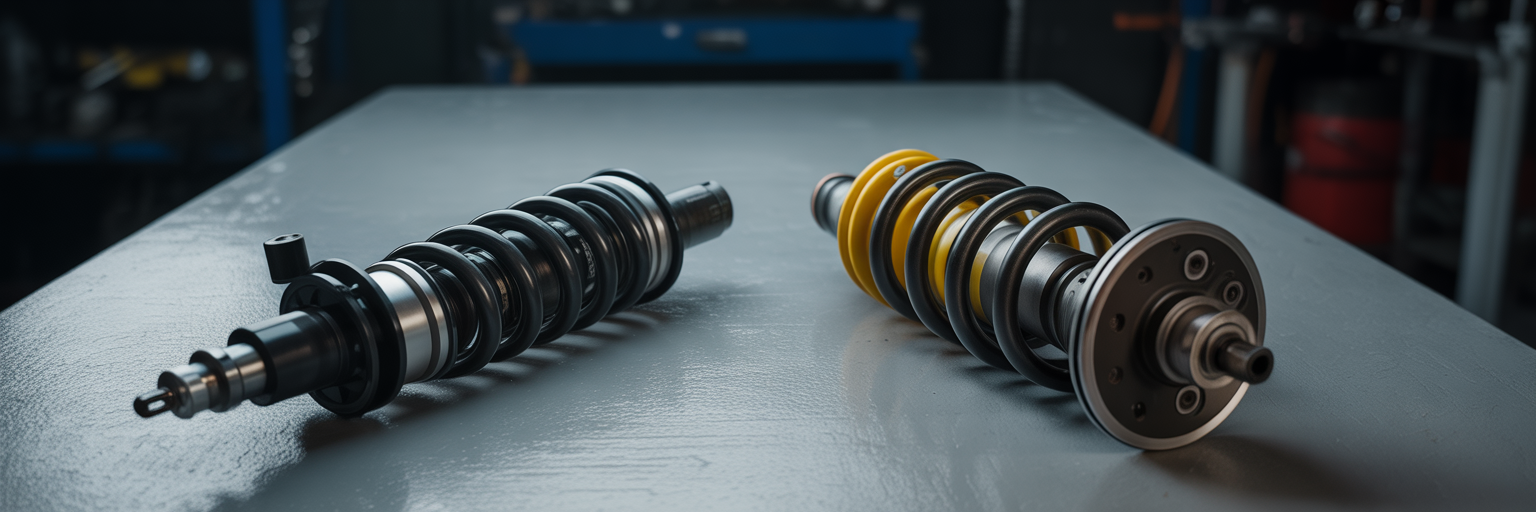
Moving beyond raw numbers, the driving feel of these two SUVs reveals their distinct personalities. The Volkswagen ID.4 rides with a composure that reflects its German heritage. It feels solid, planted, and exceptionally quiet, absorbing road imperfections with a firm yet sophisticated damping. You feel connected to the road without being punished by it. It’s the kind of ride that makes a long highway drive feel shorter, filtering out harshness while maintaining a sense of control.
In contrast, the Toyota bZ4X prioritizes a softer, more isolated experience. True to Toyota’s long-standing focus on comfort, its suspension is tuned to soak up bumps and potholes with remarkable ease. The ride is plush and serene, creating a tranquil cabin environment that shields passengers from the chaos of the outside world. If your daily commute involves navigating cracked pavement and uneven city streets, the bZ4X’s ability to glide over imperfections will be a welcome relief. It’s a vehicle designed with passenger comfort as its highest priority.
Steering and Cornering
The differences continue when you guide these SUVs through a corner. Thanks to its dedicated EV platform and low-slung battery pack, the ID.4 has a lower center of gravity. This results in flatter, more controlled cornering that makes it feel surprisingly agile for its size. The steering is weighted nicely, offering precision and feedback that encourages a more spirited driving style on a winding road. It’s an engaging and refined experience that will satisfy the driver in you.
The bZ4X’s handling is best described as safe, predictable, and secure. It does what you ask of it without any surprises, but it also exhibits more noticeable body roll when pushed. The steering is lighter, which makes maneuvering in tight parking lots a breeze, but it feels less communicative at higher speeds. The bZ4X isn’t trying to be a sports car; it’s a comfortable cruiser. The trade-off is clear: the ID.4 offers a more driver-focused experience, while the bZ4X delivers a relaxed, passenger-friendly commute.
Inside the Cabin: Space, Technology, and Comfort
Design Philosophy and Layout
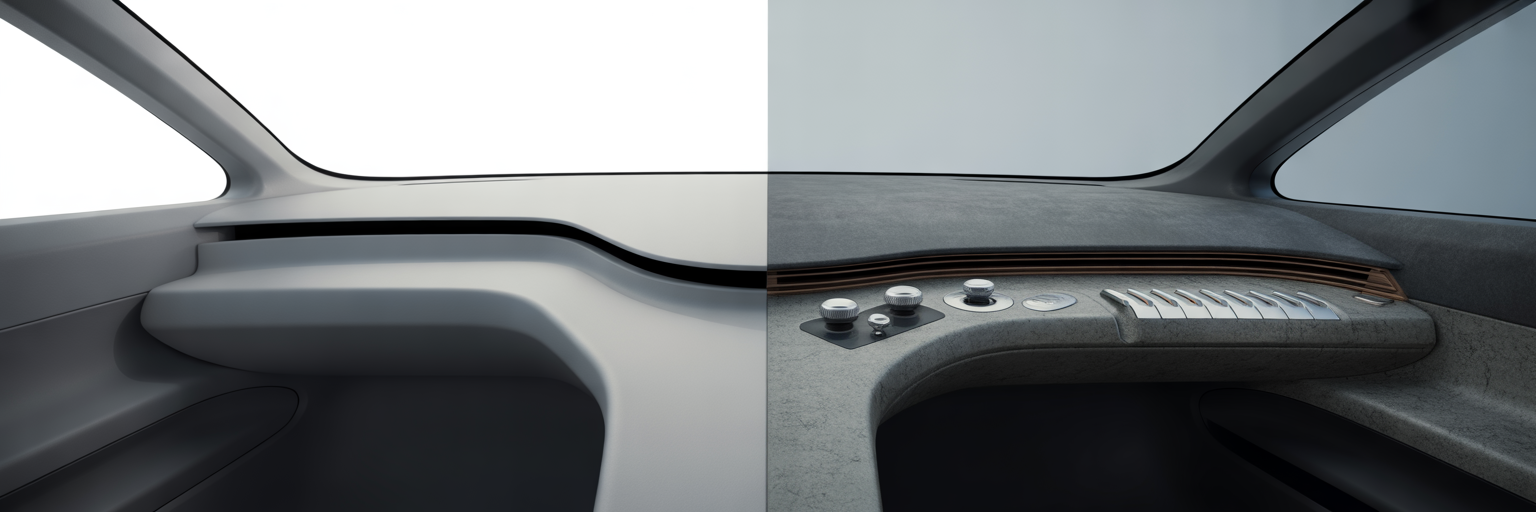
The interior design of these two vehicles further highlights their opposing philosophies. The Volkswagen ID.4 embraces a minimalist, screen-forward aesthetic. A large central touchscreen manages nearly all vehicle functions, creating a clean and uncluttered dashboard. While visually modern, this heavy reliance on touch controls comes with a learning curve that some drivers may find distracting. It’s a design that looks toward the future, for better or worse.
The Toyota bZ4X takes a more hybrid approach. Its layout is unconventional, with a digital driver’s display set far back, intended to be viewed over the top of the steering wheel. However, Toyota has wisely retained physical buttons and knobs for critical functions like climate control and volume. We all know the frustration of trying to adjust the temperature by tapping a screen on a bumpy road; the bZ4X avoids this by keeping tactile controls where they matter most.
Passenger and Cargo Space
When comparing the ID.4 vs bZ4X interior space, both vehicles offer ample room for families. However, the ID.4’s dedicated EV platform gives it an edge. The completely flat floor in the rear seating area creates a more open and airy feel, making the middle seat genuinely usable for an adult on shorter trips. Legroom and headroom are generous in both rows.
In terms of cargo, the numbers are close, but the ID.4 offers slightly more volume behind the rear seats. More importantly, its wide hatch opening and low load floor make it easier to slide in bulky items like strollers or sports equipment. For families looking for versatile utility, exploring options like the best hybrid SUVs under $35k can provide additional context on how different vehicles maximize their interior space.
Material Quality and Build
The tactile experience inside each cabin is also distinct. The ID.4’s interior materials generally have a more premium, substantial feel. Soft-touch surfaces are used generously on the dashboard and door panels, contributing to an atmosphere that feels a step above its price point. In contrast, the bZ4X’s cabin is a showcase of Toyota’s focus on durability. The materials, including extensive use of hard-wearing plastics and unique fabric textures, are clearly designed to withstand the rigors of family life. It may not feel as luxurious, but it’s built to last.
Tech and Connectivity: A Digital Deep Dive
Infotainment and Driver Displays
The digital experience is a central part of any modern vehicle, and here the ID.4 and bZ4X offer very different approaches. The ID.4 is dominated by its large central touchscreen, which houses Volkswagen’s latest infotainment software. While feature-rich, the system has faced criticism for its occasional lag and complex menu structure. The driver’s display is a small screen mounted directly to the steering column, showing only essential information like speed and range. It’s a minimalist setup that forces your attention to the main screen.
Toyota’s system, displayed on a similarly large screen, is generally more straightforward and user-friendly. The menu layout is more intuitive, making it easier to find functions while driving. The most unique feature is the driver’s display, a high-mounted screen that sits far back on the dashboard. The idea is to minimize the driver’s eye movement between the road and the instruments. However, depending on your height and seating position, the top of the steering wheel can partially obstruct your view of the screen, a point of contention for some drivers.
Audio Systems and Connectivity Features
For audiophiles, both vehicles offer upgraded sound systems. The bZ4X is available with a premium JBL audio system that delivers crisp highs and deep, resonant bass, creating an immersive listening experience. The ID.4’s optional sound system is also a significant step up from the standard setup, providing clear and balanced audio throughout the cabin. When it comes to connectivity, both support Apple CarPlay and Android Auto, allowing seamless smartphone integration.
Beyond the main screens, other tech features differentiate the two. The ID.4 offers more sophisticated and customizable ambient lighting, allowing you to tailor the cabin’s atmosphere to your mood. Its voice command system is also slightly more advanced, capable of understanding more natural language commands. The bZ4X keeps things simpler, focusing on core functionalities that work reliably every time. The choice comes down to whether you prefer a feature-packed digital environment or a more intuitive, no-fuss interface.
Safety Systems and Long-Term Ownership
Active Safety and Driver Assistance
Both Volkswagen and Toyota have equipped their electric SUVs with a comprehensive suite of standard active safety features. Volkswagen’s IQ.DRIVE and Toyota’s Safety Sense 3.0 are designed to act as a vigilant co-pilot on the road. Key standard features on both systems include:
- Adaptive Cruise Control: Maintains a set distance from the vehicle ahead.
- Lane Keeping Assist: Provides gentle steering inputs to keep you centered in your lane.
- Blind-Spot Monitoring: Alerts you to vehicles in your blind spots.
- Automatic Emergency Braking: Can apply the brakes to help avoid or mitigate a frontal collision.
On American highways, both systems perform admirably, but with subtle differences in feel. The ID.4’s lane-keeping system feels slightly more natural and less intrusive, while the bZ4X’s adaptive cruise control is exceptionally smooth in stop-and-go traffic. Ultimately, both provide a significant layer of security for family transportation.
Reliability and Warranty
This is where the conversation shifts dramatically in Toyota’s favor. The brand’s reputation for building durable, long-lasting vehicles is legendary, and this is a primary selling point for the bZ4X. For many buyers, the peace of mind that comes with the expected Toyota bZ4X reliability is worth more than any performance metric. It’s the confidence that the vehicle will start every morning and require minimal unscheduled maintenance for years to come.
Volkswagen builds well-engineered vehicles, but its newer generation of EVs does not yet have the same decades-long track record for reliability that Toyota enjoys. While major issues are not widespread, the complexity of new platforms can sometimes lead to unexpected problems, as we’ve seen with issues like the GM 6.2L engine recall in other established brands. When comparing warranties, both automakers offer competitive coverage for the battery and electric drive components, typically 8 years or 100,000 miles, which helps level the playing field for long-term ownership costs.
Breaking Down the Costs: Pricing and Value

For most buyers, the final decision in this electric SUV comparison 2026 will come down to price and value. The Toyota bZ4X typically enters the market with a lower starting MSRP, making it a more accessible entry point into EV ownership. Pricing aggregators like TrueCar.com consistently show the Toyota bZ4X with a lower starting MSRP compared to the Volkswagen ID.4, reinforcing its position as a value-oriented choice. However, the sticker price is only part of the story.
For 2026, federal and state EV incentives can dramatically alter the final purchase price. It is crucial to check the latest regulations, as eligibility often depends on factors like the vehicle’s final assembly location and battery sourcing, which can differ between models and even trims. A vehicle with a higher MSRP could end up being cheaper after incentives are applied.
To clarify the value proposition, let’s look at what you get for your money across key trims.
| Model & Trim | Estimated Starting MSRP | Drivetrain | EPA-Estimated Range | Key Feature |
|---|---|---|---|---|
| Toyota bZ4X XLE | ~$44,000 | FWD | ~252 miles | Lowest entry price, Toyota Safety Sense 3.0 |
| Toyota bZ4X Limited | ~$48,000 | AWD | ~222 miles | JBL Premium Audio, SofTex-trimmed seats |
| Volkswagen ID.4 Pro | ~$46,000 | RWD | ~280 miles | Longest range, 12-inch touchscreen |
| Volkswagen ID.4 Pro S | ~$51,000 | AWD | ~260 miles | 295 hp, Panoramic glass roof, IQ.DRIVE |
Note: MSRP figures are estimates for the 2026 model year and are subject to change. Final purchase price may be affected by federal and state EV incentives, which vary by location and vehicle eligibility.
The bZ4X’s value is rooted in its accessible price and the promise of low long-term running costs backed by Toyota’s reputation. The ID.4 justifies its higher price with superior performance, longer range, and a more premium driving experience and interior feel.
The Final Verdict: Which EV SUV Is Your Ideal Daily Driver?
After comparing these two excellent electric SUVs, it’s clear that there is no single “better” vehicle. The right choice depends entirely on your priorities, lifestyle, and what you value most in a daily driver. This Volkswagen ID.4 vs Toyota bZ4X matchup is a classic case of head versus heart, practicality versus passion.
To help you decide, let’s summarize the core strengths of each:
- The Volkswagen ID.4 is for the driver who wants more than just transportation. It offers superior performance, longer range for road trips, and a more engaging, fun-to-drive experience. Its premium interior and minimalist tech appeal to those who appreciate modern design.
- The Toyota bZ4X is the pragmatic choice. It excels in ride comfort, practicality, and offers the invaluable peace of mind that comes with Toyota’s reputation for reliability. Its lower entry price and straightforward, durable interior make it an intelligent purchase for families focused on dependability and low ownership costs.
So, who is the ideal owner? The ID.4 driver is someone who enjoys the act of driving, frequently takes longer journeys, and is willing to invest a bit more for a refined and powerful experience. The bZ4X owner is a practical buyer whose driving is mostly urban or suburban, and who prioritizes comfort, dependability, and a stress-free ownership experience above all else.
Ultimately, the best way to make your decision is to get behind the wheel of both. A test drive will reveal which vehicle’s character truly fits your life. For more head-to-head comparisons and detailed vehicle reviews, explore our full range of vs articles.