Born from the demands of World War II, the Jeep has long been the definitive symbol of American freedom and go-anywhere grit. But beyond the marketing and mud-splattered ads lies a complex ownership reality that every potential buyer must understand.
Beyond the Trail: The Reality of Wrangler Ownership
The image of a Jeep Wrangler is powerful. We picture it climbing impossible rock faces or parked on a remote beach with the doors off. It represents an escape from the mundane, a key to adventure. This romanticized vision sells a lot of Wranglers, but it doesn’t prepare you for the Monday morning commute in traffic. The truth about the Jeep Wrangler ownership experience is a story of compromises, where its greatest strengths off-road become its most noticeable weaknesses on pavement.
This is not an article meant to discourage you. Instead, it’s an honest guide from someone who understands the vehicle’s DNA. We’re going to look past the brochure photos and talk about what it’s actually like to live with one. We will cover the real-world performance of its different engines, the truth about its on-road comfort, and its well-documented reliability concerns. We will also explore the practicalities of daily driving a Jeep Wrangler, from grocery runs to highway trips.
Understanding the Wrangler means accepting a fundamental trade-off. The same rugged, body-on-frame construction and solid-axle suspension that make it an off-road legend are the very things that define its unique, and often challenging, on-road manners. For the right person, these quirks are part of the charm. For the unprepared buyer, they can lead to swift regret. Let’s get into what you really need to know before you sign the papers.
Decoding the Powerplant: Engine Choices and Real-World Performance
Choosing an engine for your Wrangler is your first major decision, and it sets the tone for your entire ownership experience. Each option comes with a distinct personality and a specific set of compromises that are not always clear from the spec sheet. The Wrangler’s brick-like aerodynamics and heavy build mean that no matter which engine you pick, you will be visiting the gas station more often than your friends with crossovers.
The Turbocharged Four-Cylinder: City Torque vs. Real-World Efficiency
On paper, the 2.0L turbocharged four-cylinder looks like the smart, modern choice. It offers impressive low-end torque, which makes it feel surprisingly quick and responsive when pulling away from a stoplight. For urban drivers, this initial burst of power is appealing. However, the advertised fuel economy benefits often disappear in real-world driving. To get any meaningful performance, the turbo has to work hard, and a hard-working turbo is a thirsty one. Many owners report that its actual mileage is nearly identical to the V6, making its primary advantage a matter of driving feel rather than efficiency.
The Pentastar V6: The Dependable Workhorse
The 3.6L Pentastar V6 is the veteran of the group. It has been the standard-bearer for years, earning a reputation for being a reliable and straightforward workhorse. Its power delivery is smooth and predictable, without the peaky nature of the turbo. While it won’t win many drag races, it provides more than enough power for highway merging and moderate off-roading. For most buyers who want a balanced, proven, and relatively trouble-free engine, the V6 is the default choice. It does its job without fuss, which is exactly what many people want in a vehicle that has other quirks to manage.
The 6.4L V8: The Enthusiast’s Choice with a Hefty Price at the Pump
At the top of the food chain is the 6.4L HEMI V8 found in the Rubicon 392. This engine transforms the Wrangler into a muscle car on stilts, delivering exhilarating acceleration and a thunderous exhaust note. It is undeniably fun. However, that fun comes at a staggering cost. As noted by publications like MotorTrend, the powerful V8 engine in the Rubicon 392 delivers thrilling performance but comes with a significant penalty in fuel consumption, making it a costly choice for a daily commuter. Owners frequently report fuel economy in the low teens, making it one of the thirstiest SUVs on the market. This is a choice for the heart, not the wallet.
| Engine Option | Best Use Case | Key Strength | Primary Compromise |
|---|---|---|---|
| 2.0L Turbo I-4 | Urban commuting and light off-roading | Responsive low-end torque for city driving | Fuel economy gains are minimal in real-world conditions |
| 3.6L Pentastar V6 | All-around daily driving and moderate off-roading | Proven reliability and smooth power delivery | Adequate but unexciting performance |
| 6.4L HEMI V8 (Rubicon 392) | High-performance off-roading and enthusiast driving | Exceptional power and acceleration | Extremely poor fuel economy (often 13-14 MPG) |
Ultimately, engine choice is just one factor in a larger equation. For those weighing power against running costs, it can be helpful to see how these powertrains stack up against the broader market, especially when you consider that some of our analyses on 2025 trucks show surprising efficiency in larger vehicles.
The Unforgiving Ride: Comfort and Handling on Pavement
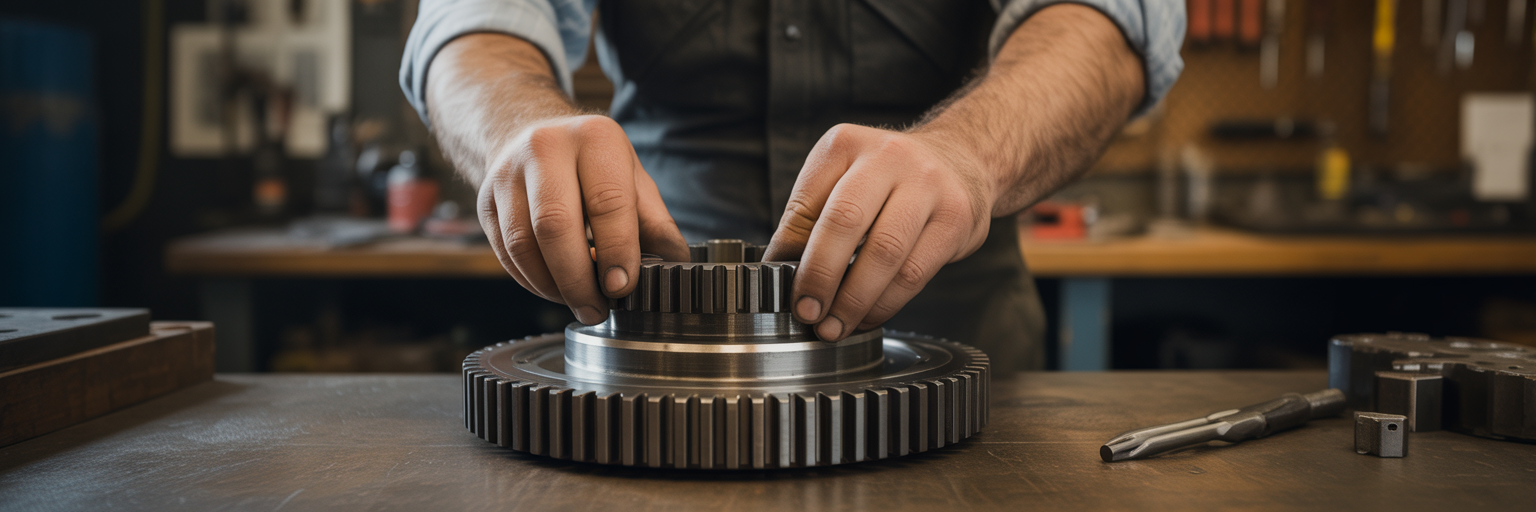
If there is one aspect of the Wrangler that catches new owners by surprise, it is the Jeep Wrangler ride quality. The very hardware that makes it a legend on the trail—its tough body-on-frame construction and solid front and rear axles—makes for a busy and often jarring experience on paved roads. A modern unibody SUV is designed to absorb bumps and isolate you from the road. A Wrangler is designed to keep its wheels on the ground over boulders, and that requires a fundamentally different, much stiffer, approach.
Driving a Wrangler on the highway is an active experience. You are constantly making small steering corrections to keep it centered in the lane. The vehicle tends to wander, pushed around by crosswinds and road imperfections. In turns, you will feel significant body roll, a sensation that can be unnerving for those accustomed to car-like handling. Hitting a pothole does not produce a dull thud; it sends a sharp jolt through the entire cabin. This is not a vehicle you can relax in on a long road trip; it demands your constant attention.
The choice of tires plays a huge role in this. The aggressive, knobby off-road tires that come standard on models like the Rubicon look fantastic but create a constant hum on the highway and amplify the harshness of every bump. As the suspension components wear over thousands of miles, this ride can become even less forgiving. For many dedicated enthusiasts, this raw, mechanical connection to the road is a core part of the Wrangler’s charm. It feels authentic and unfiltered.
However, for someone cross-shopping it with more conventional vehicles, the difference is stark. Many of the best hybrid SUVs we’ve reviewed under $35k offer a serene, quiet cabin that stands in direct opposition to the Wrangler’s noisy and visceral nature. Before you buy, you must take a long test drive. Do not just drive it around a smooth suburban block. Take it on a bumpy back road and a busy highway. This is the only way to know if you can live with its unique personality every day.
A Look at Long-Term Reliability and Common Repairs
Let’s address the elephant in the room: Jeep Wrangler reliability issues are a well-documented part of the ownership experience. While the brand has a passionate following, its vehicles consistently receive below-average reliability ratings from independent bodies. As an organization that tracks vehicle dependability, Consumer Reports frequently rates the Wrangler poorly due to a range of reported problems. This does not mean every Wrangler will be a nightmare, but it does mean you should go into ownership with your eyes open and a budget for potential repairs.
Proactive ownership is essential. Maintenance on a Wrangler goes far beyond simple oil changes. It involves keeping an eye on seals, bushings, and dampers, especially if you venture off-road. Certain issues have become so common that they are well-known within the community. Being aware of them can help you spot problems early.
- The ‘Death Wobble’: This is not as scary as it sounds, but it is alarming. It is a violent shaking of the front wheels, typically triggered by hitting a bump at highway speeds. The cause is a combination of worn or loose steering and suspension components like the track bar, ball joints, or steering damper. It is fixable, but it is a sign that key parts need immediate attention.
- Oil Cooler/Filter Housing Leaks: A prevalent issue across several Stellantis engines, the plastic oil filter housing on the Wrangler can crack over time due to heat cycles. This leads to significant oil leaks that can be costly to repair.
- Water Leaks: The price of removable doors and roof panels is the constant potential for water leaks. Despite design improvements over the years, many owners still struggle with water dripping into the cabin during heavy rain or car washes. Checking and maintaining seals is a regular chore.
- Electrical Gremlins: As Wranglers have become more technologically advanced, they have become more susceptible to electrical issues. These can range from a malfunctioning infotainment screen to faulty sensors or problems with the electronic sway bar disconnect system on Rubicon models.
Recalls for steering and suspension components have also been a part of the Wrangler’s history. While this can be concerning, it is worth noting that many manufacturers face similar challenges, as seen in widespread issues like the GM 6.2L engine recall we covered. The key takeaway is financial preparedness. A Wrangler owner should budget for more frequent and potentially more expensive repairs than the owner of a typical sedan or crossover.
The Daily Driver Dilemma: Practicality, Costs, and Compromises

So, after considering the ride and potential repairs, is a Jeep Wrangler a good daily driver? The answer depends entirely on your definition of “good.” If you prioritize practicality, comfort, and efficiency, the answer is a firm no. The Wrangler makes compromises in almost every area that defines a conventional daily driver. The challenges go beyond just the bumpy ride and frequent fuel stops.
Let’s start with something as simple as a grocery run. The cargo area in the two-door model is notoriously small, and even the four-door Unlimited has an awkwardly shaped space. Packing for a family trip can feel like a game of Tetris. The interior, while durable and water-resistant, is a sea of hard plastics. It is designed to be hosed out, not to provide a luxurious or quiet environment. At highway speeds, the combination of wind noise from its boxy shape and road noise from the tires makes conversations or listening to music a challenge.
Navigating an urban environment presents its own set of hurdles. The Wrangler has a surprisingly wide turning radius, which can make maneuvering in tight parking garages a multi-point affair. Furthermore, if you are considering a base model, you might be shocked by the lack of standard features that are common on even the most affordable modern cars. For many drivers, these daily frustrations would be deal-breakers.
However, this is where the logical part of the brain clashes with the emotional one. For every practical drawback, there is a powerful cultural positive. The most famous is the “Jeep Wave,” a simple acknowledgment between Wrangler drivers that creates an instant sense of camaraderie. You are not just a commuter; you are part of a club. This strong community, both online and in the real world, is a huge part of the appeal. For many owners, this feeling of belonging and the promise of weekend adventure are more than enough to outweigh the daily compromises. The hands-on nature of the vehicle also appeals to those with a DIY spirit, who might enjoy simple tasks like learning how to clean headlights with toothpaste as part of their vehicle care routine.
Understanding the Rugged Foundation: Axles and Drivetrain Quirks
To truly understand why a Wrangler behaves the way it does, you have to look underneath. The foundation of its legendary capability is its use of Dana solid axles at both the front and rear. Unlike the independent suspension found on virtually all modern SUVs, a solid axle is essentially a rigid tube connecting the wheels. This design is incredibly strong, durable, and provides superior articulation for keeping tires on the ground over uneven terrain. It is the gold standard for serious off-roading.
This rugged hardware, however, is the direct cause of the Wrangler’s on-road quirks. When one wheel hits a bump, the impact is transferred across the axle to the other wheel, contributing to the jarring ride. These heavy-duty axles also require specific maintenance. Owners, especially those who go off-roading, need to periodically check the axle seals for leaks and change the differential fluid, a task that is not on the radar for most car owners.
Another critical aspect is the Wrangler’s part-time 4WD system. It is not like the all-wheel-drive systems that you can leave on all the time. Understanding how to use it is crucial to avoid damaging the drivetrain.
- 2H (Two-Wheel Drive High Range): This is your default setting for all normal driving on dry, paved surfaces. Power is sent only to the rear wheels for the best possible efficiency and to prevent unnecessary wear.
- 4H (Four-Wheel Drive High Range): You should only engage this mode when you need extra traction on slippery surfaces like snow, ice, gravel, or dirt. Using 4H on dry pavement will cause the drivetrain to bind, leading to jerky handling and potentially severe damage.
- 4L (Four-Wheel Drive Low Range): This is a low-speed, high-torque gear for extreme off-road situations like crawling over rocks or climbing very steep, loose hills. It should only be engaged when you are moving at a crawl.
Finally, the Wrangler is one of the most modified vehicles on the planet. While lift kits, bigger tires, and steel bumpers are a huge part of the culture, it is important to know that every modification is a trade-off. A lift kit can worsen on-road handling, and larger tires will hurt fuel economy and acceleration while putting extra strain on drivetrain components. The Wrangler’s foundation is overbuilt for the street so it can be perfect for the trail, and this trade-off defines the entire vehicle.
Is the Wrangler Life Right for You?
After exploring the engines, ride, reliability, and daily usability, we arrive at the final question. The decision to buy a Jeep Wrangler is less of a vehicle purchase and more of a lifestyle commitment. It requires you to embrace its flaws as part of its character. The core trade-off is clear: you are sacrificing daily comfort, fuel efficiency, and predictable reliability for unparalleled off-road capability and an iconic sense of style and community.
To decide if this is the right choice for you, ask yourself some honest questions. There are no right or wrong answers, but your responses will tell you everything you need to know.
- What is my primary use case? Will this be a daily commuter on highways or a weekend vehicle for trails?
- Is my budget prepared for fuel costs that are significantly higher than a typical sedan or crossover, plus a separate fund for potential unscheduled repairs?
- How much do I value a quiet, comfortable ride during my daily commute? Am I willing to trade smoothness for character?
- Am I interested in the community and modification culture, or do I just want a vehicle to get from point A to point B?
Here is the single most important piece of advice: rent one for a weekend. Do not just take a 15-minute test drive. Live with it. Take it on the highway, try to park it at a busy grocery store, and load it with your gear. See how you feel after a few hours behind the wheel. This real-world experience will tell you more than any review ever could.
For the right person, someone who understands and accepts these compromises, owning a Wrangler is an incredibly rewarding experience. It is a key to a world of adventure and a community of like-minded people. For the wrong person, it can be a frustrating and expensive mistake. For those who decide the Wrangler life is for them, or for those who want to continue exploring other rugged vehicle options, staying updated with the latest automotive trends and news we publish is essential.