
It’s a moment of quiet frustration familiar to many drivers. You get in your car, turn the key, the engine starts without a problem, but the gear shifter refuses to move out of Park. Your engine is running, but you are going nowhere. This common issue, where a car won’t shift out of park, often points to a problem with a safety system that most people don’t even know exists until it fails. Fortunately, understanding how this system works is the first step toward a solution, and many of the fixes are surprisingly straightforward.
Understanding the Shift Interlock Safety System
Before you can diagnose why your shifter is stuck, it helps to understand the system designed to keep it there. That system is the Brake-Transmission Shift Interlock, or BTSI. It’s not a design flaw; it’s a crucial safety feature that has been federally mandated in automatic transmission vehicles for decades. Its entire job is to prevent the car from being shifted out of Park unless the brake pedal is depressed, stopping the vehicle from accidentally rolling or lurching forward if the shifter is bumped.
The Purpose of the Brake-Transmission Shift Interlock (BTSI)
Imagine a child in the car who accidentally knocks the gear lever into Drive while a parent is loading groceries. Without the BTSI, the car would immediately start to move. This safety mechanism creates a simple but effective requirement: your foot must be on the brake to release the shifter. It’s a direct link between your intention to stop and your ability to put the car in motion. When this system works correctly, it’s completely invisible. When it fails, your shifter becomes locked in place, turning a simple safety feature into an unexpected problem.
Core Components of the Interlock System
The BTSI is a small network of components working together. The primary actor is the brake light switch, a small sensor located near the top of your brake pedal arm. When you press the brake, this switch does two things: it turns on your brake lights and it sends an electrical signal to the shift interlock solenoid. Think of the solenoid as an electronic gatekeeper located in your center console near the shifter. When it receives the signal from the brake switch, it retracts a small pin, physically unblocking the shifter’s path. This entire circuit is protected by one or more fuses in your car’s fuse box, which act as safety valves to prevent electrical damage.
The Sequence of a Successful Shift
The process is a rapid chain reaction. First, you turn the ignition to the “ON” position, providing power to the system. You then press the brake pedal. This action closes the brake light switch, completing an electrical circuit. The switch instantly sends power down two paths: one to the brake lights at the rear of your car and another to the shift interlock solenoid. The solenoid receives the voltage, energizes, and pulls its locking pin out of the way. You hear a faint “click” from the console, and the shifter is now free to move into Reverse, Neutral, or Drive. If any single step in this sequence fails, the shifter remains locked.
Mechanical vs. Electronic Shifters: Modern Variations
For years, shifters were purely mechanical, connected to the transmission by a physical steel cable. When you moved the lever, you were directly moving components in the transmission. Many cars still use this reliable setup. However, an increasing number of modern vehicles use electronic, or “shift-by-wire,” systems. These shifters look more like joysticks or dials and have no physical connection to the transmission. Instead, they send an electronic signal to a computer module, which then tells the transmission what to do. While the safety principle of the BTSI is the same, diagnosing a stuck shifter in these cars can be more complex, as the issue could lie within a computer module instead of a simple solenoid. This makes performing the basic checks even more critical before assuming a major repair is needed.
The Brake Light Connection: A Critical First Check
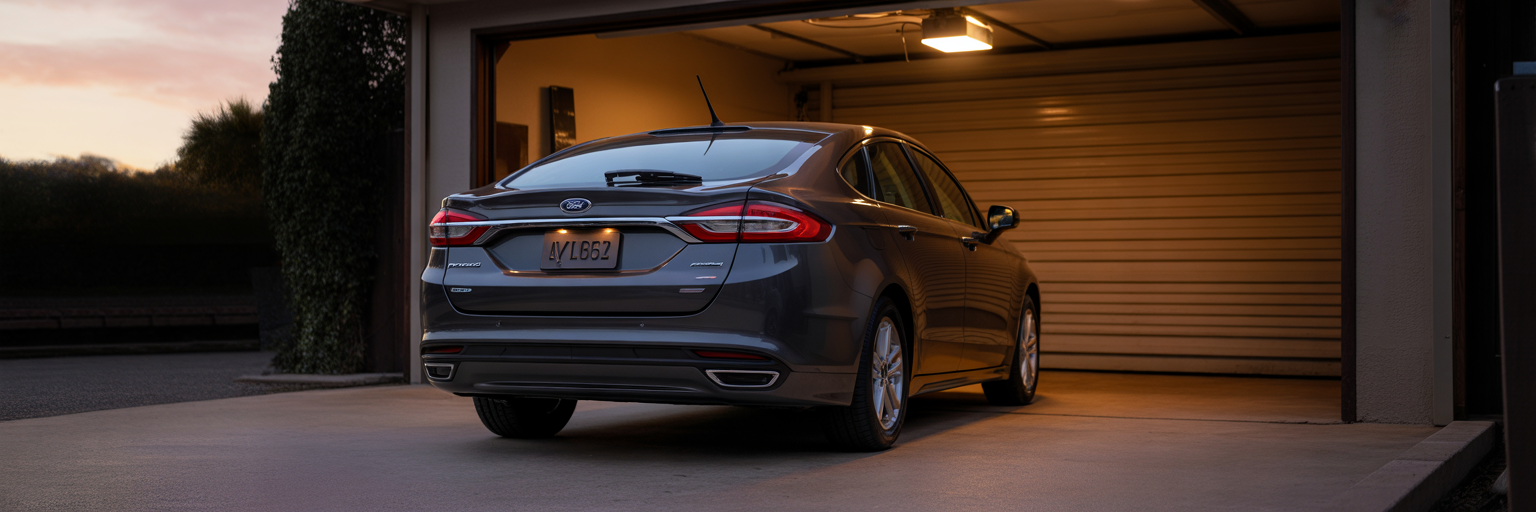
When your shifter is stuck, the most powerful diagnostic tool you have is not in your toolbox; it’s at the back of your car. Checking your brake lights is the single most important first step you can take. Because the brake light switch powers both the brake lights and the shift interlock, this simple observation can instantly narrow down the list of potential culprits. It’s an empowering check that requires no tools and can give you a clear direction for your troubleshooting efforts, potentially saving you time and money.
Why Your Brake Lights Are the Best Diagnostic Tool
The brake light switch is the heart of the interlock system. It’s a dual-purpose component, and that’s what makes it such a great clue. When you press the brake pedal, the switch is supposed to send power to two separate places at the same time. If the switch fails completely, neither the lights nor the solenoid will get power. If the switch fails partially, or if there’s a problem elsewhere, the behavior of your brake lights tells a story. By simply knowing whether they work or not, you can make an educated guess about where the problem lies in the electrical sequence.
Scenario 1: The Brake Lights Don’t Work
If you press the brake pedal and the brake lights do not illuminate, you have found a major clue. This symptom points almost exclusively to a problem in the shared electrical circuit. The two most likely causes are a failed brake light switch or a blown fuse. The switch itself may have worn out, or the fuse that protects the brake light and interlock circuit has broken to prevent an electrical surge. In either case, the absence of brake lights means the shift interlock solenoid is definitely not receiving the signal it needs to release the shifter. This is, in a way, good news, as both a fuse and a brake light switch are typically inexpensive and relatively simple to replace.
Scenario 2: The Brake Lights Work Correctly
What if you check your brake lights and they work perfectly? This tells you that the brake light switch is getting power and is successfully sending a signal to the rear of the car. It also means the fuse for that circuit is intact. However, it doesn’t completely rule out the brake light switch, as some switches have separate internal circuits for the lights and the solenoid. But it does make other causes more probable. If the lights work but the shifter is still stuck, the problem is likely further down the line. The fault could be with the shift interlock solenoid itself, a wiring issue between the switch and the solenoid, or a purely mechanical jam in the shifter mechanism.
How to Safely Check Your Brake Lights by Yourself
You don’t need a second person to check your brake lights. Here are two simple methods you can use alone:
- Use a Reflective Surface: This is easiest at dusk or at night. Safely back your vehicle up toward a garage door, a storefront window, or even another parked car. Look in your rearview mirror as you press and release the brake pedal. The reflection of your brake lights will be clearly visible.
- Use Your Smartphone: Prop your phone up on the ground or against an object a few feet behind your car. Make sure the rear of your car is in frame and start recording a video. Get back in the driver’s seat, press the brake pedal a few times, and then retrieve your phone to watch the footage. This method works anytime, day or night.
Investigating Common Electrical Culprits
Once you’ve used the brake lights to get a general idea of the problem, the next step is to investigate the most common electrical components that cause a car to get stuck in Park. These issues range from the surprisingly simple to the slightly more involved, but many can be diagnosed and even fixed with basic tools and a little patience. Understanding these culprits can prevent an unnecessary trip to the repair shop.
The Deceptive Role of a Weak Battery
It’s a common point of confusion: how can the battery have enough power to start the engine but not enough to let you shift out of Park? The starter motor requires a huge amount of amperage, while the shift interlock solenoid needs very little. However, the solenoid requires a clean, stable voltage to activate properly. A dying battery might provide enough raw power to crank the engine, but its voltage could be unstable or too low to reliably trigger the sensitive electronics of the solenoid. If your car was slow to start or your interior lights seem dim, a weak battery could be the hidden cause of your shifting problem.
How to Find and Check for a Blown Fuse
A blown fuse is one of the easiest and cheapest problems to fix. Your owner’s manual is your best friend here. Most cars have at least two fuse boxes: one in the cabin (often on the driver’s side, near the dashboard) and another under the hood. The manual or the diagram on the fuse box lid will show you which fuse corresponds to the brake lights or stop lamps. It might be labeled “STOP,” “BRAKE,” or something similar. Once you locate it, pull the fuse out with a fuse puller or a pair of needle-nose pliers. Hold it up to the light and look at the small metal strip inside. If the strip is broken or has a gap, the fuse is blown and needs to be replaced with one of the same amperage rating.
A Deeper Look at the Brake Light Switch
If the fuse is fine, the brake light switch itself becomes a primary suspect. Located on a metal bracket near the top of the brake pedal arm, it’s often in an awkward, hard-to-reach spot. These switches can fail from simple wear and tear, corrosion on the electrical contacts, or by being knocked out of alignment. A visual inspection might not reveal much, but given its critical role and low cost, a brake light switch replacement is often a cost-effective diagnostic step, especially on older vehicles. Understanding how electrical components degrade over time is key to preventative maintenance. The wear and tear on a simple switch is a perfect example of why some high-mileage cars age better than others, as their owners stay ahead of these small but critical failures.
Advanced Electrical Faults
If the battery, fuse, and switch seem to be in order, the problem could be more complex. A corroded wire, a bad ground connection, or a fault within the shifter’s internal wiring could be interrupting the signal to the solenoid. Diagnosing these issues typically requires a multimeter to test for continuity and voltage at different points in the circuit. While not impossible for a determined DIYer, this is where many people choose to seek professional help, as tracing electrical faults without a wiring diagram can be a frustrating process.
| Potential Culprit | Primary Symptom | DIY Difficulty | Estimated Cost |
|---|---|---|---|
| Weak or Dying Battery | Slow engine crank, dim lights, no ‘click’ from shifter | Easy (Jump/Test) | $0 (Test) – $250 (New Battery) |
| Blown Fuse | No brake lights AND shifter is stuck. | Easy | <$5 |
| Faulty Brake Light Switch | No brake lights OR brake lights work but shifter is stuck. | Moderate (due to location) | $15 – $50 (Part) |
| Faulty Shift Interlock Solenoid | Brake lights work, ‘click’ sound is absent from shifter area. | Moderate to Hard | $50 – $200 (Part) |
This table provides a quick reference for diagnosing the most common electrical issues causing a car to be stuck in park. Costs are estimates for parts only and do not include labor.
Physical Obstructions and Mechanical Failures

While electrical issues are the most frequent cause of a stuck shifter, the problem can also be purely mechanical. In these cases, all the electronic components are working correctly, but a physical obstruction is preventing movement. These failures feel different from an electrical lock-up and often come with their own unique set of clues and solutions, from the way the car is parked to the feel of the shifter itself.
Understanding the Parking Pawl
To understand mechanical failures, you first need to know about the parking pawl. Think of it as a heavy-duty deadbolt for your transmission. It’s a solid metal pin that, when you shift into Park, engages with a notched ring to physically lock the transmission’s output shaft, preventing the wheels from turning. This pawl is what holds your car in place. The shift interlock system prevents you from moving the lever, but the parking pawl is what actually does the holding. It’s an incredibly strong component, but it’s not invincible and can be put under immense pressure.
The ‘Car Stuck on Hill in Park’ Problem
This is a classic scenario. You park on a steep incline, shift into Park, and release the brake pedal. The car rolls a tiny bit until its full weight is resting on that small parking pawl. Later, when you try to shift out of Park, the shifter won’t budge. It feels completely solid, as if it’s hitting a wall. This isn’t an electrical failure. The immense pressure from the vehicle’s weight is binding the pawl, making it physically impossible for the shifter mechanism to retract it. The `car stuck on hill in park` issue is a common but preventable problem.
How to Safely Relieve Pressure on the Pawl
If you find yourself in this situation, you need to unload the pressure from the pawl. This can be dangerous if not done correctly. Follow these steps with extreme caution:
- Chock the Wheels: The most important step. Find rocks, bricks, or proper wheel chocks and secure them tightly against the downhill side of the tires to prevent the car from rolling.
- Engage the Parking Brake: Pull the parking brake on as firmly as you can. This is your primary safety backup.
- Gently Push the Car Uphill: This may require a helper. With the parking brake on and wheels chocked, you need to have someone help you push the car slightly uphill, just a fraction of an inch. This tiny movement is often enough to release the tension on the pawl.
- Attempt to Shift: While the pressure is relieved, keep your foot on the brake and try to shift out of Park. It should now move freely.
To prevent this, always get in the habit of setting your parking brake *before* you shift into Park and release the foot brake. This lets the brake shoes hold the car’s weight, not the transmission.
Stretched or Broken Shifter Cables
In vehicles with a mechanical shifter, a physical cable connects the lever in your hand to the transmission. Over time, this cable can stretch, fray, or even snap. The symptom here is very different from an interlock problem. Instead of a shifter that is solidly locked, you’ll have one that feels loose, sloppy, or completely disconnected. You might be able to move the lever through all the positions, but the transmission doesn’t respond, and the indicator on your dash might not match the shifter’s position. Issues like a stretched shifter cable are more common in older vehicles, which is an important factor to consider when looking for reliable transportation. When evaluating options, our guide on the best used cars for first-time buyers under $12,000 can help you spot models known for their durability.
Diagnosing the Shift Interlock Solenoid
If you’ve confirmed your brake lights work and you’re not parked on a steep hill, your investigation will likely lead you to the shift interlock solenoid itself. This small but vital component is the final link in the electrical chain, and it’s a common point of failure. Understanding how it works and how it fails can help you confirm it’s the culprit before you start taking your center console apart.
How the Solenoid Works: The Electronic Gatekeeper
As we’ve discussed, the solenoid acts as an electronic gatekeeper. It’s a simple electromagnet: a coil of wire around a movable metal pin. When the brake switch sends it an electrical current, the coil becomes a magnet and pulls the pin inward, clearing the path for the shifter to move. When you release the brake, the power is cut, a spring pushes the pin back out, and the gate is locked again. Its job is straightforward, but its location inside the shifter assembly makes it vulnerable to both electrical and mechanical problems.
The Auditory Test: Listening for the ‘Click’
This is one of the most effective diagnostic tests you can perform for the solenoid, and it only requires your ears. Go to a quiet location, like a garage or an empty parking lot, and close your doors and windows. Turn the ignition to the “ON” position but do not start the engine. Now, press and release the brake pedal several times, listening very closely to the area around your gear shifter. You should hear a distinct, low-volume “click” or “clunk” each time you press the pedal, and another as you release it. That sound is the solenoid pin retracting and extending. If you hear that click, it means the solenoid is receiving power and is trying to work. If you hear nothing at all, it strongly suggests the solenoid is dead or there’s a wiring problem leading to it.
Common Solenoid Failure Modes
Solenoids can fail in a couple of ways, and the “click test” helps differentiate them:
- Electrical Failure: This is the most common issue. The internal wire coil can burn out, creating an open circuit. In this case, the solenoid will not get power and you will not hear a click. It’s effectively dead.
- Mechanical Failure: Sometimes the solenoid is electrically fine (it clicks) but the pin is physically stuck. This is often caused by debris. When a solenoid fails mechanically due to debris, it’s often from a spilled drink in the center console. This serves as a small reminder of how important it is to maintain the interior of your car and the personal items you bring inside it. Just as you’d want to know how to keep your clear designer case looking new to protect your phone, keeping your car’s console clean can prevent costly repairs down the line. The sticky residue from soda or coffee can gum up the mechanism, preventing the pin from retracting even when the electromagnet activates.
Considering a DIY Replacement
Replacing a shift interlock solenoid is often considered an intermediate-level DIY task. The part itself is usually not very expensive, but getting to it is the main challenge. It almost always requires disassembling the center console, which involves carefully removing trim panels, screws, and electrical connectors. The plastic clips holding the trim are notoriously brittle and can break easily if you’re not patient. If you decide to tackle this job, it’s highly recommended to find a vehicle-specific video tutorial online to guide you through the disassembly process. Proper maintenance is the best way to avoid many common automotive issues. For a broader perspective on vehicle longevity, exploring how to keep your car’s engine running for years provides valuable insights that apply to the entire vehicle, not just the powertrain.
The Emergency Shift Lock Release Override
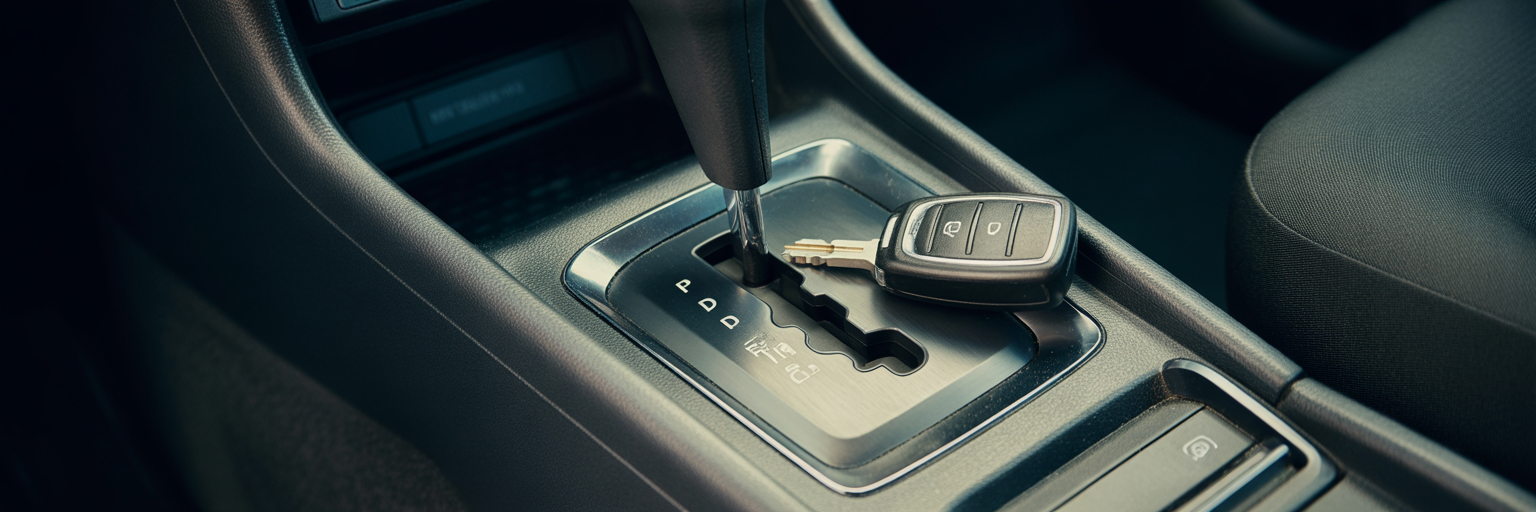
When all else fails and you are stranded with a car that starts but won’t shift, engineers have provided a final escape hatch: the shift lock release override. This manual override is designed specifically for situations like this, allowing you to move the vehicle to a safe location or onto a tow truck. However, it must be used with extreme caution and a full understanding that it is not a repair, but an emergency bypass of a critical safety system.
What Is the Shift Lock Release and Why Does It Exist?
The shift lock release is a mechanical bypass built into the shifter assembly. Its sole purpose is to provide a way to get the car into Neutral when the electronic interlock system has failed. Without it, a simple electrical fault could leave a vehicle completely immobilized, creating a hazard or requiring a more complicated towing procedure. It’s a thoughtful piece of engineering, but its use comes with significant responsibility. Using this feature is a key step in emergency `stuck in park troubleshooting`.
Finding the Override Slot on Your Vehicle
The location and appearance of the `shift lock release override` vary widely between manufacturers and models. It is almost always located on the center console, very close to the gear shifter. Look for a small, rectangular plastic cap that can be pried off with a key or a small flathead screwdriver. On some cars, it might just be a small, unlabeled hole. Your vehicle’s owner’s manual is the definitive guide here. It will have a dedicated section explaining exactly where to find the release and how to use it. Do not guess; always consult your manual first.
A Safety-First Guide to Using the Override
Using the override incorrectly can lead to the vehicle rolling unexpectedly. Follow this procedure exactly, without skipping any steps:
- Engage the Parking Brake FIRMLY. This is your most important safety measure. Ensure it is set as hard as you can.
- Keep Your Foot Pressed Firmly on the Brake Pedal. Do not release the brake pedal at any point during this process. This is your secondary safety measure.
- Turn the Ignition to ‘ON’ or ‘ACC’. The engine does not need to be running, but the electrical system should be on.
- Activate the Release. Remove the plastic cover if there is one. Insert your car key, a small screwdriver, or a similar tool into the slot and press down firmly. You should feel a mechanism engage.
- Shift to Neutral. While holding the release mechanism down with your tool, move the gear shifter from Park into Neutral.
Once in Neutral, you can start the engine (if it wasn’t already running) and move the vehicle. When you’re facing a problem like this, it’s a good time to check out other useful resources. Our main page at Car Phanatics offers a wealth of information for every kind of car owner.
Warning: This Is a Temporary Measure, Not a Repair
This point cannot be stressed enough: using the shift lock release does not fix the problem. It only bypasses it. The underlying issue, whether it’s a bad brake switch, a faulty solenoid, or a wiring short, still exists. This is especially dangerous if the root cause was a failed brake light switch. If you use the override in that situation, you will be able to drive, but you will be doing so with no brake lights, making you invisible to drivers behind you. The override’s only purpose is to get your car out of a dangerous spot or to a repair shop. Driving the vehicle for any extended period after using the override is unsafe and irresponsible. Get the vehicle diagnosed and properly repaired immediately.