
It is one of the most frustrating moments for any driver on a cold day. You start your car, the engine warms up, and as you merge onto the highway, a comforting wave of warm air finally starts to flow from the vents. The relief is short lived. The moment you pull up to a red light or get stuck in traffic, that warmth fades, replaced by a cool, disappointing breeze. You are not imagining it, and your heater is not simply being moody.
This common issue, where the car heater only works when driving, points to a specific set of problems within your vehicle’s cooling system. A car’s heater is not like a space heater that generates its own warmth. Instead, it cleverly recycles waste heat from the engine. Hot liquid, called coolant or antifreeze, is circulated through a small radiator in your dashboard, and a fan blows air across it to warm your cabin.
When your car heater blows cold at idle but warms up when you accelerate, it is a clear signal that something is disrupting this circulation process. The increased engine speed while driving masks the underlying problem. At idle, the system’s weakness is exposed. The culprit is almost always related to low coolant levels, trapped air, a faulty thermostat, or a blockage somewhere in the system. Understanding what is happening under the hood is the first step to getting that consistent warmth back.
The Frustrating Chill of an Idling Engine
That first cold morning of the season always seems to arrive unexpectedly. You get into your car, hoping for a blast of warm air to take the edge off, but it never comes. Or worse, it teases you with warmth on the highway only to turn icy the moment you are stopped at a red light. This experience is a classic sign that something is amiss in your vehicle’s heating system.
To understand the problem, you first need to know how your car’s heater works. It is not an electric device but a brilliant piece of engineering that recycles waste heat. Your engine produces a tremendous amount of heat, and the cooling system’s primary job is to manage it. It does this by circulating a special fluid, known as coolant, through the engine block. This hot coolant is then sent to the heater core, a small radiator located behind your dashboard.
A fan blows air across the fins of this hot heater core, transferring the heat into your cabin. When this system works correctly, you get consistent warmth. The issue where a car heater blows cold at idle almost always indicates a problem with coolant circulation that becomes apparent at lower engine speeds. The potential culprits range from simple fixes to more complex repairs, including low coolant, trapped air, a failing thermostat, or a blockage. This guide will walk you through each possibility so you can diagnose the problem.
Understanding Your Vehicle’s Heating and Cooling System
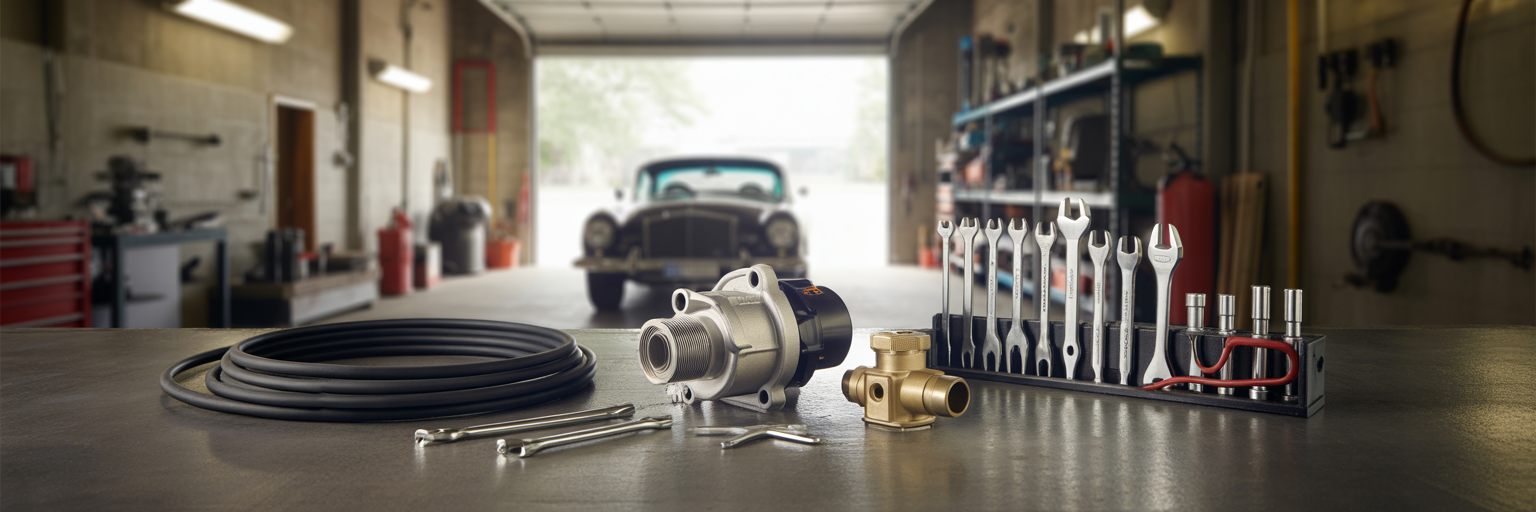
Before diagnosing a problem, it helps to understand how the system is supposed to function. Your vehicle’s cooling system is a closed loop with a dual purpose. Its main job is to prevent the engine from overheating by absorbing excess heat. Its secondary, but equally important job on a cold day, is to use that same heat to warm the passenger cabin. The key to both functions is the engine coolant.
The Dual Role of Engine Coolant
Engine coolant, or antifreeze, is a remarkable fluid designed to absorb and transfer heat without boiling or freezing in extreme temperatures. As it circulates, it picks up heat from the engine block. This hot fluid is the lifeblood of your heating system. A well maintained cooling system is fundamental to engine health, which is a core part of understanding how to keep your car’s engine running for years.
The Path of Heat: From Engine to Cabin
The journey begins at the water pump, which pushes coolant through the engine. Once heated, the coolant travels through a series of hoses. If the engine needs to cool down, a valve called the thermostat opens and directs the coolant to the main radiator at the front of the car. If you have the heater on, a portion of that hot coolant is diverted into the heater core inside your dashboard.
Key Components: Heater Core, Hoses, and Blower
Think of the heater core as a miniature radiator. It has a series of small tubes and fins that provide a large surface area for heat exchange. Two heater hoses connect it to the main cooling system, one bringing hot coolant in and the other returning cooler coolant back to the engine. The blower motor is simply the fan that you control with your dashboard dials. It pushes cabin air through the hot heater core, warming it up before it reaches your vents.
The Blend Door: Your Temperature Controller
When you adjust the temperature knob from cold to hot, you are not changing the temperature of the coolant. You are controlling a small flap inside the HVAC box called the blend door. This door directs airflow. In the cold position, it routes air around the heater core. In the hot position, it forces air to pass through the heater core, picking up warmth. A problem with this door can also lead to heating issues, even if the rest of the system is working perfectly.
Low Coolant The Most Frequent Cause of Inconsistent Heat
If your car heater only works when driving, the first and most common suspect is a low coolant level. It is a simple issue, but it perfectly explains the symptoms. The heater core is often one of the highest points in the entire cooling system. When the coolant level drops, air gets trapped, and since air rises, it naturally collects in the heater core.
This trapped air pocket acts as a barrier, preventing hot coolant from filling the core and transferring heat. At idle, your engine is turning at a low RPM, meaning the water pump is spinning slowly and generating minimal pressure. This low pressure is not enough to force the coolant past the air bubble, so the heater core remains cool. This is the classic scenario of low coolant no heat at idle.
However, when you start driving, the engine RPMs increase significantly. The water pump spins much faster, creating higher pressure in the system. This increased pressure is often just enough to push some of the hot coolant past the air pocket and into the heater core, giving you a temporary blast of heat. As soon as you slow down and the RPMs drop, the pressure subsides, the air pocket takes over again, and the heat vanishes.
To check your coolant, you must do so when the engine is completely cold to avoid serious burns.
1. Locate the coolant overflow reservoir. It is usually a translucent plastic tank near the radiator with “Min” and “Max” markings. The level should be between these lines.
2. If the reservoir is low or empty, you should also check the radiator itself. Never open the radiator cap on a hot or warm engine. Once cool, place a thick rag over the cap and turn it counterclockwise to release any residual pressure before removing it. The coolant should be visible right at the top. If it is not, you have found your problem.
Diagnosing and Removing Trapped Air in the System
Following closely behind low coolant, an airlock in the cooling system is another primary cause of inconsistent heat. Air can get into the system for several reasons. It might be the result of a coolant level that dropped too low, or it could have been introduced during a recent repair, such as replacing a radiator hose, water pump, or thermostat without properly bleeding the system afterward.
Once inside, this trapped air creates an airlock, which is essentially a large bubble that obstructs the flow of liquid. Since air cannot transfer heat nearly as well as liquid coolant, any part of the system filled with air becomes a cold spot. The heater core, with its small passages and high location, is particularly susceptible to this problem. A very distinct diagnostic clue for an airlock is a gurgling or “waterfall” sound coming from behind your dashboard, especially upon startup or acceleration. This is the sound of coolant trying to push past the trapped air.
Fortunately, you can often remove this trapped air yourself through a process known as “burping” or bleeding the system. While procedures vary slightly by vehicle, the general principle is the same.
1. With the engine cold, remove the radiator cap.
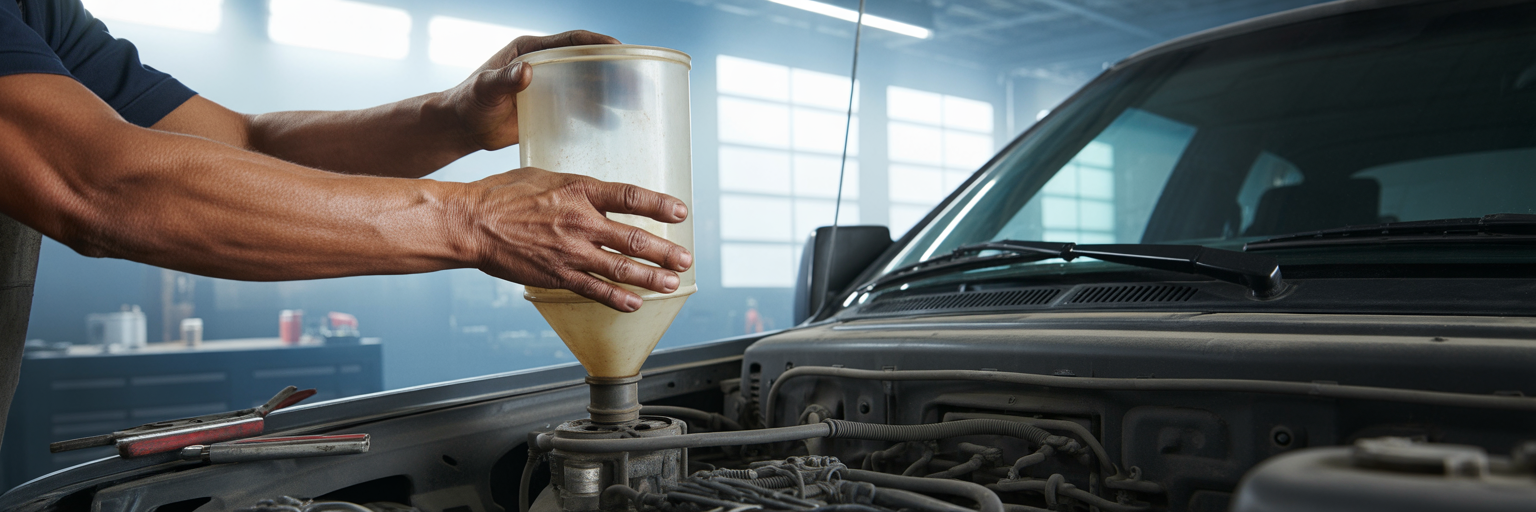
2. It is highly recommended to use a spill-free funnel that locks onto the radiator neck. This allows you to overfill the system slightly and provides a clear view of the air bubbles escaping.
3. Fill the funnel about halfway with the correct type of coolant for your vehicle.
4. Start the engine and turn your heater to the highest heat setting with the fan on low.
5. Let the engine idle. As it warms up and the thermostat opens, you will see bubbles coming up through the coolant in the funnel. This is the trapped air escaping.
6. Continue to let the engine run, adding more coolant to the funnel as needed to keep it from running dry, until the bubbles stop. This can take 15 to 30 minutes. Once done, carefully remove the funnel and replace the radiator cap.
How a Faulty Thermostat Prevents Proper Engine Warm-Up
While less common than low coolant, a faulty thermostat can also be the source of your heating woes. The thermostat acts as a gatekeeper for your cooling system. When you first start a cold engine, the thermostat remains closed. This stops coolant from flowing to the radiator and allows the engine to warm up to its optimal operating temperature as quickly as possible. Once that temperature is reached, the thermostat opens, allowing coolant to flow to the radiator to be cooled.
A thermostat can fail in two ways: stuck closed or stuck open. A stuck closed thermostat will cause the engine to overheat quickly, a very dangerous condition. However, for the problem of poor heat, the more likely culprit is a thermostat that is stuck open. When this happens, coolant is constantly circulating through the radiator from the moment you start the car. The engine is being cooled when it does not need to be, preventing it from ever reaching its proper operating temperature.
The result is coolant that is only ever lukewarm, not hot. This lukewarm coolant simply cannot provide enough heat to the heater core to warm the cabin effectively. The problem is present at all speeds but becomes most obvious at idle, when the engine is producing the least amount of heat. There are several other bad thermostat symptoms to look for. Your temperature gauge on the dashboard may read consistently low or never reach the middle point. You might also notice a decrease in fuel efficiency, as engines are less efficient when running too cool. In some modern cars, a stuck open thermostat can even trigger a check engine light.
Flow Restriction from a Partially Clogged Heater Core

Over time, the inside of your cooling system can accumulate debris. Rust, sediment from old coolant breaking down, and even residue from stop-leak additives can build up and cause blockages. The heater core, with its maze of tiny tubes, is one of the most vulnerable components to this kind of internal clogging.
A fully clogged heater core would result in no heat at all. The specific symptom where the car heater only works when driving often points to a partially clogged heater core. The restriction is just enough to prevent the low-pressure flow of coolant at idle from getting through. Not enough hot liquid enters the core, so the air blowing through the vents remains cool. When you accelerate, the water pump spins faster and builds more pressure, which can force some coolant through the restricted passages, providing you with temporary heat.
This is one of the more common clogged heater core symptoms. You can perform a simple diagnostic test to confirm this. Once the engine is fully warmed up, be very careful and locate the two heater hoses where they pass through the firewall into the cabin. Feel both hoses. They should both be hot to the touch. If the inlet hose is hot but the outlet hose is significantly cooler or only lukewarm, it is a strong indication that coolant is not circulating properly through the core. This kind of internal buildup from neglect is a primary reason why some high-mileage cars age better than others; consistent maintenance like regular coolant flushes prevents these clogs from forming in the first place.
When the Water Pump Can No Longer Keep Up
If the coolant is the blood of your heating system, the water pump is its heart. This component is responsible for circulating coolant throughout the entire system, from the engine block to the radiator and the heater core. A water pump can fail in several ways, but for the symptom of poor heat at idle, the issue is often a weak or inefficient pump rather than a complete failure.
The water pump has an internal propeller, called an impeller, that spins to move the fluid. Over many years and miles, these impeller fins can corrode and wear down, especially if the coolant has not been maintained properly. As the fins erode, the pump loses its ability to move coolant effectively. It becomes inefficient.
This inefficiency is most apparent at low engine speeds. At idle, the weak pump simply cannot generate enough flow to push an adequate supply of hot coolant all the way to the heater core. The result is little to no heat. When you increase the engine RPM by driving, the pump spins faster and, despite its inefficiency, manages to move just enough coolant to provide some heat. Other tell-tale signs of a failing water pump include a high-pitched whining or grinding noise coming from the front of the engine that changes with RPM, or visible coolant drips from the pump’s “weep hole,” a small opening designed to leak when the internal seal fails.
Finding the Source of Persistent Coolant Leaks
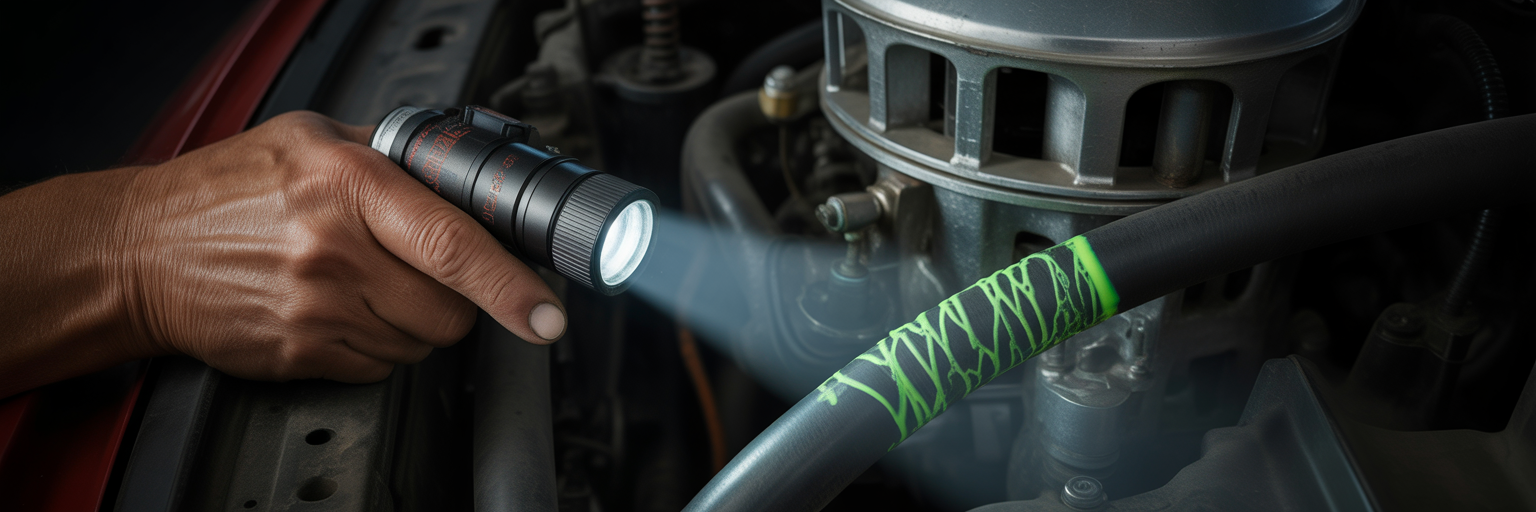
If you have determined your coolant is low, simply topping it off is only a temporary solution. Your cooling system is a sealed circuit, and the fluid level should not drop. If it is low, it means you have a leak somewhere that needs to be found and repaired. Playing detective to find the source is the crucial next step.
Leaks can be slow and difficult to spot, or they can be obvious. Start with a visual inspection under the hood when the engine is cool. Look for signs of trouble around the most common failure points.
- Hoses: Check all the radiator and heater hoses for cracks, bulges, or brittleness. Pay close attention to the connections.
- Hose Clamps: Sometimes the clamps themselves can loosen over time, causing a slow drip.
- Radiator: Inspect the radiator for any signs of corrosion or wet spots, especially where the plastic end tanks meet the aluminum core.
- Water Pump: Look for drips or crusty residue around the water pump pulley and its mounting gasket.
- Thermostat Housing: The gasket where the thermostat is housed can degrade and leak over time.
- Heater Core: This is the toughest one to inspect visually, as it is buried in the dashboard.
Beyond visual clues, use your other senses. A distinct, sweet smell is the unmistakable scent of burning antifreeze, indicating a leak that is dripping onto a hot engine component. The most definitive sign of a leaking heater core is dampness or a puddle on the passenger-side floor carpet. Finding and fixing leaks is a critical part of vehicle maintenance. This is a key check when evaluating any used vehicle, including some of the best used luxury SUVs that won’t destroy you on repairs, as even the most reliable models can develop leaks with age and mileage.
Troubleshooting In-Cabin HVAC Control Failures
So far, we have focused on problems under the hood that prevent hot coolant from reaching the heater core. But what if the coolant system is working perfectly and the problem lies inside the cabin? It is possible for the heating system to be full of hot coolant, yet you still get cold air because the mechanism designed to deliver that heat has failed.
The most common culprit here is the blend door actuator. As we discussed, the blend door is the flap that directs air either through the heater core for warmth or around it for cool air. This door is moved by a small electric motor called an actuator. These actuators can fail in a couple of ways. The internal motor can burn out, or more commonly, the small plastic gears inside can strip or break.
The primary symptom of a failing blend door actuator is a repetitive clicking or tapping sound coming from behind the dashboard. You will often hear it when you start the car or when you change the temperature setting. The sound is the actuator trying to move the door but failing because of the broken gears. Another symptom is a system that is stuck on one temperature. You might get hot air no matter the setting, or cold air even when you have it set to full heat. While a faulty blend door is a common issue, more complex problems in modern cars, like a bad cabin temperature sensor or a failed HVAC control module, typically require professional diagnostic tools to pinpoint.
A Diagnostic Checklist and When to Call a Professional
Facing a car heater problem can be daunting, but by following a logical process, you can often narrow down the cause. Understanding how to fix car heater issues starts with proper diagnosis. Here is a simple checklist to guide you, starting with the easiest and most common checks.
1. Check the Coolant Level (Engine Cold): Inspect the overflow reservoir and the radiator. Is the level low? This is the most common cause.
2. Listen for Noises: When you start the car, do you hear a gurgling sound from the dash (trapped air) or a clicking noise (blend door)? When the engine is running, is there a whining or grinding from the front of the engine (water pump)?
3. Watch the Temperature Gauge: Does the gauge stay on cold or read lower than normal during your drive? This points to a stuck-open thermostat.
4. Feel the Hoses (Engine Warm): Carefully feel the two heater hoses at the firewall. If one is hot and the other is cool, you likely have a clogged heater core.
5. Check for Leaks: Look for puddles under the car, sniff for a sweet smell, and check the passenger floor for dampness.
Some of these issues, like topping off coolant or bleeding air from the system, are manageable for a DIY enthusiast. However, it is important to know your limits. Certain jobs, like replacing a heater core or water pump, are labor-intensive and best left to a professional. Most importantly, you must recognize the critical warning signs that demand you stop driving immediately: a temperature gauge climbing into the red, steam pouring from under the hood, or large, active coolant puddles forming under your car. Ignoring these can lead to catastrophic engine damage.
By using this guide, you can have a more informed and effective conversation with your mechanic, ensuring you get the right fix the first time. For more helpful guides and automotive insights, explore our main informative section.
| Symptom | Most Likely Cause | First Action to Take (Engine Cold) |
|---|---|---|
| Heat works when driving, not at idle | Low Coolant / Air in System | Check coolant level in reservoir and radiator. |
| Gurgling or ‘waterfall’ sound from dash | Trapped Air in Heater Core | Check coolant level; consider bleeding the system. |
| Temp gauge always reads low; lukewarm heat | Stuck-Open Thermostat | Observe temperature gauge during a 15-minute drive. |
| Inlet hose hot, outlet hose cool (Engine Warm) | Clogged Heater Core | Carefully feel both heater hoses at the firewall. |
| Grinding/whining noise from front of engine | Failing Water Pump | Listen for noises that change with engine RPM. |
| Clicking sound from dashboard | Faulty Blend Door Actuator | Listen for clicks when changing temperature settings. |
| Sweet smell; damp passenger floor | Leaking Heater Core | Inspect passenger-side floor for moisture. |
Note: Always perform checks on a cool engine unless otherwise specified. If the temperature gauge enters the red, stop driving immediately to prevent engine damage.