
The Frustrating Click at the Pump
We have all been there. You are standing at the gas station, the nozzle is in your car, and you are just trying to get a full tank. Then, seconds after you start, you hear it: click. You squeeze the handle again. Click. You try holding it at a different angle, pulling it out slightly, and still, the pump shuts off every few seconds. This common frustration is more than just an annoyance; it is often a signal from either the pump or your vehicle.
The first thing to understand is that the automatic shutoff is a critical safety feature, not a design flaw. Its entire purpose is to prevent gasoline from overfilling your tank and spilling onto the ground, which is both dangerous and environmentally harmful. The mechanism behind this feature is a clever piece of engineering based on a principle called the Venturi effect. Near the tip of the gas pump nozzle, there is a small sensing tube. As you fill your tank, air is pushed out and flows through this tube. When the fuel level rises and covers the opening, it blocks the airflow. This blockage creates a sudden change in pressure, a small vacuum, which mechanically trips a lever inside the handle and stops the flow of fuel. That is the click you hear.
So, when the gas pump keeps clicking off long before your tank is full, it means the sensor is being triggered prematurely. The question is, why? The causes generally fall into two categories. The first involves simple issues with the gas pump itself or your fueling technique, which are often easy to solve right at the station. The second category points to more complex mechanical problems within your vehicle’s fuel and emissions systems. Understanding the difference is the key to solving this puzzle and getting back on the road without the constant clicking.
Troubleshooting Simple Fixes at the Gas Station
Before you start worrying about expensive repair bills, it is worth remembering that the problem might not be with your car at all. The gas pump nozzle is a sensitive device, and several simple adjustments can often resolve the issue on the spot. If your car won’t take fuel properly, work through these steps before leaving the station.
First, try adjusting the nozzle’s position. If you insert the nozzle too deeply into the filler neck, the incoming fuel can splash back and cover the sensor, tricking it into shutting off. Conversely, if it is not inserted far enough, it may not create a proper seal, which can also cause issues. The goal is to find the sweet spot. Try inserting the nozzle fully and then pulling it back out about an inch. It should rest securely without you having to hold it in a specific, awkward position.
Next, reduce the fuel flow rate. We are often in a hurry and squeeze the pump handle for the fastest possible flow. This high pressure can create turbulence inside the filler neck, causing fuel to splash back onto the sensor. Most pump handles have a clip with two or three different speed settings. Try locking the handle on the lowest or medium setting. A slower, gentler flow is less likely to create the back-pressure that causes a premature shutoff.
Sometimes, the angle of the nozzle is the culprit. The filler neck on your car is not always a straight pipe. It can have bends that interfere with fuel flow if the nozzle is not aligned correctly. Try rotating the nozzle handle to a different position, perhaps to a 3 o’clock or 9 o’clock orientation, while keeping it in the tank. This small change can sometimes improve the alignment, allowing air to vent more easily as fuel flows in.
Finally, the most definitive test is to try a different pump or even a different gas station. Gas pump nozzles endure a lot of use and abuse, and their sensors can become overly sensitive over time. If you move to an adjacent pump and the problem disappears, you have your answer: the issue was with the station’s equipment, not your vehicle. If the problem follows you to multiple pumps and stations, then it is time to consider that the cause lies within your car’s systems.
Your Vehicle’s Fuel and Vapor Management Systems
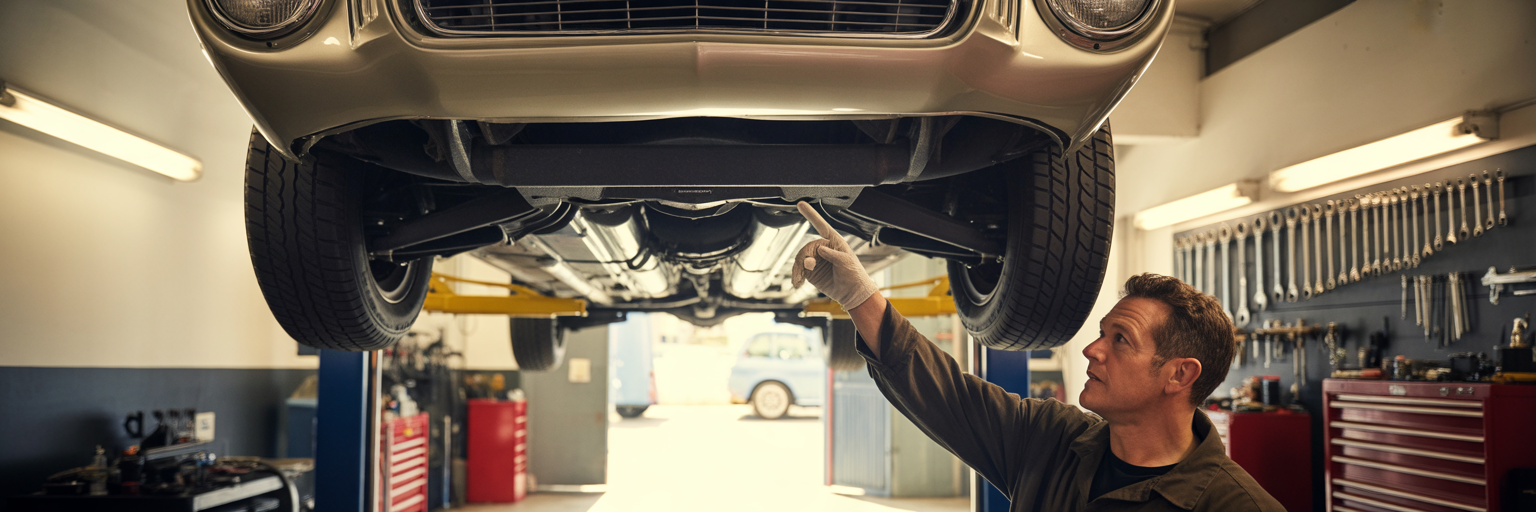
If you have ruled out the simple fixes at the pump, the next step is to understand what is happening inside your vehicle during refueling. The process is more complex than just pouring liquid into a container. It involves a coordinated system designed to handle both fuel and the vapors it displaces. The core concept is air displacement. Think about pouring water into a bottle with a narrow neck. If air cannot get out, the liquid cannot get in. The same principle applies to your fuel tank. For every gallon of gasoline that enters the tank, an equal volume of air and fuel vapor must be able to escape smoothly.
This is where your vehicle’s Evaporative Emission Control (EVAP) system comes into play. Mandated by federal regulations, the EVAP system is designed to do one primary job: capture harmful gasoline vapors and prevent them from escaping into the atmosphere. It is a closed network of hoses, valves, and a filter. It is crucial to recognize that this entire system is engineered to manage vapor, not liquid fuel. When it works correctly, you never even know it is there.
So, where is all that displaced air supposed to go? During a normal refueling event, as gasoline flows down the filler neck and into the tank, the air and fuel vapors inside are pushed out. They travel from the top of the tank through a series of vent lines and valves. This vapor-rich air is routed into a component called the charcoal canister, which acts as a temporary storage filter. The activated charcoal inside the canister absorbs the fuel vapors while allowing the clean air to pass through and exit via a vent. This carefully managed process allows your tank to fill quickly and efficiently without releasing pollutants. Understanding how your car’s various systems work together is fundamental to its longevity, a principle that applies to everything from the engine to the emissions controls. For more on this, you can read our guide on how to keep your car’s engine running for years.
How a Faulty EVAP System Halts Fueling
Now we can connect the dots between the systems in your car and the frustrating click of the gas pump. When the EVAP system is not working correctly, it fails at its secondary job: allowing air to escape during refueling. This creates a bottleneck that directly causes the pump to shut off prematurely. The issue almost always stems from a blockage somewhere along the vapor escape route.
Let’s look at the key components involved. The charcoal canister is the vapor storage tank. The EVAP vent valve, also called a vent solenoid, is a critical gatekeeper. When your car is off and you are refueling, this valve is supposed to be open. This open valve provides the primary path for the displaced air to exit the system after passing through the canister. A third component, the purge valve, is normally closed when the car is off, so it is less likely to be the cause of this specific problem, but it is an integral part of the overall system.
The mechanism of failure is straightforward. If the EVAP vent valve is stuck closed, or if the charcoal canister or its associated vent lines are clogged, the air being displaced by the incoming fuel has nowhere to go. It becomes trapped. This trapped air quickly builds up pressure inside the fuel tank and filler neck. This back-pressure pushes back against the stream of gasoline, creating the exact condition the gas pump nozzle is designed to detect as a “full tank.” The nozzle’s sensor gets a splash of fuel, the Venturi effect creates its vacuum, and click, the pump shuts off. The pump is not faulty; it is doing its job perfectly by reacting to the abnormal pressure in your fuel system. These EVAP system problems are precisely what the pump is signaling.
The U.S. Environmental Protection Agency mandates these systems to control hydrocarbon emissions. As a report from the EPA outlines, these systems are designed to capture vapors that would otherwise contribute to air pollution. When your EVAP system is compromised, it not only makes filling your tank a chore but can also lead to environmental and performance issues. In short, the clicking pump is a symptom of a blocked airway in your car’s fuel vapor system.
Pinpointing the Mechanical Culprit
When the problem is definitely with your vehicle, it is time to investigate the specific mechanical components that could be at fault. A few key culprits are responsible for the vast majority of refueling issues caused by EVAP system problems. Understanding what they are, why they fail, and their associated symptoms can help you or your mechanic diagnose the issue accurately.
The Clogged Charcoal Canister
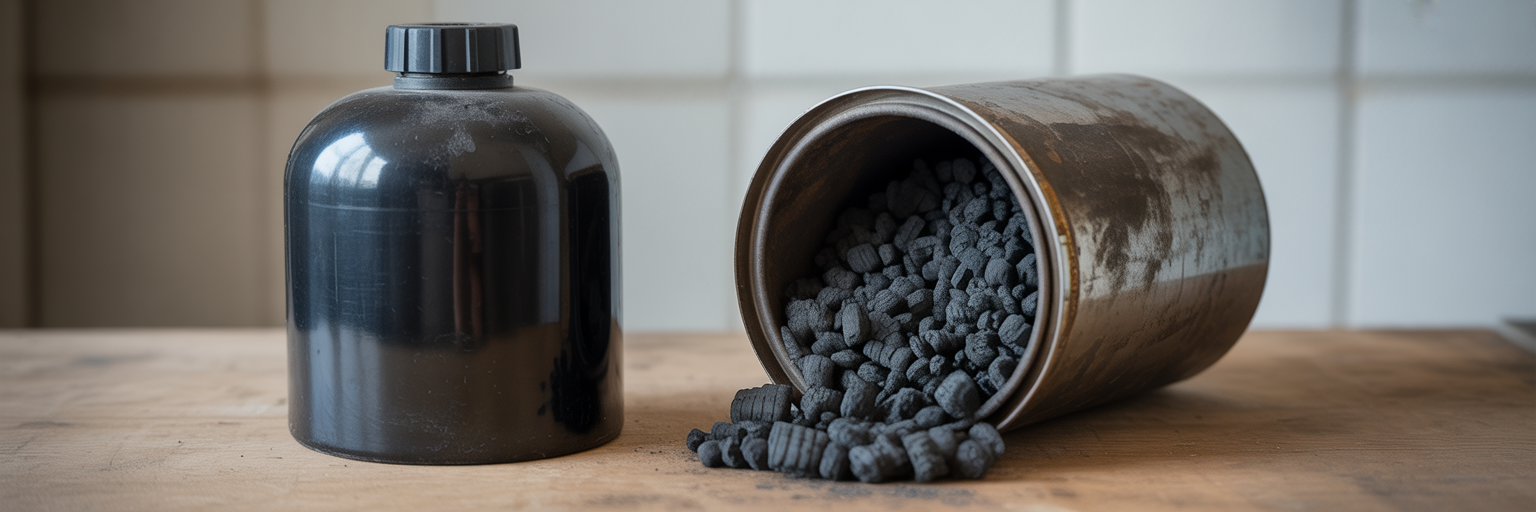
This is one of the most common and most preventable causes. The charcoal canister is filled with activated charcoal pellets designed to absorb fuel vapors. It is not designed to handle liquid fuel. The number one reason a canister fails is from the habit of repeatedly topping off the tank after the pump clicks off the first time. Forcing extra fuel into the tank pushes liquid gasoline into the vapor lines and floods the canister. The liquid saturates the charcoal pellets, turning them into a dense, useless sludge that completely blocks airflow. A clogged canister is a surefire way to create the back-pressure that stops refueling. Key symptoms include a strong, persistent fuel smell around the vehicle and a check engine light, often with codes related to a large EVAP leak (like P0455). A charcoal canister replacement can be a costly repair, often requiring the fuel tank to be lowered for access.
The Failed EVAP Vent Valve
The EVAP vent valve is the gate that allows air to escape the system during refueling. It is typically located underneath the car near the charcoal canister, where it is exposed to road grime, moisture, and debris. Over time, it can fail in a few ways. It can become stuck closed due to an internal electrical failure, or it can be physically blocked by dirt or rust. In a surprisingly common scenario, spiders find the vent outlet to be a prime location for building nests, creating a complete blockage. When this valve is stuck closed, the air has no escape path, and the pump will click off almost immediately. This failure will usually trigger a check engine light with a code specific to the vent valve circuit (like P0446 or P0449).
Obstructed Vent Lines and Filler Neck
The problem can also lie within the plumbing itself. The EVAP system uses a network of rubber and plastic hoses to route vapors. Over time, these rubber hoses can degrade from the inside, collapsing on themselves and creating a restriction. They can also become kinked or blocked by debris. Similarly, the metal filler neck that you put the gas nozzle into can rust and corrode, especially on older vehicles. This corrosion can create flakes that block the passage or even cause the internal structure to collapse, restricting the flow of both fuel going in and air coming out. These issues become more prevalent with age, which is a key factor in the insights we shared about why some high mileage cars age better than others.
| Component | Common Cause of Failure | Key Symptoms | Repair Complexity |
|---|---|---|---|
| Charcoal Canister | Repeatedly topping off the tank with fuel. | Fuel pump clicks off, strong fuel odor, Check Engine Light (e.g., P0442, P0455). | Moderate to High (Often requires tank removal). |
| EVAP Vent Valve/Solenoid | Stuck closed due to dirt, debris, spider nests, or electrical failure. | Fuel pump clicks off, Check Engine Light (e.g., P0446, P0449). | Low to Moderate (Depends on location). |
| Blocked Vent Lines | Rubber hoses collapsing internally, kinks, or blockages from debris. | Fuel pump clicks off, hissing sound from fuel cap when opened. | Variable (Can be simple or require extensive tracing). |
| Damaged Filler Neck | Rust, corrosion, or physical damage creating a restriction. | Fuel pump clicks off, visible damage upon inspection. | Moderate (Requires part replacement). |
Note: This table provides a general guide. Symptoms and repair complexity can vary significantly based on vehicle make, model, and age. A professional diagnosis is recommended.
Why ‘Topping Off’ Is a Costly Habit
Let’s dedicate a moment to the single most destructive habit related to your car’s fuel system: topping off the tank. Many drivers do it, often to round up to an even dollar amount or with the mistaken belief that they are squeezing in a few extra miles of range. In reality, this seemingly harmless practice is the leading cause of severe and expensive damage to the EVAP system.
Here is what happens. The first click of the gas pump nozzle is not a suggestion; it is a definitive signal that your tank has reached its designed maximum capacity. This capacity includes a built-in air space at the top of the tank to allow for fuel expansion as temperatures change. When you ignore that first click and continue to force more fuel in, you are eliminating that vital air space. Worse, you are forcing liquid gasoline into pipes and chambers that were only ever meant to handle vapor.
The charcoal canister is the primary victim. Think of it as a delicate sponge designed to absorb airborne moisture, not to be dunked in a bucket of water. When you top off, you are essentially dunking your car’s vapor-absorbing sponge into a bucket of liquid gasoline. The activated charcoal pellets become saturated and swell, turning into a solid, non-porous mass. The canister is ruined. It can no longer absorb vapors, and more importantly for the refueling problem, it can no longer allow air to pass through it. It becomes a solid plug in your car’s ventilation system.
The financial consequence of this habit cannot be overstated. This is the core of why not to top off gas tank. A single act of topping off might not destroy the canister, but making it a regular habit almost guarantees its failure. Replacing a charcoal canister is not a cheap repair. The part itself can be expensive, and because it is often located in a hard-to-reach area near the fuel tank, the labor costs can add up quickly. A repair that can easily run into several hundred dollars is the direct result of trying to squeeze in that last fifty cents’ worth of gas. The math simply does not add up. Heeding the first click is the easiest and cheapest maintenance you can perform on your fuel system.
Diagnosing the Problem: DIY Checks vs. Professional Help
Once you suspect a mechanical fault, the next step is to determine the severity of the problem and decide on a course of action. There is a clear line between what a motivated DIYer can reasonably check and when it is time to hand the keys to a professional technician.
For the DIY enthusiast, the diagnostic process starts with the simple things. Perform a thorough visual inspection. Look at the filler neck for any obvious signs of rust, corrosion, or physical damage. Check the gas cap. Is the seal cracked or worn? Does it click at least once when you tighten it? A faulty gas cap can cause EVAP system codes, though it is less likely to be the sole cause of a refueling issue. The most powerful tool in a DIYer’s arsenal is an inexpensive OBD-II scanner. If your check engine light is on, this device will read the diagnostic trouble codes stored in your car’s computer. A code like P0446, for example, points directly to a problem in the EVAP vent control circuit. The code does not tell you exactly which part has failed, but it narrows the search down immensely.
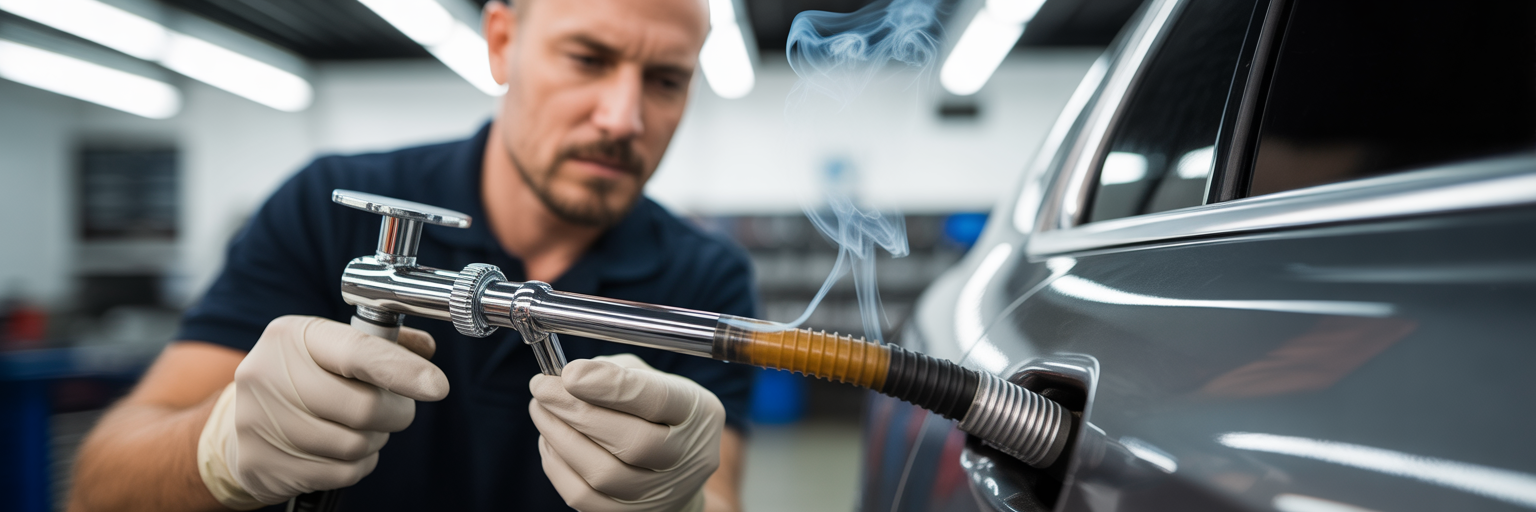
However, it is important to recognize the limits of DIY diagnostics. While reading a code is easy, confirming the failure often requires more advanced tools and knowledge. A professional mechanic does not just replace the part suggested by a code. They will test the component, for instance, by using a multimeter to check an EVAP vent solenoid for proper resistance or by applying power to see if it clicks open and closed. The gold standard for finding blockages or leaks in an EVAP system is a smoke machine. This specialized tool pumps a harmless, visible smoke into the system under low pressure. Wherever the smoke escapes is where the leak is. Wherever it stops is where the blockage is. This can pinpoint a problem in minutes that a DIYer might spend hours searching for. When looking for a reliable vehicle, especially a used one, understanding potential issues like these is crucial. Our guide on the best used cars for first-time buyers under $12000 can help you navigate the market with more confidence.
The decision to call a professional should be made if the problem persists at multiple gas stations, if you notice a strong and persistent fuel odor, or if the check engine light is illuminated. These are clear signs that the issue is beyond a simple pump-side fix.
Repairing the System and Preventing Future Issues
Once the problem has been professionally diagnosed, the repair typically involves replacing the failed component. If the EVAP vent valve is stuck, it will be replaced. If a vent line is collapsed or blocked, it may be cleared with compressed air or replaced entirely. The most involved repair is the charcoal canister replacement, which, as discussed, can be costly due to both the part and the labor involved in accessing it.
While these repairs will solve the immediate problem, the most important takeaway is how to prevent them from happening in the first place. The preventative maintenance for your car’s fuel vapor system is incredibly simple and costs nothing. It is to stop fueling at the first click. Do not top off the tank. Let the automatic shutoff do its job as it was designed. This single change in habit is the most effective way to protect your charcoal canister and the entire EVAP system from premature failure.
Ultimately, a gas pump that keeps clicking off is more than just a minor inconvenience. It is a clear and direct signal from your vehicle that something is obstructing its ability to breathe during refueling. Listening to that signal, trying the simple fixes, and seeking professional help when needed will not only solve the frustrating clicking but can also save you from more complicated and expensive repairs down the road. For more informative articles to help you understand your vehicle, you can explore the resources at Car Phanatics.