
Full-size trucks have grown to near-luxury-sedan dimensions, yet true rear-seat comfort for three adults often remains an unsolved puzzle. This detailed full-size truck comparison dissects which 2026 crew cab rear seat truly delivers on the promise of accommodating three passengers without compromise.
Evaluating the 2026 Crew Cab for True Three-Adult Comfort
Manufacturers advertise massive cabins with impressive legroom figures, but the reality for the middle passenger is often a compromised experience. This analysis moves beyond the spec sheet to focus on the qualitative aspects of comfort that make all the difference on a real trip. We are evaluating the 2026 Ford F-150 SuperCrew, Chevrolet Silverado 1500 Crew Cab, GMC Sierra 1500 Crew Cab, Ram 1500 Crew Cab, and Toyota Tundra CrewMax. This kind of detailed analysis is essential for anyone shopping in the competitive market for full-size trucks.
To create a relatable, real-world benchmark, we applied a consistent test scenario to each truck. Our passenger crew consists of three adults with varied dimensions: one at 6 feet and 200 pounds, another at 5 feet 10 inches and 180 pounds, and a third at 5 feet 6 inches and 150 pounds. This allows us to evaluate how these cabins handle a realistic passenger load, not just a single person stretching out.
Our scrutiny goes far beyond simple measurements. We focused on the nuanced metrics that determine genuine comfort:
- Actual center-seat cushion width and firmness
- Floor hump height and its impact on foot space
- True shoulder and hip room with three people aboard
- Seat-belt buckle placement and potential for hip pressure
- Center head-restraint effectiveness
- Rear-seatback angle and thigh support for long-haul comfort
By examining these factors, we can determine which truck offers a genuinely usable middle seat and which one relegates it to a short-trip penalty box.
2026 Ram 1500 Crew Cab Rear Seat Analysis
The Ram 1500 has built a reputation for interior refinement, often setting the benchmark for comfort in the truck segment. Its design philosophy prioritizes passenger experience, combining a smooth ride from its standard coil-spring rear suspension with premium appointments that challenge luxury vehicles.
The Foundation of Comfort: Legroom and a Flat Floor
The Ram 1500 boasts impressive rear legroom. As publications like MotorTrend have noted, the 2026 model offers a generous 45.2 inches, a key feature that provides an immediate sense of space. However, the more critical factor for three-person comfort is the nearly flat rear floor. This design dramatically improves foot and leg placement for the center passenger, transforming it from an afterthought into a viable seat. The minimal transmission tunnel intrusion means the middle passenger isn’t forced to awkwardly splay their legs around a large hump, a common issue in other trucks. This excellent Ram 1500 rear seat room is a cornerstone of its comfort.
The Center Seat Experience
Beyond the accommodating floor, the center seat cushion itself is thoughtfully designed. Unlike many rivals that feature a narrow, hard perch, the Ram’s center position is nearly as wide and well-padded as the outboard seats. The seat-belt buckles are recessed into the cushion, preventing them from digging into the passenger’s hips, a small detail that pays huge dividends on longer drives. For our 6-foot passenger, the center head restraint is substantial and adjustable, providing proper whiplash protection and support, rather than being a token, non-functional placeholder.
Long-Haul Ergonomics and Amenities
For trips extending beyond a quick jaunt, the Ram’s ergonomics shine. The rear seatback features a comfortable recline angle that avoids the bolt-upright posture found in some competitors. Paired with a long seat bottom cushion, it provides excellent thigh support, which is crucial for preventing fatigue on all-day drives. Higher trims like the Longhorn and Tungsten introduce features such as heated and ventilated rear seats, elevating the experience further. Well-placed climate vents, ample USB-A and USB-C ports, and thoughtfully designed cupholders ensure all three rear passengers are catered to, making the Ram a top contender for the most comfortable truck back seat on the market.
Inside the 2026 Ford F-150 SuperCrew’s Back Seat
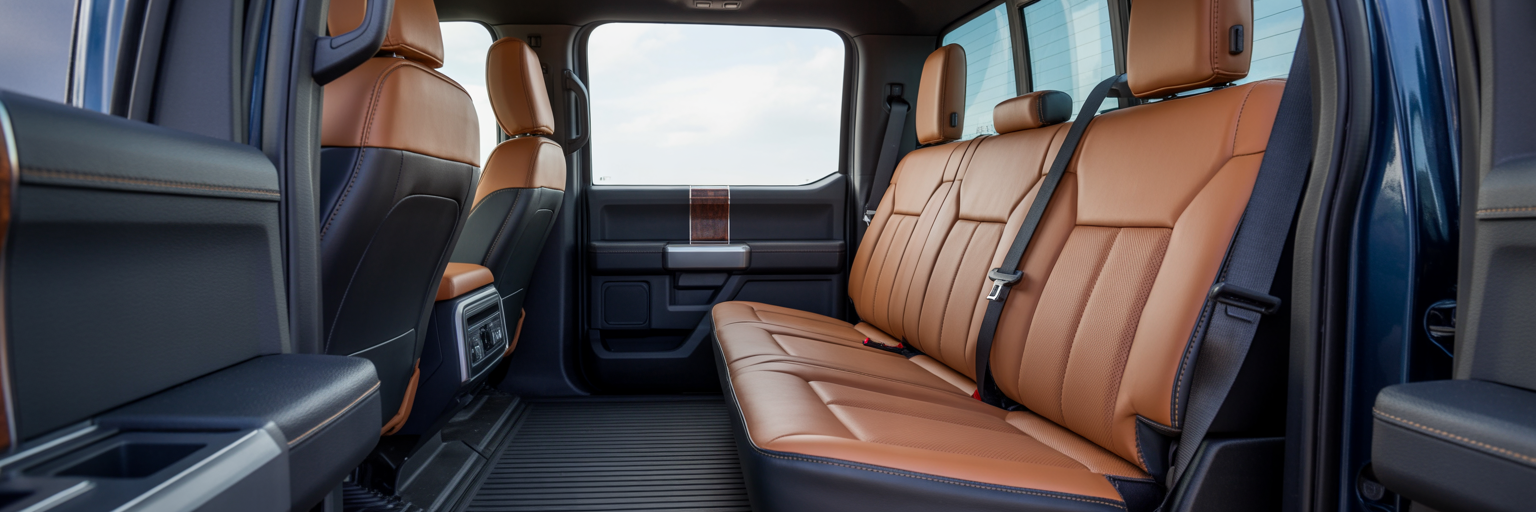
The Ford F-150 has long been celebrated for its unmatched practicality and a cavernous interior that feels engineered for real-world use. Its approach to rear-seat comfort is less about plush luxury and more about maximizing versatile, usable space, a philosophy perfectly embodied by its signature flat floor.
The Advantage of a Truly Flat Floor
The F-150’s trump card in any rear-seat discussion is its completely flat load floor. This feature provides an immediate and tangible benefit for the center passenger, offering unrestricted foot placement that no competitor can fully match. It creates an open, airy feeling across the entire rear cabin. This design is also incredibly useful for practicality beyond passengers; with the rear seats folded up, it creates a massive, uninterrupted indoor cargo area for hauling bulky items you want to keep secure and out of the elements.
Center Position Realities
While the floor is perfect, the center seat itself presents a more mixed experience. The cushion is wide, but on many trims, the backrest is compromised by the fold-down center armrest. When stowed, it can create a firm, noticeable seam right down the middle of the passenger’s back. For a short trip, it’s a minor issue. Over a couple of hours, that pressure point becomes a significant source of discomfort. The cushion padding is adequate but generally firmer than what you find in the Ram, prioritizing durability over plushness.
Practicality and Passenger Space
With our three-adult crew aboard, the F-150’s cabin feels wide, though not quite as expansive in shoulder room as the GM twins. Outboard passengers have plenty of space and don’t feel pressed against the doors. Seat belt buckles are reasonably well-placed and cause minimal interference. Ford provides rear passengers with dedicated climate vents and a useful mix of power outlets, including both USB-A and USB-C ports. For a quick 20-minute trip, the F-150 is a potential winner due to its easy access and open floor. However, when considering the F-150 vs Silverado back seat for a longer haul, the F-150’s center seatback comfort becomes a more pressing question. Readers can find other head-to-head vehicle analyses to see how these details stack up in different matchups.
Comparing the 2026 Silverado and Sierra Crew Cabs
The Chevrolet Silverado and GMC Sierra share a platform, and with it, a core approach to interior packaging. They stand out in the segment for one primary reason: sheer cabin width. However, this strength is paired with a shared ergonomic compromise that directly impacts the center passenger.
The Kings of Cabin Width
The first impression upon entering the rear of a Silverado or Sierra with two other adults is one of surprising space. They are the champions of shoulder and hip room. As dimension data from platforms like iSeeCars shows, the GMC Sierra 1500 has class-leading shoulder room, which directly contributes to a wider-feeling rear seat. For our test crew, this meant less elbow-jostling and a greater sense of personal space for the outboard passengers, who didn’t feel crowded against the doors.
The Center Seat Compromise: The Floor Hump
This generous width is offset by the GM twins’ most significant drawback for three-person travel: the floor hump. While not as tall as the Tundra’s, the transmission tunnel is prominent. It forces the center passenger to place one foot on either side of the hump, a position that becomes increasingly awkward and uncomfortable as a trip wears on. The center seat cushion itself is adequate on a Silverado LT or Sierra SLT, but it lacks the contouring and padding of the outboard positions, reinforcing its status as a temporary seat.
Sierra’s Premium Touch vs. Silverado’s Utilitarian Approach
While mechanically similar, the two trucks diverge in execution. The Sierra, particularly in Denali and Denali Ultimate trims, aims for a premium experience. It uses more upscale materials, offers more sculpted and comfortable seating surfaces, and features enhanced sound deadening for a quieter cabin. This can improve long-trip comfort for everyone. The Silverado, by contrast, leans into a more durable, work-focused interior with materials designed to withstand heavy use. This distinction is important, as full-size trucks often pull double duty as family haulers, a role where comfort is as important as capability, much like in their SUV counterparts. You can explore a similar dynamic in our comparison of full-size SUVs.
Smart Storage and Amenities
A unique feature of the GM trucks is the available storage compartments integrated into the rear seatbacks. While clever, they can create a harder surface for passengers. Climate vents and USB ports are well-placed and accessible to all. Ultimately, the Silverado and Sierra are excellent for short trips where their class-leading width provides an immediate feeling of space. For long hauls, however, the center passenger’s comfort is significantly compromised by the floor hump, making the F-150 vs Silverado back seat debate a close one with different trade-offs.
Toyota Tundra CrewMax Rear Cabin Assessment
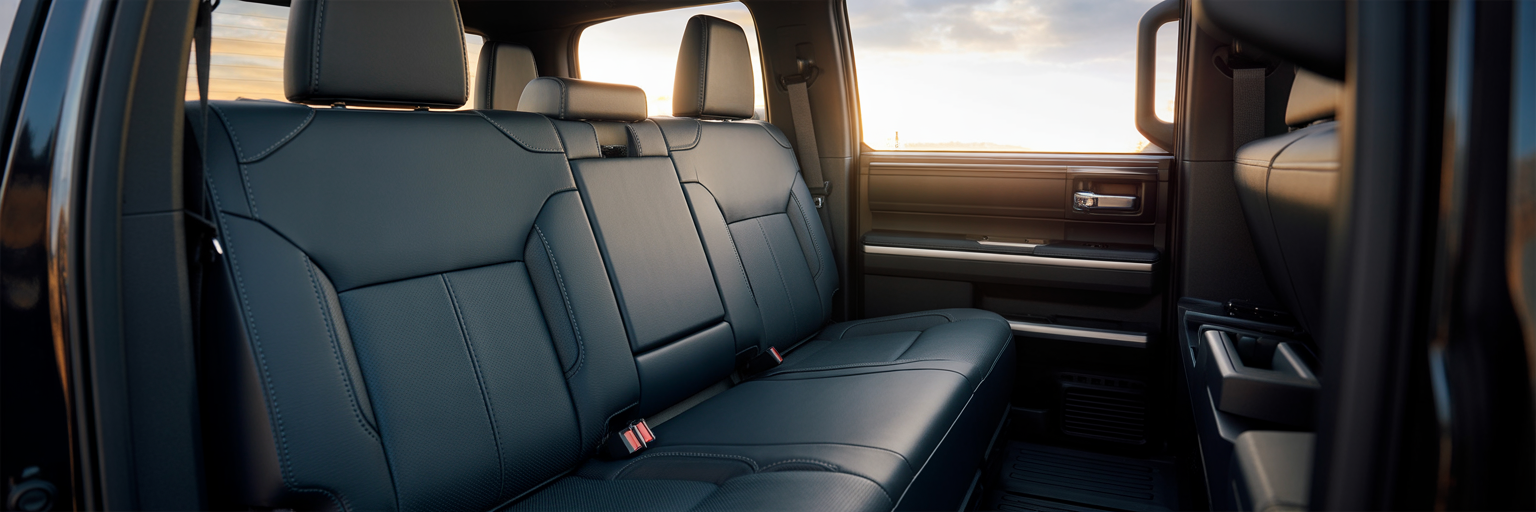
The latest Toyota Tundra CrewMax entered the market as a modern challenger, blending a tech-forward interior and Toyota’s reputation for solid build quality. However, its design philosophy prioritizes a rugged aesthetic and certain packaging choices that create specific ergonomic trade-offs for rear passengers, especially when seating three across.
A Modern Cabin with a Traditional Layout
The Tundra’s rear cabin immediately feels modern and well-constructed. It offers competitive rear legroom at 41.6 inches, and the materials feel durable and high-quality. The overall design is clean and functional, with a large central screen and digital instrument cluster that give it a contemporary feel. However, this modern approach is paired with a more traditional truck interior layout, most notably in the design of the rear floor.
The Center Passenger’s Obstacle Course
The Tundra’s most significant challenge for three-adult comfort is the rear floor hump. It is the tallest and most intrusive among the trucks we tested. This forces the center passenger into a very awkward foot position, making it difficult to find a comfortable posture for anything more than a very short trip. Compounding this issue is the center seat cushion, which is noticeably narrower and firmer than its competitors. Furthermore, the standard under-seat storage system, while practical, features a plastic frame that can intrude on foot space, creating another obstacle for passengers to negotiate.
Seating Geometry and Long-Trip Viability
The Tundra’s rear seatback angle is also one of the most upright in the class. While acceptable for short durations, this posture can become fatiguing on longer journeys. With our three-adult crew, the cabin felt subjectively narrower than the GM trucks, despite having good legroom on paper. The center head restraint provides adequate protection for our 6-foot passenger, and the seat belt buckles are placed acceptably. In summary, the Tundra is a robust and reliable truck with a high-quality interior, but its specific geometry, particularly the intrusive floor hump and upright seating, makes it better suited for carrying two rear passengers in maximum comfort or three for only the briefest of trips.
The Trip Duration Showdown: 20 Minutes to All Day
A truck’s rear-seat comfort is not a single score but a changing variable depending on the length of the journey. Here is how our five contenders stack up across different timeframes, applying our findings to real-world scenarios.
For a 20-minute drive to a lunch spot or local job site, the priority is ease of access and initial perceived space. Here, the Ford F-150 excels with its wide-opening doors and completely flat floor, making it effortless for three people to hop in and settle. The Chevrolet Silverado and GMC Sierra are also strong contenders, as their superior shoulder room provides an immediate sense of width that masks other compromises on a short trip.
As the drive extends to two hours, minor annoyances become real problems. The floor humps in the GM twins and especially the Toyota Tundra begin to dictate passenger comfort, forcing the center person into an awkward, fatiguing posture. The firm seam in the F-150’s center seatback starts to make its presence known. This is where the Ram 1500 pulls ahead. Its combination of a nearly flat floor, a well-padded center seat, and comfortable seatback angle means all three passengers remain comfortable.
On an all-day road trip, the differences become stark. This is the ultimate test for the best truck for 3 adults. Fatigue mitigation is paramount. The Ram 1500’s deep thigh support, effective rear climate controls, quiet cabin, and superior overall ergonomics make it the clear winner. After eight hours, its back seat still feels like a comfortable lounge, while the center positions in the Tundra and GM trucks have become penalty boxes. The F-150 lands in the middle, its fantastic floor space offset by a less-than-ideal center backrest for a full day of travel. This highlights what makes a great family road trip vehicle: details that support long-duration comfort.
| Metric | Ram 1500 | Ford F-150 | Silverado/Sierra | Toyota Tundra |
|---|---|---|---|---|
| Center Floor Hump | Nearly Flat | Completely Flat | Moderate Height | Tall & Intrusive |
| Center Seat Cushion | Wide & Well-Padded | Wide but Firm Seam | Adequate Width, Varies by Trim | Narrow & Firm |
| Overall Cabin Feel | Luxurious & Spacious | Open & Utilitarian | Widest Shoulder Room | Solid but Narrower Feel |
| Long-Trip Comfort | Excellent | Good | Fair (due to hump) | Fair (due to hump & seat angle) |
| Key Advantage | Seat Ergonomics & Flat Floor | Versatile Flat Floor | Sheer Cabin Width | Build Quality & Modern Tech |
Final Verdict: The Best 2026 Crew Cab Back Seats
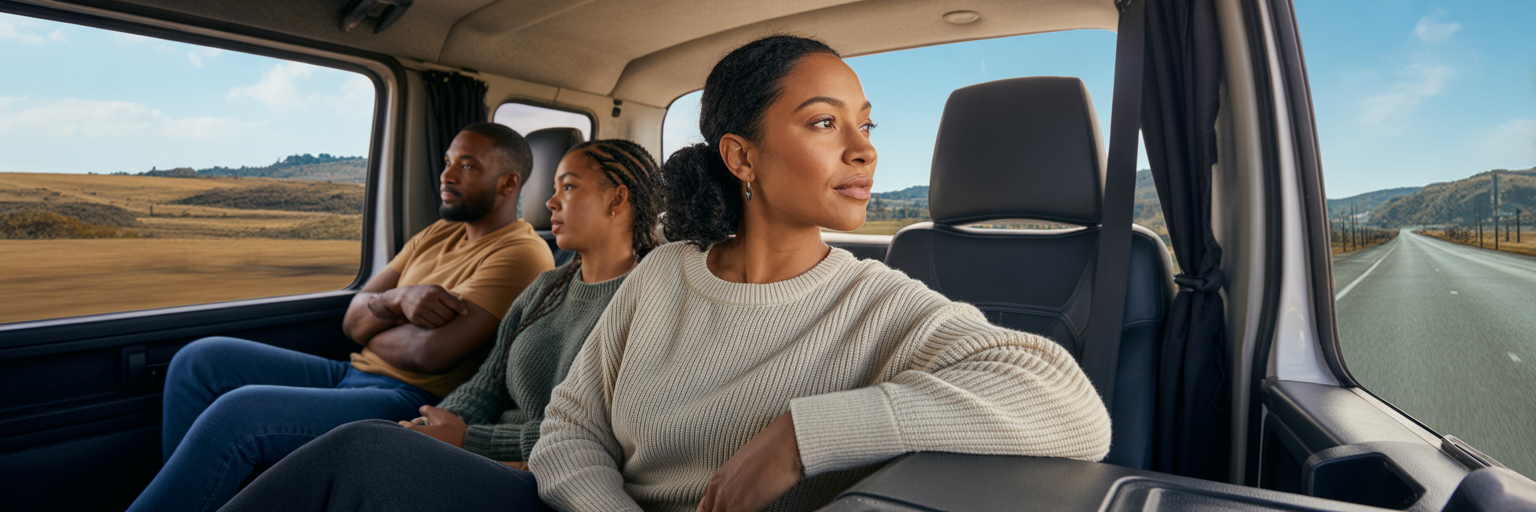
After extensive hands-on evaluation with three adults, the results are clear. While every truck has its strengths, they are not created equal when it comes to true three-person comfort. Here are our final awards to help you choose the right truck for your needs.
- Widest-Feeling Rear Seat: Chevrolet Silverado / GMC Sierra. Their class-leading shoulder and hip room are immediately noticeable, giving outboard passengers more personal space than any competitor.
- Best Center Position: Ram 1500. This is an undisputed win. The combination of a nearly flat floor, a wide and supportive center cushion, and well-placed seatbelt buckles makes it the only truly comfortable middle seat in the segment.
- Most Rear Legroom: Ram 1500. Its impressive 45.2-inch measurement translates directly to real-world space, allowing even tall passengers to stretch out without issue.
- Best Rear Climate Controls: Ram 1500. With well-placed vents that effectively serve all three passengers and available heated and ventilated rear seats, the Ram offers the most comprehensive climate comfort.
- Best Truck for Three Adults on a Short Trip: Ford F-150. The completely flat floor and wide-opening doors make it the easiest truck for three people to get in and out of for quick journeys.
- Best Truck for Three Adults on a Long Trip: Ram 1500. This is the main event. The Ram 1500 is the decisive winner, making it the best truck for 3 adults on an extended journey. Its superior seat ergonomics, comfortable center position, smooth ride, and thoughtful amenities combine to deliver an experience that no other truck in this comparison can match for all-day comfort.