
Choosing Your Only Car: Honda Prelude vs Toyota GR86
The enthusiast’s dilemma is a timeless one: finding a single car that can stir the soul on a weekend drive yet handle the mundane reality of a daily commute. The head-to-head comparison of the Honda Prelude vs Toyota GR86 brings this challenge into sharp focus. With the return of a legendary nameplate, Honda has re-imagined the Prelude for the modern era, positioning it directly against an established benchmark of affordable fun. This isn’t just a contest of speed, but a clash of philosophies.
On one side stands the 2026 Honda Prelude, a tech-forward, front-wheel-drive hybrid liftback. It represents a smart, efficient approach to performance, engineered to integrate seamlessly into the 9-to-5 grind and beyond. On the other is the 2026 Toyota GR86, the purist’s choice. As a lightweight, naturally-aspirated, rear-wheel-drive coupe, its primary mission is to deliver unfiltered driver engagement. This comparison is tailored for the person who can only have one vehicle in their garage, navigating a life that includes 12,000 miles per year of daily commutes, grocery runs, occasional passenger transport, and weekend road trips, all while dealing with the realities of street parking.
To find the best daily driver sports coupe, we must look beyond the spec sheet. We will dissect everything from powertrain character and handling dynamics to the simple act of loading groceries. This analysis will determine which car better resolves the conflict between pragmatic efficiency and raw, exhilarating performance for the one-car household.
Powertrain Philosophies: Hybrid Efficiency vs Boxer Purity
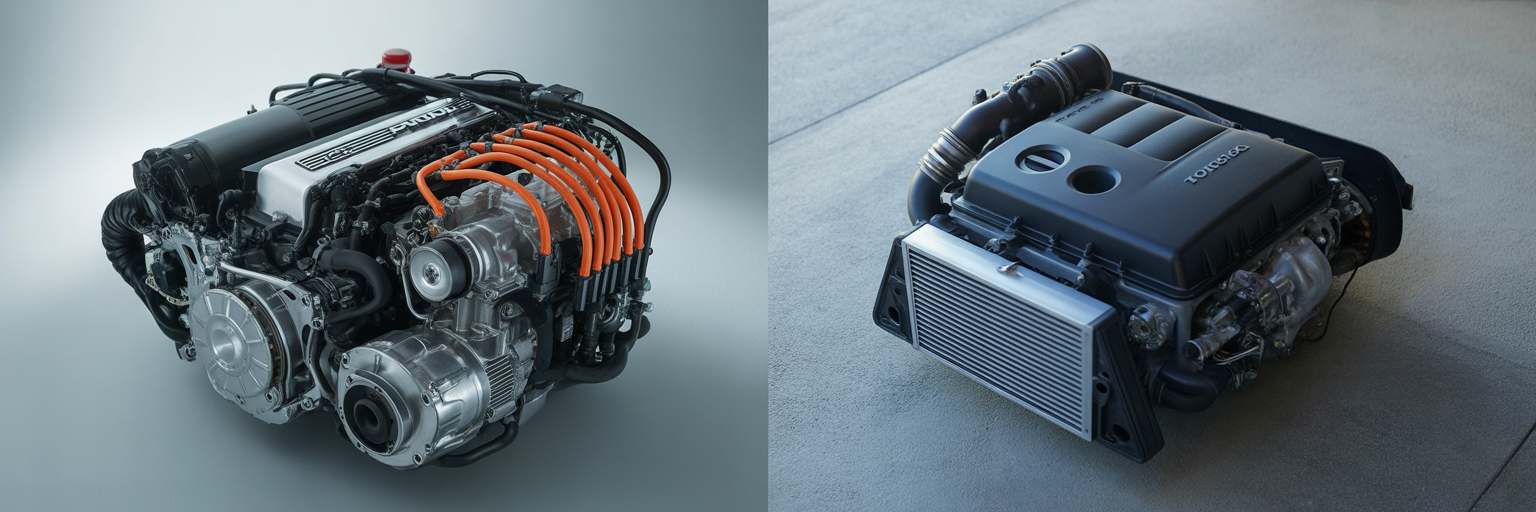
The way a car generates and delivers power defines its personality. The Prelude and GR86 could not be more different in this regard, with each offering a distinct and compelling experience that shapes every moment behind the wheel.
The Prelude’s Hybrid Heart: Instant Torque and Efficiency
The 2026 Honda Prelude review begins with its advanced powertrain. It pairs a 2.0-liter four-cylinder gasoline engine with two electric motors, a system similar to the one found in the latest Accord Hybrid, producing a combined output of around 200 horsepower. The magic of this setup is not its peak power figure but its delivery. The electric motors provide instant torque from a complete stop, making the Prelude feel wonderfully responsive and effortless in city traffic. There is no waiting for the engine to build revs; a gentle press of the accelerator results in smooth, immediate acceleration that makes darting through urban environments a quiet pleasure.
The GR86’s Boxer Soul: High-Revving and Mechanical
In contrast, a 2026 Toyota GR86 review centers on its mechanical purity. It uses a 2.4-liter naturally-aspirated boxer four-cylinder engine that produces 228 horsepower. The “boxer” design, with its horizontally opposed pistons, gives the engine a low center of gravity that directly contributes to the car’s agile handling. Unlike the Prelude’s instant electric shove, the GR86’s power builds in a satisfyingly linear fashion. It rewards a driver who is willing to explore the upper half of the tachometer, coming alive with a distinctive, throaty engine note that is a core part of its appeal. While the GR86’s engine is robust, proper maintenance is key to its long-term health, as detailed in our guide on how to keep your car’s engine running for years.
Transmissions: Simulated Shifts vs. True Manual Engagement
The differences continue with the transmissions. The Prelude employs an electronic continuously variable transmission (e-CVT). It is not a traditional automatic with gears. Instead, it seamlessly manages power from the engine and electric motors for maximum efficiency. For moments when the driver desires a sportier feel, an “S+ Shift” mode can simulate gear changes, but it lacks the direct, physical connection of a true gearbox. The GR86 offers two distinct choices for purists: a precise, short-throw six-speed manual transmission that provides ultimate control and engagement, or a responsive six-speed automatic with paddle shifters. In terms of raw acceleration, the GR86 holds the advantage, hitting 60 mph in about six seconds. The Prelude’s powertrain is a masterclass in smooth, efficient power, while the GR86’s is an ode to mechanical sensation.
Behind the Wheel: Handling, Steering, and Braking
Beyond the engine, the true test of a sports coupe is how it feels on the road. The chassis, steering, and brakes work together to create a dynamic signature, and here again, the Prelude and GR86 offer two very different interpretations of driving fun.
FWD vs. RWD: Predictability Meets Playfulness
The fundamental difference in a FWD vs RWD sports car comparison is how they behave in corners. The Prelude’s front-wheel-drive layout places the engine’s weight over the driven wheels, providing excellent stability and predictable handling. This inspires confidence, especially for drivers who may not have experience with high-performance cars, as the car tends to pull itself through a turn with minimal drama. The GR86’s rear-wheel-drive platform delivers a completely different experience. With power going to the back wheels, the car exhibits superior balance and a natural willingness to rotate in corners. This playful character rewards skilled inputs, allowing the driver to adjust the car’s attitude with the throttle for a more dynamic and engaging drive.
Steering Feel: Insulated Precision vs. Raw Communication
Steering is the driver’s primary line of communication with the road, and the two cars speak different languages. The GR86’s steering is celebrated for being direct, weighty, and incredibly communicative. It telegraphs every nuance of the road surface through the wheel, letting the driver feel exactly what the front tires are doing. This raw feedback is essential to its purist mission. The Prelude’s steering is precise and nicely weighted, allowing the driver to place the car with accuracy. However, it is intentionally more isolated from road imperfections. Honda prioritized comfort, filtering out minor vibrations to create a more serene experience. The Prelude’s form of engagement comes from managing the smooth flow of its hybrid power, a stark contrast to the mechanical act of rowing through gears in the GR86.
Braking Dynamics and Pedal Feel
Both coupes are equipped with strong, capable brakes that can bring them to a halt with authority. The difference lies in the pedal feel. The GR86 features a firm, linear brake pedal that is easy to modulate, giving the driver precise control over stopping power, which builds confidence during spirited driving. The Prelude utilizes a blended braking system that combines traditional mechanical brakes with regenerative braking to recapture energy for the battery. While highly effective at slowing the car and improving efficiency, this system can sometimes feel less intuitive. The initial pedal application might feel slightly disconnected or non-linear as the car transitions between regenerative and friction braking, a common trait in many hybrid vehicles.
The Daily Grind: Commuting Comfort and Onboard Tech
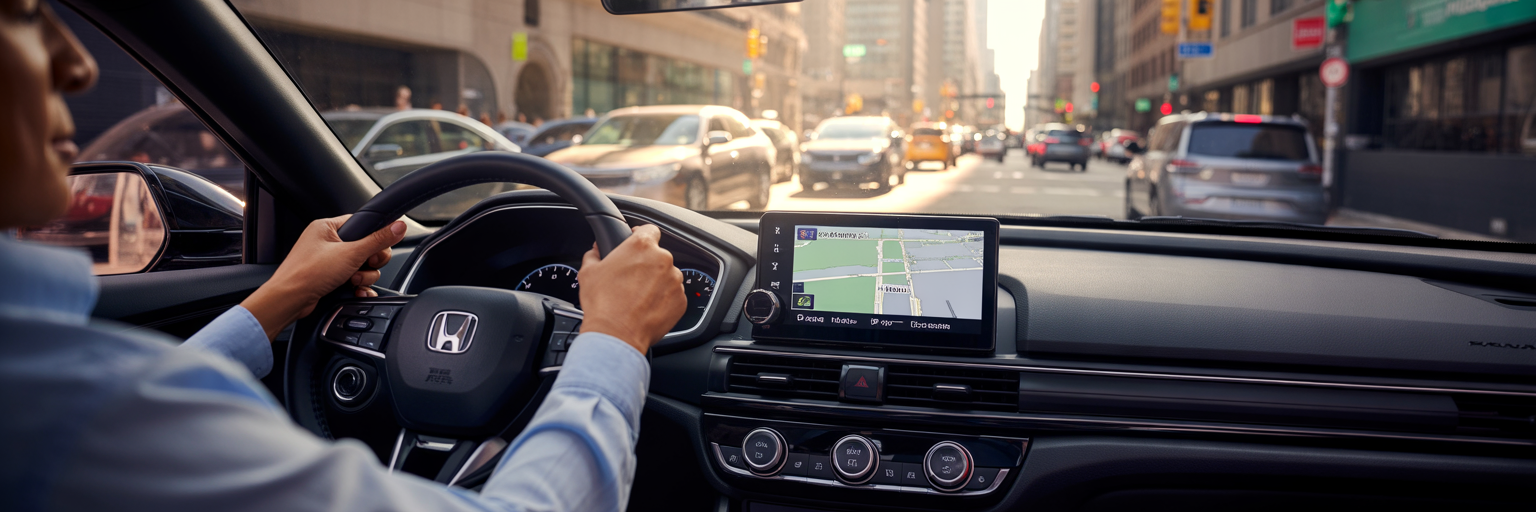
For a car to succeed as a single-vehicle solution, it must excel in the unglamorous but essential task of daily driving. This is where refinement, comfort, and technology separate a weekend toy from a true all-rounder.
On the often imperfect surfaces of American roads, the Prelude’s engineering focus on compliance becomes immediately apparent. Its suspension is tuned to effectively absorb bumps and potholes, delivering a composed and serene ride that minimizes fatigue during a daily commute. The GR86, with its sport-tuned suspension, offers a much firmer experience. While this stiffness is thrilling on a smooth canyon road, it communicates every road imperfection to the cabin, a trait that can become tiresome day after day. This contrast extends to highway noise. The Prelude’s refined chassis and quiet hybrid powertrain create a peaceful interior, making long road trips far more relaxing. The GR86, by design, allows more engine, road, and wind noise to enter the cabin, which is part of its raw character but a clear drawback for commuting comfort.
In stop-and-go traffic, the Prelude has a decisive advantage. Its hybrid system allows it to creep along silently on electric power, providing smooth, efficient, and stress-free operation in the worst conditions. The GR86, especially with a manual transmission, requires constant clutch work and attention, adding a layer of effort to congested drives. The Prelude’s blend of comfort and utility is a trait shared by some of the best family road trip vehicles, proving its versatility.
Finally, the technology suites highlight their different priorities. The Prelude is expected to feature a modern, comprehensive package with a large central touchscreen, Google built-in for seamless navigation and voice commands, and the full Honda Sensing suite of driver aids like adaptive cruise control and lane-keeping assist. The GR86’s interior is more spartan and function-over-form. Its infotainment system is smaller and more basic, and its driver aids are less advanced, reinforcing its mission as a pure driver’s car where technology takes a backseat to the mechanical experience.
Everyday Practicality: Seats, Cargo, and Space
The true measure of a practical sports car 2026 isn’t just how it drives, but how it fits into your life. This means evaluating everything from seat comfort on a long trip to whether you can fit a week’s worth of groceries in the back.
Up front, both cars offer supportive seating, but with different goals. The Prelude’s seats are designed for long-haul comfort, providing good support without feeling restrictive. A six-foot driver will find ample headroom and a comfortable driving position. The GR86’s seats feature more aggressive bolstering designed to hold the driver securely in place during high-G cornering. While excellent for spirited driving, this can feel confining on a daily basis. Realistically, the rear seats in both “2+2” coupes are not functional for adults on anything but the shortest of journeys. Their best use is as overflow storage for backpacks, gym bags, or groceries.
The most significant practical difference is cargo access. The Prelude features a liftback design, where the entire rear glass lifts with the trunk lid. This creates a large, high opening that makes loading bulky items incredibly easy, bringing hatchback-like utility to the coupe segment, a versatility explored in our guide to practical hatchbacks. The GR86 uses a traditional trunk with a much smaller opening, limiting the size and shape of items you can carry. This distinction becomes clear when comparing their ability to handle everyday tasks:
- Groceries: Both can handle a week’s worth of groceries, but loading and unloading large reusable bags is far simpler in the Prelude’s wide-open hatch.
- Golf Clubs: A full-size set of golf clubs will likely fit in the GR86 with some careful maneuvering, but they will slide into the Prelude’s cargo area with ease.
- Bicycle: With the rear seats folded, fitting a bicycle (with its front wheel removed) into the Prelude is a straightforward task. Accomplishing the same in the GR86 is significantly more challenging, if not impossible, due to the trunk’s restrictive opening.
Finally, outward visibility and parking ease favor the Honda. The Prelude will likely offer a better view out and come equipped with more advanced parking aids like high-resolution cameras and sensors. The GR86’s low-slung posture and classic coupe blind spots make navigating tight street parking spots a more stressful endeavor.
Ownership Costs: Fuel, Maintenance, and Insurance
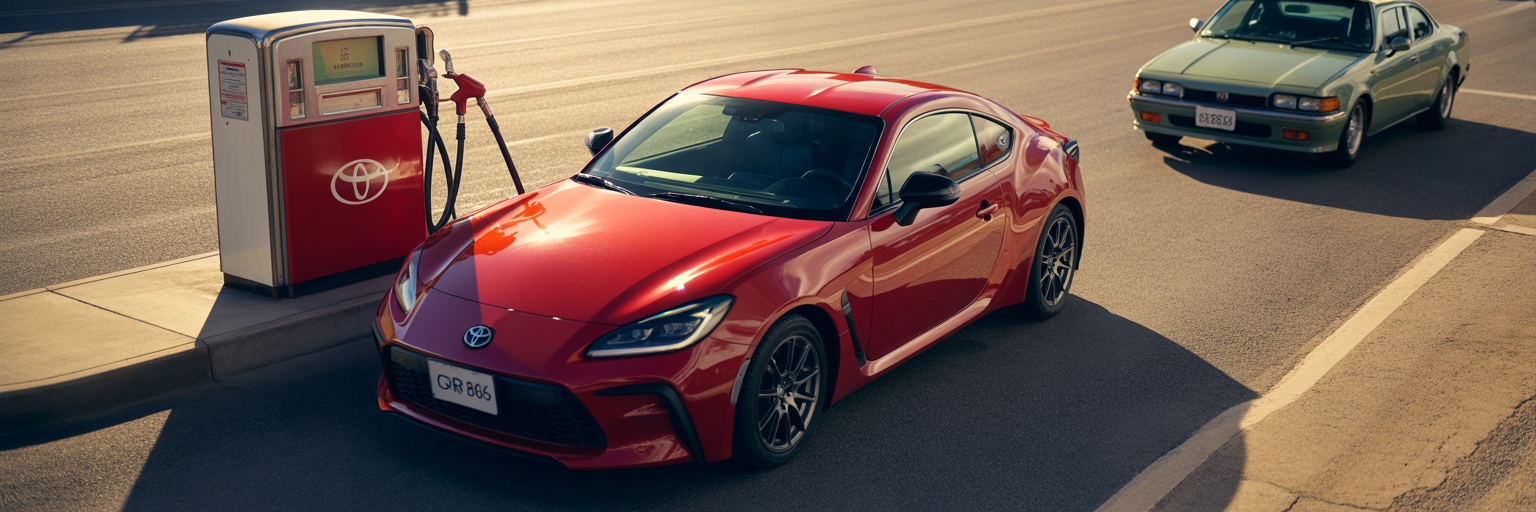
The thrill of a sports coupe can be quickly tempered by the reality of its running costs. For a single-car owner, the long-term financial impact of fuel, maintenance, and insurance is a critical consideration. Here, the two cars present vastly different economic propositions.
The most dramatic difference is at the gas pump. The Prelude’s hybrid powertrain is projected to achieve fuel economy in the mid-40s, while the GR86, which also requires more expensive premium gasoline, struggles to break into the low 20s in city driving. Over a year, this translates into a potential savings of over a thousand dollars for the Honda owner. Insurance costs also diverge. According to a report from Forbes Advisor on car insurance rates, factors like a vehicle’s model and performance profile heavily influence premiums. As a rear-wheel-drive sports coupe often associated with a higher-risk driver demographic, the GR86 will almost certainly command a higher insurance premium than the front-wheel-drive Prelude hybrid.
Maintenance presents a more nuanced picture. The GR86 is mechanically simpler, but as a car that encourages spirited driving, it may see accelerated wear on its tires, brakes, and clutch. The Prelude’s hybrid system has complex, specialized components, but its regenerative braking often extends the life of its brake pads. Tire replacement costs will likely be higher for the Prelude, which wears larger 19-inch wheels compared to the GR86’s 17 or 18-inch options. However, Honda provides significant peace of mind with an extended warranty on its hybrid battery and electrical components, mitigating the risk of a high-cost repair down the line.
| Cost Factor | 2026 Honda Prelude | 2026 Toyota GR86 |
|---|---|---|
| Projected Fuel Economy (City/Hwy) | ~46 / 41 MPG | ~21 / 31 MPG |
| Recommended Fuel | Regular Unleaded | Premium Unleaded |
| Estimated Annual Fuel Cost* | ~$900 | ~$2,100 |
| Tire Size | 19-inch | 17-inch or 18-inch |
| Estimated Tire Replacement Cost | Higher | Lower |
| Relative Insurance Premium | Lower | Higher |
| Key Warranty Feature | 8-10 year Hybrid Battery Warranty | Standard 5-year/60k Powertrain |
*Annual fuel cost estimated assuming a combined 25 MPG for the GR86 and 43 MPG for the Prelude, with gas prices at $3.80/gallon for premium and $3.20/gallon for regular.
Navigating Foul Weather: Rain and Light Snow
For a single-car household in many parts of the country, all-weather capability is not a luxury, it is a necessity. How a sports coupe handles rain-slicked roads and the occasional dusting of snow can be the ultimate deciding factor in its daily usability.
In wet conditions, the Prelude holds an inherent advantage. Its front-wheel-drive layout places the weight of the engine and powertrain directly over the drive wheels, which improves traction and stability in heavy rain. This provides a significant confidence boost for the average driver, as the car feels planted and predictable on slick surfaces. The GR86’s rear-wheel-drive setup presents more of a challenge. While its modern traction and stability control systems are highly effective at preventing disaster, the RWD platform is inherently less forgiving. It requires more driver caution and smoother inputs to manage the potential for the rear wheels to lose grip and cause oversteer.
When it comes to light snow, the gap between the two cars widens into a chasm. With a good set of all-season tires, the FWD Prelude is significantly more capable and less stressful to drive in slush and a few inches of snow. Its predictable nature makes it a manageable winter commuter. The GR86, on the other hand, is fundamentally unsuitable for winter conditions when equipped with its standard performance-oriented summer tires. These tires become hard and lose grip in cold temperatures, making the car difficult to control even in a light dusting. To make the GR86 viable in a snowy climate, a dedicated set of winter tires is not just recommended, it is essential. This represents an additional cost for wheels and tires, as well as the biannual hassle of swapping them and finding a place to store the off-season set.
This is a major lifestyle and geographical consideration. For a driver in Southern California or Florida, this is a minor point. For anyone in the Midwest, Northeast, or Pacific Northwest, the Prelude’s superior all-weather capability is a massive practical advantage.
The Final Verdict: The Best Sports Coupe for One-Car Life
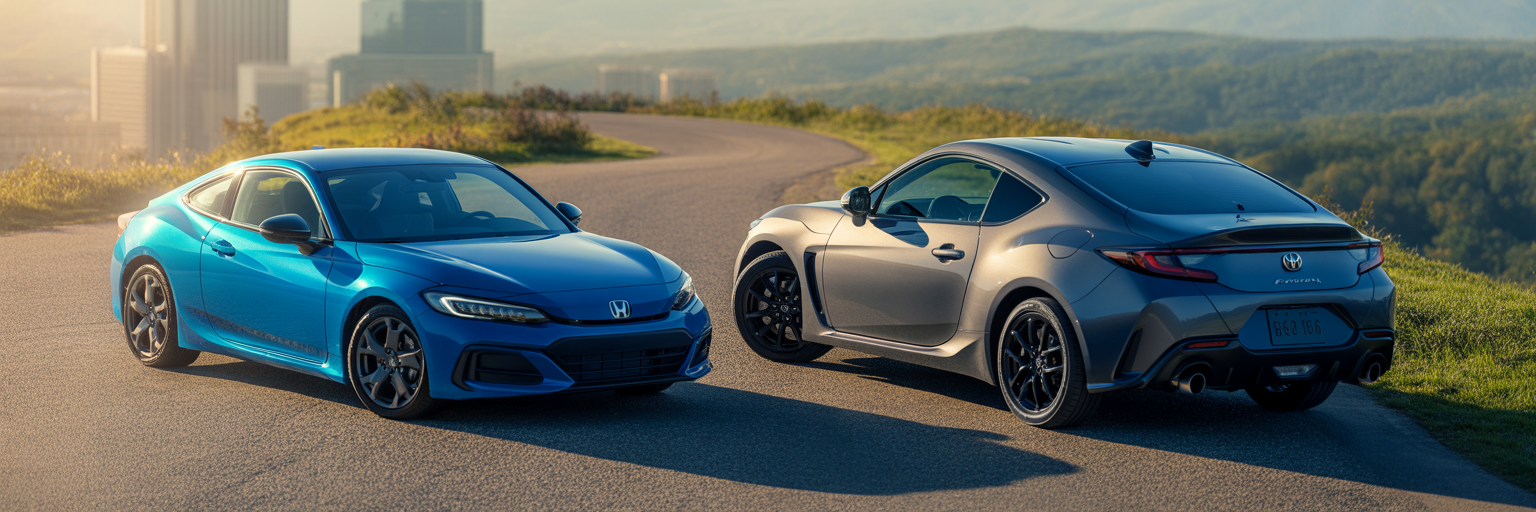
After a thorough analysis, the core identities of these two coupes are crystal clear. The 2026 Toyota GR86 is an unfiltered, engaging, and pure driver’s machine. It is a weekend toy that can, with compromises, be pressed into daily service. The 2026 Honda Prelude is an intelligent, comfortable, and remarkably practical daily driver that still knows how to deliver driving enjoyment. For the enthusiast who can only own one car, the choice depends on which set of compromises they are willing to make.
To make that choice easier, here is the winner for each key category:
- Performance Driving Winner: Toyota GR86. Its RWD balance, communicative steering, and high-revving engine provide a more raw and engaging experience.
- Commuting Winner: Honda Prelude. Its quiet ride, smooth hybrid powertrain, and superior comfort make it vastly more relaxing in daily traffic.
- Fuel Economy Winner: Honda Prelude. With hybrid efficiency that could double the GR86’s MPG, the Prelude wins by a landslide.
- Bad Weather Winner: Honda Prelude. Its FWD layout provides a decisive advantage in rain and makes it usable in light snow, unlike the GR86 on summer tires.
- Passenger Use Winner: Tie. Both are 2+2 coupes with rear seats that are best used for cargo, not people.
- Cargo Practicality Winner: Honda Prelude. The versatile liftback design offers significantly more utility than the GR86’s traditional trunk.
While the Toyota GR86 undoubtedly wins the heart of the purist seeking the most visceral driving experience, the 2026 Honda Prelude wins the argument for a one-car life. It makes far fewer compromises in the areas that matter every single day: cost, comfort, practicality, and all-weather usability. For the enthusiast who needs their sports coupe to be a dependable partner for all of life’s journeys, the Prelude is the definitive winner for the best sports coupe to own as an only car. This detailed head-to-head is just one of many in-depth analyses we offer; for more vehicle showdowns, you can explore our full range of comparisons.