
Every time you press the brake pedal, you trust your vehicle to slow down in a straight, predictable line. When that trust is broken by a sudden pull to one side, it’s not just unnerving—it’s a clear signal from your car’s brake system that something is wrong.
Diagnosing Why Your Car Pulls to One Side When Braking
A vehicle that veers left or right requires immediate attention, but the cause depends entirely on when the pull happens. Many drivers are familiar with a car that constantly drifts to one side while driving straight. This persistent pull is typically caused by issues outside the brake system, such as incorrect tire pressure, poor wheel alignment, or worn suspension components. However, if your car drives perfectly straight until the moment you apply the brakes, the problem is almost certainly within the brake system itself. This specific symptom, where a car pulls to one side when braking, points to an imbalance in the forces stopping your wheels.
The physics are straightforward. For your vehicle to stop in a straight line, the braking force applied to the wheels on the left side must be equal to the force applied on the right. When one brake works more effectively than the other, the car naturally pivots toward the side with the stronger braking action. For example, if the right front brake is grabbing harder than the left, your car will pull to the right. Conversely, if the right front brake is not working as it should, the more effective left brake will cause the car to pull to the left.
Understanding this distinction is crucial because the solution is not a simple wheel alignment. An alignment technician will confirm that your steering and suspension angles are correct, but this will do nothing to fix a braking imbalance. The problem is not with how the car steers, but with how it stops. Resolving this issue requires a systematic inspection of the brake components on both sides of the affected axle to find the source of the unequal force. This guide will walk you through the clues to look for and the common culprits behind this dangerous condition.
What to Look, Feel, and Smell for Before a Teardown
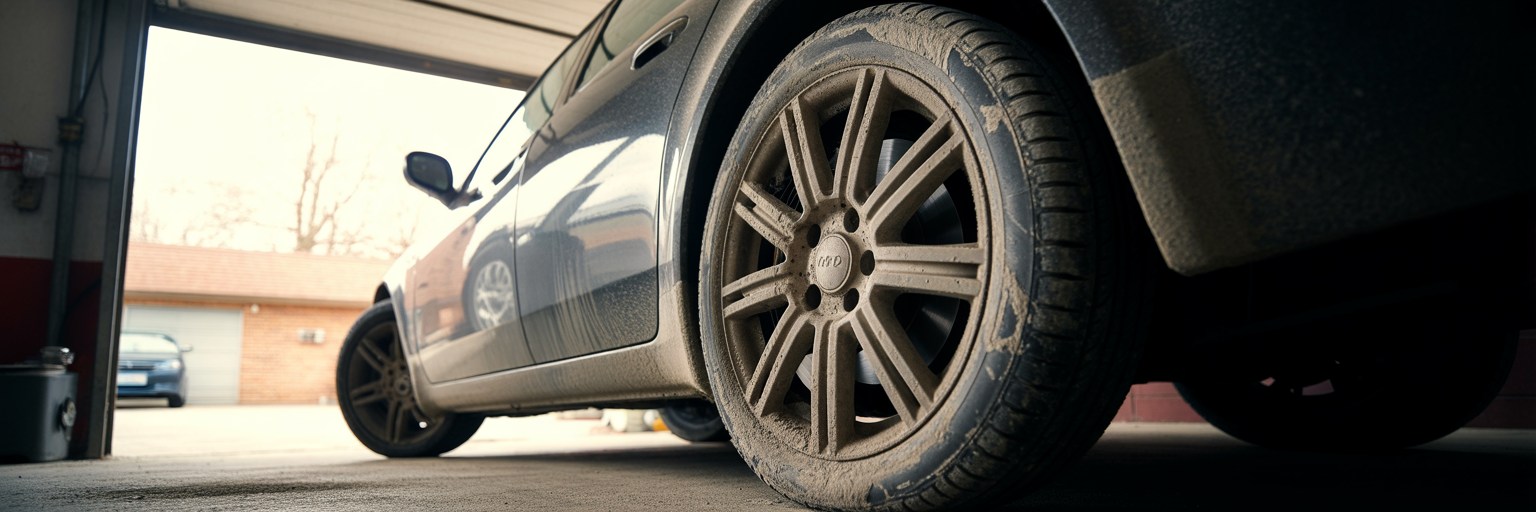
Before any tools come out, you can gather a surprising amount of information just by paying close attention to your car’s behavior. Acting as a detective and using your senses can help you or your mechanic narrow down the potential causes of the braking pull. These observations provide valuable clues that point toward the specific component that is failing. Remember to perform these checks in a safe, open area away from traffic.
Start by noting exactly how the car behaves during braking. Is the pull gentle or aggressive? Does it happen with light pedal pressure, or only during hard stops? This information helps distinguish between different types of failures. Here are a few key things to observe:
- Steering Wheel Feedback: A gradual, steady pull often suggests a brake that is not applying enough force, such as one with contaminated pads. In contrast, if the car jerks when braking, with the steering wheel tugging sharply in your hands, it could indicate a brake that is grabbing too aggressively. This might happen if a caliper piston suddenly seizes or releases.
- The Smell Test: After a drive where you’ve used the brakes normally, park the car and carefully approach the wheels. A distinct, acrid burning smell, similar to burnt carpet, is a telltale sign of an overheating brake. If you notice this odor coming from one wheel in particular, it strongly suggests a component on that side is dragging or seized, creating constant friction and extreme heat.
- The Brake Dust Clue: Take a look at your front wheels. Brake pads naturally shed a fine black dust as they wear. In a properly functioning system, the amount of dust should be roughly equal on both sides. If one wheel is significantly dirtier and coated in a thick layer of black dust, it is a clear visual indicator that its brake is working much harder than the one on the opposite side, likely due to a dragging caliper or pad.
A critical safety warning must be issued here. Brake components, especially the rotor and caliper, can reach temperatures exceeding 500 degrees Fahrenheit. They can cause severe, instantaneous burns if touched. Never attempt to touch any part of the brake assembly after driving. These observations are for looking and smelling from a safe distance only. If you suspect an overheating brake, let the vehicle cool down for several hours before attempting any further inspection.
The Sticking Brake Caliper and Seized Slide Pins
Among the most frequent causes of a braking pull is a malfunctioning brake caliper. Think of the caliper as a hydraulic clamp. When you press the brake pedal, fluid pressure pushes a piston out of the caliper, which in turn squeezes the brake pads against the spinning rotor, creating the friction needed to stop the car. For braking to be smooth and balanced, this clamp must apply and release pressure precisely. When it fails to do so, it creates a dangerous imbalance.
This failure typically occurs in one of two ways: a seized caliper piston or seized slide pins. The piston is the hydraulic component that moves in and out. If corrosion builds up on its surface, often due to a torn rubber dust boot that lets in moisture, the piston can get stuck. If it gets stuck in the “out” position, it fails to release the brake pad, causing constant drag, overheating, and a pull toward the opposite, cooler brake during the next stop. If it gets stuck in the “in” position, it fails to apply pressure, causing a pull toward the opposite, working brake.
The second common failure involves the caliper slide pins. Most cars use a “floating” caliper design, where the caliper body must be able to slide freely from side to side on lubricated pins. This movement allows the caliper to center itself and apply equal pressure to both the inner and outer brake pads. Over time, the grease on these pins can dry out or get contaminated, causing the pins to rust and seize in the caliper bracket. When this happens, the caliper can no longer slide. It may cause only one of the two brake pads to make contact with the rotor, leading to dramatically reduced braking force on that wheel and a strong pull to the other side. These sticking brake caliper symptoms are a primary focus of any diagnostic inspection.
Ignoring these issues is not an option. A dragging brake will quickly destroy the pad and rotor, leading to more expensive repairs. The excessive heat can also boil the brake fluid, introducing air into the hydraulic lines and causing a complete loss of braking on that wheel. Regular maintenance is key to prevention, as it ensures components like slide pins are cleaned and lubricated. This kind of preventative care is fundamental to vehicle longevity, much like following a good regimen for how to keep your car’s engine running for years.
| Failure Mode | Primary Symptom | How It Causes a Pull | Common Cause |
|---|---|---|---|
| Seized Caliper Piston | Brake fails to apply or release pressure | If it fails to apply, the car pulls to the opposite side. If it fails to release, it overheats and becomes less effective, causing a pull to the opposite side. | Corrosion on the piston surface due to moisture or torn dust boot. |
| Seized Slide Pins | Uneven brake pad wear and dragging | The caliper cannot center itself, causing one pad to drag constantly or apply more force than the other. | Lack of lubrication on the pins or corrosion buildup in the caliper bracket. |
| Both | Overheating, burning smell, excessive brake dust | Both conditions lead to excess friction and heat generation on one wheel. | Age, lack of regular brake service, and exposure to road salt and moisture. |
How a Failed Brake Hose Restricts Hydraulic Force
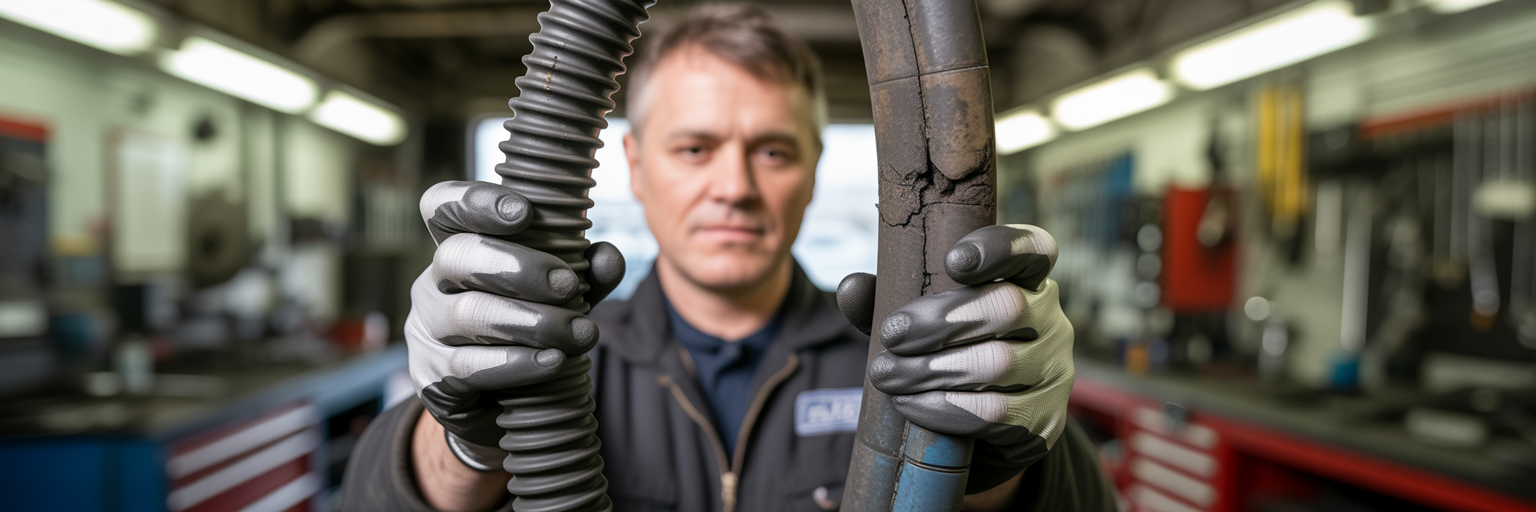
While calipers and pads are common suspects, another, more deceptive component can cause a braking pull: the flexible rubber brake hose. Every wheel with a disc brake has a short rubber hose that connects the rigid steel brake lines on the car’s body to the movable brake caliper. These hoses must be flexible to allow for steering and suspension movement, but they also have to contain the immense hydraulic pressure generated during braking, which can exceed 1,500 PSI.
Over many years and countless heat cycles, these hoses can degrade from the inside out. The inner lining of the hose can break down, peel away, and create a small flap of rubber. This flap can act as a one-way check valve. When you press the brake pedal, the high-pressure fluid flows past the flap and activates the caliper as intended. However, when you release the pedal, the pressure drops, and the flap can fall back into place, blocking the fluid from returning to the master cylinder. It’s like trying to drink through a straw that has collapsed on the inside; fluid can go one way but not the other.
The result is trapped hydraulic pressure in the caliper, which keeps the brake pads lightly applied against the rotor even when you are not braking. This causes the brake to drag, overheat, and wear out prematurely. The diagnostic challenge here is that the pull can feel counterintuitive. Because the dragging brake is constantly hot, it experiences brake fade and becomes less effective. So, the next time you apply the brakes, the overheated brake provides very little stopping power. The properly functioning brake on the opposite side does all the work, causing the car to pull sharply toward that side. You might smell a hot brake on the right side, but the car pulls to the left.
This problem is particularly tricky because the brake hose will often look perfectly normal from the outside. There may be no visible bulges, cracks, or leaks. A technician typically diagnoses this by first confirming that a brake is dragging. They will then carefully open the bleeder screw on the caliper. If fluid squirts out under pressure and the wheel suddenly spins freely, it confirms that pressure was trapped. The next step is to clamp the flexible hose. If clamping the hose prevents the pressure from building up again, it isolates the hose as the source of the restriction.
Issues with Brake Pads and Rotors
The brake pads and rotors are the friction surfaces that do the physical work of stopping your car. Any issue that compromises their ability to generate consistent friction can lead to a braking imbalance and a pull. While often a symptom of another problem, the condition of the pads and rotors themselves can also be the primary cause.
Contaminated Friction Material
Brake pads work by converting kinetic energy into heat through friction. This process relies on a clean, dry interface between the pad and the rotor. If a foreign substance like grease, oil, or even brake fluid contaminates the surface of a brake pad or rotor, it acts as a lubricant. This contamination dramatically reduces the coefficient of friction on that wheel. When you press the brake pedal, the contaminated brake simply cannot generate the same stopping force as the clean brake on the other side. The result is a significant imbalance, causing the car to pull strongly toward the side with the effective, uncontaminated brake.
Uneven Brake Pad Wear
Inspecting the thickness of your brake pads can reveal a lot. If the pads on one side of the car are significantly more worn than on the other, it is a definitive sign of a mechanical problem. This uneven brake pad wear is not the root cause itself but rather a symptom of an underlying issue, such as a sticking caliper or seized slide pins. The side with the thinner pads is the side that has been dragging or over-applying, leading to accelerated wear. Over time, as that pad material wears away, the caliper piston has to travel further to apply the brake, which can lead to a less effective brake and a pull to the opposite side. Understanding how different parts fail is part of grasping why some high mileage cars age better than others, as well-maintained brake systems contribute significantly to a vehicle’s longevity and safety.
Rotor Surface Problems
The brake rotor, or disc, must provide a perfectly flat, smooth surface for the pads to press against. Over time, this surface can become compromised. Deep grooves, known as scoring, can be carved into the rotor by worn-out brake pads or debris. These grooves reduce the contact area between the pad and rotor, diminishing braking efficiency. Another common issue is rotor thickness variation, often incorrectly called “warping.” This is where the rotor has slight high and low spots on its surface. As the rotor spins, these variations cause the brake pad to lose and regain contact, resulting not only in a pulsating brake pedal but also in inconsistent braking force that can manifest as a pull. If the surface imperfections are more severe on one rotor than the other, it will create a braking imbalance.
The Professional Diagnostic Approach
When faced with a car that pulls during braking, the temptation for an inexperienced mechanic might be to guess and start replacing parts, a strategy often called the “parts cannon” approach. This is inefficient, expensive, and can miss the root cause. A professional technician, by contrast, will engage in methodical brake system troubleshooting to accurately pinpoint the failure before any parts are ordered.
The process begins with listening to the owner’s description of the problem, followed by a test drive to confirm the symptom. Once the pull is verified, the vehicle is brought into the shop and raised on a lift. With the wheels removed, a detailed visual inspection is the first order of business. The technician will look for obvious signs like a torn caliper piston boot, a leaking brake line, or severely contaminated pads. They will check for the telltale signs of overheating, such as discolored or “blued” rotors.
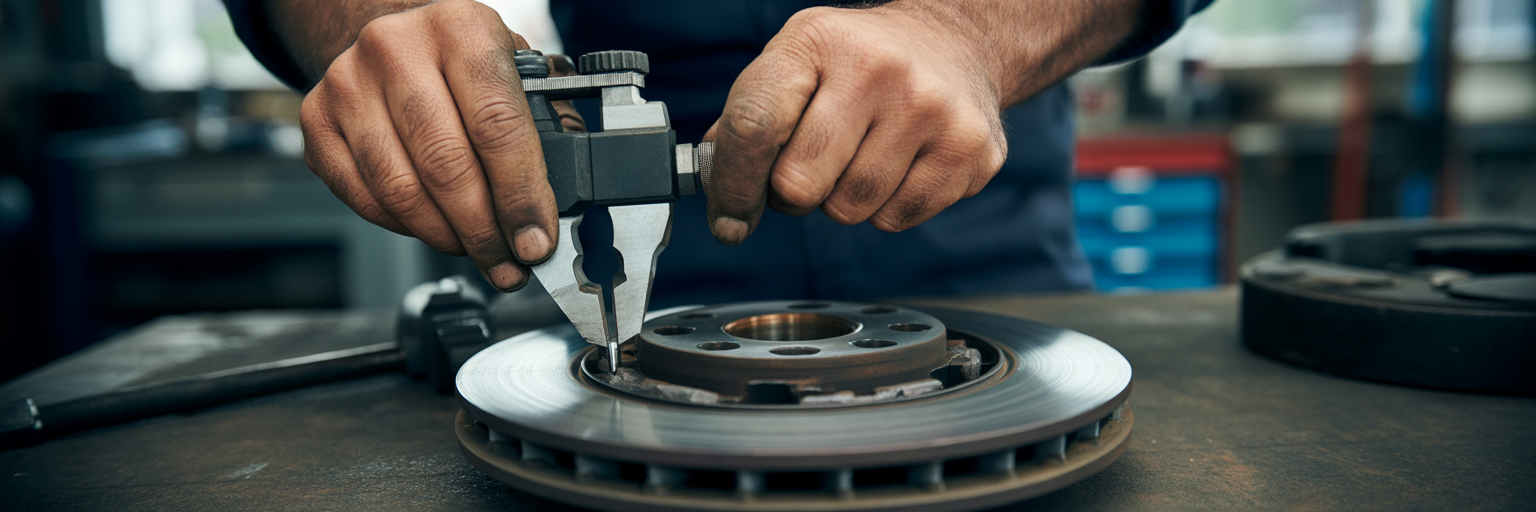
Next comes measurement and manual testing. The technician will use a micrometer to measure the thickness of the brake rotor at several points around its circumference to check for thickness variation. A dial indicator may be mounted to measure rotor runout, which is the amount of side-to-side wobble in the rotor as it turns. They will physically unbolt the caliper from its bracket to test the slide pins, ensuring they move smoothly without any binding. The brake pads will be removed and inspected not just for thickness but also for abnormal wear patterns, such as tapering, which points directly to a seized slide pin or twisted caliper.
The hydraulic system is also checked. The technician will inspect the flexible brake hoses for any external damage, though as noted, internal failures are often invisible. If a dragging brake is suspected, they will perform tests to see if pressure is being trapped in the caliper. Finally, on modern vehicles, they may connect a scan tool to the car’s computer to check the Anti-lock Braking System (ABS) module for any stored fault codes that could indicate a problem with a wheel speed sensor or hydraulic modulator. This comprehensive approach ensures the correct diagnosis is made the first time. For those interested in learning more, our site has many other informative guides on vehicle systems.
Correct Repair Paths and Replacing Parts in Pairs
Once a professional diagnosis has identified the faulty component, the focus shifts to the correct repair procedure. For a problem like a seized caliper, the most common and reliable repair is to replace the entire caliper assembly with a new or remanufactured unit. While rebuilding a caliper by honing the bore and installing a new piston and seals is possible, it is often more labor-intensive and less cost-effective than a complete replacement.
The single most important rule in brake repair is that friction components must be replaced in axle pairs. This means if the right front rotor is damaged, both the right and left front rotors must be replaced. The same goes for brake pads. This is not an upsell; it is a fundamental safety requirement. A brand-new pad and rotor will have a different friction characteristic and surface finish than a partially worn component. Installing a new set on one side only would create a new braking imbalance, causing the car to pull in the opposite direction of the original problem. Ensuring balanced braking force across an axle is non-negotiable.
It is also the right time to debunk a common myth: a wheel alignment will not fix a pull that occurs only during braking. An alignment corrects the angles of your wheels for straight-line stability and proper tire wear. It has no effect on the hydraulic or mechanical function of the brake system. If a shop suggests an alignment to fix your braking pull without first inspecting the brakes, you should seek a second opinion.
After replacing hydraulic components like calipers or hoses, the brake system must be bled to remove any air that entered the lines. Air is compressible, while brake fluid is not, and even a small amount of air can lead to a soft, spongy pedal feel and reduced braking performance. Finally, new brake pads and rotors require a “bedding-in” procedure. This involves a series of controlled stops to properly transfer a thin layer of friction material from the pads to the rotors, ensuring quiet, effective, and smooth braking for their entire service life. Making smart repair choices is just as important as making smart purchasing decisions, like finding the best used luxury SUVs that won’t destroy you on repairs.
Red Flags That Mean Your Car Is Unsafe to Drive

While any pull during braking is a cause for concern, some symptoms are so severe that they render the vehicle unsafe to operate. These are not issues to “keep an eye on”; they are red flags that demand you stop driving immediately. Your safety, and the safety of others on the road, depends on recognizing these critical warnings and taking decisive action.
If you experience any of the following symptoms, your car should not be driven. The only safe course of action is to pull over as soon as it is safe to do so, turn off the vehicle, and call for a tow to a qualified repair shop. Do not attempt to “limp home.”
- A severe pull that violently jerks the steering wheel from your hands. This indicates a major failure and a near-total loss of control.
- A brake pedal that feels soft, spongy, or sinks slowly to the floor when you hold it down. This is a classic sign of a hydraulic leak or a failing master cylinder.
- Visible smoke or a strong, continuous burning smell coming from any wheel. This signifies extreme overheating that could lead to a fire or complete brake failure.
- A loud, metallic grinding noise that accompanies the pull. This usually means the brake pads are worn down to their metal backing plates, which are now destroying the rotors.
The risks of ignoring these signs are immense. If you’re asking “why does my car pull right when I brake” and the pull is strong enough to force you into another lane, you are piloting a dangerously unpredictable vehicle. In an emergency stopping situation, you could lose control entirely. A spongy pedal could suddenly go to the floor, leaving you with no brakes at all. The potential for a catastrophic failure is simply too high. When your vehicle’s braking system sends such a clear distress signal, the only correct response is to stop driving. Once your vehicle is safely in the hands of a mechanic, you can turn to trusted resources like Car Phanatics for all your other automotive questions.