An Enduring Rivalry in the Luxury Sedan Arena
For decades, the battle between the BMW 3 Series and Mercedes-Benz C-Class has defined the compact luxury sedan segment. This is more than just a competition between two cars; it represents a fundamental clash of German automotive ideals, forcing buyers to choose between the ultimate driving machine and the pinnacle of accessible luxury.
The BMW 3 Series has long been the benchmark for driver engagement. Its entire identity is built around the “ultimate driving machine” ethos, a promise that every component, from the steering rack to the chassis, is engineered to connect the driver to the road. Its design is purposeful and driver-centric, with a cockpit that feels less like a passenger cabin and more like a command center. When you sit in a 3 Series, the car communicates a clear message: its primary purpose is the act of driving.
In the opposite corner, the Mercedes-Benz C-Class stands as the standard for comfort and opulence. It draws its inspiration directly from its larger S-Class sibling, prioritizing a serene and luxurious experience. The focus here is on isolating occupants from the harshness of the outside world. A smooth ride, a quiet cabin, and technology designed to soothe and assist are the hallmarks of the C-Class philosophy. It’s a vehicle engineered to make every journey, from a cross-town commute to a long highway cruise, feel effortless.
As we look at the 2026 models, it’s clear that both brands have adapted to modern demands. Advanced technology, sophisticated driver aids, and electrified powertrains are now integral to both vehicles. Yet, their core identities remain remarkably intact. The fundamental question for American consumers has not changed. This luxury sedan comparison is less about which car is empirically better and more about which philosophy aligns with your personal priorities. Do you want a car that heightens your senses on a winding road, or one that calms them on the drive home?
Powertrain Philosophies and Performance Metrics
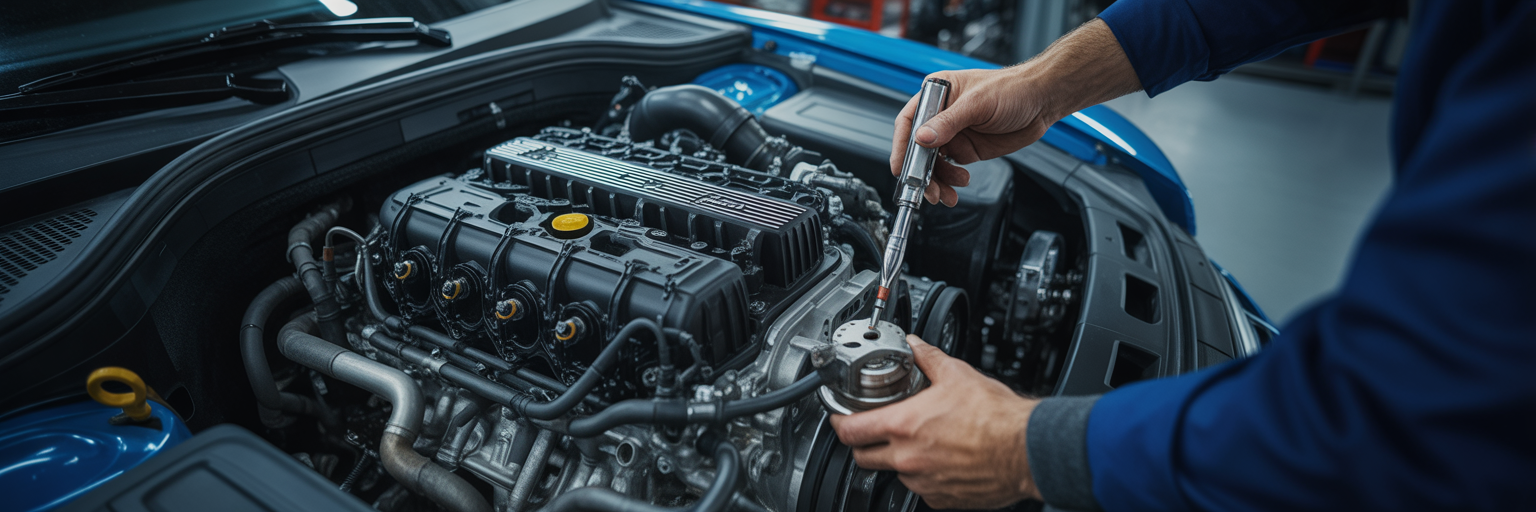
While the previous section outlined the philosophical divide, the powertrain lineup is where those ideals translate into measurable performance. The engine is the heart of any car, and in the BMW 3 Series vs Mercedes C-Class debate, each brand’s approach reveals its true priorities. This isn’t just about horsepower figures; it’s about how that power is delivered and what kind of experience it creates. This kind of head-to-head analysis is just one of many compelling vehicle comparisons we explore.
Base Engine Battle: 330i vs C 300
The volume sellers for both models are their respective 2.0-liter turbocharged four-cylinder engines. On paper, they seem nearly identical. The 2026 BMW 330i produces 255 horsepower, enabling a brisk 0-60 mph time of around 5.6 seconds. The Mercedes-Benz C 300 matches that horsepower figure, though its acceleration is a touch more relaxed. The real difference in this 330i vs C 300 matchup is in character. The BMW’s engine feels eager and responsive, with a sharp throttle response that encourages spirited driving. It wants to rev, pulling strongly through the powerband. In contrast, the C 300’s engine, aided by a mild-hybrid system, is engineered for smooth, linear acceleration. Its power delivery is almost silent and entirely seamless, designed to move the car with quiet confidence rather than aggressive urgency.
Mid-Tier Muscle: M340i vs AMG C 43
For those seeking more excitement, the mid-tier performance models offer a fascinating contrast. The BMW M340i sticks to a classic formula with its 3.0-liter turbocharged inline-six, a configuration beloved by enthusiasts for its inherent smoothness and rich sound. Aided by its own mild-hybrid system, it delivers potent, immediate thrust that feels both sophisticated and raw. The Mercedes-AMG C 43 takes a different, more modern approach. It uses a highly complex 2.0-liter four-cylinder engine derived from Formula 1 technology, featuring an electric exhaust-gas turbocharger to eliminate lag. While its power output is impressive, the experience is more technical and digitally enhanced compared to the M340i’s traditional, soulful six-cylinder feel.
The Electrified Approach: PHEV Variants
Both brands offer plug-in hybrid (PHEV) models, but they use electrification to achieve different goals. BMW’s PHEV variants tend to leverage the electric motor for instant torque, filling in any gaps in the gasoline engine’s power delivery to create an even more responsive driving experience. The electric power is a performance enhancer. Mercedes, on the other hand, often prioritizes maximizing the silent, all-electric driving range. The goal is to allow for extended periods of whisper-quiet, emissions-free commuting, turning the C-Class into an even more serene sanctuary. It’s a perfect example of technology serving two distinct masters: performance versus comfort.
| Model | Engine Type | Approx. Horsepower | Approx. 0-60 MPH | Primary Focus |
|---|---|---|---|---|
| BMW 330i | 2.0L Turbo I-4 | 255 hp | 5.6 sec | Responsive Performance |
| Mercedes-Benz C 300 | 2.0L Turbo I-4 w/ Mild Hybrid | 255 hp | 5.9 sec | Smooth Refinement |
| BMW M340i | 3.0L Turbo I-6 w/ Mild Hybrid | 382 hp | 4.1 sec | Maximum Driving Engagement |
| Mercedes-AMG C 43 | 2.0L Turbo I-4 w/ Mild Hybrid | 402 hp | 4.6 sec | Tech-Forward Performance |
Note: Figures are based on 2026 model year estimates and manufacturer data. Performance can vary based on drivetrain (RWD/AWD) and optional packages. This table highlights the distinct engineering priorities of each brand.
Handling Dynamics and On-Road Feel
Beyond the engine specifications lies the subjective experience of how these cars feel on the road. This is where the distinction between a sport sedan vs luxury sedan becomes most apparent. It’s one thing to read about 0-60 times; it’s another to feel how a car behaves through a corner or over a broken patch of pavement. Understanding the unique identities of various automotive brands is key to appreciating these differences.
The BMW 3 Series has built its reputation on handling. Its near-perfect 50/50 weight distribution isn’t just a marketing slogan; it’s a core engineering principle that gives the car a sense of balance and predictability that enthusiasts crave. The steering is famously communicative, transmitting subtle details from the road surface directly to the driver’s hands. This creates a direct, unfiltered connection that makes the car feel like an extension of the driver. You don’t just point the 3 Series; you guide it with precision, feeling exactly what the front tires are doing at all times. It’s a car that rewards an attentive driver and makes even a simple commute feel engaging.
Conversely, the Mercedes-Benz C-Class is engineered to master ride quality. Its suspension is tuned to absorb and dissipate road imperfections, isolating occupants from the harsh realities of poorly maintained American city streets. On the highway, it glides with a composure that makes long-distance travel exceptionally relaxing. Where the BMW communicates the road, the C-Class conquers it, filtering out bumps, vibrations, and noise to create a tranquil cabin environment. It’s a car designed for those who see their vehicle as a refuge from the chaos of the outside world.
The optional adaptive suspension systems in each car further highlight this philosophical divide:
- BMW’s Adaptive M Suspension is designed to offer a wider range of performance. In its sharpest, most dynamic mode, it stiffens the dampers for maximum control and minimal body roll. However, even in its softest “Comfort” setting, it retains a degree of firmness. The system never fully lets go of its sporty character, always reminding you that it’s ready to attack a corner.
- Mercedes’ AIRMATIC system, when available, operates on a different principle. It can firm up for better control in its “Sport” mode, but its primary directive is always comfort. Even at its most aggressive setting, it retains a layer of compliance, ensuring that sharp impacts are still softened before they reach the cabin. It prioritizes comfort above all else.
This leads to an inherent trade-off. The 3 Series’ sport-tuned setup can feel busy or even harsh on broken pavement, a constant reminder of its performance-oriented nature. The C-Class’s comfort bias, while brilliant for cruising, can lead to more body roll in tight corners and a less connected feel when driven aggressively. The choice ultimately comes down to a simple question: do you want to feel the road or be shielded from it? The answer defines whether you lean toward engagement or serenity.
Interior Craftsmanship and Cabin Ambiance
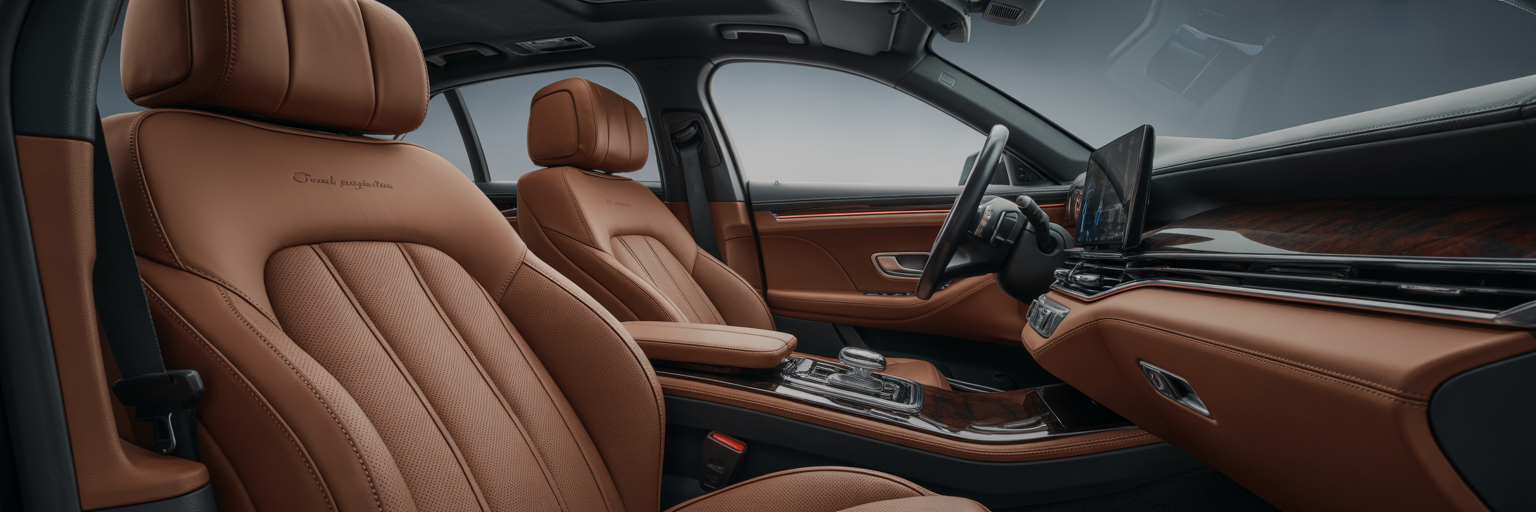
Stepping inside these two sedans reveals two completely different worlds. The cabin is where you spend all your time, and both BMW and Mercedes have invested heavily in creating distinct environments that reinforce their brand identities. One feels like a precisely engineered tool, the other like a luxurious escape.
Mercedes-Benz: The Modern Lounge
The C-Class cabin immediately impresses with its “mini S-Class” design philosophy. The first thing you notice is the visual “wow” factor. A large, tablet-style central screen cascades down the center console, flanked by flowing lines and circular air vents that glow with extensive ambient lighting. Mercedes uses materials like open-pore wood and genuine aluminum to create a space that feels opulent and high-tech. The ambiance is that of a modern, upscale lounge. It’s a cabin designed to impress passengers and make the driver feel like they are in a vehicle from a class above.
BMW: The Driver’s Command Center
The 3 Series interior takes a more functional, ergonomic approach. The design is clean and logical, with a clear focus on the driver. The dashboard, including the large curved display, is subtly angled toward the driver’s seat, a classic BMW trait that emphasizes control and usability. While it is undoubtedly a premium space, the focus is less on overt flash and more on intuitive operation. The layout ensures that every important control is easily within reach, minimizing distraction and allowing the driver to concentrate on the road. It feels less like a lounge and more like a purpose-built command center.
Materials, Comfort, and Space
When you start touching the surfaces, the differences become even clearer. The C-Class often wins on initial showroom appeal with its visually impressive materials and intricate details. However, the 3 Series counters with an emphasis on solid, no-nonsense build quality. Its application of premium plastics, leathers, and metals feels robust and durable, even if it lacks the artistic flair of the Mercedes. The seating also reflects their core missions. BMW’s sport seats are firm and heavily bolstered, designed to hold you securely in place during spirited driving. Mercedes’ seats are typically softer and plusher, engineered for long-distance comfort. In terms of practicality, both offer similar rear legroom, though the C-Class’s more sculpted design can sometimes feel a bit more enveloping for passengers.
Ultimately, the choice of interior comes down to personal taste. The C-Class is for those who want their car to feel like a special occasion every time they get in. The 3 Series is for those who appreciate a cabin that is perfectly organized to support the art of driving.
Infotainment Interfaces and Onboard Technology
In 2026, the technology inside a car is just as important as what’s under the hood. The infotainment system is the primary way a driver interacts with the vehicle, and here again, BMW and Mercedes showcase their distinct philosophies. It’s not just about screen size; it’s about the entire user experience, from control methods to the digital environment. Staying current on these systems is crucial, and our site offers a range of informative articles to help you keep up.
The centerpiece of the BMW 3 Series is the iDrive 9 system, presented on a sweeping curved widescreen display that combines the instrument cluster and central screen into one seamless unit. Mercedes-Benz counters with its MBUX system, dominated by a large, portrait-style tablet in the center of the dash. The interaction methods are a key differentiator:
- BMW iDrive: BMW has long been praised for its multi-input approach. While the screen is fully touch-capable, the system retains a physical rotary controller on the center console. Many find this controller safer and easier to use while driving, as it allows for precise inputs without taking your eyes off the road to poke at a screen. It’s a system that prioritizes driver focus.
- Mercedes MBUX: The MBUX interface is heavily touch-focused, which appeals to users comfortable with a smartphone-like experience. Its standout feature is the “Hey Mercedes” voice assistant, one of the most advanced in the industry. It can understand natural language commands for everything from navigation to climate control, catering to a tech-forward user who prefers voice interaction.
The digital instrument clusters also tell a story. BMW tends to offer cleaner, more traditional gauge layouts, with sport-oriented displays that prioritize legible information like speed and RPM. Customization is available, but the core focus remains on clarity. Mercedes provides more futuristic and varied themes, allowing the driver to choose between several elaborate graphical styles that can transform the look and feel of the cockpit. It’s a choice between classic readability and modern visual flair.
When it comes to audio, the premium systems continue the trend. The optional Harman Kardon system in the BMW typically delivers a powerful, impactful sound signature with strong bass, great for rock and electronic music. The Burmester system in the Mercedes is often tuned for clarity and detail, creating a more refined, audiophile-grade experience that excels with acoustic and classical tracks. One is a concert hall, the other is a high-end studio.
In summary, BMW’s technology is powerful yet pragmatic, designed to assist the driver without becoming a distraction. Mercedes’ technology is a statement piece, delivering a visually stunning, feature-rich experience that makes the car feel like a gadget from the future.
Reliability, Safety, and Long-Term Ownership Costs

A luxury sedan is a significant investment, and practical considerations like safety, reliability, and running costs are crucial. While the driving experience might sell you on a car, these factors determine how happy you’ll be with it years down the road.
Both BMW and Mercedes-Benz equip their sedans with a comprehensive suite of standard active and passive safety features. Their optional advanced driver-assistance packages are also highly sophisticated, offering features like adaptive cruise control with stop-and-go functionality and lane-keeping assist that make highway driving less fatiguing. Real-world performance of these systems is excellent on both, though some drivers may prefer the tuning of one over the other.
The topic of BMW vs Mercedes reliability is always hotly debated. The truth is that both brands build complex, technologically advanced machines. While they have made significant strides in dependability over the years, they are not cars you can afford to neglect. Diligent, by-the-book maintenance is paramount to long-term health. Recent data from authorities like J.D. Power in their vehicle dependability studies provides insight into how these brands compare, with some analyses suggesting a slight edge for the 3 Series in long-term reliability. However, individual experiences can vary widely based on maintenance history and driving habits.
When it comes to ownership costs, expect to pay a premium. As German luxury brands, routine service for items like oil changes, brakes, and tires will be higher than for non-luxury counterparts. These costs will certainly differ from the upkeep on entirely different classes of vehicles, such as heavy-duty trucks. Insurance rates are generally comparable between the two, though performance-oriented trims like the M340i and AMG C 43 will command higher premiums. Resale value is also a key factor, with both brands holding their value reasonably well within the luxury segment, though specific model year and trim level can influence this significantly.
Ultimately, while the long-term ownership costs are similar, the decision may come down to factors beyond the balance sheet. Perceived reliability and, perhaps most importantly, the quality and convenience of your local dealership’s service department can make all the difference in your ownership experience.
Final Verdict: Which German Sedan Is Your Perfect Match?
After comparing everything from engine character to infotainment philosophy, one thing is clear: there is no single best compact luxury car. The BMW 3 Series and Mercedes-Benz C-Class are both exceptional vehicles, but they are designed for two very different buyers. The right choice depends entirely on what you value most in a daily driver.
To make the decision easier, consider which of these profiles best describes you:
- For the Driving Enthusiast: If you believe a car should be more than just transportation, the choice is clear. The BMW 3 Series is the superior option for those who prioritize handling, engine response, and an engaging connection to the road. Its chassis balance and communicative steering are unmatched in the segment. We recommend the M Sport package on the 330i or the sublime M340i for the full experience.
- For the Comfort-Seeking Professional: If you view your car as a personal oasis, a place to decompress from a busy day, then the Mercedes-Benz C-Class is your ideal match. Its serene ride, stunningly modern interior, and emphasis on quiet luxury create an environment of calm and prestige. It’s a vehicle that pampers its occupants and makes every journey feel effortless.
- For the Tech-Savvy All-Rounder: This is where the decision gets tough. Both cars are packed with cutting-edge technology. Your choice should come down to a hands-on test drive. Do you prefer the tactile, driver-focused interface of BMW’s iDrive with its physical controller? Or are you drawn to the futuristic, voice-activated MBUX system in the Mercedes? The answer to that question will likely reveal your preference.
In the end, this enduring rivalry comes down to a simple invitation. The BMW 3 Series demands to be driven, asking for your full attention and rewarding it with an exhilarating experience. The Mercedes-Benz C-Class invites you to sit back and relax, shielding you from the world in a cocoon of luxury. The final choice depends entirely on which invitation is more appealing to you. To continue your automotive journey, we encourage you to explore more guides and comparisons on our homepage.