
We’ve all seen it on a frosty morning: driveways filled with cars, engines running, exhaust pluming into the cold air. The ritual of letting a car idle for five or ten minutes before driving is a habit passed down through generations. But in 2026, with engine technology light-years ahead of where it was, is this practice still necessary? The short answer is no, and the reasons why reveal a fascinating shift in automotive engineering.
The Warm-Up Myth and Modern Engine Reality
The question of how long should you let your car warm up is rooted in technology that has long since been retired. For decades, idling was not just a suggestion but a necessity. Understanding the difference between old and new engine technology is the first step to breaking this outdated habit and adopting a routine that is better for your car, your wallet, and the environment.
Debunking the Old Habit: Carburetors vs. Fuel Injection
The practice of extended warm-ups comes from the era of carbureted engines. Until the 1980s and early 1990s, most cars used a carburetor, a mechanical device responsible for mixing air and fuel. In cold weather, gasoline is less likely to vaporize, and a carburetor struggled to create an effective mixture. This resulted in a rough-running engine that could easily stall if you tried to drive away too soon. Letting the car idle allowed the engine to generate enough heat to help the carburetor function properly.
Modern vehicles, however, use Electronic Fuel Injection (EFI). Instead of a single mechanical mixer, EFI systems use a series of sensors and computer-controlled injectors to spray a fine, precise mist of fuel directly into the engine. This system is far more sophisticated and adaptable than a carburetor. It can instantly adjust the fuel mixture to match any condition, including a frigid start.
The Modern Engine’s Brain: The Engine Control Unit (ECU)
The hero of the modern engine is the Engine Control Unit (ECU), a powerful onboard computer. The moment you turn the key, the ECU reads data from sensors monitoring air temperature, engine temperature, and oxygen levels. It uses this information to calculate the perfect air-fuel ratio and ignition timing needed for a smooth start, no matter how cold it is. The high idle you hear for the first minute is not a sign of struggle; it’s the ECU intentionally running the engine slightly faster to warm up the engine and the catalytic converter more quickly, reducing emissions.
The 30-Second Guideline
Because of this advanced technology, the modern car warm up time is surprisingly short. For most gasoline-powered cars in typical weather, all you need is about 30 seconds. This isn’t for the engine’s air-fuel mixture, which is perfect from the first second. Instead, this brief period is for the oil. When a car sits, oil settles in the pan at the bottom of the engine. Starting the engine activates the oil pump, which needs a few moments to build pressure and circulate oil to all the critical moving parts. After about 30 seconds, lubrication is established, and the car is ready for gentle driving.
Inside Your Engine During a Cold Start
While the ECU handles the brains of the operation, a complex mechanical ballet unfolds inside your engine block during a cold start. The first minute of an engine’s life each day is its most challenging. Understanding what’s happening helps explain why your actions during this brief window are so important for long-term health.
The Journey of Cold, Thick Oil
Imagine honey in a refrigerator. When you try to pour it, it moves slowly. Engine oil behaves similarly. After sitting overnight, especially in cold weather, your oil is thick and sluggish in the oil pan. When you start the car, the oil pump begins its work, forcing this viscous fluid through narrow passages to lubricate vital components like the crankshaft bearings, camshafts, and pistons. This process takes a few seconds, and during this time, metal parts are operating with minimal protection. This initial period is when the risk of microscopic wear, a form of cold start engine damage, is highest.
Why the First Few Seconds Are Critical
The 30-second guideline mentioned earlier is directly tied to this oil circulation process. It gives the oil pump just enough time to build pressure and push that cold, thick oil to the engine’s uppermost components. Revving the engine immediately after starting is one of the worst things you can do, as it puts fast-moving parts under high stress before they are properly lubricated. Allowing this brief pause is a simple but effective way to protect your engine. Understanding this process is a fundamental part of a good maintenance strategy, and for more advice on this, you can learn more about how to keep your car’s engine running for years.
The Purpose of a Rich Fuel Mixture and High Idle
When you start a cold engine, the ECU intentionally creates a “rich” fuel mixture, meaning there’s more fuel relative to air than usual. It also raises the idle speed, often to between 1,200 and 1,500 RPM. This isn’t a flaw. This strategy has two main goals. First, it helps the engine generate heat more quickly. Second, and just as importantly, it rapidly heats the catalytic converter. The catalytic converter is your car’s primary emissions control device, and it only works effectively when it’s hot. The ECU’s cold-start strategy is designed to get it to operating temperature as fast as possible to minimize harmful emissions.
The Physics of Cold Metal Components
Engine components are engineered to fit together with precise tolerances when they are at normal operating temperature. When cold, metal contracts. Pistons, for example, are slightly smaller in their cylinders. This can lead to a phenomenon known as “piston slap,” a faint ticking or knocking sound you might hear from a very cold engine. While generally not harmful in the short term, it illustrates that the engine’s parts are not yet in their ideal state. Driving gently allows these components to warm up and expand evenly, ensuring they reach their designed clearances without undue stress.
Why Gentle Driving Outperforms Extended Idling
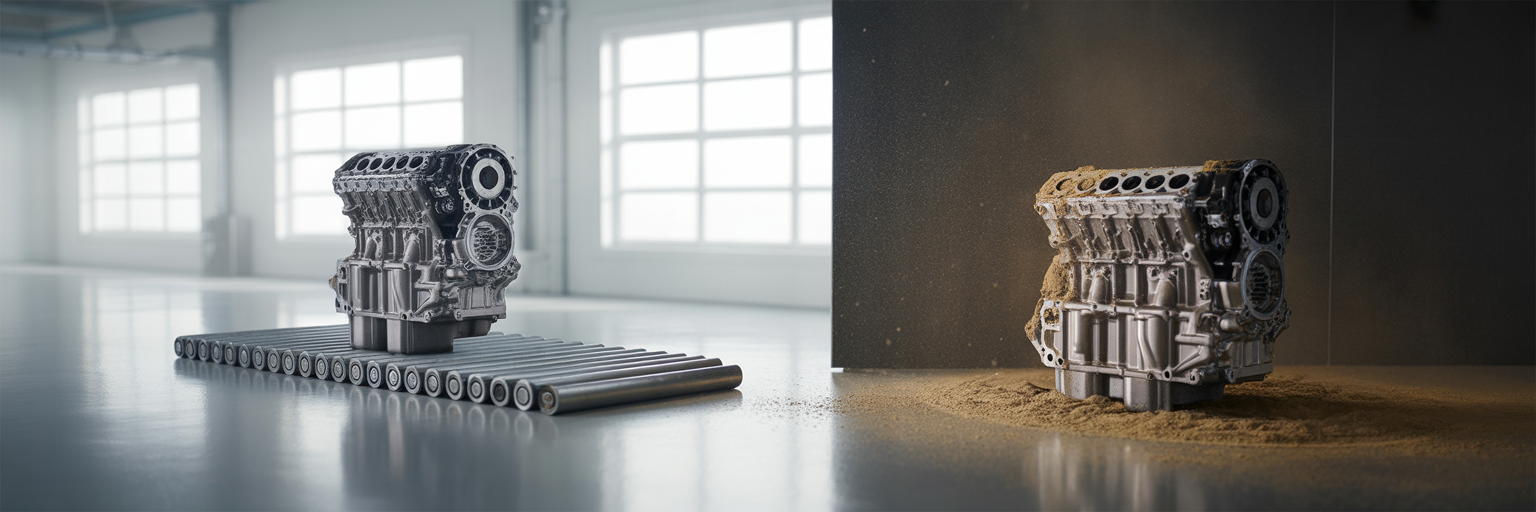
Now that we understand the technology and the internal mechanics, the debate shifts to the most effective way to get everything up to temperature. The long-held belief is that letting the car sit and idle is the gentlest way to warm it. However, the reality is that driving it gently is far superior, both for speed and for the overall health of your vehicle.
Generating Heat Efficiently with a Light Load
An idling engine is under almost no load. It’s doing just enough work to keep itself running. As a result, it generates very little heat and warms up incredibly slowly. Think of it like trying to warm yourself by jogging in place versus taking a brisk walk. The walk, which involves more effort, will warm you up much faster.
Gentle driving places a light, consistent load on the engine. This causes it to burn fuel more efficiently and generate heat at a much faster rate. This not only warms the engine oil and coolant more quickly but also gets the catalytic converter to its effective operating temperature sooner, which is better for the environment.
Warming the Entire Drivetrain, Not Just the Engine
A car is more than just an engine. Your transmission, differential, wheel bearings, suspension components, and even your tires all need to warm up to perform optimally. When a car is idling in the driveway, only the engine is generating any significant heat. The transmission fluid remains cold and thick, leading to clunkier shifts. The grease in your bearings is stiff, and your tires are less pliable. Gentle driving is the only way to get all these components moving and allow them to warm up together, ensuring the entire system operates smoothly and efficiently.
The Downsides of Idling: Fuel Dilution and Carbon Buildup
So, is idling bad for your engine? In excessive amounts, yes. During a prolonged idle on a cold engine, the rich fuel mixture can cause problems. Some of that unburned gasoline can wash past the piston rings and seep into the oil pan, a process called fuel dilution. This thins the oil and degrades its ability to lubricate properly.
Furthermore, an engine running at a low temperature and low speed for a long time is more prone to carbon buildup. Incomplete combustion can leave deposits on spark plugs, pistons, and intake valves, which can reduce efficiency and performance over time. You are essentially wasting fuel to slowly warm one part of your car while potentially causing other issues.
Factors That Change Your Warm-Up Routine
While the “30 seconds, then drive gently” rule is a solid baseline, it’s not a one-size-fits-all solution. The ideal warm-up procedure can change based on the weather, your vehicle’s technology, and even the type of oil you use. Customizing your approach ensures you are taking the best care of your specific vehicle in any condition.
Ambient Temperature: The Biggest Variable
The most obvious factor is the temperature outside. Warming up a car in winter requires a different approach than on a mild spring day. In freezing conditions, fluids are thicker, and metal parts are more contracted. While you still don’t need to idle for ten minutes, extending the initial idle to a minute or two can be beneficial. This gives the oil a little more time to thin out and circulate before you put the drivetrain under load. Experts at Consumer Reports have confirmed that for modern cars, driving gently after about 30 seconds is the most efficient method, but a slightly longer pause in extreme cold is reasonable.
Engine and Powertrain Differences: Gasoline, Diesel, Hybrid, and EV
Not all powertrains are created equal. Diesel engines are built differently and generate heat more slowly than their gasoline counterparts due to higher compression and thermal efficiency. They benefit from a slightly longer idle period, typically two to five minutes in the cold, before driving gently. Hybrid vehicles manage this process automatically. The car will decide when to start the gasoline engine, often keeping it off entirely at low speeds. For Electric Vehicles (EVs), there is no engine to warm up. You can simply get in and drive. However, many EVs offer a “preconditioning” feature to warm the battery and cabin while plugged in, which is highly efficient.
The Role of Oil Viscosity
The numbers on your oil bottle, like 5W-30, tell a story about its performance in different temperatures. The “W” stands for “winter,” and the number preceding it (e.g., 5W) indicates its viscosity or thickness in cold conditions. A lower number means the oil is thinner and flows more easily when cold. Using the manufacturer-recommended oil viscosity is critical for ensuring proper lubrication during a cold start.
The Non-Negotiable Need for Defrosting
There is one situation where extended idling is not just acceptable but necessary: when you need to clear ice or fog from your windows. Your ability to see clearly is a non-negotiable safety requirement that overrides any mechanical efficiency guideline. Run the engine for as long as it takes to ensure you have full visibility before you start driving.
Vehicle Age and Manufacturer Guidance
While most modern cars follow these rules, the age and condition of a vehicle can influence its needs. An older fuel-injected car from the 1990s might appreciate a minute of idling more than a brand-new 2026 model. For those interested in this topic, it can be useful to understand why some high-mileage cars age better than others. Ultimately, the single best source of information is your vehicle’s owner’s manual. Always check it for specific recommendations from the people who designed your car.
| Condition | Recommended Idle Time | Key Consideration |
|---|---|---|
| Mild Weather (50°F / 10°C +) | 30 seconds | Focus on immediate gentle driving. |
| Cold Weather (32°F to 50°F / 0°C to 10°C) | 30-60 seconds | Allow fluids to thin slightly before driving gently. |
| Freezing Weather (Below 32°F / 0°C) | 1-3 minutes | Primarily for cabin comfort and defrosting. Gentle driving is still key. |
| Diesel Engine (Cold) | 2-5 minutes | Diesels are slower to warm; a longer idle helps before applying a load. |
| Turbocharged Engine | 30-60 seconds | Critical to ensure oil reaches the turbo bearings before driving. |
| Hybrid Vehicle (HEV/PHEV) | 0 seconds | The vehicle’s management system handles engine cycling automatically. Just drive. |
| Electric Vehicle (EV) | 0 seconds | No engine to warm up. Use preconditioning (if available) for cabin/battery. |
Special Considerations for Turbocharged Engines
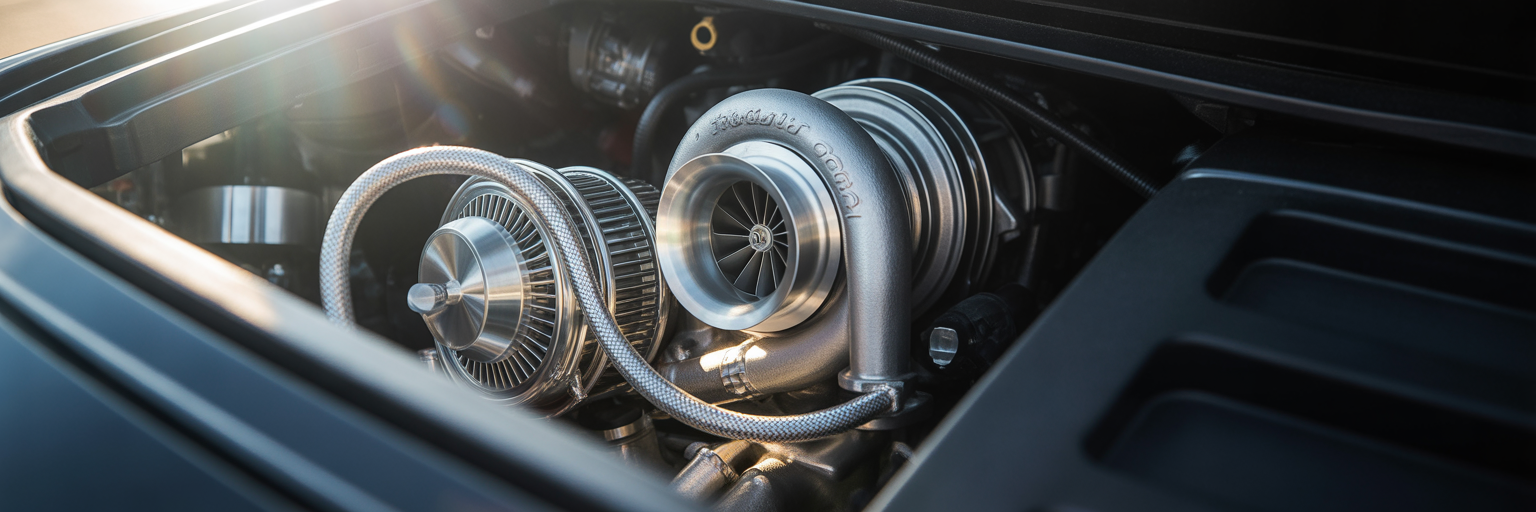
Turbocharged engines have become incredibly common, found in everything from economy cars to high-performance trucks. While they offer a fantastic blend of power and efficiency, their design introduces a component that requires special attention during both startup and shutdown: the turbocharger itself.
Why Turbo Bearings Need Immediate Oil Flow
A turbocharger uses exhaust gases to spin a turbine, which in turn spins a compressor to force more air into the engine. This process allows a smaller engine to produce the power of a larger one. The shaft connecting the turbine and compressor can spin at speeds exceeding 150,000 RPM. These incredible speeds generate immense heat and friction. The only thing keeping the turbo’s bearings from failing catastrophically is a constant, high-pressure flow of clean engine oil, which both lubricates and cools them.
The Critical Warm-Up Phase for Turbos
This reliance on oil makes the initial cold start particularly important. When you ask how to warm up a turbo engine, the answer is with care and patience. The “30-second rule” is even more critical here. That brief idle period is essential to ensure that the oil pump has time to push oil all the way to the turbocharger before it starts spinning under load. Driving away immediately and accelerating hard can starve the turbo bearings of oil for a few crucial seconds, causing premature wear that can lead to costly failure down the road. After the initial 30-60 second idle, drive gently, keeping RPMs and boost levels low until the engine oil is fully up to temperature.
The Cool-Down Myth vs. Reality
Just as important as the warm-up is the cool-down, though it’s often misunderstood. The old wisdom was to let a turbo car idle for a few minutes after every drive to cool down. For modern cars under normal driving conditions, this is unnecessary. Advanced synthetic oils and better cooling systems are designed to handle the residual heat without issue. Shutting the engine off immediately after a typical commute is perfectly fine.
However, a cool-down period is necessary after high-load driving. This includes activities like a track day, towing a heavy trailer up a grade, or spirited driving on a mountain road. In these cases, the turbo is glowing hot. Shutting the engine off immediately stops the flow of oil, which can cause the oil remaining in the hot turbo to “coke,” or burn and solidify, clogging oil passages and leading to failure. After heavy use, let the engine idle for 30 to 60 seconds. This allows circulating oil to carry away excess heat, protecting the turbo for its next run.
The Role of Remote Starters and Cabin Comfort
On a freezing winter morning, the allure of a remote starter is undeniable. The ability to step from your warm house into a pre-heated car cabin feels like a modern luxury. However, it’s important to understand the trade-off between your personal comfort and your vehicle’s mechanical efficiency.
Comfort vs. Mechanical Efficiency
From a purely mechanical perspective, using a remote starter is just another form of extended idling. It comes with all the same downsides we’ve discussed: it’s a very slow and inefficient way to warm the engine, it wastes fuel, it produces unnecessary emissions, and it can contribute to fuel dilution in the oil. While your cabin gets toasty, your engine, transmission, and the rest of the drivetrain are warming up far less effectively than they would with gentle driving.
Best Practices for Using a Remote Starter
This doesn’t mean you should never use your remote starter. It’s a feature designed for convenience, and there’s nothing wrong with using it that way. The key is to use it smartly. Instead of letting the car run for 15 or 20 minutes, try starting it just 5 minutes before you plan to leave. This is often enough time to get the defroster working on the windows and take the biting chill out of the cabin air and seats without excessive fuel waste. Think of it as a tool for safety and initial comfort, not as a method for mechanically warming up the vehicle.
The Efficiency of EV and Hybrid ‘Preconditioning’
The concept of pre-warming a vehicle is executed far more intelligently in electric and plug-in hybrid vehicles. Their “preconditioning” features are fundamentally different from a remote starter. When the vehicle is plugged in, it can use power from the electrical grid to heat both the battery and the cabin. This is incredibly efficient. It warms the battery to its optimal operating temperature, which maximizes range and performance, and it heats the cabin without using any of the battery’s stored energy. This means you start your drive with a full charge, a comfortable interior, and a powertrain that’s ready to perform at its best.
A Practical Cold-Start Checklist for Any Driver
With all this information, it’s helpful to have a simple, repeatable routine. The following checklist synthesizes the best practices into an easy-to-follow process for nearly any modern vehicle.
- Start the Engine, No Revving. Turn the key or press the button and let the engine start on its own. Avoid the temptation to touch the gas pedal. The ECU has everything under control.
- Use the First 30 Seconds Wisely. This is the perfect amount of time to buckle your seatbelt, check your mirrors, plug in your phone, or select your music or navigation destination. Let the car idle while you get settled.
- Check for Visibility. Before putting the car in gear, do a quick visual scan. Are your windows clear of frost, ice, or fog? If not, turn on your defroster and wait until you have a safe, unobstructed view. Safety always comes first.
- Drive Gently. Once you begin moving, take it easy for the first 5 to 10 minutes. This is the most crucial step. “Driving gently” means:
- Keeping engine speeds low (e.g., under 3,000 RPM).
- Using smooth and light throttle application.
- Avoiding hard acceleration or “flooring it.”
- Refraining from heavy towing or hauling until the engine is fully warm.
- Monitor the Temperature Gauge, But Be Patient. The coolant temperature gauge on your dashboard is often the first thing to reach its normal operating position. However, remember that your engine oil and transmission fluid take significantly longer to warm up. It’s a good practice to continue driving gently for another 5 minutes after the coolant gauge reads “normal” to ensure the entire drivetrain is ready for action.
This simple routine is a great start to responsible car ownership. For those looking for more helpful articles, the informative section on Car Phanatics has a wealth of additional resources.
Frequently Asked Questions About Cold Starts
Even with a clear routine, specific questions often come up. Here are direct answers to some of the most common queries about warming up your car.
Is it okay to idle my car for a long time in freezing weather?
While a few minutes of idling may be necessary for safety to defrost windows, extended idling is not beneficial for the engine. According to AAA, it wastes fuel and can lead to issues like carbon buildup. The best approach is to idle just long enough for visibility and then drive gently.
Do diesel engines need a much longer warm-up?
Yes, they benefit from a slightly longer idle than gasoline engines, typically 2-5 minutes in cold weather. This is because diesel engines are more thermally efficient and generate heat more slowly at idle. However, like gasoline engines, gentle driving is still the most effective way to warm the entire vehicle. While diesel trucks have specific warm-up needs, choosing the right truck involves many factors. For those comparing popular models, our detailed look at the Nissan Frontier vs. Chevrolet Colorado can offer more insights.
Do I need to warm up or cool down my turbocharger?
For warm-up, yes. An initial idle of 30-60 seconds is critical to ensure oil reaches the turbo’s bearings before you drive. For cool-down, it depends. After normal driving, no cool-down is needed. After heavy-load driving (like towing or track use), idling for 30-60 seconds is recommended to prevent oil coking.
Is a remote starter bad for my car?
It’s not acutely harmful, but it is an inefficient form of extended idling. It wastes fuel and warms the engine very slowly. It’s best used for short periods (5 minutes or less) primarily for cabin comfort and defrosting, not as a primary method for warming the engine.
What’s more important: warming the engine or defrosting the windshield?
Defrosting the windshield, without a doubt. Your ability to see is a fundamental safety requirement that takes precedence over any mechanical guideline. Always wait until your windows are clear before you drive.
Does revving the engine help it warm up faster?
Absolutely not. This is a harmful myth. Revving a cold engine puts immense stress on internal components like pistons, bearings, and valvetrain parts before they are properly lubricated by warm, free-flowing oil. It dramatically increases the potential for wear and is one of the worst things you can do to a cold engine.