
Over 35 million used vehicles change hands across the United States each year, yet millions of those transactions involve cars carrying hidden mechanical scars or altered paperwork. Knowing how to read the paper trail behind the metal is the single most effective way to protect your wallet before signing a title.
What Vehicle History Reports Can and Cannot Reveal
The Official Ledger of Documented Events
Pulling vehicle history reports gives buyers access to an official ledger of documented events gathered from state Department of Motor Vehicles offices, insurance carriers, auto auctions, and franchised dealership service bays. Whenever a title changes hands across state lines, an officer files a police report after an intersection collision, or a technician plugs an onboard diagnostic scanner into a car during a state emissions test, that digital footprint flows into national registries. Novice shoppers researching our recommendations for affordable starter vehicles rely on these records to verify that a budget commuter has not suffered catastrophic structural damage before they ever schedule a viewing.
These files excel at tracking bureaucracy. You can trace exact registration dates from Florida to Ohio, verify whether a lienholder still holds a financial stake in the vehicle, and confirm if an insurance adjuster ever declared the chassis a total loss. Commercial aggregators also log odometer readings captured during registration renewals and contracted repair visits, creating a chronological timeline that helps verify whether the mileage shown on the instrument cluster matches reality.
Database Blind Spots and Reporting Lag Times
Relying exclusively on digital records creates a dangerous blind spot because millions of automotive mishaps happen completely off the grid. As detailed in the Kelley Blue Book guide on vehicle history reports, reporting agencies can only compile information that institutions actively submit to their databases. If a previous owner slid into a drainage ditch during an ice storm, pulled the bumper straight with a tow strap, and paid a local body shop in cash to respray the quarter panel, no insurance claim or police blotter entry exists to trigger an alert. Similarly, mechanical repairs performed by independent neighborhood garages or weekend DIY wrenchers rarely reach national servers.
Timing introduces another critical vulnerability that catches impatient shoppers off guard. Bureaucratic pipelines move slowly, meaning an insurance claim or body shop repair from three weeks ago can take several months to filter through state and corporate computer systems onto a newly pulled file. A car traded into a dealership lot two days after a hurried collision repair will still generate a spotless printout, lulling the buyer into a false sense of security.
Understanding this distinction separates savvy buyers from disappointed ones. A blemish-free printout never guarantees a mechanically sound machine with good compression and healthy synchros. Instead, treat the document as an initial filter designed to weed out obvious legal and structural disasters before you invest time and money inspecting the actual hardware.
Using a VIN to Obtain and Verify Vehicle Records
Locating and Authenticating Physical VIN Plates
Every road vehicle manufactured for the United States market since 1981 carries a standardized 17-character Vehicle Identification Number that acts as its mechanical DNA. Each segment of this alphanumeric string decodes specific factory build data. The first three characters identify the country of origin and manufacturer, digits four through eight describe the exact body style and engine displacement, the tenth character marks the model year, and the eleventh reveals the exact assembly plant where the chassis rolled off the line.
Before running any digital searches, locate the physical stampings on the car itself. Start by looking through the lower driver-side corner of the windshield where the metal tag meets the dashboard cowl. Next, open the driver door and inspect the federal safety certification sticker affixed to the B-pillar jamb. Experienced buyers also check secondary stampings etched onto the engine block deck, transmission bellhousing, or frame rails to ensure major assemblies match the original chassis.
Cross-checking these physical tags against the paper title and digital records protects you from VIN cloning. In a cloning scam, thieves steal a late-model truck or sports car and replace its dashboard plate with a replicated tag copied from a legally registered, identical vehicle parked two states away. If the font on the dashboard rivet plate looks crooked, or if the door jamb sticker shows signs of peeling or heat gun blistering, walk away immediately.
Combining NMVTIS Data with Commercial Providers
Executing a thorough VIN check used car evaluation requires pulling data from both federal registries and private commercial aggregators. Start with the National Motor Vehicle Title Information System, a federal database operated under the Department of Justice that forces state motor vehicle agencies, junkyards, salvage pools, and insurance carriers to report total loss declarations and title brands. Because federal law mandates participation from salvage yards, this database frequently catches total-loss cars that slip past commercial services.
Once the federal check clears, layer on commercial reports from providers like Carfax or AutoCheck to capture service bay visits, auction announcements, and local police crash files. As noted in Car and Driver’s consumer advice on verifying vehicle history, cross-referencing multiple data sources is essential because not all repair shops or municipal agencies report to the same private company. Free online lookup tools have severe practical limits, typically verifying basic factory trim specifications or active theft status while hiding multi-state registration chronology and accident entries behind a paywall. Follow this exact sequence to authenticate a vehicle before leaving your house:
- Request high-resolution photos of the dashboard VIN plate and driver door jamb sticker directly from the seller.
- Run the 17-character code through a free National Insurance Crime Bureau lookup to confirm the vehicle is not actively listed as stolen or unrecovered salvage.
- Purchase an official NMVTIS report from an approved provider to verify current state title branding and junk yard records.
- Obtain a commercial history report from Carfax or AutoCheck to review maintenance intervals, police collision filings, and ownership turnover.
- Compare the decoded factory engine and trim digits against the seller’s listing photos to confirm the car has not undergone an undocumented drivetrain or badge swap.
Decoding Title Status, Salvage Records, and Ownership History
Clean Titles Versus Branded Designations
The legal status printed across the top of a state certificate of title dictates what a vehicle is worth, whether a bank will finance it, and whether an insurer will cover it. A clean title indicates that the vehicle has never been declared a total financial loss by an insurance company or repurchased by the manufacturer under state warranty laws. Once a car crosses that threshold, the state issues a permanent brand that stays tied to the chassis forever.
Understanding salvage title meaning starts with insurance math rather than pure mechanical destruction. Insurance carriers declare a vehicle a total loss when estimated repair costs plus salvage value exceed a state-mandated percentage of its pre-accident actual cash value, typically ranging between 60 and 80 percent across different US states. An older luxury sedan with expensive adaptive LED headlights and bumper radar sensors can easily receive a salvage brand from a low-speed front impact that leaves the frame rails completely untouched.
When a builder repairs a salvage car and passes a state highway patrol or DMV safety inspection, the state issues a rebuilt or reconstructed title, allowing the vehicle back onto public roads. Other critical brands include flood designations caused by freshwater or saltwater submersion, hail damage brands that leave the drivetrain intact while dimpling every body panel, and manufacturer lemon law buybacks resulting from recurring warranty defects the dealer could not fix within a statutory number of attempts.
Spotting Interstate Title Washing
Dishonest flippers exploit differences in state motor vehicle laws through a deceptive practice known as title washing. After a hurricane floods thousands of cars along the Gulf Coast, unscrupulous rebuilders buy waterlogged vehicles at salvage auctions, dry out the carpets, clear the trouble codes, and transport them to states with looser title branding definitions or paper-transfer loopholes. When the new state issues a replacement title without carrying over the flood or salvage notation, the seller markets the vehicle to unsuspecting buyers as a clean-title car.
You can spot title washing by scrutinizing the chronological state transfer log on the history report. If a vehicle registered in coastal Texas or Florida suddenly transfers to a dealer in a landlocked state, undergoes two rapid paper title reassignments within three weeks without accumulating any mileage, and surfaces at a retail lot, treat the clean physical paper title with extreme skepticism.
Evaluating Ownership Patterns and Fleet Usage
How a vehicle lived its life matters just as much as its legal status. A one-owner suburban commuter car driven 12,000 miles a year on highway stretches experiences far less thermal cycling and suspension wear than a vehicle that has cycled through four private owners in three years. Rapid ownership turnover almost always points to an intermittent mechanical or electrical failure that each successive buyer grew tired of diagnosing.
Pay close attention to usage classifications like daily rental fleets, corporate leases, or municipal taxi service. While major rental agencies follow basic oil change schedules, hundreds of drivers subject those cars to cold-start hard acceleration and curb impacts. However, branded titles and tough ownership histories are not automatic dealbreakers for every buyer. A hands-on DIY enthusiast browsing our roundup of budget off-road SUVs might intentionally purchase a hail-damaged 4×4 pickup or a rebuilt-title trail rig at half of retail value to beat on rocky trails, whereas an everyday commuter should steer clear due to financing restrictions and refusal by major US insurers to offer comprehensive coverage.
Common US Title Brands and Buyer Implications
| Title Designation | Triggering Event | Street Legality | Financing and Insurance Impact |
|---|---|---|---|
| Clean Title | No recorded total loss or severe statutory brand | Fully legal across all 50 states | Standard loan rates and full coverage eligibility |
| Salvage Title | Damage repair cost exceeds state threshold of value | Illegal to drive on public roads | Cannot be financed or insured for road use |
| Rebuilt or Reconstructed | Salvage vehicle repaired and passed state inspection | Legal for road registration | Cash purchase usually required and limited to liability insurance |
| Flood or Water Brand | Submersion up to dashboard or electrical harness | Varies by state inspection rules | Extreme corrosion risk makes coverage nearly impossible |
| Lemon Law Buyback | Manufacturer repurchased due to recurring warranty defect | Legal once factory defect is addressed | Lenders accept with steep market value discount |
This classification reflects general Department of Motor Vehicles standards and underwriting guidelines across major US auto lenders and insurance carriers.
Evaluating Accident, Damage, Theft, and Odometer Entries

Interpreting Impact Severity and Diminished Value
Millions of cars carrying clean titles still harbor significant collision histories. Commercial reports typically categorize accidents along a severity scale ranging from minor to severe. Minor damage involves cosmetic components like dented fenders, cracked plastic bumper covers, or parking lot scrapes that require paintwork without disturbing the underlying crash structure. Moderate to severe entries indicate impacts energetic enough to trigger airbag deployment, lock up pyrotechnic seatbelt pretensioners, or require disabling the vehicle for flatbed towing from the scene.
Whenever a report flags structural damage or frame alteration on a modern unibody vehicle, proceed with extreme caution. Modern cars rely on high-strength steel crumple zones engineered to absorb kinetic energy once. Even if a certified collision center pulls the frame rails back into factory alignment on a laser rack, the metal never regains its original metallurgical rigidity. Because of this permanent stigma, a vehicle involved in a documented collision suffers immediate diminished value, typically losing 10 to 25 percent of its resale value on the US market compared to an unhit example, giving you substantial leverage to demand a lower purchase price.
Unpacking Theft Recovery Records
Theft and recovery entries hide some of the worst mechanical abuse in the used car market. If a vehicle is stolen and police recover it within a few days or weeks before the owner’s insurance company finalizes a total-loss payout, the car returns to the owner or goes to auction with a completely clean title. On paper, it looks like a harmless two-week gap in registration.
In reality, stolen vehicles rarely go for gentle Sunday drives. Thieves frequently neutral-drop automatic transmissions, bounce cold engines off the rev limiter, jump curbs, and rip apart dashboard wiring harnesses to bypass factory immobilizers. If a report shows a theft recovery entry, inspect the steering column shroud, under-dash wiring looms, and transmission fluid condition as thoroughly as if the car had survived a demolition derby.
Detecting Digital Odometer Rollbacks and Clerical Errors
Many shoppers assume digital dashboards ended mileage tampering, yet digital odometers are easier to manipulate than vintage mechanical gear clusters. Crooks use inexpensive handheld programmers plugged directly into the onboard diagnostic port under the dashboard to rewrite the mileage stored in the body control module in less than five minutes. Learning how to check car odometer rollback patterns on a history report is your best defense against paying low-mileage prices for a worn-out fleet car.
Read the chronological mileage column from top to bottom, looking for sudden drops in recorded miles or suspicious multi-year stretches where a five-year-old vehicle only accumulates 800 miles between state inspections. Honest high-mileage vehicles that received proper care are far safer bets than low-mileage rollbacks, a reality we explore in our analysis on why certain high-mileage cars age gracefully when highway cruising makes up the bulk of their use. At the same time, apply common sense to spot harmless clerical errors. If a vehicle logs 42,000 miles in May, 75,000 miles at a quick-lube shop in August, and 45,100 miles at a state inspection station in November, a careless technician simply fat-fingered the keypad during the oil change rather than rolling back the clock.
Leveraging Maintenance Logs and Recall History
Verifying Critical Lifecycle Service Intervals
Beyond spotting wrecks and fraud, a comprehensive history report acts as a mechanical resume that reveals how diligently previous owners maintained the powertrain. Cross-reference the service entries logged on the report against the manufacturer factory maintenance schedule for that specific engine and transmission. Seeing consistent oil and filter changes every 5,000 to 7,500 miles is encouraging, but confirming major lifecycle services is what saves you thousands of dollars after purchase.
If you are evaluating an interference engine equipped with a rubber timing belt around the 90,000-mile to 105,000-mile mark, look for an explicit entry showing timing belt, tensioner, and water pump replacement. On four-wheel-drive trucks and all-wheel-drive crossovers, verify that differential gear oils, transfer case fluids, and transmission fluid exchanges occurred around 60,000 miles. Consistent preventative care directly dictates mechanical longevity, which is why we emphasize fluid discipline in our guide on keeping an engine running reliably for years without major overhauls.
Navigating Missing Records and DIY Maintenance
Encountering a five-year gap in reported service records does not automatically mean the engine is full of oil sludge. Because thousands of independent mechanics and almost all home DIY enthusiasts do not subscribe to commercial reporting networks, a meticulously maintained enthusiast car often shows a completely blank service timeline after its factory warranty expires.
To separate a neglected lease return that went 25,000 miles between oil changes from a pampered driveway-maintained vehicle, ask the seller for physical documentation. True enthusiasts keep a chronological three-ring binder filled with parts store receipts from suppliers like RockAuto or NAPA, handwritten mileage logs on oil filter box flaps, or spreadsheets tracking synthetic fluid swaps. If a private seller claims they did all the work themselves but cannot produce a single parts receipt or tell you what weight oil the engine takes, assume the maintenance never happened and deduct the cost of a full baseline service from your offer.
Checking Open Safety Recalls and Chronic Defects
Most history reports flag open manufacturer recalls, which you should also double-check directly through the federal National Highway Traffic Safety Administration lookup portal. Under federal law, franchised dealerships must perform safety recall repairs free of charge regardless of vehicle age or how many times ownership has changed. Confirming whether fatal defects like faulty airbag inflators, stalling fuel pump modules, or catching steering columns have already been remedied saves you a trip to the dealer service department.
More importantly, analyze the maintenance log for closely clustered, repetitive visits that expose chronic mechanical gremlins. If a report shows a vehicle visiting three different shops over six weeks for cooling system inspections, thermostat replacements, and radiator flushes right before being traded in at an auction, the previous owner was almost certainly chasing a blown head gasket or cracked cylinder head and dumped the car before the engine failed completely.
Matching Report Findings with a Physical Inspection and Test Drive
Exterior and Underbody Clues of Unreported Bodywork
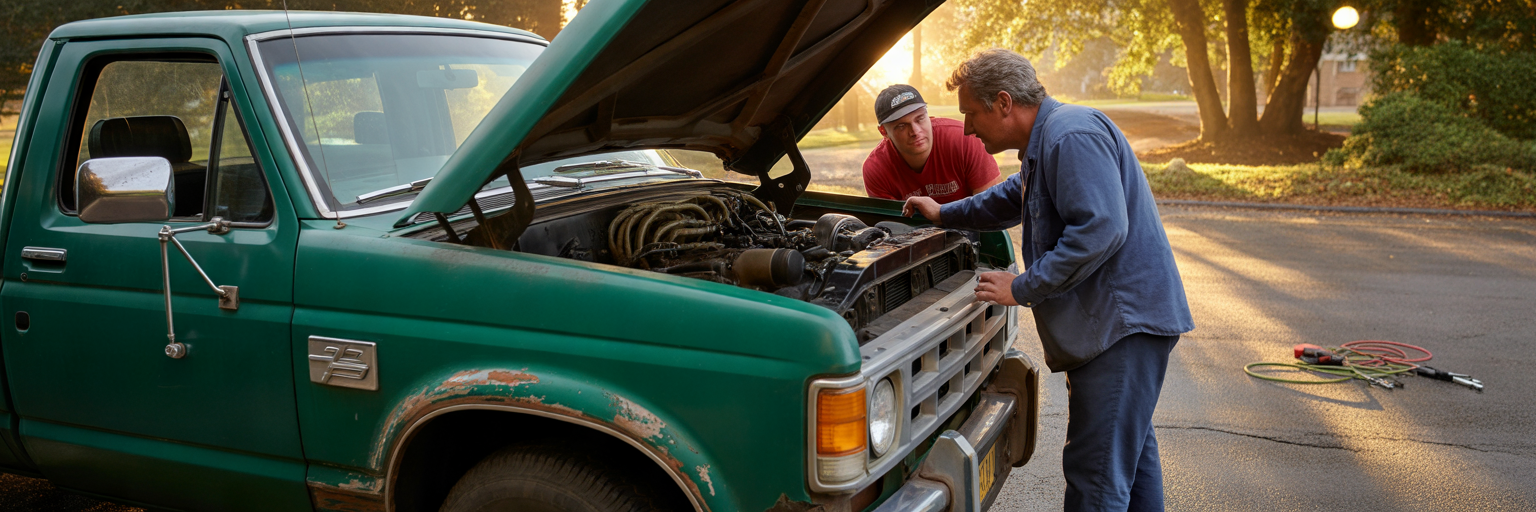
Once the digital paperwork checks out, your eyes and hands must verify whether the physical metal matches the story on the page. Always inspect a vehicle outdoors in bright daylight, as rain or dim garage lighting hides paint mismatches. Squat down at the front bumper corner and sight down the length of the body panels. Factory assembly robots set consistent gaps between the hood, fenders, and doors; if a gap tapers from narrow at the top to wide at the bottom, the panel has been removed or shifted in an undocumented impact.
Run your fingertips along the inside lip of the wheel arches, door edges, and rubber window moldings. Factory paint feels glass-smooth, whereas body shop masking tape leaves a sharp, rough ridge of paint overspray. Check the small etched bug logos in the lower corner of every window pane to confirm they all carry the original automaker emblem rather than an aftermarket replacement brand installed after a rollover or side collision.
Pop the hood and inspect the 10-millimeter or 12-millimeter bolts securing the front fenders to the upper apron. Automakers paint these bolts after assembly, so chipped paint or bare silver metal on the bolt hex heads proves a technician put a socket wrench on them to realign or replace the sheet metal. Next, grab a flashlight and look beneath the chassis. If a report claims a truck spent its entire life in Arizona or Georgia, the frame rails should show clean factory coating or light dry surface dust, not flaking scale rust covered in fresh, sticky black rubberized undercoating sprayed on last week to hide perforation.
Correlating Cabin Wear with Documented Mileage
Interior touch points wear down at a predictable rate that no diagnostic programmer can erase. Before turning the key, compare the condition of the driver cockpit against the mileage printed on the history report. A car showing 45,000 documented miles should still have firm foam in the outer driver seat bolster, distinct textured grain on the leather steering wheel rim, and deep grooves across the rubber brake pedal pad.
If that same 45,000-mile car features a collapsed seat bolster with frayed stitching, worn-off silver paint on the climate control buttons, and bare steel peeking through the bottom corner of the brake pedal rubber, the cabin has experienced closer to 150,000 miles of entries and exits. Conversely, a brand-new aftermarket rubber pedal pad snapped onto an older vehicle is a classic curbstoner trick used to disguise heavy footwell wear.
Targeted Test Drive Checks to Validate Paperwork
Use your test drive to stress-test the claims made on the history report. On a flat, straight stretch of pavement with no traffic, loosen your grip on the steering wheel and observe whether the car tracks straight or pulls toward the shoulder, which indicates bent suspension control arms or shifted subframe mounts from an unreported curb strike. Drive over speed bumps and through rough parking lot aprons with the radio off and windows down. If you hear rhythmic popping or metallic knocking from the front end during tight low-speed maneuvers, consult our diagnostic guide on steering clunking sounds to pinpoint worn ball joints, tie rod ends, or CV axles before negotiating.
Finally, bring the engine up to full operating temperature and accelerate firmly up a highway grade. Feel for transmission shudder, delayed gear engagements, or torque converter flare where engine RPM jumps without a corresponding increase in road speed, validating whether those logged transmission fluid changes actually protected the internal clutches.
Cross-Checking Report Claims Against Physical Evidence
| Report Entry | Physical Inspection Area | Confirming Evidence | Contradicting Red Flag |
|---|---|---|---|
| No Accidents Reported | Fender bolts and door jamb edges | Unbroken factory paint on bolt heads and uniform seam sealer | Chipped paint on bolts, masking tape lines, or uneven panel gaps |
| Low Odometer Mileage | Driver footwell and touch points | Firm seat foam, crisp steering wheel grain, and deep pedal grooves | Bare metal showing on brake pedal or worn bolster fabric |
| Southern State Registration | Undercarriage and suspension mounts | Clean bare steel or light surface patina on subframes | Flaking scale rust or thick wet undercoating hiding corrosion |
| Recent Brake or Suspension Service | Wheel wells and caliper hardware | Thick friction material on pads and clean rubber boots on joints | Deeply grooved rotors, leaking shock absorbers, or rusted bleeders |
This diagnostic matrix pairs common vehicle history assertions with hands-on mechanical checkpoints used by automotive appraisers.
Red Flags That Require Further Documentation or Professional Inspection
High-Risk Timeline Patterns and Seller Discrepancies
Individual entries on a history report rarely tell the whole story; the real danger lies in how timeline events connect. Immediate skepticism is warranted whenever you spot three rapid ownership transfers within six months, a sudden registration jump from a hurricane-impacted coastal county straight to an inland wholesale auto auction, or a vehicle purchased at a dealer auction three days ago and immediately listed online by a private seller pretending to be a long-term family owner.
This last scenario points to curbstoning, an illegal practice where unlicensed flippers pose as private individuals to dump defective auction cars without complying with state dealer disclosure laws. Always verify that the name printed on the front of the physical state title matches the driver license of the person standing in front of you. If the seller claims they are selling the car for an out-of-state cousin and hands you an open title signed months ago, walk away.
When a legitimate seller’s verbal story clashes with a minor entry on the report, demand supporting paperwork to bridge the gap. A minor accident entry can be completely neutralized if the owner produces an itemized body shop invoice showing a simple bumper cover replacement and a four-wheel laser alignment printout proving the suspension geometry sits within factory tolerances.
When to Invest in an Independent Pre-Purchase Inspection
Once a vehicle passes both the history report screening and your driveway evaluation, scheduling an independent pre purchase car inspection is the smartest money you can spend before handing over cash. While an experienced DIY buyer can spot surface leaks and cosmetic filler, a professional technician working with a two-post hydraulic lift, digital paint depth gauge, and bidirectional factory scan tool can uncover hidden trouble in an hour.
Up in the air, a mechanic can spot sectioned frame rail welds, weeping rear main oil seals, and rotted brake lines hidden above the fuel tank. Furthermore, a professional scanner can read proprietary manufacturer modules for stored transmission slip codes and check whether the seller cleared the onboard diagnostic readiness monitors with a code reader twenty minutes before your arrival to temporarily extinguish a check-engine light. Hiring a shop familiar with platform-specific weaknesses is especially valuable on complex vehicles; for instance, buyers referencing our guide on diagnosing common Chevrolet Silverado issues know a specialist will immediately listen for active fuel management lifter tick and inspect the torque converter.
Spending 150 to 250 dollars on a mechanic makes sense only after the vehicle clears your initial paperwork and physical filters; never waste inspection fees on a car that already shows title washing or obvious frame rust. Keep this actionable used car buying checklist on hand to move methodically from initial online browsing to signing the bill of sale:
- Obtain the 17-character VIN from the seller and verify that the dashboard plate, door jamb sticker, and paper title match character for character.
- Pull both an official federal NMVTIS report and a commercial Carfax or AutoCheck file to screen out salvage brands, flood histories, and odometer discrepancies.
- Cross-reference reported maintenance entries and physical parts receipts against the manufacturer factory service schedule for timing belts, fluids, and open safety recalls.
- Perform a daylight physical walk-around to check panel gaps, unpainted fender bolt heads, window glass logos, undercarriage rust, and interior pedal wear against documented mileage.
- Conduct a cold-start test drive over varied road surfaces to verify straight alignment tracking, quiet suspension articulation, and smooth transmission shifting under load.
- Hire an independent, brand-specialist mechanic to put the vehicle on a lift and run a bidirectional diagnostic scan before finalizing price negotiations and signing the title.