Defining the Modern Compact Sedan
For decades, the American compact sedan was a straightforward choice, guided almost entirely by budget and fuel efficiency. These were cars you bought because you needed one, not necessarily because you wanted one. Today, that landscape has changed completely. The modern compact sedan is a reflection of personal priorities, blending practicality with sophisticated design and technology. This evolution is perfectly captured by two of the class leaders: the 2026 Mazda3 and the 2026 Volkswagen Jetta.
These two vehicles represent distinct philosophies within the same segment. They both get you from point A to point B, but how they make you feel along the way is what sets them apart. This detailed compact sedan comparison will explore those differences to help you decide which car aligns with your lifestyle. For a wider look at how different models stack up, you can explore other vehicle comparisons we have conducted.
The Mazda3 enters the ring as the contender for the driver who values aesthetics and a dynamic experience. Its design language speaks of sophistication, with flowing lines and a sculpted body that feels more expensive than its price tag suggests. Inside, the cabin reinforces this impression with premium materials and a driver-centric layout that draws comparisons to entry-level luxury brands. This is the car for someone who believes their daily drive should feel special, an escape rather than a chore.
In the other corner stands the Volkswagen Jetta, the champion of pragmatism and intelligent engineering. Its identity is rooted in a classic German approach that prioritizes passenger comfort, exceptional fuel economy, and everyday utility. The Jetta’s design is clean and purposeful, maximizing interior space and usability. It’s the car for the person who needs a reliable, efficient, and spacious tool for navigating the demands of daily life. It doesn’t shout for attention; it quietly earns respect through its competence. Over the next sections, we will analyze their performance, efficiency, interior space, and long-term value to give you a clear picture of where each one excels.
Performance and Driving Experience
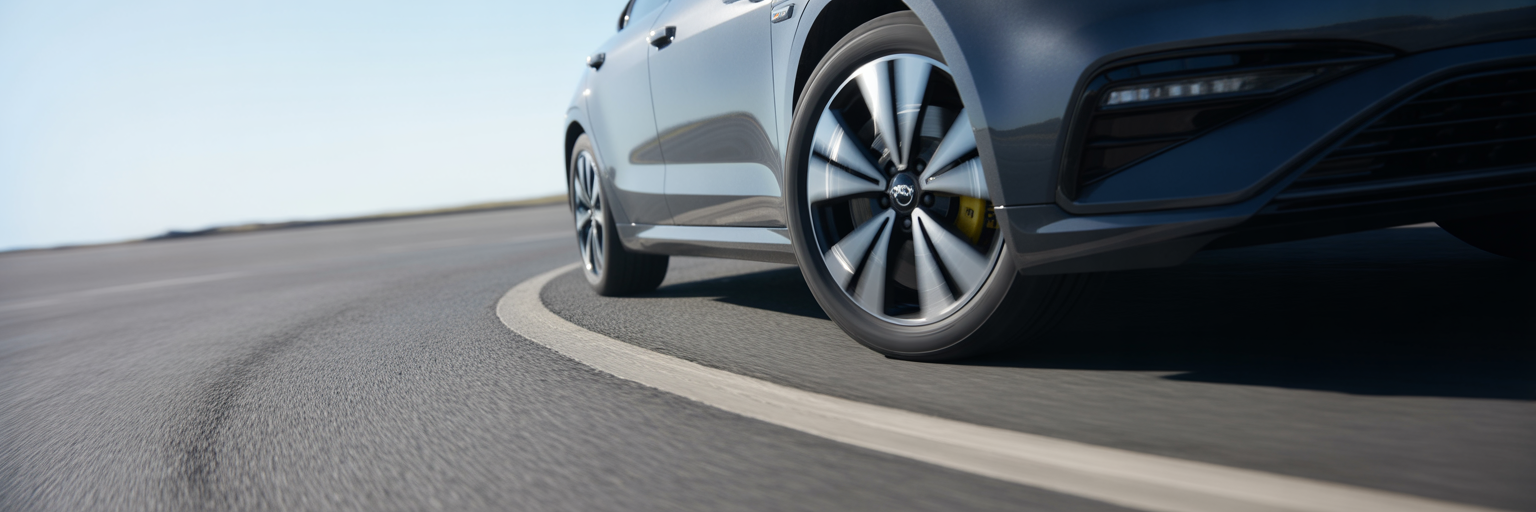
The way a car feels on the road is more than just numbers on a spec sheet; it’s about the connection between the driver, the machine, and the pavement. In the Mazda3 vs Volkswagen Jetta debate, this is where their differing personalities become most apparent. One prioritizes engagement and power, while the other masters refinement and comfort.
The Mazda3’s Two-Tiered Power Strategy
Mazda ensures that even its base model delivers a spirited drive. The standard 2.5-liter four-cylinder engine produces 191 horsepower, a figure that already outshines the Jetta’s sole powertrain. This means that responsive acceleration and confident passing power are not optional extras but standard features. The engine feels eager and willing, encouraging a more dynamic driving style without feeling strained.
For those who want more, Mazda offers a transformative upgrade: an available 2.5-liter turbocharged engine. Pushing out up to 250 horsepower and a stout 320 lb-ft of torque, this engine turns the Mazda3 into a legitimate sport sedan. The power delivery is strong and linear, providing the kind of effortless thrust typically reserved for more expensive performance cars. It’s an option that fundamentally changes the character of the car, making it a compelling choice for the true driving enthusiast.
The Jetta’s Focus on Refined Efficiency
Volkswagen takes a different approach with the Jetta. Its 1.5-liter turbocharged engine produces a more modest 158 horsepower, but that number doesn’t tell the whole story. The engine is engineered for the realities of American commuting. It delivers its torque low in the rev range, making the Jetta feel surprisingly quick off the line and responsive in city traffic. You never feel like you’re struggling for power when merging onto a busy highway.
The experience is defined by smoothness and quiet operation. The power delivery is gentle and refined, designed to reduce driver fatigue and create a calm cabin environment. Volkswagen’s engineers focused on making the Jetta’s performance feel effortless and adequate for every situation, prioritizing a serene journey over raw acceleration.
Handling: A Tale of Two Philosophies
The contrast in driving dynamics is just as sharp. The Mazda3 feels agile, responsive, and connected to the road. Its steering is precise, giving the driver a clear sense of what the front wheels are doing. This is enhanced by Mazda’s G-Vectoring Control Plus, a clever technology that subtly adjusts engine power when you turn the wheel to shift weight, improving cornering stability and making the car feel more natural and intuitive to handle. It’s a car that feels eager to tackle a winding road.
The Jetta, on the other hand, is composed, stable, and comfortable. Its suspension is tuned to absorb road imperfections, isolating passengers from bumps and rough pavement. While its steering is accurate, it prioritizes ease of use and stability over sharp feedback. This makes the Jetta an exceptional long-distance cruiser, reducing fatigue and ensuring a relaxed arrival. Furthermore, the Mazda3 offers an available all-wheel drive (AWD) system, a significant advantage for buyers in regions with inclement weather. This system not only provides extra traction in snow and rain but also enhances dry-weather handling, adding a layer of confidence the front-wheel-drive-only Jetta cannot match.
Fuel Efficiency and Ownership Costs
While the thrill of the drive is important, the practical costs of ownership often play a decisive role in the final decision. Here, the Jetta’s pragmatic engineering gives it a distinct advantage in one area, while the Mazda3’s reputation provides a different kind of financial peace of mind.
When it comes to saving money at the pump, the Volkswagen Jetta is the clear winner. The Volkswagen Jetta fuel economy is a cornerstone of its appeal. Its smaller, efficient 1.5-liter turbocharged engine and aerodynamic design are meticulously optimized to squeeze the most miles out of every gallon. For high-mileage commuters or anyone looking to minimize their environmental footprint and fuel budget, the Jetta’s superior MPG figures make it an incredibly compelling choice.
The Mazda3, while still competitive, asks for a small compromise in efficiency in exchange for its greater performance. Its larger, more powerful standard engine naturally consumes a bit more fuel. This is a conscious trade-off: the price of a more engaging driving experience is a slightly higher fuel bill. The difference becomes more pronounced with the powerful turbo engine and all-wheel drive, which prioritizes performance over ultimate economy.
Fuel Economy and Reliability at a Glance
| Metric | Volkswagen Jetta | Mazda3 (Base Engine) | Mazda3 (Turbo Engine) |
|---|---|---|---|
| Engine | 1.5L Turbo I-4 | 2.5L I-4 | 2.5L Turbo I-4 |
| EPA-Estimated MPG (Combined) | ~34 MPG | ~31 MPG (FWD) / ~30 MPG (AWD) | ~27 MPG (AWD) |
| Long-Term Reliability Outlook | Good | Excellent | Excellent |
| Typical Maintenance Cost | Average | Below Average | Below Average |
Note: MPG figures are estimates for the 2026 model year based on current generation data. Reliability and maintenance cost outlooks are based on long-term industry reports and brand trends.
Beyond fuel, long-term ownership costs are heavily influenced by reliability. This is where the scales tip in favor of the Mazda. The Mazda3 reliability is consistently praised, with the brand frequently earning top spots in independent industry studies. According to analysis from The Car Connection, both vehicles are closely matched in safety but differ significantly in performance and interior feel, which aligns with long-term ownership priorities. Mazda’s reputation translates into greater peace of mind and a lower probability of costly, unexpected repairs down the road. While modern Volkswagens are dependable vehicles, maintenance and parts for German-engineered cars can sometimes carry a premium, making the Mazda a potentially more affordable car to maintain over its lifespan.
Interior Craftsmanship and Cabin Atmosphere
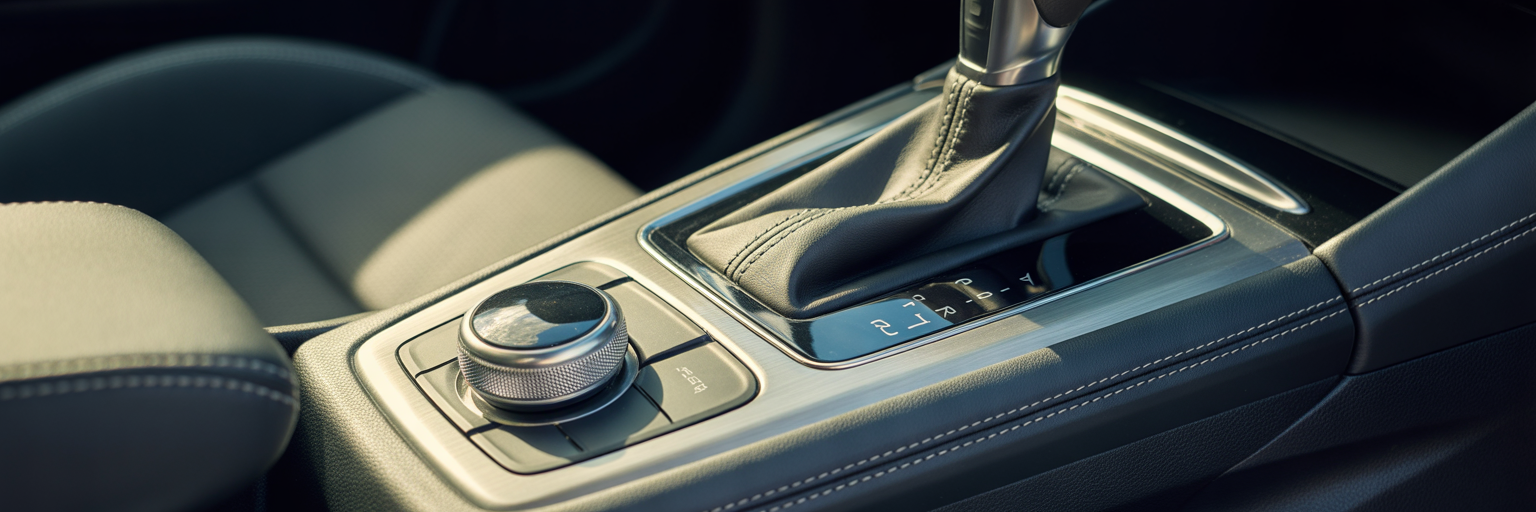
Stepping inside a car is where you form your most immediate and lasting impression. It’s the environment where you’ll spend hours commuting, running errands, or heading out on road trips. Here, the Mazda3 and Jetta showcase their opposing design philosophies as clearly as anywhere else, with one aiming for the heart and the other for the head. You can see how these approaches differ by exploring the different design philosophies of these two automakers and others.
Mazda3: The Near-Luxury Benchmark
The cabin of the Mazda3 is a statement. It’s an environment designed to make you feel like you’re in a vehicle from a class above, earning its place among premium compact sedans. Your fingers trace over soft-touch surfaces on the dashboard and door panels, materials that are often hard plastic in competitors. The switches and knobs move with a satisfying, tactile click that speaks to a high level of attention to detail. The design is minimalist and elegant, with a clean layout that wraps around the driver, creating a snug, cockpit-like feel. This driver-focused design isn’t just for looks; it enhances the sense of control and connection to the car, making the act of driving more immersive.
Volkswagen Jetta: Functional and Ergonomic Design
The Volkswagen Jetta’s interior is a masterclass in practicality. It may not have the immediate wow-factor of the Mazda3, but its brilliance reveals itself over time. Every control is exactly where you expect it to be, from the climate dials to the window switches. The gauges are clear and easy to read at a glance, and the overall build quality feels robust and durable, designed to withstand years of daily use. The Jetta’s cabin is not meant to be flashy; it’s an intuitive and user-friendly space designed to reduce mental workload and make driving as effortless as possible. It’s like a well-organized workspace, where every tool is perfectly placed for maximum efficiency.
Dashboard Philosophies: Driver-Centric vs. Tech-Forward
This contrast extends to their technology interfaces. The Mazda3 combines elegant physical gauges with a widescreen infotainment display that is controlled primarily by a rotary knob on the center console. This is a deliberate choice rooted in safety, allowing the driver to navigate menus through muscle memory without taking their eyes off the road or smudging a screen with fingerprints. In contrast, the Jetta offers its available Digital Cockpit, a fully customizable screen that replaces traditional gauges. This system allows the driver to prioritize what they see, whether it’s a full-screen navigation map, media information, or detailed vehicle data. It highlights their core missions: Mazda’s unwavering focus on the pure driving experience versus Volkswagen’s commitment to flexible, user-centric technology.
Everyday Practicality and Passenger Space
A compact sedan has to be more than just a driver’s car; it needs to be a functional partner for everyday life. This means carrying passengers in comfort, hauling groceries without a struggle, and having a place for all the small items that accumulate during a commute. In this arena of pure, measurable utility, the Volkswagen Jetta establishes a clear and commanding lead.
Rear-seat space is a decisive win for the Jetta. It offers significantly more legroom and headroom than the Mazda3, a difference that is immediately noticeable. For anyone who frequently carries adult passengers on the back bench, the Jetta is the far more accommodating choice. That extra space also makes a world of difference when installing child seats, especially rear-facing ones, allowing front-seat passengers to maintain their comfort. The Mazda3’s rear seat, while perfectly usable for shorter trips or with smaller passengers, is noticeably tighter. This is a direct compromise made for its beautiful, coupe-like roofline and sophisticated rear suspension design.
The story is the same when you open the trunk. The Jetta boasts one of the largest cargo holds in its class. This translates to real-world advantages, like being able to easily fit several large suitcases for a family vacation or a full load of sports equipment for the kids’ weekend games. The Mazda3’s trunk is smaller, again a trade-off for its styling and complex underpinnings. While sufficient for daily errands, it requires more strategic packing for bigger jobs.
Practicality and Space Comparison
| Feature | Volkswagen Jetta | Mazda3 | Advantage |
|---|---|---|---|
| Rear Legroom | ~37.4 inches | ~35.1 inches | Volkswagen Jetta |
| Trunk Capacity | ~14.1 cubic feet | ~13.2 cubic feet | Volkswagen Jetta |
| Cabin Storage | Generous and practical | Sufficient but smaller | Volkswagen Jetta |
Note: Dimensions are based on the current generation and are subject to minor changes for the 2026 model year. They serve to illustrate the general difference in packaging between the two vehicles.
This focus on usability extends to the small details. The Jetta’s cabin is typically dotted with large door pockets, a generous center console bin, and thoughtfully placed cupholders. These are the kinds of features that you appreciate every single day. The Mazda3 provides adequate storage, but the Jetta’s design simply offers more practical solutions for stashing phones, drinks, and other daily essentials. For buyers whose top priority is space for people and their things, the Jetta’s practical advantages are undeniable.
Technology, Infotainment, and Safety
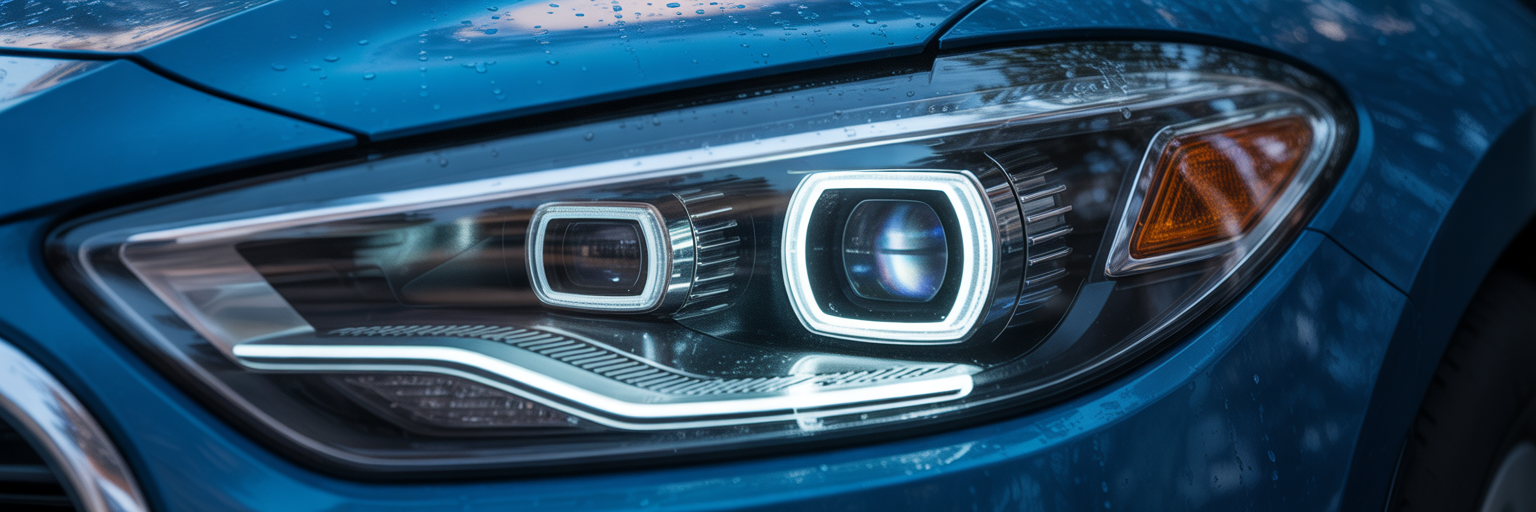
Modern cars are as much about their digital interfaces and safety systems as they are about their engines and transmissions. Both the Mazda3 and Volkswagen Jetta are equipped with an impressive suite of technologies, but they integrate them in ways that reflect their core identities. For those interested in learning more, there are many informative articles on car technology that explore these systems in greater depth.
Infotainment: Touchscreen vs. Rotary Controller
The debate over the best way to control a car’s infotainment system is perfectly illustrated by these two sedans. The Jetta employs a traditional touchscreen interface that is bright, responsive, and immediately familiar to anyone who uses a smartphone. Its menu structure is logical, and the ability to quickly tap on an icon is intuitive for most users.
Mazda takes a different path with its Mazda Connect system. The widescreen display is set far back on the dashboard, and primary control is handled by a physical rotary controller on the center console. Mazda argues this is a safer approach, as it allows the driver to build muscle memory and navigate menus without looking away from the road. It’s a system designed to minimize distraction, even if it has a slightly steeper learning curve than a simple touchscreen.
Connectivity and Audio Quality
Both vehicles make connectivity simple by offering standard Apple CarPlay and Android Auto, effectively neutralizing this as a deciding factor. Where they diverge is in their premium audio offerings. The Mazda3 is available with a superb Bose premium audio system, which is custom-tuned for the car’s acoustics. It delivers a rich, clear, and immersive sound experience that is a significant draw for audiophiles. The Jetta offers its own premium sound system, typically from BeatsAudio, which provides a more bass-heavy sound profile that will appeal to fans of certain music genres. The choice between them comes down to personal listening preference.
A Commitment to Safety
You can rest assured that both sedans are engineered to be very safe. Each is available with a comprehensive suite of modern driver-assistance features, including automated emergency braking, blind-spot monitoring, lane-keeping assist, and adaptive cruise control. Neither car has a definitive edge in the availability of these technologies. The more important distinction for buyers is how these features are packaged. One brand might include more active safety systems as standard on its base model, while the other might reserve the most advanced features, like adaptive cruise control with stop-and-go, for its highest trim levels. It’s crucial to compare the specific trim you’re considering to understand the full value proposition.
Pricing, Trims, and Defining Value
Ultimately, the decision to buy a car comes down to value. But “value” is a subjective term; it means something different to every buyer. For some, it’s a simple calculation of cost versus features. For others, it’s about the intangible feeling a car provides. The Mazda3 and Jetta represent these two distinct definitions of value.
On paper, the Volkswagen Jetta often presents the more attractive starting price. Its lower entry MSRP makes it a more accessible option for buyers working with a strict budget. However, the Mazda3’s slightly higher starting point is justified by what it includes as standard: a more powerful engine and a more refined base interior. From the very first trim, the Mazda3 delivers a higher baseline of performance and sophistication.
This creates a clear distinction between the two types of value on offer:
- The Jetta’s Quantitative Value: This is value you can measure on a spreadsheet. It is defined by its low initial cost, excellent fuel economy, and superior interior space. It’s a rational, practical proposition that appeals to the logical side of your brain. It’s about getting the most car for your money in terms of size and running costs.
- The Mazda3’s Qualitative Value: This is an experiential value that is harder to quantify. It’s found in the premium feel of the interior materials, the elegance of the design, and the joy of an engaging drive. It offers a near-luxury experience for a mainstream price, appealing to buyers who prioritize emotion and aesthetics. This is similar to how some value-oriented vehicles in another popular category offer more than just basic transportation.
This difference is also reflected in their trim structures. As you move up the Jetta’s trim ladder, you primarily add more technology, comfort, and convenience features like a larger screen, a sunroof, or ventilated seats. The core driving experience remains largely the same. In contrast, climbing the Mazda3’s trim ladder not only adds luxury features like leather upholstery and a premium sound system but can also fundamentally change the car’s character by unlocking the powerful turbo engine and all-wheel drive. The Jetta’s trims add comfort, while the Mazda3’s trims can add a whole new level of performance.
The Final Verdict: Which Sedan Is Your Perfect Match?

After analyzing every aspect from performance to practicality, the choice between the 2026 Mazda3 and the 2026 Volkswagen Jetta becomes a question of personal priorities. This isn’t a decision between a good car and a bad car; it’s a choice between two excellent vehicles engineered with different drivers in mind. Here is our clear recommendation based on your lifestyle.
- For the Daily Commuter and Value-Focused Buyer: The Volkswagen Jetta.
If your primary concerns are minimizing running costs and maximizing practicality, the Jetta is the undeniable choice. Its outstanding fuel efficiency translates directly to savings at the pump, making it one of the best commuter cars 2026. The comfortable, quiet ride minimizes stress during rush-hour traffic, and its spacious back seat and large trunk offer an unmatched level of everyday usability. The Jetta is the smart, rational choice for the driver who needs their car to be a dependable and efficient tool. - For the Driving Enthusiast and Premium-Seeker: The Mazda3.
If you believe a daily drive should be an enjoyable experience, the Mazda3 is your car. Its more powerful engine options provide genuine excitement, and its sharp, responsive handling creates a fun and engaging connection to the road. The beautifully crafted interior feels like it belongs in a much more expensive vehicle, making every journey feel special. The Mazda3 is the emotional choice for the person who sees their car as more than just transportation from point A to B.
Of course, the decision isn’t always so black and white. A high-mileage commuter might value the Mazda3’s premium cabin enough to justify the slightly higher fuel cost, seeing it as a worthy investment for the hours spent behind the wheel. Conversely, a practical-minded buyer living in a snowy climate might be drawn to the Mazda3 solely for its available all-wheel drive, a feature the Jetta doesn’t offer.
Ultimately, the final decision rests on a simple question: does your life call for the intelligent, practical strengths of the Volkswagen Jetta, or the emotional, experiential rewards of the Mazda3? Answering that will lead you to your perfect match. We invite you to explore more automotive content on our site to find other helpful guides and comparisons.