
A 10-Year Look at Nissan Sentra vs Toyota Corolla
The average length of car ownership in the United States has steadily climbed, making long-term cost analysis more critical than ever for new car buyers. For those planning to keep a vehicle for a decade, the initial sticker price is only the beginning of the story. This brings us to a classic showdown in the compact sedan segment: the Nissan Sentra vs Toyota Corolla. We are staging this comparison for a practical, value-conscious owner who plans to drive their new car for 10 years and 150,000 miles, prioritizing a low total 10 year car ownership cost over outright performance.
In one corner, we have the 2026 Nissan Sentra, a contender that has earned praise for its sharp styling, comfortable interior, and generous features for the money. It presents a compelling argument for value right from the showroom floor. In the other corner is the 2026 Toyota Corolla, the long-standing benchmark for dependability and a household name in automotive reliability. It represents a promise of predictable, low-stress ownership.
This analysis will move beyond the initial purchase price to explore every significant financial aspect of a decade-long commitment. We will cover fuel expenses, scheduled maintenance, insurance rates, potential repairs, and the all-important factor of depreciation. By examining the complete picture, we can determine which of these popular sedans is truly the smarter investment for the long haul. Car Phanatics offers many other vehicle face-offs on our site, which you can explore to see how different models stack up.
Initial Investment: Purchase Price and Financing
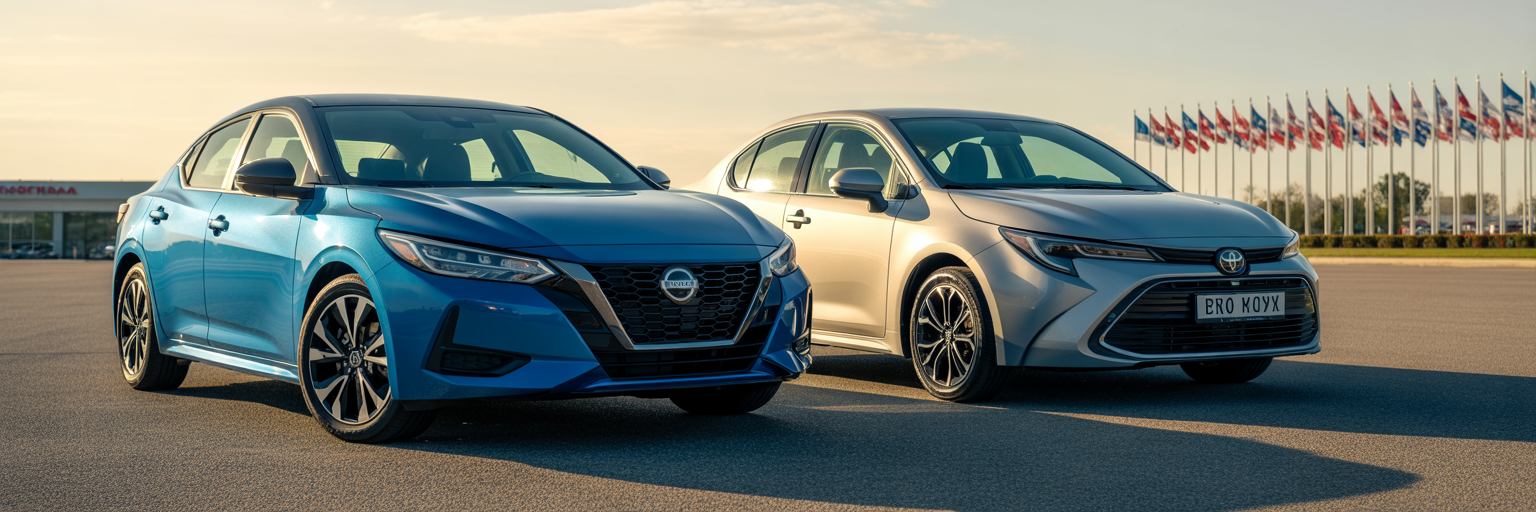
The first chapter of any ownership story is written at the dealership, and it begins with the price. When comparing equivalently equipped, popular trims like the 2026 Nissan Sentra SV and the 2026 Toyota Corolla LE, both with automatic transmissions and similar safety features, an initial price difference becomes immediately apparent. The Sentra typically carries a lower Manufacturer’s Suggested Retail Price (MSRP), giving it an immediate on-paper advantage for budget-focused shoppers.
This advantage often extends to the real-world transaction price. Due to its position as a challenger in the segment, Nissan and its dealers are frequently more willing to negotiate. It is not uncommon for a Sentra to sell at or even slightly below its MSRP, especially during sales events. This contrasts sharply with the Toyota Corolla, which benefits from persistent high demand. Its reputation for reliability means dealerships have less incentive to offer significant discounts, and transaction prices often hew closely to the sticker price.
However, the final upfront cost is also shaped by financing. Manufacturer-backed promotional offers, such as 0% or low Annual Percentage Rate (APR) deals over 60 or 72 months, can substantially reduce the total amount paid. Historically, Nissan has often been more aggressive with these incentives to attract buyers. A compelling financing offer on a Sentra can further widen its initial cost advantage. Toyota, while also offering promotions, may not feel the same pressure to discount its perennially popular Corolla. Therefore, while the Sentra almost always wins on sticker price, a buyer’s final monthly payment and total loan cost will depend on current incentives and their negotiation skills. For the lowest upfront investment, the Nissan Sentra is the clear leader.
Daily Driving: Comfort, Space, and Practicality
Beyond the numbers, a car’s daily livability is a crucial part of long-term satisfaction. For a vehicle that will serve as a commuter and family hauler for a decade, comfort and practicality are paramount. This is an area where the Nissan Sentra makes a very strong case for itself.
Seating and Ride Comfort
Nissan has equipped the Sentra with its acclaimed “Zero Gravity” front seats. Inspired by space-age ergonomics, these seats are designed to reduce fatigue on long drives by providing continuous support from the pelvis to the chest. For a daily commuter, this feature is more than a gimmick; it can make the difference between arriving at work refreshed or with a sore back. The Corolla’s seats are supportive and well-designed for the class, but they lack the distinct, pressure-relieving comfort that defines the Sentra’s front chairs.
Interior Space and Trunk Usefulness
When it comes to carrying passengers, the Sentra continues to impress. It generally offers slightly more rear-seat legroom than the Corolla, a small but noticeable difference for adults or growing teenagers in the back. Both cars provide adequate space for a compact sedan, but the Sentra feels a touch more accommodating. In terms of cargo, the Sentra boasts a slightly larger trunk by the numbers. More importantly, its wide opening and practical shape make it easy to load bulky items like luggage or a stroller, a key consideration for family use.
Cabin Noise and Refinement
A quiet cabin reduces driver stress, especially at highway speeds. The Sentra often receives high marks for its ability to insulate occupants from wind and road noise, feeling more like a midsize sedan in its refinement. It tends to absorb road imperfections like expansion joints and minor potholes with a composed feel. The Corolla provides a perfectly acceptable ride, but it can allow more engine and road noise to enter the cabin, particularly under acceleration, reminding you of its economy-car roots.
In the contest of daily experience, the Nissan Sentra emerges as the more comfortable and refined companion. Its superior seats, spacious interior, and quieter ride make it a more pleasant place to spend time during the daily grind.
Under the Hood: Powertrain, Fuel Economy, and the CVT Question
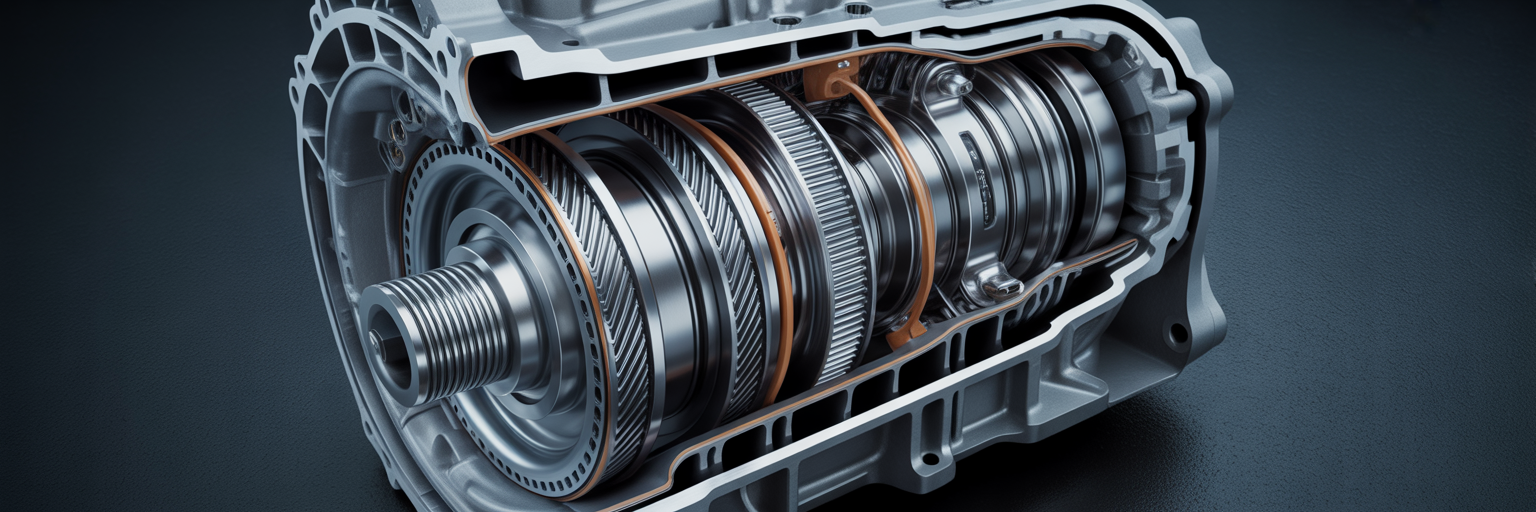
The mechanical heart of any car dictates its performance, efficiency, and a large part of its long-term character. Both the Sentra and Corolla are powered by efficient four-cylinder engines paired with Continuously Variable Transmissions (CVTs), but their approaches and reputations differ significantly.
Engine Performance in the Real World
Neither the Sentra SV nor the Corolla LE is designed to be a sports sedan. Their horsepower and torque figures are modest and geared toward efficiency. In practical driving scenarios, both provide adequate acceleration for daily tasks like merging onto a highway or navigating city traffic. The Corolla’s powertrain can sometimes feel a bit more responsive from a stop, but neither car will leave you wanting for power in typical commuting situations. They are built for predictability, not excitement.
The Tale of Two CVTs
The transmission is where the two cars diverge most. Toyota equips the Corolla with its Dynamic-Shift CVT, which cleverly uses a physical first gear for launching from a standstill. This gives the car a more direct, traditional feel off the line before seamlessly switching to the CVT’s variable ratios. This design has proven to be both efficient and exceptionally reliable. This brings us to the `Sentra CVT issues update`. Early generations of Nissan’s Xtronic CVT earned a poor reputation for premature failures, creating lingering skepticism. However, the unit in the 2026 Sentra is a different animal. It represents years of revisions with updated hardware, improved cooling, and refined software logic designed to enhance durability and driving feel. Nissan has also backed its newer transmissions with extended warranty coverage in some cases to rebuild consumer confidence, directly addressing concerns about `Nissan Sentra reliability 2026`.
Fuel Costs Over 150,000 Miles
Fuel is one of the largest expenses over a decade of driving. The Toyota Corolla typically holds a slight edge in EPA-estimated fuel economy ratings. While the difference may only be one or two miles per gallon in the combined rating, it adds up over 150,000 miles. Using a standardized price of $3.50 per gallon, the Corolla’s efficiency advantage could translate into several hundred dollars in savings over the ownership period. For an owner focused on minimizing every cost, this small but consistent saving gives the Corolla a win in the fuel expense category.
The 150,000-Mile Service Plan: Maintenance Costs
Keeping a car running reliably for a decade requires sticking to the factory-recommended maintenance schedule. While both the Sentra and Corolla are designed to be affordable to maintain, their service needs and associated costs differ slightly over 150,000 miles. Toyota gives the Corolla an early advantage with ToyotaCare, a complimentary plan that covers normal factory-scheduled maintenance for the first two years or 25,000 miles.
Over the full ownership span, costs begin to even out but some key differences remain. The Corolla’s longer 10,000-mile oil change interval means fewer trips to the shop compared to the Sentra’s 7,500-mile interval. However, Toyota recommends more frequent tire rotations. Major wear-and-tear items like brakes, tires, and batteries will need replacement on both cars, with costs being broadly similar. Milestone services, such as replacing spark plugs and changing the engine coolant and CVT fluid, are also required for both vehicles to ensure longevity. Following a proper service schedule is one of the best ways to keep your car’s engine running for years.
One area where the Corolla gains a long-term advantage is in parts availability. Due to its immense sales volume over many decades, there is a vast and competitive aftermarket for Corolla parts, which can significantly lower repair costs once the factory warranty expires. The Sentra has good parts availability, but it cannot match the sheer scale of the Corolla’s ecosystem.
| Service Item | Nissan Sentra (Est. Interval & Total Cost) | Toyota Corolla (Est. Interval & Total Cost) |
|---|---|---|
| Oil Changes (Synthetic) | Every 7,500 miles (20 total) / ~$1,600 | Every 10,000 miles (15 total) / ~$1,200 |
| Tire Rotations | Every 7,500 miles (20 total) / ~$500 | Every 5,000 miles (30 total) / ~$750* |
| Tires (3 sets) | Every 50,000 miles / ~$2,100 | Every 50,000 miles / ~$2,100 |
| Brakes (Pads & Rotors, 2x) | Every 60,000 miles / ~$1,400 | Every 70,000 miles / ~$1,300 |
| Battery (1 replacement) | Around year 5-6 / ~$250 | Around year 5-6 / ~$250 |
| Spark Plugs | At 105,000 miles / ~$300 | At 120,000 miles / ~$350 |
| CVT Fluid Change | Every 60,000 miles (2 total) / ~$500 | Every 60,000 miles (2 total) / ~$500 |
| Engine Coolant | At 105,000 miles / ~$200 | At 100,000 miles / ~$200 |
*Note: Toyota recommends more frequent rotations, but the first 2 years/25,000 miles are covered by ToyotaCare. Costs are estimates based on national averages for parts and labor at independent shops and can vary by location.
Long-Term Reliability and Repair Projections
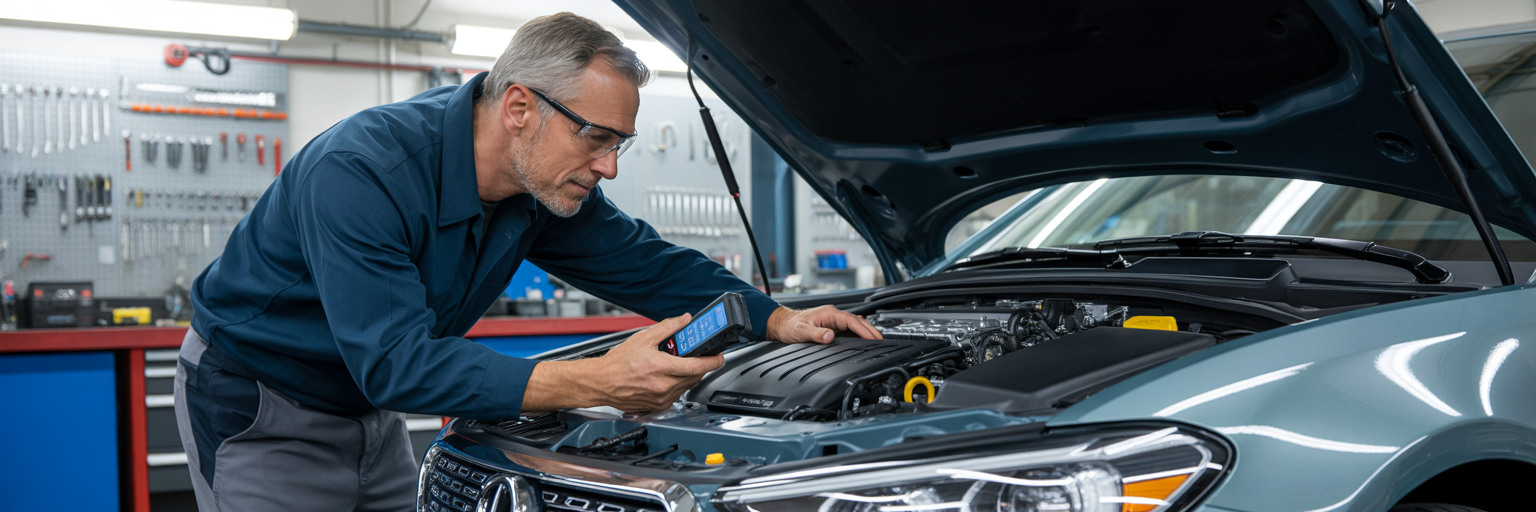
For a 10-year owner, the risk of unexpected repairs is a major financial and emotional concern. This is where brand reputation, built over decades, plays a significant role. Any `Toyota Corolla long term review` will inevitably highlight its stellar track record for durability. Toyota has earned an industry-leading reputation for building cars that run for hundreds of thousands of miles with minimal major issues. This history provides a strong indication of future performance and gives owners peace of mind.
Conversely, the question of `Nissan Sentra reliability 2026` is more complex. While the car itself is generally well-built, the shadow of past CVT issues lingers. Even with the significant improvements to the latest Xtronic transmission, a long-term owner is making a calculated bet that these changes have solved the historical problems for good. From a pure risk-assessment standpoint, the Corolla’s powertrain has a more proven track record for high-mileage durability. Understanding why some high-mileage cars age better than others often comes down to this kind of proven engineering.
In the early years of ownership, factory warranties provide a crucial safety net. Both Nissan and Toyota offer similar bumper-to-bumper and powertrain warranties, typically covering the first three to five years of the car’s life. This coverage protects the owner from significant manufacturing defects. However, for an owner planning to reach 150,000 miles, much of the car’s life will be outside this warranty period, making the vehicle’s inherent reliability the more important factor.
Onboard Tech and Safety Systems
In a modern vehicle, the technology interface is as important as the steering wheel. Both the Sentra SV and Corolla LE come well-equipped with the essential tech and safety features that buyers expect. Each features a central touchscreen infotainment system with standard Apple CarPlay and Android Auto integration, allowing for seamless smartphone connectivity. The user-friendliness of these systems can be subjective; some drivers may prefer the layout of Nissan’s system, while others might find Toyota’s more intuitive. Screen responsiveness in both is generally good for the class.
Where these cars truly shine is in their standard safety equipment. The Sentra comes with Nissan Safety Shield 360, while the Corolla is equipped with Toyota Safety Sense. Both suites include a comprehensive array of active safety features, such as Automatic Emergency Braking with Pedestrian Detection, Lane Departure Warning, and High Beam Assist. On these popular mid-range trims, both also typically include Blind Spot Warning and Rear Cross Traffic Alert, features that are invaluable in daily driving and parking situations.
The real-world implementation of these systems is generally effective in both vehicles, providing helpful alerts without being overly intrusive. Driver visibility is also good in both sedans, with no significant blind spots that would impede safety. Ultimately, both Nissan and Toyota provide an excellent, comparable package of modern technology and safety features, making this category a virtual tie.
The Financial Endgame: Depreciation and Resale Value
Depreciation is the silent, single largest cost of new car ownership. It is the difference between the price you pay when the car is new and the amount you get back when you sell it. For a 10-year ownership plan, this financial factor can have a greater impact on your total cost than fuel or maintenance combined. This is where the Toyota Corolla builds an almost insurmountable lead.
Historical data consistently shows that the Toyota Corolla is a champion of value retention. Its reputation for reliability, durability, and low running costs creates strong demand in the used car market. The Nissan Sentra, while a competent vehicle, simply cannot match the Corolla’s rock-solid resale value. After 10 years and 150,000 miles, the Corolla is projected to be worth significantly more than the Sentra, both as a raw dollar amount and as a percentage of its original price.
This financial reality dramatically alters the `10 year car ownership cost` equation. While the Sentra is cheaper to buy initially, the Corolla owner recoups a much larger portion of their investment at the end of the ownership period. This powerful financial advantage at the back end often erases the Sentra’s upfront price benefit entirely. For buyers looking for a solid vehicle, a high-resale model can be a smart purchase even on the used market, as shown in guides to the best used cars for first-time buyers under $12,000. The Corolla’s ability to hold its value is its financial superpower.
Final Verdict: The Smartest 10-Year Sedan
After a comprehensive analysis of every major ownership factor, a clear picture emerges. The Nissan Sentra and Toyota Corolla are both excellent compact sedans, but they appeal to different priorities. The Sentra offers more style, superior comfort, and a lower initial purchase price. The Corolla counters with legendary reliability, better fuel economy, and phenomenal resale value.
Here is the final scorecard based on our 10-year, 150,000-mile ownership scenario:
- Winner for Initial Price: Nissan Sentra. Its lower MSRP and greater potential for discounts give it a clear upfront cost advantage.
- Winner for Comfort: Nissan Sentra. The “Zero Gravity” seats and quieter, more refined ride make it the more pleasant daily driver.
- Winner for Fuel Cost & Expected Repairs: Toyota Corolla. Its slight edge in fuel economy and bulletproof reputation for reliability point to lower running costs and less risk of major repair bills.
- Winner for Resale Value: Toyota Corolla. This is not a close contest. The Corolla’s ability to retain its value is best-in-class and a massive financial benefit for a long-term owner.
When all the costs are tallied, the final verdict becomes clear. The Toyota Corolla is the overall winner for the lowest estimated 10-year ownership cost. The thousands of dollars it saves an owner through lower depreciation, fuel, and insurance costs more than offset the Sentra’s initial price advantage. For a buyer seeking the `best budget sedan for long term` ownership, the Toyota Corolla remains the smartest financial choice.
| Cost Category | Nissan Sentra SV (Estimate) | Toyota Corolla LE (Estimate) | Winner |
|---|---|---|---|
| Initial Purchase Price | ~$23,500 | ~$24,500 | Nissan Sentra |
| Fuel (150k miles @ $3.50/gal) | ~$16,176 | ~$15,555 | Toyota Corolla |
| Maintenance & Wear Items | ~$6,650 | ~$6,450 | Toyota Corolla |
| Insurance (10 years) | ~$16,000 | ~$15,000 | Toyota Corolla |
| Depreciation (Purchase Price – Resale) | ~$17,500 | ~$14,000 | Toyota Corolla |
| Total 10-Year Cost of Ownership | ~$56,326 | ~$51,005 | Toyota Corolla |
Note: All figures are estimates for illustrative purposes. Purchase price, insurance, and resale value can vary significantly based on location, driving record, and market conditions. This calculation demonstrates how lower depreciation and running costs allow the Corolla to achieve a lower total cost over a decade.
For more in-depth reviews and the latest automotive news, be sure to visit the Car Phanatics homepage.