
An internal combustion engine is a marvel of mechanical precision, where thousands of events must happen in perfect sequence every minute. The component responsible for this critical synchronization is the timing system, which comes in two primary forms.
The Heartbeat of Your Engine: Timing Belt vs Timing Chain
Think of an engine’s timing system as the conductor of a mechanical orchestra. Its sole purpose is to ensure every component performs its role at the exact right moment. This system physically connects the engine’s crankshaft to its camshafts, maintaining a perfect rotational relationship. The crankshaft, driven by the pistons, is the source of the engine’s power. The camshafts, located in the cylinder head, operate the intake and exhaust valves.
For an engine to breathe and produce power, this relationship must be exact. The camshafts must turn at precisely half the speed of the crankshaft. This 2:1 ratio ensures that for every two full rotations of the crankshaft, the camshafts complete exactly one. This allows the valves to open to let the air-fuel mixture in, close for compression and combustion, and then open again to release exhaust gases. This entire discussion of engine design and maintenance ultimately comes down to the question of the timing belt vs timing chain, the two primary technologies used to maintain this critical synchronization.
A timing belt is a toothed belt made from a rubber composite, while a timing chain is a metal chain similar to one on a bicycle, only far more robust. The choice between them is a deliberate engineering decision made by vehicle manufacturers. It involves a complex series of trade-offs between noise levels, manufacturing cost, engine weight, and expected service life. Neither system is universally superior. Instead, each has distinct advantages and disadvantages that make it suitable for different engine designs and performance goals. This article will explore the construction, maintenance needs, and failure modes of each system to help you understand what is ticking inside your engine.
Anatomy of the Timing Belt System
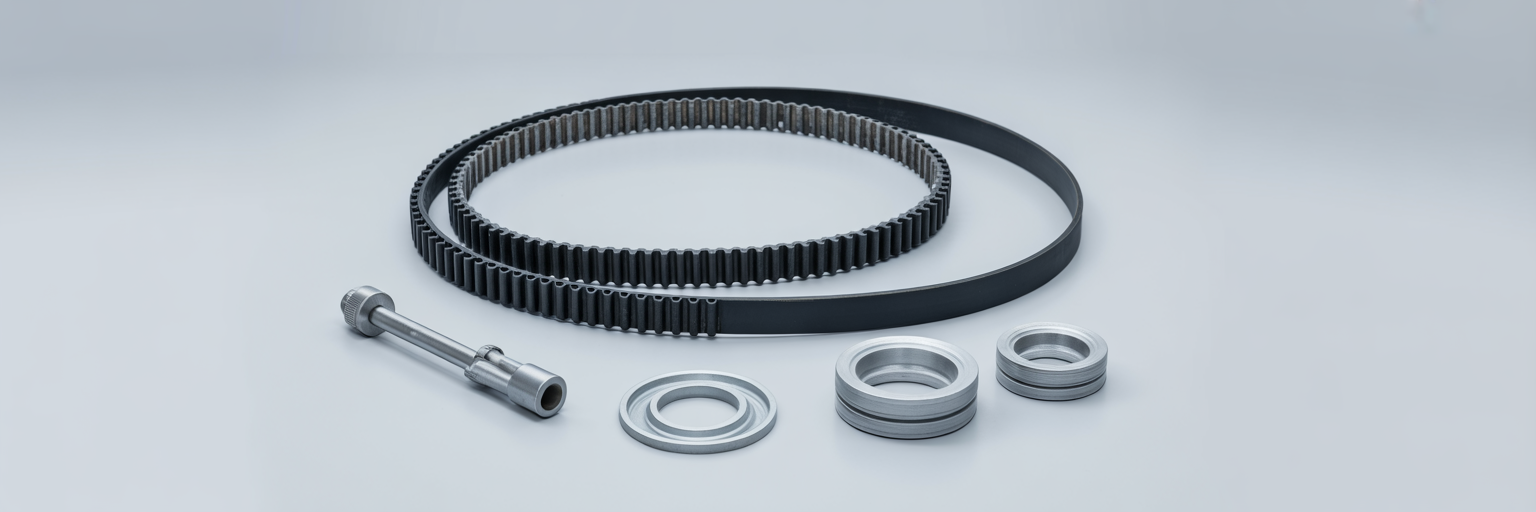
A timing belt system is an external engine component, meaning it operates outside the main lubricated parts of the engine. It is a precision-engineered assembly with several key parts working in unison.
Composition and Layout
A modern timing belt is far more than just a rubber band. It is a high-tech composite component. The body is made from a durable synthetic rubber compound designed to resist heat and oil contamination. Embedded within this rubber are strong tensile cords made from materials like fiberglass or aramid, which prevent the belt from stretching and provide its strength. The inner surface of the belt has teeth that mesh perfectly with sprockets on the crankshaft and camshafts, ensuring no slippage can occur.
Because it is not lubricated by engine oil, the belt operates in a “dry” environment. It is shielded from road debris and moisture by a lightweight plastic or metal cover. The complete system includes the belt itself, a tensioner, and one or more idler pulleys. The tensioner, which can be a spring-loaded mechanical unit or a small hydraulic cylinder, applies constant pressure to the belt to keep it taut. Idler pulleys are smooth or toothed wheels that guide the belt’s path around various engine components.
Advantages of a Belt-Driven System
Automakers often choose timing belts for several compelling reasons. First and foremost is their quiet operation. The rubber composite material absorbs vibrations and runs almost silently, contributing to a smoother and more refined driving experience. Second, timing belts are significantly lighter than chains. This reduction in weight lowers the engine’s rotational mass, which can lead to a marginal improvement in throttle response and fuel efficiency. Finally, the components of a belt system are generally less expensive to manufacture than the hardened steel parts of a chain system, a cost saving that can be passed on to the consumer.
Disadvantages and Maintenance Mandates
The single greatest disadvantage of a timing belt is its finite lifespan. The composite materials, while durable, degrade over time due to constant flexing, engine heat, and simple aging. This degradation happens whether the car is driven or not. Consequently, every belt-driven engine has a mandatory timing belt replacement interval specified by the manufacturer. This is a non-negotiable service based on both mileage and time, such as every 90,000 miles or 7 years, whichever comes first. Ignoring this schedule is a major gamble.
This scheduled replacement often includes more than just the belt. It is standard practice to replace the tensioner and idler pulleys at the same time, as their bearings have a similar service life. Furthermore, if the engine’s water pump is driven by the timing belt, it is almost always replaced during this service. This is a crucial piece of preventative maintenance. The labor to access the timing belt is significant, so replacing the water pump at the same time prevents a situation where you have to pay for the same labor twice if the pump fails a year later. Diligent preventative care is essential for keeping your engine running for years.
Exploring the Timing Chain System
In contrast to the external, dry-running timing belt, the timing chain system is an integral, internal part of the engine, designed with durability as its primary goal.
Construction and Operation
A timing chain is constructed from hardened steel links and is available in two common designs: a roller chain, which looks like a heavy-duty bicycle chain, or a “silent” or inverted-tooth chain, which has a flatter profile for quieter operation. Unlike a belt, a chain operates in a “wet” environment. It is located inside the front of the engine, typically behind a sealed metal timing cover, where it is continuously bathed in and cooled by engine oil from the main lubrication system.
The key components of this system include the metal chain itself, a set of guide rails, and a hydraulic tensioner. The guides, often made of a durable plastic or composite, are fixed to the engine block and cylinder head. They provide a smooth surface for the chain to run along, preventing it from whipping or slapping around as the engine speed changes. The tensioner is a critical component that uses engine oil pressure to power a small piston, which pushes against a guide or the chain itself to maintain constant tension and remove any slack.
The Strengths of a Timing Chain
The primary advantage of a timing chain is its intended longevity. The robust steel construction is designed to withstand the rigors of engine operation for a very long time. Because of this durability, most manufacturers do not specify a routine replacement interval for the timing chain. Under ideal conditions with proper maintenance, a timing chain is engineered to last the intended service life of the engine. This eliminates the predictable, high-cost maintenance event associated with timing belt replacement, which is a major selling point for many buyers.
Weak Points and Potential Downsides
Despite its strength, the timing chain system is not without its trade-offs and potential failure points. Chains are heavier and more expensive to manufacture than belts. They can also produce a slight whirring or humming noise, though modern silent chain designs have minimized this. The most significant misconception about timing chains is that they are infallible. While the chain itself rarely breaks, the supporting components are common points of failure.
The plastic guide rails can become brittle with age and heat cycles, eventually cracking or breaking apart. The hydraulic tensioner is entirely dependent on clean engine oil and consistent oil pressure to function correctly. If the oil is dirty, the wrong viscosity, or the level is low, the tensioner may not be able to maintain proper tension, leading to a loose chain. These vulnerabilities are the system’s Achilles’ heel and underscore the importance of diligent engine maintenance.
Maintenance Schedules and Lifespan Realities
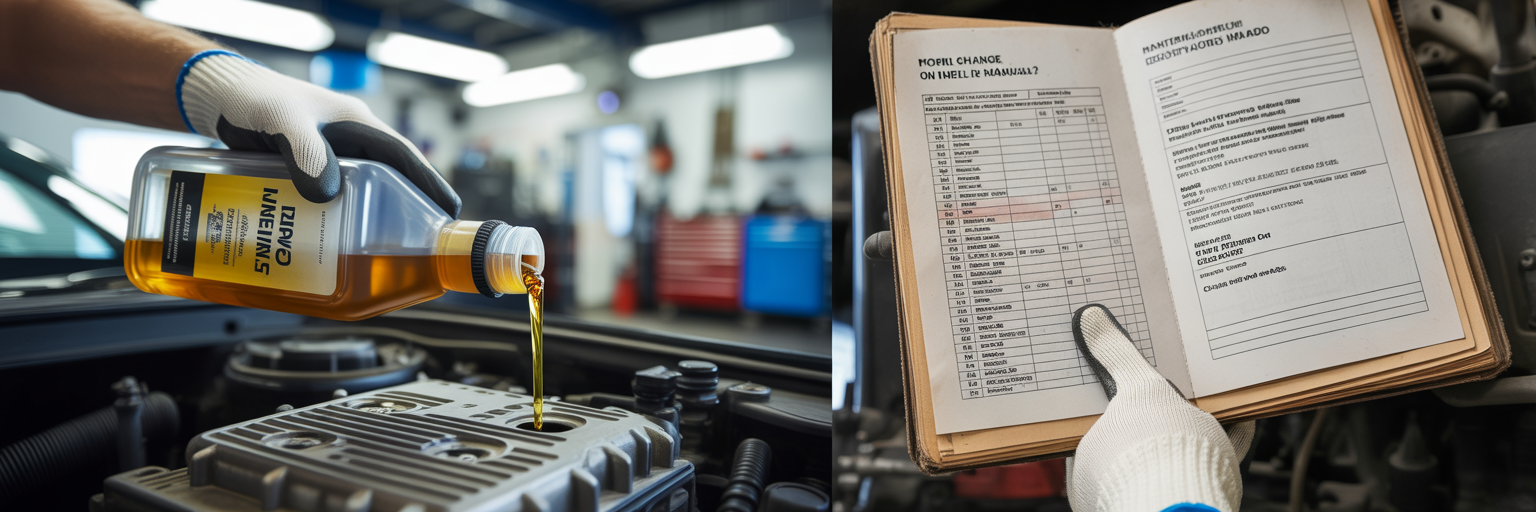
The maintenance philosophies for timing belts and timing chains are fundamentally different. One requires proactive, scheduled replacement, while the other demands consistent, diligent care of the engine’s lubrication system.
For a timing belt, the rules are clear and absolute. The manufacturer provides a strict timing belt replacement interval based on both mileage and time. For example, a typical interval might be 90,000 miles or 7 years, and it is critical to adhere to whichever milestone comes first. The rubber compounds in the belt degrade from exposure to heat and ozone over time, even if the vehicle is parked in a garage and not accumulating miles. This makes the replacement a predictable and unavoidable maintenance expense for long-term owners.
For timing chains, the “lifetime” designation often causes confusion. This does not mean the chain will last forever; it means it is designed to last the expected service life of the engine, assuming ideal operating conditions and perfect maintenance. The primary wear mechanism for a chain is “stretch.” This is not a true stretching of the metal but rather the slow accumulation of wear in the pins and bushings of each link, which causes the chain to become longer and looser over time. A stretched chain can alter the engine’s valve timing, leading to poor performance, reduced fuel economy, and eventually a check engine light.
The health and lifespan of a timing chain system are directly tied to the engine’s oil. The hydraulic tensioner, which is responsible for keeping the chain tight, relies on clean oil at the correct pressure. Low oil levels, extended oil change intervals that lead to dirty oil, or using oil of the wrong viscosity can starve the tensioner and accelerate wear on the chain, guides, and sprockets. Oil sludge, a byproduct of neglected oil changes, can clog the small passages in the tensioner, causing it to fail and leave the chain dangerously slack. This is why consistent oil services are the single most important factor in ensuring a timing chain’s longevity, and it explains why some high-mileage cars age better than others. A timing belt replacement is a predictable cost, but a neglected timing chain can lead to a much larger and less predictable repair bill.
| Attribute | Timing Belt System | Timing Chain System |
|---|---|---|
| Maintenance Philosophy | Preventative, scheduled replacement | Condition-based, dependent on engine health |
| Primary Wear Factor | Material degradation (heat, age, flex) | Friction and stretching (pin/bushing wear) |
| Key Failure Points | The belt itself snapping | Tensioner failure, broken guides, chain stretch |
| Lifespan Determinant | Manufacturer interval (miles or years) | Oil quality, oil level, and operating conditions |
| Typical Warning Signs | Often none; failure is sudden | Cold-start rattle, persistent noise, check engine light |
| Cost of Neglect | Catastrophic engine damage | Catastrophic engine damage |
Warning Signs Before a Failure
One of the most significant differences between the two systems is how they behave as they approach the end of their service life. A failing timing chain often provides audible warnings, while a timing belt typically does not.
For a timing belt, failure is almost always a sudden and silent event. The belt can perform perfectly one moment and snap the next with no prior indication of a problem. While a visual inspection of an old belt might reveal small cracks or fraying along the edges, this is not a reliable method for judging its condition. The belt’s true strength lies in the internal tensile cords, which are not visible. If these cords have been weakened by age and heat, the belt can fail without any external signs of wear. This is why adhering strictly to the replacement interval is paramount; there is no reliable warning sign for an impending belt failure.
Conversely, a failing timing chain system often gives you clues that something is wrong. Being aware of these signs of a bad timing chain can provide a crucial window to get the vehicle serviced before a catastrophic failure occurs. The most common symptoms include:
- A cold-start rattle: This is the classic symptom. A distinct rattling or ticking noise that lasts for a few seconds when the engine is first started and then fades away. This sound is caused by the slack chain slapping against the plastic guides before the hydraulic tensioner has built up enough oil pressure to tighten it.
- Persistent noise: As the wear progresses, the rattle may not go away. A constant buzzing, whirring, or rattling sound coming from the front of the engine while it is running is a clear sign of a problem with the chain, guides, or tensioner.
- Check Engine Light: A stretched timing chain will cause the camshaft and crankshaft positions to drift out of sync. The engine’s computer (ECU) monitors this relationship constantly. If it detects a deviation, it will trigger the Check Engine Light and store diagnostic trouble codes (DTCs), such as P0016 (Crankshaft/Camshaft Position Correlation), indicating a timing issue.
Even with a chain, a sudden failure is still possible. A plastic guide can become brittle and shatter, or a tensioner can fail completely, allowing the chain to jump several teeth on the sprockets instantly. However, in many cases, a chain will provide audible or electronic warnings that should never be ignored.
Interference vs. Non-Interference Engines
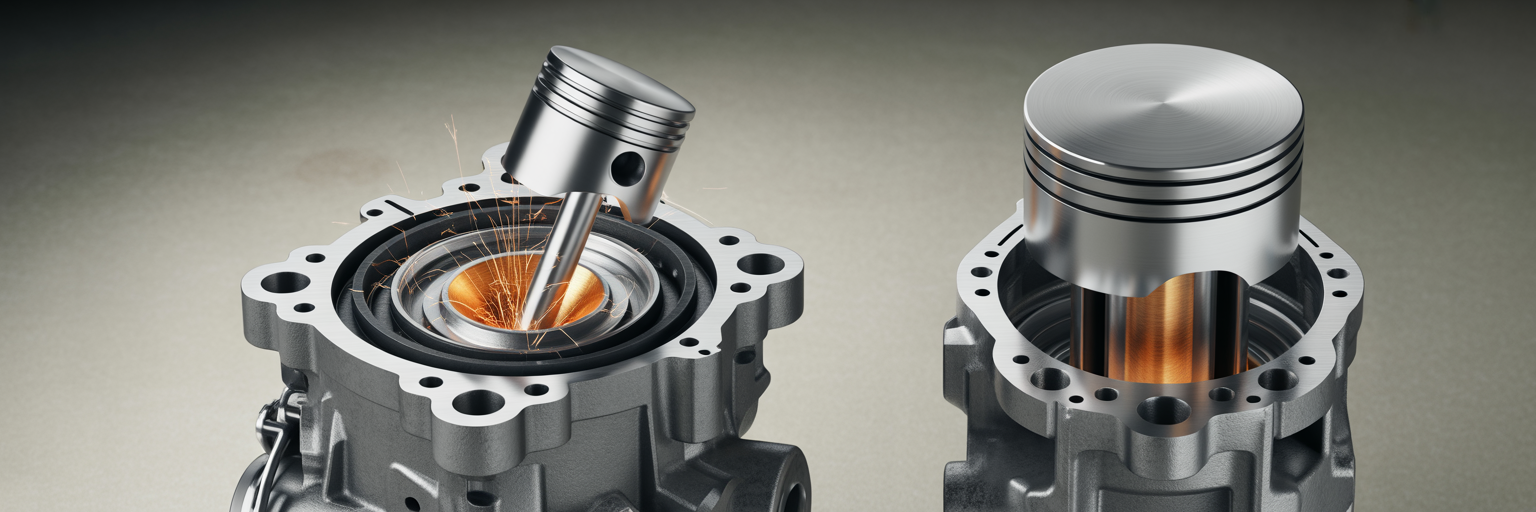
Understanding the consequences of a timing system failure requires knowing the type of engine in your vehicle. Engines are broadly classified into two categories based on their internal architecture: interference and non-interference. The difference between them determines whether a broken timing belt or chain is an inconvenience or a financial catastrophe.
So, what is an interference engine? In an interference design, the path of the valves as they open and close overlaps with the path of the pistons as they travel up and down the cylinder. This is not a design flaw; it is a deliberate choice that allows for higher compression ratios, more efficient combustion, and ultimately more power and better fuel economy. Under normal operation, the timing system ensures the pistons and valves are never in the same place at the same time. The valves open and retract while the piston is safely out of the way.
However, if the timing belt or chain breaks, this synchronization is lost instantly. The camshafts stop turning, leaving some valves stuck in the open position. The crankshaft, driven by the vehicle’s momentum, continues to rotate for a few more moments, forcing the pistons upward. The result is a violent collision between the pistons and the open valves. This impact will, at a minimum, bend the valves and can easily damage the pistons, the cylinder head, or even the engine block. The repair involves a complete teardown of the top end of the engine and often costs thousands of dollars, frequently exceeding the value of the vehicle.
In a non-interference engine, the design provides enough physical clearance that the valves and pistons can never touch, even if the timing system fails completely. If the belt or chain breaks, the engine will lose compression and stall immediately. It will not be able to restart, but there is no internal mechanical damage. The repair is limited to replacing the broken timing components, which is a much less expensive proposition. To meet modern demands for performance and efficiency, the vast majority of engines produced today are interference designs. This reality makes on-time timing system maintenance one of the most critical services for any vehicle owner.
What a Timing System Replacement Involves
The process and cost of replacing a timing belt versus a timing chain are vastly different, primarily due to the location of the components and the labor required to access them.
A typical timing belt replacement is a significant but relatively straightforward job. The mechanic begins by removing accessory drive belts, plastic engine covers, and sometimes a motor mount or the front passenger-side wheel to gain access. It is standard professional practice to replace the timing components as a kit, which includes the new belt, a new tensioner, and all idler pulleys. As mentioned earlier, if the water pump is driven by the belt, it is strongly recommended to replace it at the same time. The same goes for the front engine seals, like the crankshaft and camshaft seals. Since labor is the largest portion of the bill, replacing these inexpensive “while you’re in there” parts prevents costly redundant work down the road.
A timing chain replacement is a far more complex and labor-intensive operation. Because the chain is internal, the mechanic must drain the oil and coolant and disassemble a significant portion of the front of the engine. This typically involves removing the valve cover(s), the oil pan, and the main front engine timing cover. Once inside, a complete service involves replacing not just the chain, but all the plastic guides, all the tensioners (some V-engines have multiple), and often the sprockets on the crankshaft and camshafts if they show any signs of wear. The job is completed by meticulously cleaning all the mating surfaces and installing new gaskets and seals before reassembly.
This difference in labor directly impacts the final bill. While a timing belt job is a notable maintenance expense, the timing chain replacement cost is almost always significantly higher. The parts may be more expensive, but the dramatic increase in labor hours is the primary driver of the cost difference. This financial reality provides a powerful incentive to be disciplined with oil changes on a chain-driven engine to maximize the life of its original timing components.
Advice for the Used Car Buyer

When evaluating a pre-owned vehicle, the type of timing system is less important than the quality of its maintenance history. A well-maintained car with a timing belt is a much safer bet than a neglected car with a timing chain. Here are some actionable steps to take when shopping.
- Prioritize Service History: Documentation is everything. A car with a timing chain but no oil change records is a massive red flag. Conversely, a high-mileage vehicle with a timing belt but clear, dated receipts showing on-time replacement is a much lower risk. Always ask for the service history and review it carefully.
- For Timing Belt Engines: This is where a used car timing belt check is crucial. Ask the seller for a receipt detailing when the timing belt, tensioner, and water pump were last replaced. Note both the date and the mileage. If there is no proof of service and the vehicle is near or past its recommended interval, you must assume it has not been done. Get a quote for the full job and use that cost as a powerful negotiating tool, or be prepared to have the service done immediately after purchase.
- For Timing Chain Engines: Your ears are your best tool. Insist on starting the engine from cold during your test drive. Turn off the radio and climate control, and listen intently for the first few seconds after the engine fires up. If you hear a distinct rattle, clatter, or ticking sound from the front of the engine, that is a major warning sign of a worn timing chain system. Be prepared to walk away or get a firm repair quote to negotiate the price down accordingly.
- Research the Specific Engine: Do not assume you know what timing system a car has based on the model alone. Many manufacturers use different engines in the same model. For example, a specific year of the Honda Accord could have a 4-cylinder engine with a timing chain or an optional V6 with a timing belt. Use the owner’s manual or reliable online enthusiast forums to confirm the exact engine configuration for the vehicle you are considering. This knowledge is essential when evaluating a potential purchase like one of the best used cars for first-time buyers.
The final takeaway is simple: do not fear a timing belt, and do not blindly trust a timing chain. A belt with a documented service history is a reliable and predictable component. A chain in a neglected engine is a financial time bomb waiting to go off. For any used car buyer, diligence and documentation are your most valuable tools.