
Every off-road enthusiast knows the feeling. You have a rig built for capability, with the power to conquer any obstacle, but that capability comes with a constant companion: the fuel gauge dropping faster than you would like. This isn’t a problem to be solved by sacrificing performance. Instead, think of it as an optimization challenge. It is about adopting an efficiency mindset that extends your adventures rather than limiting them.
This approach to overlanding fuel efficiency is not about compromise. It is about being strategic with your resources so you can spend more time on the trail and less money at the pump. A few smart adjustments can mean an extra day exploring a remote track or having the budget for that next trip sooner than planned. It turns fuel savings directly into more adventure.
We will explore this mindset through four key areas. First, we will look at strategic vehicle preparation and how what you carry impacts your range. Then, we will refine driving techniques for the trail, where smoothness translates directly to savings. After that, we will cover diligent maintenance that keeps your vehicle running at its peak. Finally, we will discuss intelligent planning and modifications that make a real difference before you even turn the key.
Strategic Weight Reduction for Maximum Range
Before you even think about engine tuning or fancy gadgets, the most effective change you can make starts with what you pack. The physics are simple: the more weight your engine has to move, the more fuel it burns. It is a direct relationship that many people underestimate. According to industry findings highlighted by Grid Offroad, removing just 100 pounds of weight can improve fuel efficiency by around 1%. On a long trip, that adds up quickly.
Conducting a ‘Gear Audit’
We all have that one piece of gear we bring “just in case” on every single trip, even though it has not left its bag in years. It is time for a gear audit. Lay everything out and categorize it honestly. This is not about leaving essentials behind but about being intentional with every item you load into your vehicle.
- Essential Gear: This is non-negotiable. Think recovery tools, a well-stocked first aid kit, and primary communication devices.
- Trip-Specific Gear: This category changes with the environment. It includes cold-weather clothing for a mountain run or extra water for a desert crossing. It should not be permanent cargo.
- Luxury Items: This is where the biggest savings are found. Do you really need those heavy cast iron pans, or could a lighter set do the job? Are there lighter camp chairs or a more compact cooking setup?
A great example is water storage. Heavy steel jerry cans are durable, but they are also incredibly heavy even when empty. Switching to high-quality collapsible water bladders can save significant weight and space when they are not full.
The Impact of Permanent Modifications
This weight-conscious mindset also applies to permanent modifications. A heavy steel bumper and a full-length steel roof rack look tough, but they add hundreds of pounds. Consider lighter aluminum alternatives or modular systems that allow you to only attach what you need for a specific trip. This thinking applies to all sorts of trucks and SUVs, where the temptation to add heavy-duty gear can quickly diminish fuel range.
Refined Driving Techniques for the Trail
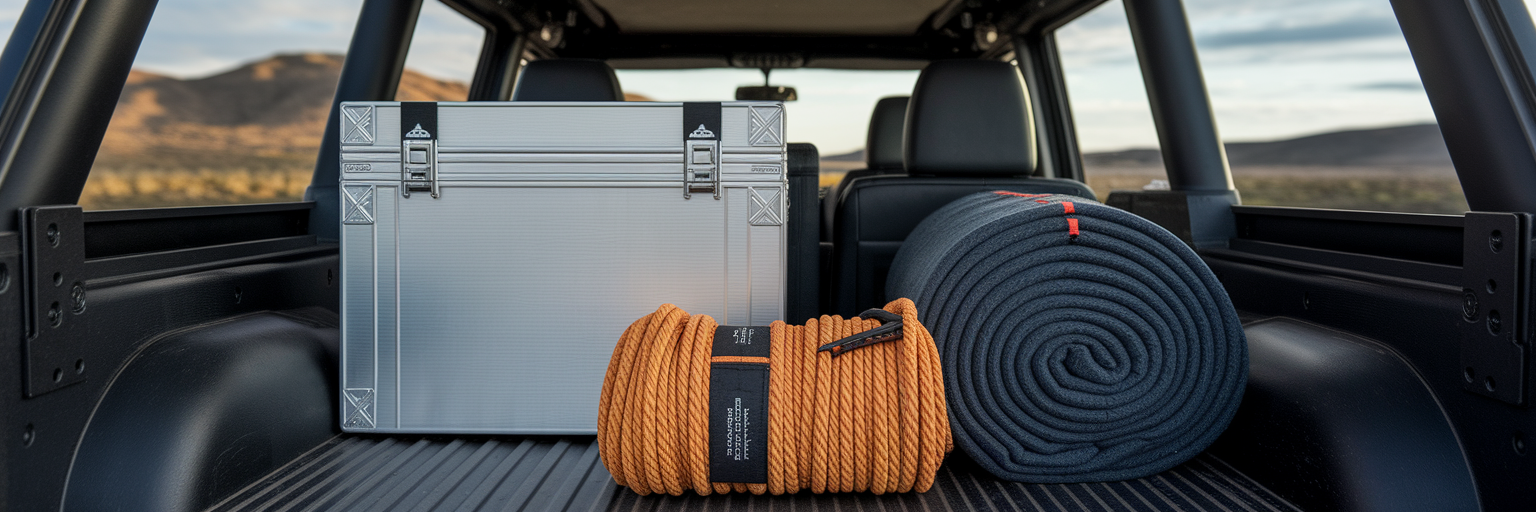
Once your vehicle is packed efficiently, the next layer of savings comes from the person behind the wheel. Your driving habits have a massive impact on fuel consumption, especially on varied terrain. The core idea is simple: smooth is efficient. Every abrupt acceleration or hard brake wastes energy that you could have used to cover more ground. This is one of the most effective fuel saving tips for 4×4 drivers.
The ‘Smooth is Efficient’ Principle
This starts with looking far ahead on the trail. Instead of reacting to obstacles as they appear, anticipate them. Choose a line that offers the path of least resistance, avoiding unnecessary climbs or deep ruts that force you to power through. Gentle and steady throttle inputs maintain momentum without demanding sudden bursts of power from the engine. Think of your right foot as controlling a slow-moving valve, not an on and off switch.
Strategic Drivetrain Use
Many drivers engage 4WD as soon as they hit the dirt and leave it on until they are back on pavement. This is a major fuel waster. Your 4WD system adds significant mechanical drag, forcing the engine to work harder. On graded dirt roads or any smooth surface where traction is not an issue, switch back to 2WD. Save four-wheel drive for when you genuinely need the extra grip on technical sections, loose climbs, or muddy patches. Modern vehicles, like many in the Jeep lineup, have sophisticated systems that make this easier, but the principle remains the same: use only what you need.
Mastering Momentum
Momentum is your best friend on the trail. Instead of stopping at the bottom of a hill and relying on pure power to get up, approach with a small amount of controlled speed. Let the vehicle’s momentum do some of the work for you. On descents, use engine braking to control your speed instead of constantly riding the brakes. This not only saves fuel but also reduces wear on your brake pads. By combining these techniques, you can move through terrain gracefully and efficiently.
Essential Maintenance for Peak Fuel Efficiency
A well-maintained vehicle is an efficient vehicle. Neglecting basic upkeep forces your engine and drivetrain to work harder, burning extra fuel to achieve the same performance. These off-road vehicle maintenance tips are not chores but investments in your vehicle’s longevity and your adventure budget. Think of it like an athlete keeping their body in peak condition for a competition.
The Critical Role of Tire Pressure
Your tires are the single most important maintenance item for fuel efficiency. While airing down provides a larger footprint and better traction off-road, that same low pressure creates massive rolling resistance on pavement. Driving home on underinflated tires is like trying to run in soft sand. It kills your fuel economy. Always air up to the recommended on-road pressure before you hit the highway. A quality portable air compressor is one of the best investments an off-roader can make.
Optimizing Engine Airflow and Combustion
Your engine needs to breathe. A clogged air filter from a dusty trail forces the engine to struggle for air, much like trying to breathe through a cloth. This makes it run rich and waste fuel. After every dusty trip, inspect your air filter and clean or replace it as needed. Similarly, clean engine oil provides proper lubrication, reducing internal friction. Dirty, broken-down oil increases the engine’s workload. If you notice a persistent issue, like an unusual sound that might indicate a deeper problem, it is best to diagnose it early. A resource like our guide on why your car might be squeaking can help you pinpoint issues before they hurt performance.
Auxiliary System Management
Even small systems add up. Your air conditioning compressor puts a direct load on the engine. On hot days, using the recirculation mode is more efficient than constantly cooling hot air from outside. Before any big trip, a quick check of all your systems is a smart move.
- Check and adjust tire pressure for the road.
- Inspect the air filter, especially after dusty trips.
- Check engine oil level and condition.
- Ensure all fluids are topped up.
Smart Modifications and Route Planning
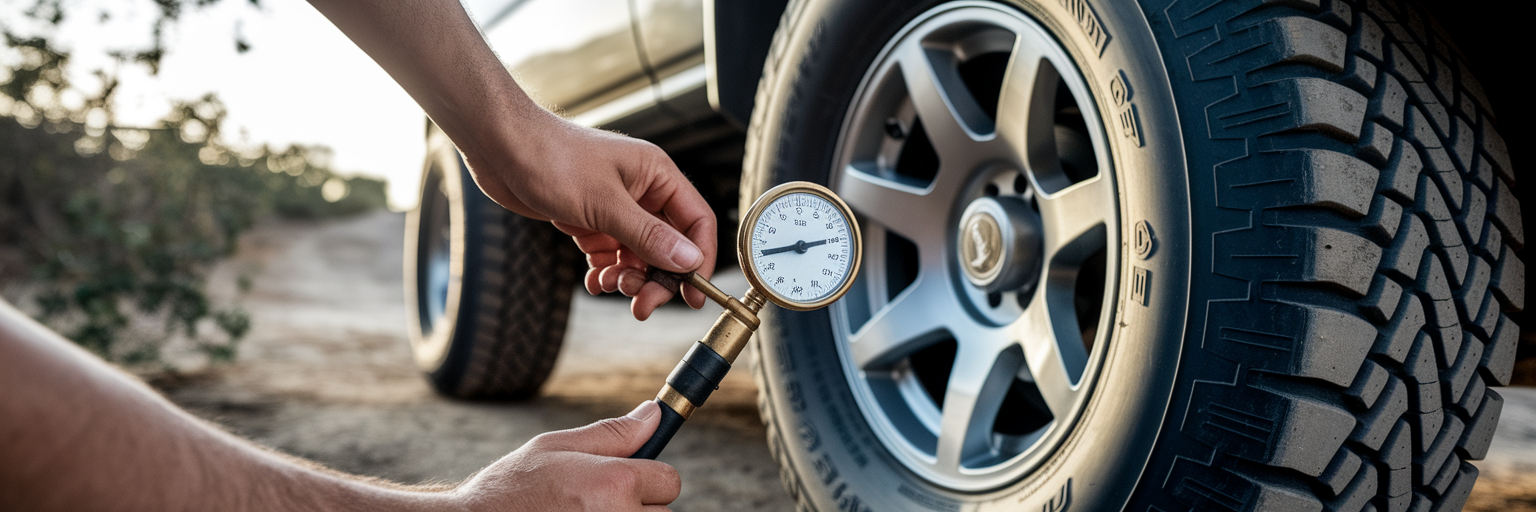
The choices you make before your tires even touch the dirt play a huge role in your overall fuel consumption. This includes both the permanent modifications you install on your rig and the routes you choose for your journey. Thinking strategically about these elements is key to learning how to improve off-road fuel economy.
First, consider aerodynamics. At highway speeds, which make up a large portion of any trip to the trail, drag is a major enemy of efficiency. Large, flat-faced roof-top tents, bulky light bars, and open-basket roof racks act like parachutes, forcing your engine to burn more fuel just to maintain speed. When possible, choose aerodynamic crossbars and remove accessories when they are not needed for a specific trip. As research from Natural Resources Canada shows, aggressive driving can increase fuel use, and poor aerodynamics have a similar effect at speed.
Tire selection is another critical decision with a direct impact on your fuel gauge. While aggressive Mud-Terrain tires look the part and excel in specific conditions, their high rolling resistance and heavy weight are detrimental to on-road fuel economy.
| Factor | Mud-Terrain (M/T) Tires | All-Terrain (A/T) Tires |
|---|---|---|
| On-Road Fuel Economy | Poor | Good to Excellent |
| Off-Road Traction (Mud/Rocks) | Excellent | Good |
| Off-Road Traction (Dirt/Gravel) | Good | Excellent |
| Road Noise | High | Low to Moderate |
| Tread Life | Shorter | Longer |
This table illustrates the performance trade-offs between M/T and A/T tires. The choice depends on the driver’s typical use case; A/T tires offer a superior balance for enthusiasts who spend significant time on paved roads.
Finally, intelligent route planning can save a surprising amount of fuel. Modern GPS apps can help you find routes that avoid steep, prolonged climbs or heavy city traffic. The drive to and from the trail is part of the adventure, and optimizing it contributes to your overall efficiency. Even modern vehicles designed with efficiency in mind, like the 2025 Ford F-150, benefit from smart planning.
Integrating Efficiency into Every Adventure
Adopting a fuel-smart mindset is not about limiting your fun. It is the opposite. It is a strategy to empower bigger, longer, and more frequent adventures. By lightening your load, refining your driving habits, performing diligent maintenance, and planning intelligently, you maximize your experience per gallon. This is the most effective way to increase gas mileage off-road without compromising the capability you built your rig for in the first place.
You do not have to implement everything at once. On your next trip, pick just one or two strategies to focus on. Conduct that gear audit you have been putting off, or be mindful of your tire pressures before heading home. You will see the benefits firsthand, both on the trail and at the pump. For more insights into getting the most from your vehicle, explore everything we have to offer at Carphanatics.com.