
The Unsung Hero of American Roads
Take a look at any American highway, and you will see a sea of sameness. SUVs and crossovers dominate the landscape, accounting for nearly 80% of new vehicle sales in the United States. This overwhelming preference suggests a consensus, but it often feels more like conformity. In this parade of high-riding utility vehicles, the station wagon has been unfairly pushed to the sidelines, dismissed as a relic from a bygone era. But this perception is woefully outdated.
When you hear “station wagon,” your mind might conjure the wood-paneled family truckster from a classic 80s comedy, complete with a dog in the back and luggage strapped to the roof. It’s a powerful cultural image, but it has almost nothing to do with the modern wagon. Today’s wagons are sleek, athletic, and engineered for people who actually enjoy driving. They represent a thoughtful choice over the default, a decision based on substance rather than trend.
The core question is, why buy a wagon when an SUV seems to do it all? The answer is that a wagon does almost everything an SUV can, but often does it better, with more style, greater efficiency, and a far more engaging driving experience. It’s the thinking driver’s utility vehicle. This isn’t about nostalgia; it’s about re-evaluating what a family car can and should be. It’s time to look past the outdated stereotypes and see the wagon for what it is: the unsung hero of American roads.
The Driving Dynamics SUVs Cannot Match
The fundamental difference between station wagons and SUVs comes down to physics. While automakers have done an admirable job taming the truck-like tendencies of SUVs, they cannot defy the laws of nature. A wagon, built on a car platform, holds an inherent advantage in how it feels and responds on the road, making it not just more fun but also safer.
The Unbeatable Physics of a Lower Center of Gravity
Think about the difference between running in a low-profile athletic shoe versus a thick platform boot. The shoe gives you stability, connection to the ground, and the confidence to change direction quickly. The boot makes you feel disconnected and clumsy. A wagon is the athletic shoe. Its lower center of gravity keeps it planted and stable, dramatically reducing the top-heavy body roll that plagues even the sportiest SUVs. On a winding country road or during a sudden emergency lane change, that stability translates directly into driver confidence and control.
Steering Feel: The Connection Between Driver and Road
Driving should be a conversation between you and the road, but many SUVs muffle that dialogue. Their steering often feels vague and over-assisted, isolating you from what the front tires are doing. A wagon, sharing its DNA with a sedan, typically offers more direct and communicative steering. You feel more connected, more in command. This isn’t just a perk for enthusiasts; it’s a fundamental aspect of control that makes navigating tight parking garages or slick roads a less stressful experience.
Why Superior Handling is a Form of Active Safety
Modern cars are packed with electronic safety nets like stability control and automatic emergency braking. These are fantastic technologies, but the best safety feature is the ability to avoid an accident in the first place. A vehicle’s inherent agility is a critical, and often overlooked, form of active safety. A wagon’s superior handling allows a driver to react more quickly and precisely to unforeseen hazards, like a deer in the road or a swerving car. As a report from Yahoo Autos noted, modern wagons are effectively “beating SUVs at their own game” by offering this dynamic competence alongside practicality.
Smarter Efficiency for the Modern Driver
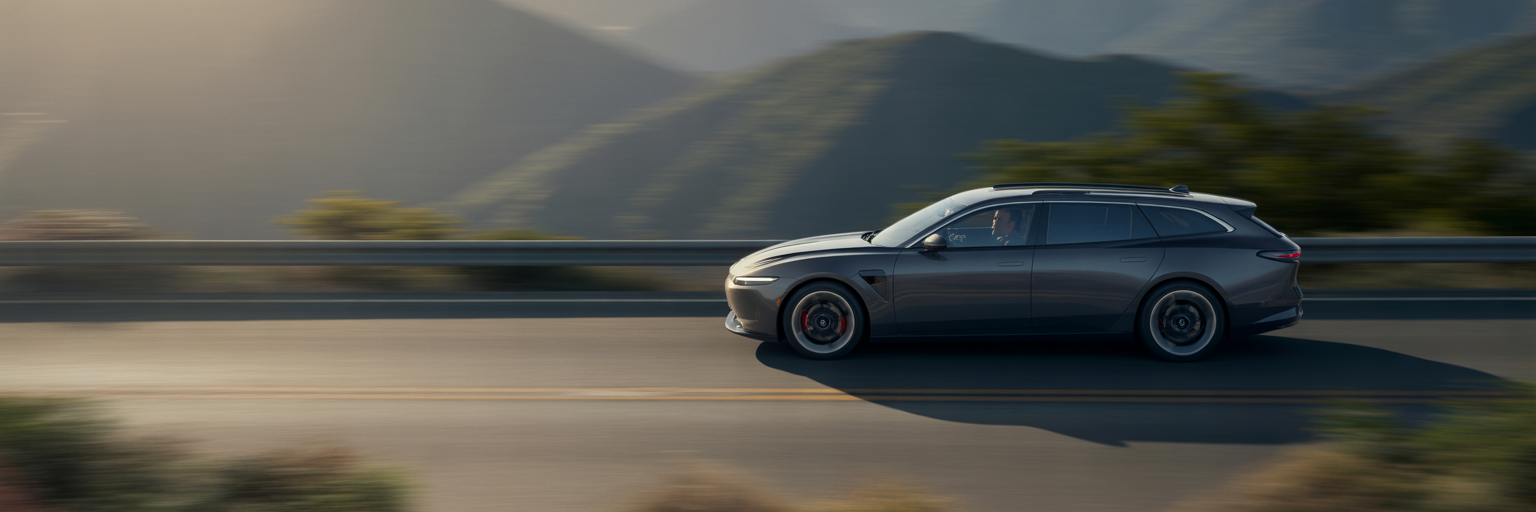
Beyond the superior driving feel, the case for the wagon is strengthened by its practical efficiency. In an era of fluctuating fuel prices and growing environmental awareness, the wagon presents a more intelligent solution for daily transportation. Its design advantages are not just theoretical; they translate into real savings at the pump and a smaller carbon footprint over the life of the vehicle.
The most obvious advantage is aerodynamics. A wagon’s long, low roofline cuts through the air with far less resistance than the tall, boxy profile of an SUV. Imagine trying to push a large cardboard box against the wind versus a sleek surfboard. The difference in effort is immense. At highway speeds, where wind resistance is a major factor in fuel consumption, this aerodynamic superiority gives wagons a distinct edge. This is complemented by their lower weight. Typically lighter than a comparable SUV, a wagon’s engine doesn’t have to work as hard to get it moving or keep it at speed, improving mileage in both city and highway driving.
These efficiencies contribute to a lower cost of ownership, making the wagon a financially savvy choice. For buyers who value longevity, it’s worth noting that many of the principles that make a wagon efficient also contribute to why some high-mileage cars age better than others. The efficiency advantages are clear:
- Superior Aerodynamics: Less wind resistance means the engine works less at highway speeds.
- Reduced Weight: Lighter construction leads to better city and highway MPG.
- Advanced Powertrains: Access to the same efficient turbocharged and hybrid engines found in sedans.
Crucially, this efficiency doesn’t come at the expense of performance. Modern wagons often feature the same spirited powertrains as their sedan siblings, offering a blend of power and prudence that most SUVs struggle to match.
Practical Cargo Space Without the Bulk
The primary reason most people give for buying an SUV is space. But this is where one of the biggest misconceptions lies. While an SUV’s spec sheet might boast a large number for cubic feet, that figure often fails to tell the whole story of real-world usability. A wagon’s cargo area is often smarter, more accessible, and more practical for everyday life.
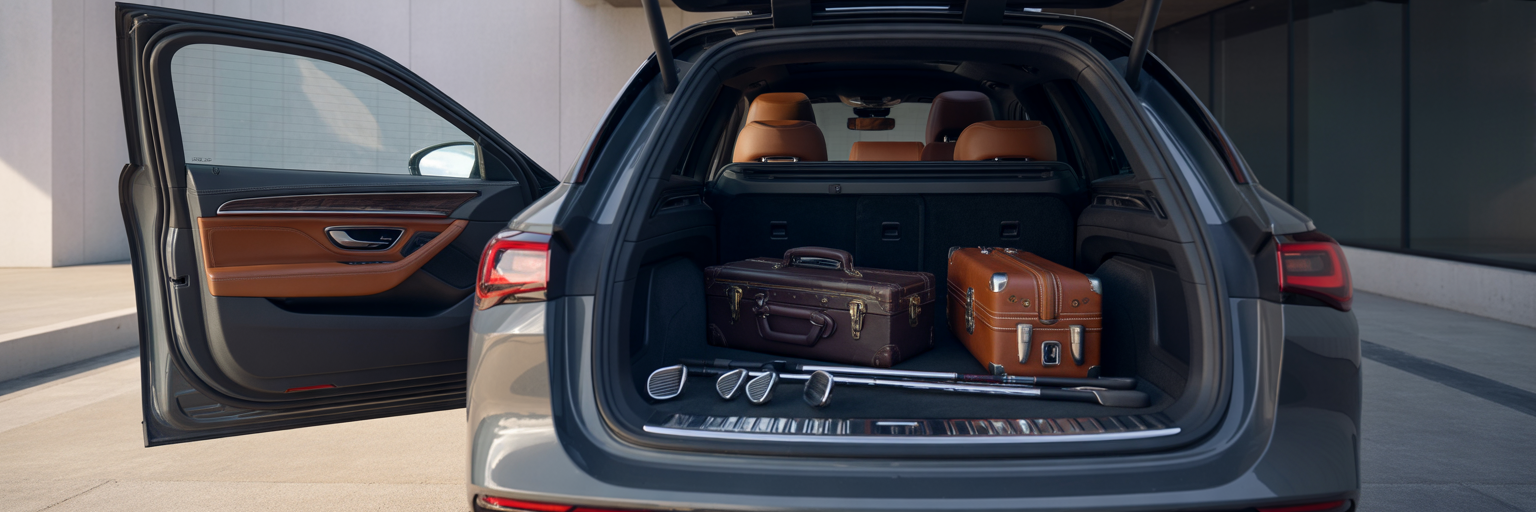
The first major advantage is the low load floor. We’ve all been there, awkwardly hoisting a heavy suitcase, a week’s worth of groceries, or a squirming dog into the high cargo bay of an SUV. A wagon’s lower, car-like height makes loading and unloading significantly easier on your back. The second advantage is the shape of the space. An SUV’s cargo area is often tall and short, forcing you to stack items precariously, which can block rear visibility. A wagon’s space is typically longer and more uniform. When packing for one of those great family road trips, this length is invaluable for accommodating items like skis, golf clubs, or a folded stroller without playing a game of vertical Tetris.
The excellent Volvo V60 cargo space is a perfect example of this intelligent design. It’s not just about volume; it’s about a well-proportioned area that adapts to your needs. The difference becomes clear when you compare it directly to a crossover.
| Metric | Modern Wagon (e.g., Volvo V60) | Comparable Crossover SUV (e.g., BMW X3) | The Practical Difference |
|---|---|---|---|
| Load Floor Height | ~25 inches | ~29 inches | Easier to load heavy items; less strain on your back. |
| Cargo Area Length (Seats Up) | ~43 inches | ~38 inches | Better for long items like skis, golf bags, or flat-pack furniture. |
| Cargo Shape | Long and rectangular | Taller and shorter | Wagon space is more consistently usable; SUV space is often vertical and less practical. |
| Accessibility | Car-like height | Requires stepping up | Simpler for pets, children, and everyday errands. |
This table illustrates a simple truth: a wagon’s utility is designed around human convenience, not just abstract measurements.
A More Refined and Accessible Ride
The benefits of a wagon’s car-based platform extend beyond handling and into the realm of everyday comfort and accessibility. While the previous section focused on the active experience of driving, this is about the passive enjoyment for everyone on board. The simple convenience of a car-like ride height cannot be overstated.
Think of an elderly parent trying to get into a tall SUV; it can be a genuine struggle without a grab handle or running board. Or picture buckling a toddler into a car seat, where the lower height of a wagon means less straining and reaching. These small, daily interactions make a significant difference in quality of life. The ride quality itself is another area where wagons excel. Because they are not engineered to have off-road pretense, their suspensions can be tuned for on-road comfort. They absorb bumps and pavement imperfections with a composure that many stiffer, truck-ish SUVs can’t match, resulting in a quieter and more premium-feeling journey.
This lower profile also provides a psychological benefit. For drivers intimidated by the thought of piloting a large vehicle through the narrow streets of Boston or a crowded Chicago parking garage, a wagon feels more manageable and less imposing. It offers a commanding view of the road without the unnerving height. Finally, the superior aerodynamics we discussed for efficiency also pay dividends in refinement. Less wind turbulence means less noise penetrating the cabin, creating a serene environment where conversations can be held without shouting. It’s this combination of accessibility and composure that makes a wagon a truly refined family vehicle.
The Evolution from Family Hauler to Style Icon
Let’s address the elephant in the room: the ghost of Clark Griswold’s Wagon Queen Family Truckster. For decades, the wagon has been saddled with a frumpy, utilitarian image. But it’s time to discard that outdated stereotype. The modern wagon has undergone a remarkable transformation, evolving from a humble family hauler into a genuine style icon.
Today’s designers use the wagon’s form to create vehicles with long, elegant rooflines, muscular fender flares, and athletic stances that exude sophistication. In Europe, the most stylish wagons are often referred to as “shooting brakes,” a term with a heritage rooted in bespoke vehicles for aristocratic sportsmen. This association speaks to a blend of performance, luxury, and practicality that is inherently cool. In a market saturated with lookalike crossovers, choosing a wagon is a deliberate statement. It signals an appreciation for thoughtful design and driving pleasure over blindly following the crowd.
You can see this in the clean, Scandinavian minimalism of a Volvo V90, with its signature “Thor’s Hammer” headlights and gracefully tapering silhouette. You can also see it in the rugged elegance of an Audi allroad, which blends wagon proportions with just enough off-road attitude to look adventurous without sacrificing its dynamic poise. These are not just practical cars; they are beautiful objects. For those who appreciate the engineering and aesthetics of high-quality German cars, the wagon often represents the purest expression of a brand’s design language.
The Ultimate Sleeper: High-Performance Wagons

If you need definitive proof of the wagon platform’s inherent superiority, look no further than the thrilling niche of the “super wagon.” These are cars that offer the practicality of a family hauler with the heart-stopping performance of a supercar. They are the ultimate sleepers, capable of embarrassing sports cars while carrying a full load of groceries.
The undisputed king of this segment is the Audi RS 6 Avant. It is the ultimate expression of the wagon’s potential. A proper Audi RS6 Avant review reads like a fantasy wish list for any car enthusiast. It combines mind-bending speed with everyday usability in a way no other vehicle type can. While high-performance SUVs are certainly fast in a straight line, they are always fighting their own height and weight in the corners. They feel like they are bludgeoning physics into submission. A performance wagon, by contrast, works with physics. It feels agile, natural, and connected.
The capabilities of the RS 6 Avant are simply staggering:
- Power: Over 600 horsepower from a twin-turbo V8 engine.
- Acceleration: 0-60 mph in under 3.5 seconds, faster than many dedicated sports cars.
- Handling: Advanced all-wheel drive and adaptive air suspension deliver track-day poise.
- Practicality: Over 30 cubic feet of cargo space for luggage, gear, or the family dog.
Of course, very few people will ever own an Audi RS 6 Avant. But its existence is critical. It serves as a halo car for the entire category, validating the dynamic potential that is baked into the DNA of every wagon. It proves that when you start with a better platform, the performance ceiling is virtually limitless.
Modern Wagons Redefining the Category
While super wagons like the RS 6 are aspirational, the modern wagon market offers a diverse range of excellent and attainable choices for American families. From rugged adventurers to luxurious cruisers, today’s wagons prove that you don’t have to settle for a generic crossover to get the utility you need. The market for the best family wagons America has to offer is stronger and more varied than many people realize.
The Adventurer’s Mainstay: Subaru Outback
The Subaru Outback is arguably the most successful wagon in America, and for good reason. It cleverly blends wagon utility with crossover appeal. The Subaru Outback advantages are clear: standard Symmetrical All-Wheel Drive, generous ground clearance, and a rugged persona that resonates with buyers who have active lifestyles. It’s the perfect vehicle for a weekend camping trip but remains comfortable and efficient enough for the daily commute.
The Sanctuary of Safety and Luxury: Volvo V60 & V90 Cross Country
Volvo has long been synonymous with wagons and safety, but its modern offerings add a heavy dose of Scandinavian luxury and style. The V60 and V90 Cross Country models are direct competitors to premium SUVs. They offer world-class safety features, beautifully crafted interiors that feel like a Swedish sanctuary, and all-weather capability thanks to available all-wheel drive and increased ride height. They are for the family that wants utility without sacrificing an ounce of refinement.
The Tech-Forward All-Rounder: Audi A4 & A6 allroad
The Audi A4 and A6 allroad models occupy a perfect middle ground. They combine Audi’s renowned interior craftsmanship, cutting-edge technology, and sophisticated driving dynamics with just enough rugged styling and ground clearance to handle a dirt road or a snowy driveway. They appeal to the SUV-curious buyer who isn’t willing to accept the dynamic compromises of a taller vehicle, offering a near-perfect balance of style, capability, and driving pleasure.
It’s Time to Reconsider the American Driveway
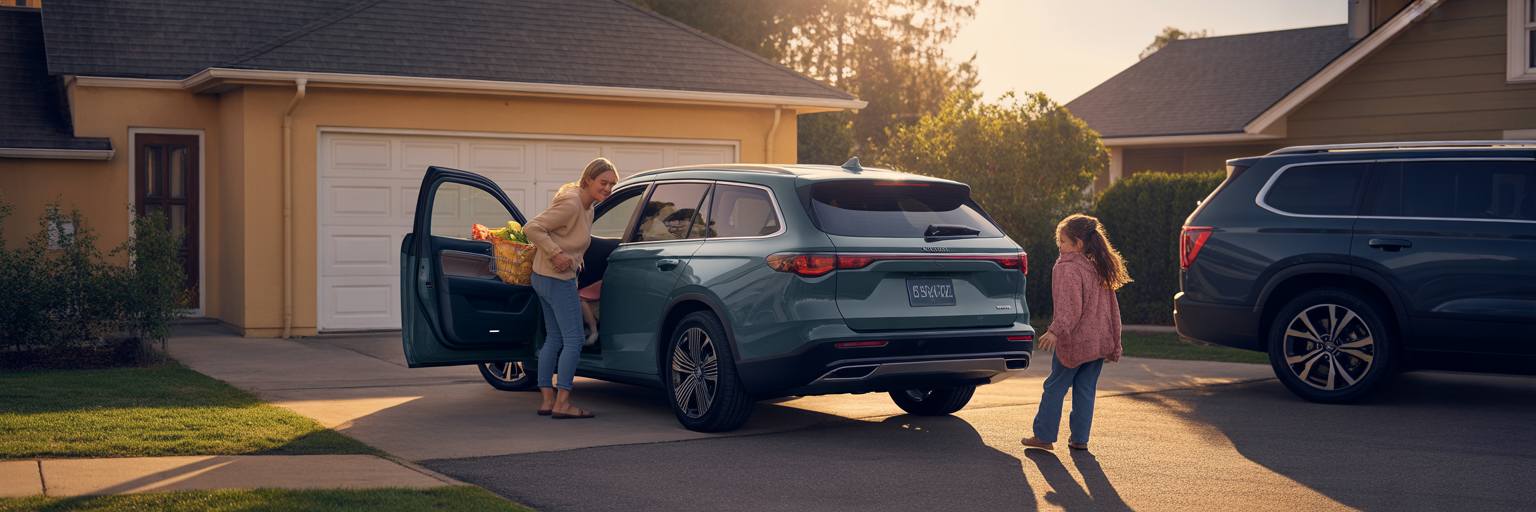
The evidence is clear. The modern station wagon delivers a more engaging drive, superior efficiency, smarter practicality, and far more distinctive style than its ubiquitous SUV counterparts. The choice to drive a wagon is not a compromise; it is the intelligent, discerning option for those who think critically about what they need from a vehicle versus what trends tell them they should want.
In a world of endless automotive content, finding clear and honest information can be a challenge, as some sources are not always what they appear to be. This makes it even more important to trust your own judgment and experience. So, before you sign the papers on another anonymous crossover that looks just like your neighbor’s, do yourself a favor. Go test drive a modern wagon. Feel the difference in the corners. Notice the ease of loading your gear. Appreciate the quiet, composed ride on the highway.
The station wagon is not a relic of the past. It is a smarter, more enjoyable, and more stylish vision for the future of the American family car. It’s time it got the respect it deserves. To continue your research and explore more about what makes a great vehicle, you can find more insights on our homepage at CarPhanatics.com.