
The moment a new luxury car drives off the lot, its value begins a steep decline. This financial reality for the first owner creates a remarkable opportunity for the second. A vehicle that was once $60,000 can, just a few years later, become accessible to a much wider audience. The challenge is finding one that still delivers the premium experience without the premium repair bills. This guide is about identifying those gems.
Defining the Feel of Affordable Luxury in 2026
What makes a car feel expensive is not just the badge on the hood. It is a collection of intentional engineering and design choices that create a distinct sense of quality and comfort. While a used car under $20,000 will not have the giant touchscreens or the latest driver aids of a 2026 model, it can absolutely deliver on the foundational pillars of luxury. It is about understanding what those pillars are and where to find them.
Ride Quality: The Foundation of Comfort
The single biggest difference between a premium car and an economy car is how it handles the road. It comes down to suspension design. A standard car might use a simple torsion beam rear suspension, which is cost effective but tends to transmit bumps and imperfections directly into the cabin. You feel every pothole. In contrast, a true luxury sedan uses a more complex multi link suspension. This design allows each wheel to react independently, so the car feels like it glides over road imperfections rather than crashing through them. This sophisticated engineering is the bedrock of a comfortable ride, and it is something that does not wear out like a flashy infotainment system.
A Quiet Cabin: Your Sanctuary on Wheels
Think about the last time you were in a truly quiet car. The world outside fades away, conversations are easier, and you arrive at your destination feeling less tired. This is not an accident. Luxury automakers invest heavily in reducing Noise, Vibration, and Harshness (NVH). They use materials like acoustic laminated glass on the windows, which has a special layer to block wind and traffic noise. Doors are often fitted with triple seals to create an airtight closure, and sound deadening materials are strategically placed throughout the chassis and firewall. This creates a serene environment that turns a stressful commute into a moment of calm. It is a core part of the luxury experience that lasts the entire life of the vehicle.
Materials and Craftsmanship: The Tactile Difference
The final piece of the puzzle is what you can see and touch. In an economy car, you will find hard plastics and unconvincing fake wood. In a well built luxury car, the materials are genuine. The cool touch of real aluminum trim, the soft feel of high grade leather, and the solid, satisfying thunk of a closing door are all deliberate choices. The way a switch clicks with damped precision is a sign of quality that you interact with every day. This thoughtful use of materials creates an environment that feels special and enduring. As highlighted in an article on Modal, the principles that guide how natural materials shape enduring Kiwi homes are similar to how genuine wood and leather create a timeless, premium feel in a vehicle. This tactile quality is what separates truly affordable premium sedans from standard cars with a few extra options.
Key Factors for a Smart Luxury Purchase
That feeling of serene comfort and quality craftsmanship is what draws us to luxury cars. But to make a smart purchase, especially on a budget, you must balance that desire with a healthy dose of pragmatism. The goal is to find a car that delights you on the road and does not disappoint you in the repair shop. This requires shifting your focus from the purchase price to the total cost of ownership.
Prioritizing Reliability Above All Else
A low sticker price is seductive, but it is meaningless if the car spends more time with a mechanic than on the road. The true measure of affordability is what you spend over years of ownership. This is where certain brands have built their reputation. For anyone seeking reliable used luxury cars, the search should almost always begin with Lexus and Acura. These brands were founded on the principle of delivering premium experiences with Japanese dependability. While not the only options, they represent the lowest risk and provide a solid benchmark against which all other contenders should be measured.
The Non-Negotiable Service History
A well maintained car is a reliable car. A thick folder of receipts is one of the best signs that a previous owner cared for the vehicle properly. When reviewing service records, you are looking for more than just proof of oil changes. You need to see a consistent history of preventative maintenance.
- Regular oil changes at the manufacturer’s specified intervals.
- Transmission fluid services, especially on cars with over 60,000 miles.
- Timely replacement of wear items like brakes, tires, and belts.
- Documentation for any major repairs, showing they were addressed by a competent shop.
This documented history is often the key differentiator, and as we’ve explored in our insights, it helps explain why some high mileage cars age better than others. A car with 100,000 miles and a perfect service history is a far better bet than one with 60,000 miles and a history of neglect.
Understanding Depreciation to Your Advantage
Luxury cars depreciate fastest in their first few years. While the first owner takes the biggest financial hit, this curve eventually flattens out. The sweet spot for a used buyer is finding a car that has already undergone its steepest depreciation but has not yet started to require major age related repairs. Typically, this is between four and eight years old. Buying a car in this window means you can often own it for several years and sell it for a relatively small loss, making the cost of ownership surprisingly low.
Researching Model-Specific Issues
No car is perfect. Every model has its own set of common quirks and potential failure points. Your job as a smart buyer is to know what they are before you even look at a car. Spend time on model specific online forums like ClubLexus, Acurazine, or Bimmerforums. These communities are invaluable resources where owners discuss common problems, repair costs, and preventative measures. Learning that a certain model has a known water pump issue or a tricky sensor allows you to ask targeted questions and inspect the car with an expert eye. This proactive research is the single best strategy for avoiding used car money pits.
Top 4 Picks for Reliability and Refinement
After establishing what makes a luxury car feel premium and how to shop smartly, it is time for specific recommendations. The following models represent the best combination of comfort, quality, and long term dependability in the sub $20,000 price range for 2026. They are the smart choices that deliver a genuine luxury experience with a lower risk of financial headaches. As data from respected consumer resources like U.S. News consistently shows, models from Lexus and Acura lead the pack for long term dependability, reinforcing their status as smart buys.
1. Lexus ES 350 (2013-2018): The Benchmark for Comfort
The Lexus ES 350 is the undisputed king of quiet comfort and low stress ownership. It is not a sports sedan, and it does not try to be. Instead, it focuses entirely on isolating its occupants from the outside world. The ride is exceptionally smooth, the cabin is library quiet, and the build quality is impeccable. Its 3.5 liter V6 engine is famously reliable and provides effortless acceleration. Inside, you will find high quality materials and a level of fit and finish that cars costing twice as much often fail to match. This is the quintessential choice for a buyer who values serenity and peace of mind above all else.
What to Look For: This is a core part of any Lexus ES 350 used review. These cars are incredibly robust, but you should ensure the transmission shifts smoothly and without hesitation. Check that all the interior electronics, especially the central infotainment screen, function correctly. A well documented service history is a must, as with any luxury vehicle.
2. Acura TLX (2015-2017): Modern Tech and Dependability
For buyers who want a slightly more modern feel and engaging driving dynamics without sacrificing reliability, the Acura TLX is an excellent choice. It offers a compelling blend of features, performance, and value. Base models come with a fuel efficient four cylinder engine, while the optional V6 provides strong performance and can be paired with Acura’s excellent Super Handling All Wheel Drive (SH-AWD) system, a major advantage for those in snowy climates. The interior is well appointed, and even older models feel relatively current thanks to features like the dual screen infotainment system.
What to Look For: In any Acura TLX used buying guide, the focus is on the technology. Thoroughly test the dual screen infotainment system for any lag or glitches. If looking at a V6 model, pay attention to the 9 speed automatic transmission to ensure it shifts smoothly, as early versions could be hesitant. As with the Lexus, a complete service history is crucial.
3. Lexus GS 350 (2013-2015): The Driver’s Choice
What if you want Lexus reliability but crave a more athletic driving experience? The Lexus GS 350 is the answer. Unlike the front wheel drive ES, the GS is built on a rear wheel drive platform, giving it the balanced handling and engaging dynamics enthusiasts appreciate. It shares the same bulletproof 3.5 liter V6 as the ES but in a package that is more responsive and fun to drive. The interior quality is a step above the ES, with even finer materials and a sportier design. It is the perfect car for someone who wants a comfortable daily driver that can also put a smile on their face on a winding road.
What to Look For: Listen carefully for any clunks or noises from the suspension during the test drive, especially over bumps. The F Sport models have an adaptive suspension that can be expensive to repair, so ensure it functions correctly. Check for even tire wear, which can indicate alignment issues on a performance oriented car.
4. Infiniti Q50 (2014-2016 with 3.7L V6): Power and Style
The Infiniti Q50 with the venerable 3.7 liter V6 engine offers a compelling mix of power, style, and reliability. This engine, known as the VQ37VHR, is a legend in its own right for its robust nature and thrilling power delivery. The Q50’s design is more aggressive and stylish than its Lexus counterparts, appealing to a buyer who wants to stand out. It is important to specifically target the 2014-2016 models with this naturally aspirated V6, as later models switched to turbocharged engines that have not proven to be as durable. For the price, it is hard to find a more powerful and stylish sedan.
What to Look For: The key is to ensure you are getting the 3.7L V6. Beyond that, thoroughly test all the electronics, as the dual screen setup can be prone to issues. The Direct Adaptive Steering system was a controversial option; many drivers prefer the standard steering setup, so be sure to test drive both if possible.
| Model | Best Years for Budget | Primary Strength | Engine to Target | Ideal Buyer |
|---|---|---|---|---|
| Lexus ES 350 | 2013-2018 | Supreme Comfort & Quietness | 3.5L V6 (2GR-FE) | The buyer who prioritizes a serene, isolated ride and ultimate reliability. |
| Acura TLX | 2015-2017 | Modern Features & Value | 2.4L I4 or 3.5L V6 | The buyer wanting a newer feel, advanced tech, and available AWD. |
| Lexus GS 350 | 2013-2015 | Driving Dynamics & Quality | 3.5L V6 (2GR-FSE) | The enthusiast who wants a sporty RWD experience with Lexus dependability. |
| Infiniti Q50 | 2014-2016 | Power & Style | 3.7L V6 (VQ37VHR) | The buyer who values strong acceleration and bold design. |
While this guide focuses on sedans, buyers prioritizing reliability and a premium feel might also be interested in other vehicle types. For those needing more space, exploring the best used luxury SUVs that won’t destroy you on repairs can be a logical next step.
European Contenders: Balancing Prestige and Practicality
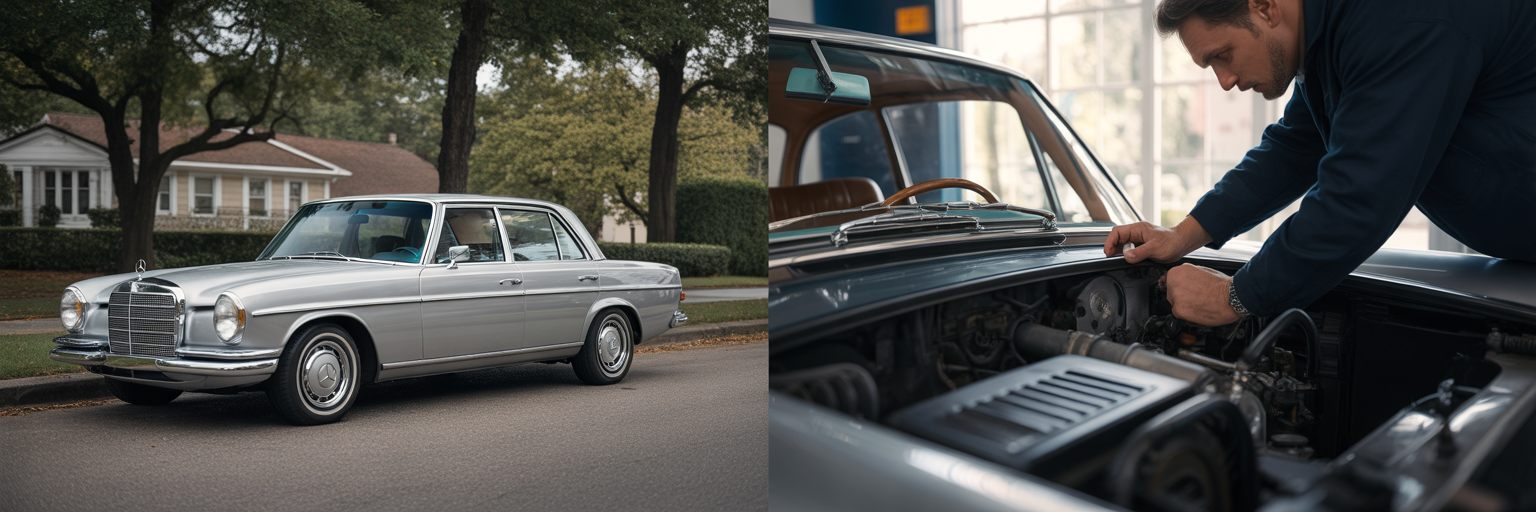
It is impossible to talk about luxury sedans without mentioning the German brands. The allure of a Mercedes Benz or BMW is powerful, often rooted in their superior driving dynamics, brand prestige, and iconic design. While they generally carry a higher risk of expensive repairs than their Japanese counterparts, choosing the right model and year can lead to a rewarding ownership experience. The key is to go in with your eyes open, understanding that these cars demand more from an owner in terms of diligence and financial preparedness.
Mercedes-Benz E-Class (W212, 2012-2014): Timeless Elegance
The W212 generation E-Class, particularly the pre facelift models, is renowned for its “bank vault” build quality. It feels incredibly solid and substantial on the road. The ride is supremely comfortable, and the classic, stately design has aged gracefully. For our budget, the E350 with its naturally aspirated V6 engine is the one to target. It offers a good balance of power and reliability. However, this is a complex car. You must be wary of models equipped with the Airmatic air suspension, as repairs can be costly. A meticulous service history is not just recommended; it is mandatory.
BMW 3 Series (F30, 2013-2015): The Ultimate Driving Machine
For those who prioritize handling and driver engagement above all else, the BMW 3 Series is the long standing benchmark. The F30 generation offers a beautifully balanced chassis, precise steering, and a driver focused cockpit that makes every journey feel like an event. It is a car that connects you to the road in a way few others can. This performance comes with a significant caveat. Both the N20 four cylinder and N55 six cylinder engines have well documented issues with timing chain guides and cooling system components. Buying one requires finding a car with proof that these potential problems have been addressed preventatively.
The Essential ‘Maintenance Budget’
If you are seriously considering a European model, you must adopt a different financial mindset. Do not drain your savings on the purchase price. Instead, you should proactively establish a dedicated maintenance fund. We strongly advise setting aside $1,500 to $2,000 per year specifically for maintenance and potential repairs. This is not a sign of a bad car; it is the reality of owning a complex piece of German engineering. This strategy transforms the vague fear of a surprise repair bill into a manageable, predictable part of your budget, allowing you to enjoy the car without financial anxiety. For buyers specifically drawn to this category, a specialized look at the best used German cars that are actually worth owning can provide more model specific details.
Red Flags: Models and Conditions to Avoid
Just as important as knowing which cars to look for is knowing which ones to run from. The used luxury market is filled with tempting “bargains” that are actually financial traps waiting to spring. A successful purchase is often defined by the bad deals you walk away from. This list is your shield against making a costly mistake.
- Avoid Top-Tier Complexity: That ten year old BMW 7 Series or Mercedes Benz S-Class for under $20,000 might seem like the deal of a lifetime. It is not. These flagship models were packed with cutting edge technology for their time, like active body control and early twin turbo V8 engines. When these complex systems fail, repair costs can easily exceed the value of the car. These are the ultimate money pits.
- Steer Clear of Models with Known Systemic Flaws: Some cars just have bad reputations for a reason. Be wary of early 2010s Audi models with the 2.0T engine known for excessive oil consumption, or older Jaguar and Land Rover products notorious for persistent and baffling electrical problems. A quick search online will reveal the models that are frequent subjects of frustration in owner forums, a key step in avoiding used car money pits.
- Recognize the Signs of a Neglected Car: You do not need to be a mechanic to spot the signs of a car that has been treated poorly. Look for mismatched paint panels that suggest a cheap accident repair, heavily curb rashed wheels, worn out interior buttons, and any illuminated warning lights on the dashboard. These are universal signs of an owner who cut corners on maintenance, and you can be sure there are other, more expensive problems hiding beneath the surface.
- The Danger of Branded Titles: A “salvage” or “rebuilt” title means the car was declared a total loss by an insurance company at some point. While the price is tempting, these cars almost always have hidden structural, electrical, or flood damage issues that make them unreliable and potentially unsafe. The luxury experience is completely negated when you are constantly worried about what might fail next.
Remember this mantra: the cheapest luxury car is often the most expensive one to own. It is far wiser to buy a pristine, well maintained Lexus ES than a bargain basement S-Class. For buyers who find the potential risks daunting, it may be wise to consider options from a list of the best used cars for first time buyers under $12,000, which prioritize simplicity and affordability.
Your Pre-Purchase Inspection Checklist

You have done your research, narrowed down your choices, and found a promising candidate. This final phase is all about verification. This checklist will guide you through the essential steps to ensure the car is as good in reality as it appears on paper. Do not skip any of these steps.
- The Paperwork Audit: Before you even see the car, ask the seller for the Vehicle Identification Number (VIN). Use it to run a CarFax or AutoCheck report to check for accident history, title issues, or open recalls. When you see the car, make sure the service records the seller provides align with the history report.
- The Cold Start Test: Always arrange to see the car when the engine is completely cold. A warm engine can hide a multitude of problems. When it starts, listen for any extended rattling sounds, which could indicate timing chain issues. Watch the exhaust for any blue or white smoke, and listen for any ticking or knocking sounds from the engine bay.
- The Electronics Check: On a modern luxury car, a failed electronic module can cost thousands to fix. Be methodical and test every single button, switch, and screen. This includes all power seats, windows, mirrors, the sunroof, the entire infotainment system, navigation, and every function of the climate control. Do not feel rushed; take your time.
- The Test Drive Protocol: A proper test drive should cover a variety of conditions. Include some low speed city driving to check the transmission’s smoothness. Get on the highway to listen for wind noise and check for stability at speed. Find a bumpy or poorly maintained road to listen for any clunks or rattles from the suspension.
- The Professional Inspection (PPI): This is the single most important step. Never, ever buy a used luxury car without a pre purchase inspection from a qualified, independent mechanic who specializes in the brand. The $200 to $300 cost is not an expense; it is the best investment you can make. A PPI can uncover hidden problems that you would never find on your own and can give you the ultimate peace of mind or the clear signal to walk away. This step is what separates a smart buyer from a future horror story and is crucial for finding one of the best used luxury sedans under $20k. A great PPI is the first step, and once you’ve made a smart purchase, understanding how to keep your car’s engine running for years will ensure your investment remains sound.