
The Humble Giant’s First Steps (1976-1989)
In the mid-1970s, the American automotive landscape was a sea of vinyl roofs and V8 engines. Cars were large, thirsty, and built with a philosophy that prioritized size over substance. Then, in the wake of a global fuel crisis, a small Japanese hatchback arrived that quietly challenged everything. The 1976 Honda Accord was more than just a response to high gas prices; it was a statement of intent, proving that a practical car could also be a joy to drive. This foundational DNA would define the Honda Accord history for decades to come.
A Practical Revolution with a Fun Streak
The first Accord was a revelation in thoughtful design. It was a compact three-door hatchback that offered surprising interior space, a standard AM/FM radio, a tachometer, and even a rear window wiper with a defroster. These were features often reserved for more expensive cars, yet here they were in an affordable, fuel-sipping package. Owners quickly discovered that the Accord wasn’t just a sensible appliance. It felt light on its feet, with responsive steering that made navigating city streets or winding roads genuinely enjoyable. It was the kind of car that made you feel smarter for choosing it, blending everyday usability with a spark of driver engagement that was missing from its domestic competitors.
The CVCC Engine: An Emissions Game-Changer
Under the hood of that first Accord was an engineering marvel: the Compound Vortex Controlled Combustion (CVCC) engine. At a time when other automakers were struggling to meet America’s strict new emissions standards, most resorted to power-robbing catalytic converters. Honda took a different path. The CVCC engine used a clever dual-combustion chamber design to burn fuel so cleanly that it met the regulations without needing a converter. This wasn’t just a technical achievement; it was a declaration of Honda’s engineering independence. It allowed the Accord’s 1.6-liter engine to remain peppy and efficient, preserving the fun-to-drive character that was becoming its signature.
Building an American Legacy in Marysville
Honda’s commitment to the American market went beyond just selling cars. The company made a monumental decision to build them here, too. This move was significant, as Honda News notes that by 1982, the Accord became the first Japanese car built on American soil in Marysville, Ohio. This fundamentally changed the automotive landscape. The Accord was no longer just an import; it was an American-made car, built by American workers. This decision forged a deep connection with buyers and cemented the Accord’s place in the fabric of the nation’s auto industry. This commitment to engineering and community is a core part of the brand’s legacy, which you can explore further as we share insights on our main page.
The First Hints of a Sophisticated Chassis
As the Accord evolved through its second and third generations, Honda’s engineers continued to refine its chassis. The cars remained lightweight and agile, but a major advancement arrived with the third-generation model in 1986. It introduced a sophisticated double-wishbone front suspension, a design typically found on sports cars and racing machines. This was an unprecedented feature for a mainstream family car. It provided superior control over the tire’s contact with the road, resulting in sharper handling and a more composed ride. This early focus on advanced suspension technology was the first clear sign that Honda envisioned the Accord as something more than just basic transportation. It was laying the groundwork for an era of engineering excellence.
An Engineering Golden Era (1990-2002)
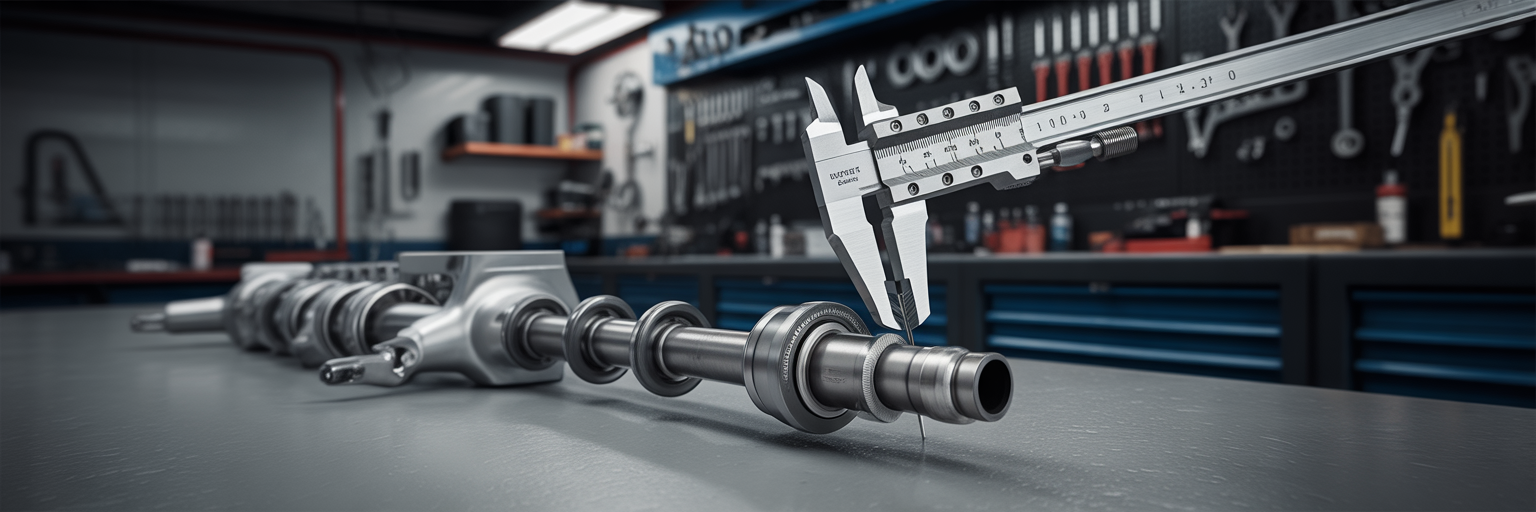
Leaving the foundational years behind, the 1990s saw Honda’s engineers operating at the peak of their powers. This era, spanning the fourth to sixth generations, was less about revolution and more about relentless perfection. The focus shifted squarely to refining the Accord’s mechanical soul, creating a driving experience that punched far above its price point. For many enthusiasts, this period represents the definitive answer to which is the best Honda Accord generation, a time when engineering purity was the top priority.
The Double-Wishbone Suspension Advantage
The fourth-generation Accord, launched in 1990, made a bold statement by equipping every model with a four-wheel double-wishbone suspension. This was not just an incremental upgrade; it was a philosophical choice. Think of it like the difference between an athlete running in casual sneakers versus professional track spikes. A simpler MacPherson strut suspension, common in other sedans, can lose some grip as the body leans in a corner. The double-wishbone design, however, acts like an athlete’s stable stance, keeping the tire’s contact patch planted firmly on the pavement for maximum grip and feedback. This sophisticated setup gave the Accord a level of handling precision and road-holding confidence that was simply unmatched in its class. The car felt eager and communicative, turning every corner into a quiet reward for the driver.
VTEC Kicks In: Performance Meets Efficiency
In 1994, Honda introduced a technology that would become legendary: VTEC (Variable Valve Timing and Lift Electronic Control). To the average driver, it was seamless. But to an enthusiast, it gave the Accord a thrilling dual personality. VTEC is best understood as having two different camshaft profiles in one engine. At low RPMs, the engine uses a mild profile, optimizing airflow for smooth operation and excellent fuel economy. It’s the sensible, everyday commuter. But push the engine past about 5,000 RPM, and a hydraulic pin engages a more aggressive, high-lift cam profile. Suddenly, the engine’s character changes completely. The intake and exhaust valves open wider and for longer, allowing the engine to breathe deeper and produce a surge of power all the way to its redline. This was the magic of VTEC: it delivered efficiency when you wanted it and performance when you demanded it.
The Arrival of the V6: A New Performance Benchmark
As the Accord grew in size and ambition, Honda recognized the need for more power to compete with domestic and European rivals. In 1995, the Accord was offered with a V6 engine for the first time. This was a strategic move that elevated the model into a new performance category. The initial 2.7-liter V6 was smooth and capable, but it was the sixth-generation model that truly solidified the Honda Accord V6 performance credentials. The available 3.0-liter V6 produced a healthy 200 horsepower, transforming the Accord from a capable sedan into a legitimate sleeper. Paired with the refined chassis, the V6 Accord offered effortless acceleration and confident passing power, all while wrapped in a discreet, family-friendly package. It was the perfect blend of responsibility and fun, a formula Honda would continue to perfect.
| Characteristic | Double-Wishbone Suspension | MacPherson Strut Suspension |
|---|---|---|
| Tire Contact Patch | Maintains optimal contact during cornering and bumps | Camber angle changes more under compression, reducing grip |
| Handling Precision | Superior control over wheel geometry for better feedback | Simpler design can lead to less precise steering feel |
| Ride Comfort | Better isolation of vertical impacts from lateral forces | Impact forces can be transmitted more directly into the chassis |
| Packaging & Cost | More complex and takes up more space; higher cost | Compact, lightweight, and less expensive to manufacture |
A Shift Toward Comfort and Scale (2003-2012)
As the new millennium began, the market’s tastes were changing. The American family sedan segment was becoming fiercely competitive, with buyers demanding more space, more features, and more comfort. Honda responded with the seventh and eighth-generation Accords, cars that grew significantly in size and ambition. This strategic pivot was a commercial success, but for some long-time enthusiasts, it felt like a departure from the lightweight, agile formula they had come to love. It was a period of compromise, but one that produced its own hidden gem.
Growing Up: The Move to Mid-Size
The 2003 Accord marked a clear turning point. It was officially classified as a mid-size sedan, a move designed to compete head-on with rivals like the Toyota Camry and Ford Taurus. The car was wider, taller, and offered a substantially roomier interior. This was exactly what the heart of the market wanted. Families appreciated the extra legroom and trunk space, and the Accord’s sales soared. From a business perspective, it was the right call. Yet, this growth came with added weight, and the car’s once nimble feel was replaced by a more substantial, planted presence on the road. It felt less like a sporty sedan and more like a mature, comfortable cruiser.
The Suspension Controversy: Losing the Double-Wishbone
The most debated change of this era happened underneath the car. After decades of championing the double-wishbone suspension, Honda switched to a more conventional MacPherson strut design for the front of the eighth-generation Accord in 2008. For purists, this was heresy. The sharp, communicative steering feel that defined the previous generations was softened. There’s no denying that some of the handling purity was lost. However, this decision wasn’t made in a vacuum. The MacPherson strut design is more compact, which freed up valuable interior space, and it was less expensive to produce. It was a pragmatic trade-off: sacrificing some degree of ultimate handling for the comfort, space, and value that mainstream buyers prioritized.
The Enthusiast’s Choice: The V6 6-Speed Coupe
While the sedan was growing softer, Honda kept the enthusiast flame alive with one specific model: the Accord Coupe V6 with a 6-speed manual transmission. This car was the era’s saving grace. It combined the most powerful engine with the most engaging gearbox in a stiffer, more stylish two-door body. It was the one configuration that felt like a direct descendant of the golden era Accords. With a potent V6 and the satisfaction of rowing your own gears, the coupe was a true sleeper. It could surprise many so-called sports cars while flying completely under the radar. For drivers who valued engagement above all else, this coupe is often cited as the best Honda Accord generation from a modern performance standpoint.
Refining the J-Series V6 Engine
Throughout this period, the Honda Accord V6 performance continued to improve. The J-series V6 engine evolved, with power climbing to nearly 270 horsepower in the eighth generation. This engine was a powerhouse, known for its silky-smooth power delivery and a satisfying growl under acceleration. To improve fuel economy, Honda introduced Variable Cylinder Management (VCM), a system that could shut down two or three cylinders during cruising. While VCM did help at the pump, it also introduced a layer of complexity. Over time, some owners reported issues related to the system, such as oil consumption or vibration. It’s a reminder that even with a brand known for reliability, understanding the maintenance needs of specific technologies is important, a topic we often cover in our DIY section.
The Modern Accord Reimagined (2013-2022)
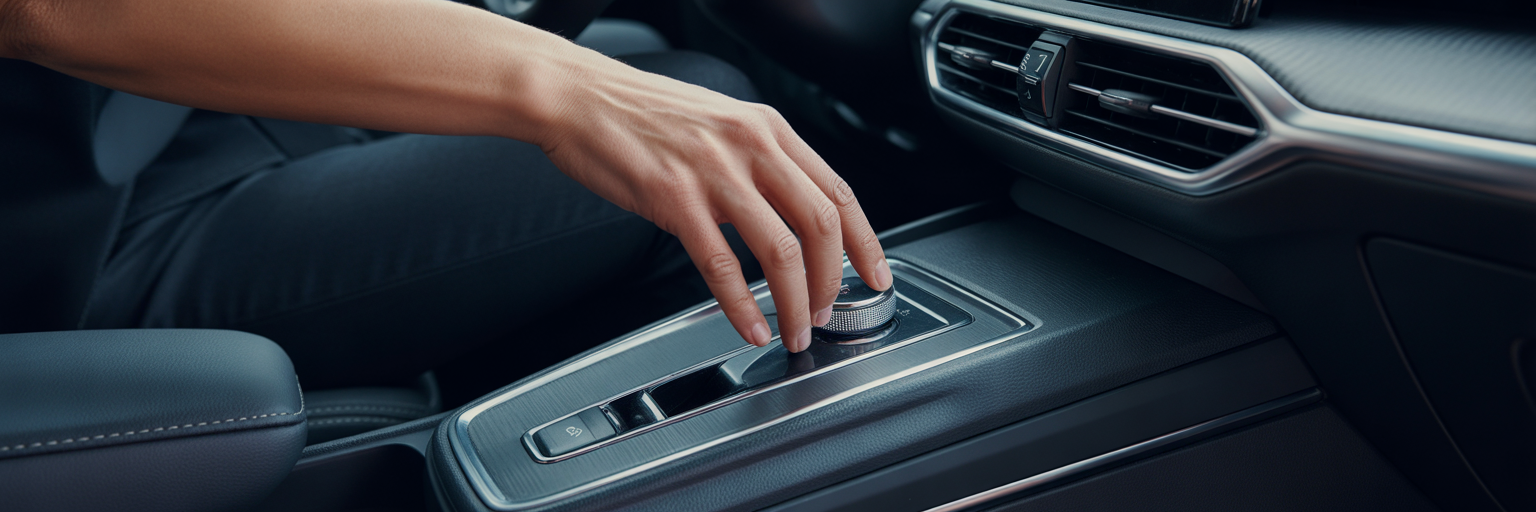
After a period of focusing on comfort and size, Honda began to steer the Accord back towards its dynamic roots. The ninth and tenth generations represented a remarkable resurgence, blending the practicality the model was known for with a renewed emphasis on driver enjoyment. This era saw bold engineering decisions, culminating in a family sedan with the heart of a performance car. The “sleeper” Accord was back, and it was more sophisticated than ever.
The Ninth Generation’s Return to Form
The 2013 Accord set the stage for this comeback. While it retained the practical MacPherson strut front suspension, Honda’s engineers worked diligently to claw back the car’s lost agility. They focused on increasing chassis rigidity while simultaneously reducing overall weight. The result was a car that felt noticeably lighter on its feet than its predecessor. The steering was more responsive, and the body motions were better controlled. This renewed focus on Honda Accord driving dynamics was a clear signal that Honda had been listening to the feedback from enthusiasts. It was a step in the right direction, a foundation for the revolution that was to come.
The Turbocharged Revolution of the Tenth Generation
When the tenth-generation Accord debuted for the 2018 model year, it was a shock to the system. The styling was bold and fastback-inspired, but the biggest news was under the hood: the beloved V6 engine was gone. For many, this felt like the end of an era. How could a four-cylinder engine possibly replace the smooth, powerful V6? Honda’s answer was forced induction. The Accord lineup was now built around two turbocharged four-cylinder engines: a hyper-efficient 1.5-liter and a potent 2.0-liter. This was a gamble, but one that would pay off spectacularly, redefining the Accord’s performance identity.
The Heart of a Type R in a Family Sedan
The real story of this generation was the 2.0-liter turbocharged engine. This wasn’t just any four-cylinder; it was a detuned version of the high-strung, world-beating engine from the Civic Type R. This fact alone makes the 2.0T Accord the ultimate modern sleeper. It delivered a muscular 252 horsepower, but the real magic was its 273 lb-ft of torque, available from just 1,500 RPM. The V6 needed to be revved out to deliver its peak power, but the 2.0T provided instant, effortless thrust right where you use it most in daily driving. The key attributes that made this powertrain so effective were clear:
- A low-inertia turbocharger provided incredibly quick response, minimizing the lag often associated with older turbo engines.
- Shared engine architecture with a proven, high-performance motor meant it was robustly engineered from the start.
- A broad, flat torque curve delivered a wave of acceleration that made the car feel faster than its numbers suggested.
This engine gave the Accord a confident, muscular character that surprised anyone who got behind the wheel.
Perfecting the Automatic: 10-Speeds and a Superior CVT
An engine is only as good as the transmission it’s paired with, and Honda delivered here as well. The 2.0T was matched with a brilliant 10-speed automatic transmission. With so many gears, it could keep the engine right in the sweet spot of its powerband, delivering quick, smooth shifts that were always ready for action. Meanwhile, the 1.5T engine was paired with a Continuously Variable Transmission (CVT). Many enthusiasts cringe at the thought of a CVT, associating it with a disconnected, “rubber-band” feeling. But Honda’s CVT was different. Through clever programming and the use of a torque converter for a more direct feel off the line, it managed to be remarkably responsive and smooth, avoiding the pitfalls of lesser designs. These advanced transmissions were crucial to the Accord’s renewed dynamic appeal, a topic we keep up with in our latest news coverage.
The Hybrid and Tech-Forward Era (2023-2026)
Entering its eleventh generation, the Honda Accord has once again redefined itself. The focus has pivoted from traditional horsepower figures to a more sophisticated and efficient form of performance. The modern Accord makes a compelling case that the future of the engaging family sedan is not just powerful, but also intelligent and electric. It answers the question of why are Honda Accords so good today by blending silent, instant torque with a cabin experience that feels decidedly upscale.
The Hybrid-First Performance Strategy
The most significant shift with the latest Accord is its hybrid-first strategy. In previous generations, the hybrid model was often the niche, eco-focused option. Now, it sits at the top of the lineup as the premium and performance-oriented choice. Honda’s two-motor hybrid system is the star of the show. It’s an elegant piece of engineering that operates differently from many other hybrids. In most situations, the gasoline engine doesn’t drive the wheels directly. Instead, it acts as a generator, producing electricity for a powerful electric propulsion motor. This setup allows the engine to operate in its most efficient range while the electric motor provides the muscle.
The Driving Experience: Silent Torque and Refinement
The result of this hybrid strategy is a completely new kind of “sleeper” performance. When you press the accelerator, the response is instant and silent. The electric propulsion motor delivers its full torque from a standstill, launching the car with an effortless, satisfying surge. There’s no waiting for an engine to build revs or a transmission to downshift. It’s just smooth, linear, and surprisingly quick. This quiet confidence is the new performance benchmark. It can surprise passengers who expect a typical hybrid to feel slow, offering brisk acceleration without any of the noise or drama. It’s a refined driving experience that feels both modern and powerful, similar to the smooth power delivery found in some of the best hybrid SUVs we’ve reviewed.
An Interior That Punches Above Its Class
The final piece of the modern Accord’s premium puzzle is its interior. Honda’s designers created a cabin that is clean, spacious, and built with a remarkable attention to detail. The dashboard is defined by a strong horizontal layout, with a stylish metal mesh grille that cleverly conceals the air vents. The materials feel high-quality, with soft-touch surfaces and satisfyingly tactile knobs and switches. At the center of it all is a new Google-based infotainment system that is fast, intuitive, and seamlessly integrated. This combination of thoughtful design, high-quality materials, and advanced technology creates an environment that feels like it belongs in a much more expensive vehicle. It’s this holistic approach, blending refined performance with a near-luxury cabin, that makes the current Accord so compelling.
The Unbreakable Reputation of Accord Reliability
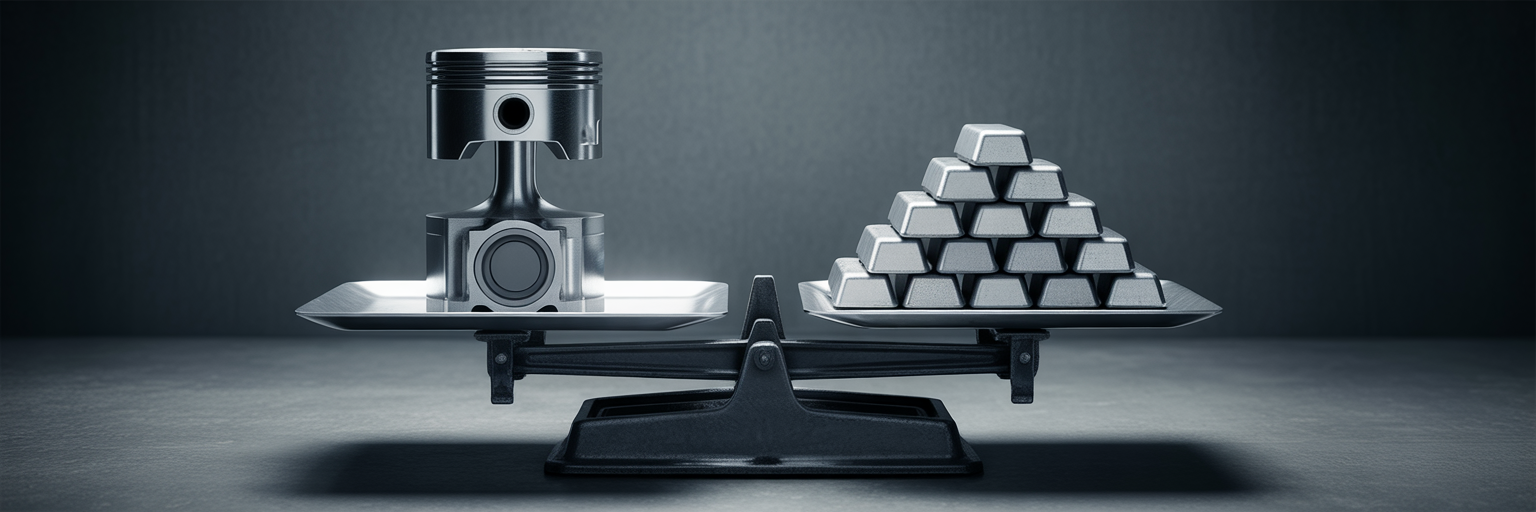
For all the talk of VTEC, turbochargers, and suspension design, there is one attribute that has defined the Accord more than any other: its unshakable reliability. For decades, the Accord has been the benchmark for dependability, the car you recommend to friends and family without a second thought. This reputation wasn’t earned by accident. It is the direct result of a deeply ingrained engineering philosophy that prioritizes durability and thoughtful design. The answer to Accord reliability explained lies not in a single feature, but in a consistent, disciplined approach to building cars.
This focus on durability is why, as noted in a historical review by MotorTrend, many Accords are known to surpass 200,000 miles with routine maintenance, cementing their reputation for longevity. This long-term dependability stems from several core principles:
- The ‘Man-Maximum, Machine-Minimum’ Philosophy. This core Honda principle is about creating more space and utility for people by designing simple, efficient, and compact mechanical components. This focus on elegant simplicity means there are fewer complex parts to fail. The most reliable solution is often the simplest one, and Honda has long mastered the art of achieving more with less.
- Over-Engineering Key Components. Honda engineers have a reputation for building parts to withstand far more stress than they will ever encounter in normal use. Engine blocks, crankshafts, and connecting rods are often designed with a margin of safety that seems excessive. This “over-engineering” is why Honda engines are a favorite among tuners; the stock internals can handle significant power increases. For the average owner, it translates to a powertrain that is barely stressed, ensuring a long and trouble-free life.
- The Power of Incrementalism. While Honda is capable of great innovation, the company is also wisely conservative. It rarely introduces radical, unproven technologies across its entire lineup. Instead, its core powertrains are perfected over many years, with each generation representing a careful refinement of the last. The legendary K-series and J-series engines, for example, were improved incrementally over more than a decade, working out any potential weaknesses along the way.
- Total Cost of Ownership. This engineering philosophy has a direct and tangible benefit for the owner. A reliable car means fewer unexpected repair bills. Simple, well-designed components make routine maintenance more straightforward and less costly. The widespread availability of affordable parts further reduces long-term expenses. The Accord’s reliability isn’t just about avoiding breakdowns; it’s about providing predictable, affordable, and stress-free ownership for years.
Decoding the Accord’s Premium Sensation
Have you ever closed the door on an Accord and been surprised by the solid, satisfying “thud”? Or noticed how the volume knob turns with a weighted, fluid resistance? These small details are not accidents. They are the result of deliberate engineering choices designed to create a feeling of quality that transcends the car’s price tag. This is a key reason why are Honda Accords so good; they master the sensory details that our brains associate with premium products. This sensation is built on a foundation of quietness, tactile feedback, and a composed ride.
The Science of a Quiet Cabin
A premium car feels calm and isolated from the outside world. Honda achieves this through a multi-faceted approach to managing Noise, Vibration, and Harshness (NVH). It starts with the strategic use of acoustic glass for the windshield and front side windows, which is laminated to filter out wind and traffic noise. The floor, firewall, and wheel wells are lined with extensive sound-deadening insulation to absorb road and tire noise. On top-tier models, Honda even employs an Active Noise Cancellation system. It uses microphones in the cabin to detect low-frequency booming sounds from the engine and powertrain, then broadcasts an out-of-phase audio signal through the speakers to cancel them out. The result is a serene environment that makes long drives less fatiguing.
Engineering the Tactile Feel of Quality
Our perception of quality is heavily influenced by touch. Honda’s engineers spend countless hours perfecting the tactile sensations of every button, switch, and dial. The positive, reassuring click of the turn signal stalk, the damped movement of the glovebox door, and the solid engagement of the shifter are all carefully tuned. This philosophy extends to the materials. While not a luxury car, upper-trim Accords use a high percentage of soft-touch plastics on the dashboard and door panels. The trim pieces, whether simulating wood or metal, are chosen for their convincing appearance and solid fit. These elements combine to create a cohesive, high-quality feel that you interact with every time you drive the car, reinforcing the value proposition of the many automotive brands we analyze.
The Art of Suspension Tuning
Finally, the Accord’s premium feel is cemented by its suspension tuning. This is distinct from pure handling performance. The goal here is to find the perfect balance between comfort and control. The suspension is engineered to absorb the harshness of bumps and potholes, isolating the cabin from jarring impacts. At the same time, it provides firm body control, preventing the “floaty” or disconnected feeling that can occur in overly soft suspensions. This composure means the car feels stable and secure at highway speeds and settled over uneven pavement. It’s a characteristic often found in expensive European sedans, and it gives the Accord a sense of maturity and sophistication on the road that belies its mainstream status.