
In an era where truck dashboards look more like command centers for a starship, filled with sprawling touchscreens and a web of driver-assist systems, a certain nostalgia has grown for a simpler time. We find ourselves looking back not just for style, but for substance. This is where the story of the 2009 Toyota Tundra begins. It stands as a monument to a different engineering philosophy, one that prioritized mechanical integrity over digital complexity. While its contemporaries are either rusting in a field or plagued by electronic gremlins, this Tundra is often just getting broken in.
This article is a 2009 Toyota Tundra review, but it’s also an exploration of a legend. We are focusing on a specific, almost perfect configuration: the Toyota Tundra Limited Crew Cab equipped with the formidable 5.7L i-FORCE V8. This model represents a perfect storm of power, expansive interior space, and the manufacturing discipline that Toyota is famous for. It arrived at a time when the full-size truck market was an American fortress, fiercely guarded by Ford, GM, and Ram. Toyota’s second-generation Tundra was not a polite knock on the door. It was a battering ram, engineered with the explicit goal of outlasting its rivals.
Toyota understood it couldn’t win on heritage alone. Instead, it focused its resources on build quality and long-term reliability. The engineers in Texas and Michigan who designed it were obsessed with creating a truck that would simply refuse to die. They studied the failure points of other trucks and systematically engineered them out of the Tundra. This ability to withstand decades of use is a hallmark of exceptional engineering, explaining in part why some high-mileage cars age better than others. The result was a vehicle that felt less like a collection of parts and more like a single, solid piece of industrial equipment. This article will examine the specific choices in its engine, frame, and interior design that cemented its reputation as one of the toughest trucks ever built.
Inside the Heart of the Beast: The 5.7L i-FORCE V8
The soul of the 2009 Tundra’s indomitable character is cast in aluminum and forged in steel. The 3UR-FE 5.7L i-FORCE V8 engine is more than just a power plant. It is a masterclass in reliable performance. While other manufacturers were chasing higher horsepower numbers through complex and sometimes fragile technologies, Toyota focused on creating an engine that could deliver its power effortlessly for hundreds of thousands of miles. The feeling you get behind the wheel is not one of frantic energy, but of immense, unshakeable confidence. It’s the quiet assurance that whatever you ask of it, the engine has more to give.
The Engineering Behind 381 Horsepower
On paper, the numbers are impressive for their time: 381 horsepower and 401 lb-ft of torque. But the real story is how that power is made and sustained. The engine features a lightweight aluminum block and aluminum cylinder heads, a choice that significantly improves heat dissipation. In a heavy-duty truck engine, managing heat is everything. Better cooling reduces thermal stress on internal components, preventing warping and premature wear. This allows the engine to run at its optimal temperature whether you are idling in summer traffic or pulling a heavy grade in the mountains. It’s a fundamental design choice that directly contributes to the engine’s longevity.
Dual VVT-i: The Secret to Longevity and Power
The term Dual VVT-i (Variable Valve Timing with intelligence) might sound complicated, but its function is beautifully simple. Think of it as the engine’s ability to take a deep, controlled breath precisely when needed. It continuously adjusts the timing of both the intake and exhaust valves. At low RPMs, it optimizes for smooth idling and fuel efficiency. When you press the throttle, it adjusts to maximize airflow, delivering a wave of torque and horsepower. This constant optimization does more than just improve performance. It ensures the engine is never straining, operating in its most efficient and least stressful state across the entire RPM range. This intelligent system is a key ingredient in the legendary Toyota Tundra 5.7 reliability, allowing it to produce immense power without sacrificing its long-term health.
An ‘Overbuilt’ Philosophy for Extreme Durability
Here lies the core of the engine’s reputation. The term “overbuilt” is often used, and it is entirely accurate. Toyota engineers designed the 5.7L V8 with internals that could handle far more stress than the engine would ever produce in stock form. It features a forged steel crankshaft and heavy-duty connecting rods, components typically found in high-performance or commercial diesel engines. The main bearing caps are secured with four bolts each, providing exceptional rigidity to the bottom end. This is the mechanical equivalent of using a bridge cable to hang a picture frame. This robust construction means the engine is barely breaking a sweat during normal operation. It’s this massive margin of safety that allows these engines to run for 300,000, 400,000, or even more miles with just routine maintenance. These design choices are a key reason for its longevity, but proper care is still essential. Following a guide on how to keep your car’s engine running for years can help ensure it reaches its full potential.
A Foundation of Strength: Frame and Construction
If the 5.7L V8 is the heart of the Tundra, its frame is the unbreakable skeleton. A truck is only as strong as its foundation, and Toyota’s engineers approached the Tundra’s chassis with a unique and effective philosophy. They understood that a truck frame needs to do two contradictory things: be incredibly rigid to handle steering and payload forces, yet have enough controlled flex to absorb road imperfections and the stresses of a heavy load. The solution they developed was a brilliant piece of structural engineering that continues to influence truck design today.
The Hybrid Ladder Frame Design
The Tundra’s frame is not a simple, uniform structure. It’s a hybrid design that uses different construction methods for different sections of the truck. The front portion, from the engine bay to the cab, is a fully-boxed ladder frame. This creates a tremendously stiff and strong box structure that resists twisting forces. The real-world benefit is a truck that feels solid and planted, with precise steering response and minimal cab shudder on rough surfaces. From the cab back, the frame transitions to a more traditional reinforced C-channel design. This allows for a small amount of vertical flex when the bed is loaded or the truck is towing. This flex acts like a mechanical shock absorber, improving ride quality and preventing the harsh, jarring impacts that can come from an overly rigid frame. It’s a “best of both worlds” approach that provides strength where you need it and compliance where it counts.
Addressing the Frame Rust Concern
No discussion of this Tundra generation is complete without honestly addressing the issue of frame rust. It is a known problem, but one that requires context. The issue was most prevalent on trucks sold in the “Rust Belt” states, where heavy use of corrosive road salts during winter created an extremely harsh environment. To its credit, Toyota responded to the problem decisively. The company initiated one of the largest and most comprehensive customer support programs in automotive history, offering inspections and, if necessary, full frame replacements for affected vehicles under an extended warranty. This commitment to standing behind their product, even at enormous cost, actually reinforced their reputation for customer care. For a potential buyer today, it means the most important question is not “does it have rust?” but “was the frame replaced under the program?” This commitment to using tough, well-assembled materials is a design philosophy that extends beyond the automotive world, where even premium accessories like a marble rectangle iPhone case Magsafe are valued for their durability and protective qualities.
The Limited Crew Cab Experience: Comfort Meets Utility
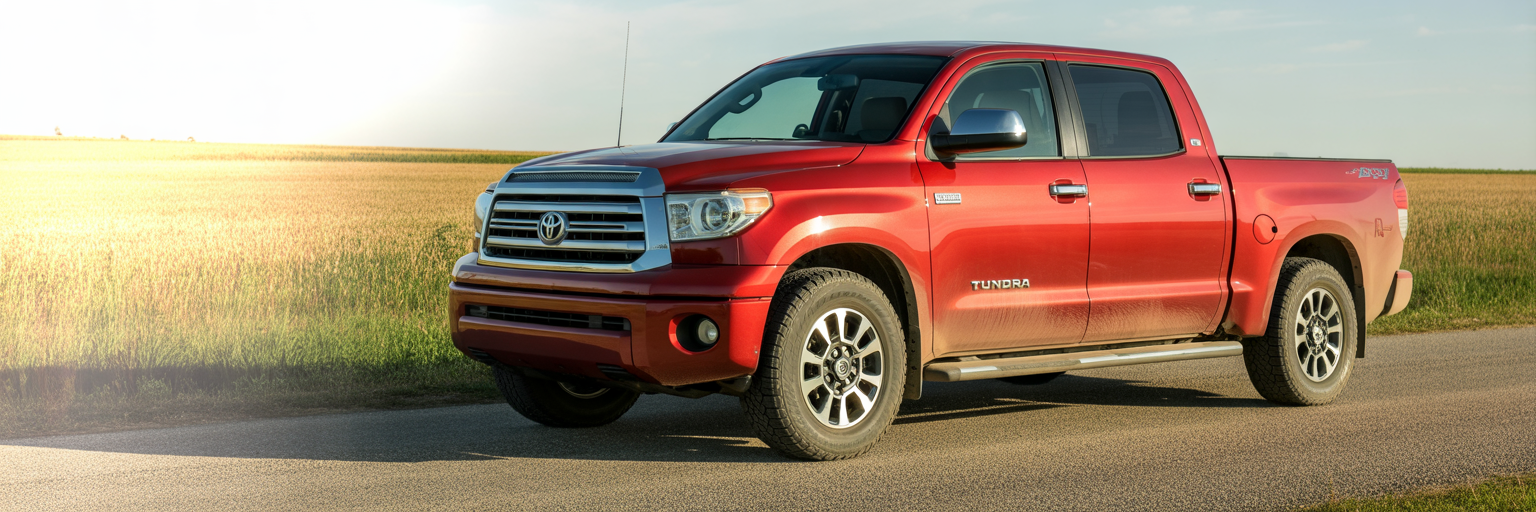
The 2009 Toyota Tundra Limited Crew Cab, known as the CrewMax, shattered the old notion that a tough truck had to have a punishing, spartan interior. Toyota recognized that modern truck owners were using their vehicles for everything from hauling lumber to taking the family on vacation. The CrewMax cabin was designed to be a comfortable, durable, and incredibly spacious command center for work and life. Stepping inside, even by 2026 standards, the first thing you notice is the sheer amount of space. It feels less like a pickup truck and more like a full-size SUV with a bed attached.
The rear seating area is particularly remarkable. With class-leading legroom, the back seats don’t just accommodate adults; they allow them to stretch out in comfort. The rear seats also slide and recline, a luxury feature that was almost unheard of in trucks at the time. This combination of space and comfort made it one of the best family road trip vehicles that are not boring, capable of hauling people and gear without compromise. The Limited trim elevated this experience with a set of features focused on durable luxury rather than fleeting tech trends. These amenities were built to last, and in most well-kept examples, they still function perfectly today.
- Heated, leather-trimmed front seats that were comfortable for long hauls and built with tough, wear-resistant leather.
- A premium JBL audio system that delivered clear, powerful sound designed to overcome road noise.
- Dual-zone automatic climate control, allowing the driver and passenger to set their own comfort levels.
- The iconic power-retracting rear window, a signature Tundra feature that fully disappears into the cab wall, allowing for open-air ventilation without the wind buffeting of side windows.
Perhaps the most appreciated aspect of the interior today is its ergonomic intelligence. In an age of frustrating touchscreen menus, the Tundra’s dashboard is a model of clarity. It is dominated by large, chunky knobs and buttons that can be easily operated with work gloves on. Every control is exactly where you expect it to be. While critics at the time may have pointed to the hard plastics on the dash and door panels, history has proven this to be a wise choice. These materials are exceptionally tough, scratch-resistant, and are a key reason why even high-mileage Tundras often remain remarkably free of the squeaks and rattles that plague lesser vehicles.
Real-World Capability Under Pressure
A truck’s reputation is ultimately forged not in a design studio, but in the mud, on the highway with a heavy trailer, and under the strain of a full payload. This is where the 2009 Tundra truly proved its mettle. The synergy between its powerful engine, intelligent transmission, and robust chassis created a platform that performs under pressure with a sense of calm and control. It was engineered to make hard work feel less difficult, providing a stable and confidence-inspiring experience for its driver.
Towing and Hauling Performance
When properly equipped with the tow package, the 2009 Tundra boasts a towing capacity of over 10,000 pounds. But the number only tells part of the story. The real magic is how it manages the load. The 6-speed automatic transmission features a Tow/Haul mode that adjusts shift points, holding gears longer to keep the 5.7L V8 in the heart of its powerband and providing aggressive engine braking on descents. The strong frame minimizes flex and sag, while the powerful brakes provide ample stopping power. According to detailed technical specifications from Auto123, the 2009 Tundra 4WD CrewMax with the 5.7L engine was factory-rated with 381 horsepower and a towing capacity that set a new standard for imported trucks at the time. This combination makes towing a large boat, a travel trailer, or heavy equipment a remarkably stress-free affair. Its stable platform and powerful V8 make it one of the best used trucks for towing a camper under $35,000, offering peace of mind on long journeys.
Off-Road and All-Weather Competence
While not a dedicated rock-crawler like some specialized 4x4s, the Tundra is a highly competent and reliable partner in adverse conditions. With generous ground clearance, a robust suspension, and an effective part-time 4WD system with a low-range transfer case, it can confidently navigate muddy construction sites, snowy mountain passes, and rough farm trails. The truck’s predictable power delivery and solid feel inspire confidence when the pavement ends. It’s the kind of dependable capability you need when getting the job done is not optional, regardless of the weather.
The Fuel Economy Trade-Off
There is no such thing as a free lunch, and the price for the Tundra’s immense power and bulletproof reliability is paid at the pump. Let’s be direct: its fuel economy is its primary weakness. Owners can realistically expect around 13 MPG in the city and 17 MPG on the highway. In 2026, these numbers are undeniably low. However, for many owners, this is a known and accepted trade-off. They are consciously choosing to spend more on fuel in exchange for near-zero spending on unexpected, catastrophic repair bills. For those who need one of the most reliable pickup trucks ever made to perform demanding tasks, the cost of fuel is simply part of the operating expense for a tool that will never let them down.
Owning a Legend: What to Know in 2026
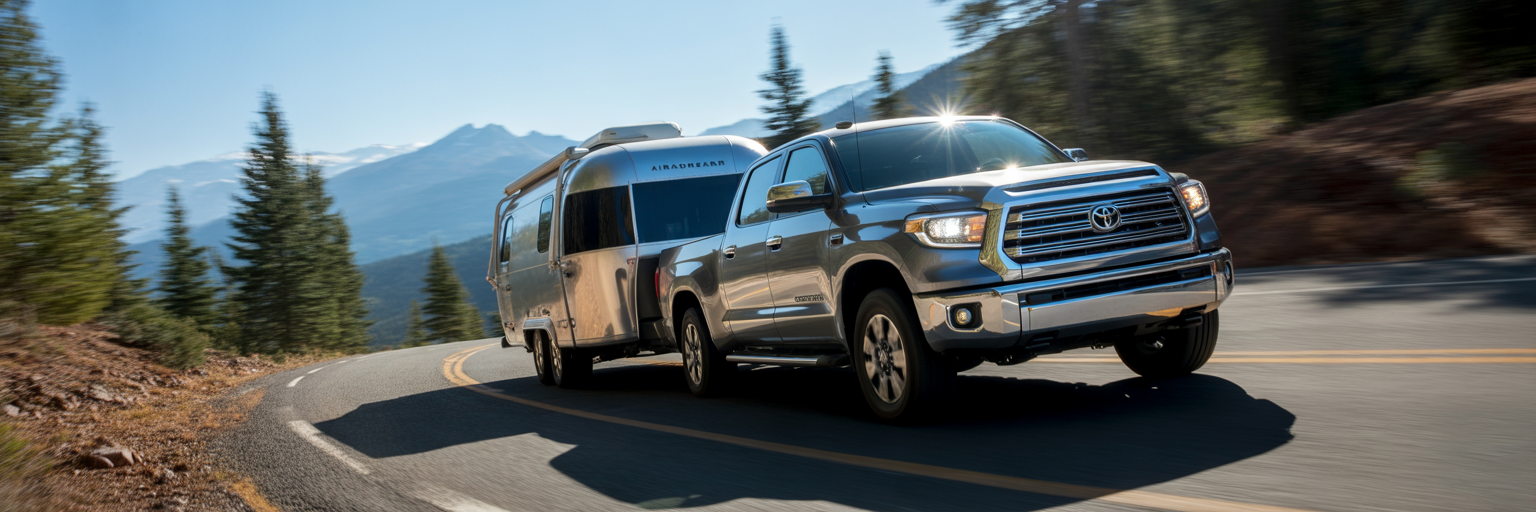
For a discerning buyer in 2026, the 2009 Toyota Tundra represents a unique and intelligent investment. It is a practical and powerful tool for those who value mechanical honesty over digital distractions. This final section serves as a practical used Toyota Tundra buying guide to help you find a great example of this legendary truck. The first thing to understand is the market itself. You may notice that these trucks hold their value with incredible tenacity. A clean, well-maintained 2009 Tundra can often command a higher price than domestic rivals that are several years newer. This isn’t an anomaly; it’s the free market paying respect to a proven track record of durability.
Furthermore, parts availability remains excellent. Thanks to the truck’s long production run and massive popularity, both OEM and aftermarket parts are plentiful and reasonably priced, ensuring that keeping one on the road is both easy and affordable. Before you start your search, it’s crucial to know what to look for. The following checklist highlights the most critical inspection points specific to this model.
| Component | What to Look For | Why It Matters |
|---|---|---|
| Frame | Check for excessive rust, scaling, or perforation, especially inside the boxed sections near the front. Look for signs of recent undercoating which may hide issues. | A compromised frame is a critical safety and structural failure. Toyota had a recall, so check if the work was done. |
| Engine (5.7L V8) | Listen for a cold start rattle (potential timing chain tensioner issue on very high-mileage units). Check for leaks around the valve covers and water pump. | The engine is the truck’s strongest asset. These checks can prevent costly future repairs. |
| Secondary Air Injection Pump | Listen for a loud vacuum-cleaner-like noise at startup that lasts for a minute. Check for related engine codes (P2440, P2442). | This is a common failure point. The repair can be expensive, so it’s a key negotiation point. |
| Transmission Fluid | Check maintenance records for regular fluid changes (every 60k-100k miles). The fluid should not be dark or smell burnt. | The Aisin 6-speed is robust, but ‘lifetime’ fluid is a myth. Proper service ensures its longevity. |
| Bed and Tailgate | Check for signs of heavy commercial use, such as deep gouges, dents, and a worn-out tailgate mechanism. | Indicates the truck’s history. A heavily abused bed may suggest a life of overloading. |
Beyond these major points, some common but manageable issues have surfaced over time. The secondary air injection pump failure is a well-documented problem, but it is a predictable repair. Some owners report wear on the driver’s seat side bolster after years of use. These are not signs of a bad truck; they are the predictable battle scars of a vehicle that has been in service for over a decade and a half. For the buyer who prioritizes proven capability and wants a truck that feels like it was carved from a single block of granite, the 2009 Toyota Tundra 5.7L remains one of the smartest, most satisfying purchases on the used truck market.