
Two American Icons Reimagined for 2026
Since the 1960s, the Chevrolet Corvette and Ford Mustang have been locked in a battle for the soul of American performance. This rivalry has always been more than just about horsepower and quarter-mile times. It’s a reflection of two different philosophies, two distinct visions of what a performance car should be. As we look toward 2026, this divergence has never been more apparent, turning the classic American muscle car comparison into a fascinating study of strategy and identity.
On one side, we have the 2026 Chevrolet Corvette ZR1X. This is not just an evolution. It is a statement of intent from Chevrolet, a direct challenge to the established European hypercar hierarchy. With its rumored hybrid powertrain and mid-engine layout, the ZR1X is engineered to chase ultimate performance, pushing the boundaries of technology, speed, and, inevitably, price. It represents a vision of American power that is global in its ambition, aiming to beat the world’s best at their own game, no matter the cost.
On the other side stands the 2026 Ford Mustang. Instead of chasing hypercar territory, Ford has chosen to double down on its heritage. The newest Mustang refines the classic muscle car formula that made it an icon: a powerful front-engine V8, rear-wheel drive, and an attainable price tag. It remains the dream car you can actually park in your driveway. Ford’s strategy is not about rewriting the rulebook but perfecting it, ensuring the Mustang continues to be the definitive accessible performance car for a new generation of enthusiasts. This commitment to their roots is a core part of the identity of the brands we cover, showcasing how legacy shapes modern engineering.
This sets the stage for a fundamental question for every car enthusiast. Does the future of American performance lie in the relentless pursuit of world-beating speed, as embodied by the Corvette ZR1X? Or does it remain rooted in the powerful, democratic spirit of the Mustang, a car that has always put exhilarating performance within reach? The answer reveals more than just your preference in vehicles. It reveals what you believe performance is truly for.
The Heart of the Beast: Engine and Acceleration
At the core of any performance car debate is what happens when your foot hits the floor. In the 2026 Corvette vs Mustang showdown, the powertrains represent two completely different schools of thought on how to generate breathtaking speed. One is a technological marvel of hybrid power, while the other is a testament to the enduring appeal of pure, naturally aspirated V8 muscle. The numbers tell part of the story, but the character and feel of each engine tell the rest.
Corvette ZR1X: The Hypercar Powertrain
The 2026 Corvette ZR1X is poised to enter the conversation with a powertrain that reads like a hypercar spec sheet. This is where a proper Corvette ZR1X review begins, with its heart. According to detailed reports on CorvetteForum, the ZR1X is rumored to feature a hybrid system built around a twin-turbo V8. This combination is expected to generate a monumental 1,250 horsepower. This isn’t just a big number. It’s a figure that places the Corvette in an elite class of vehicles, far beyond the realm of traditional sports cars.
To manage that immense output, the ZR1X will reportedly employ an advanced all-wheel-drive (AWD) system. This is a critical departure from Corvette tradition, engineered for one purpose: to translate every ounce of power into forward motion with brutal efficiency. The result is a projected 0-60 mph time of under 2.0 seconds. This level of acceleration is almost violent, a clinical and overwhelming application of force that few cars on the planet can match.
Mustang: The Soul of American V8 Power
While the Corvette chases hypercar metrics, the 2026 Ford Mustang remains firmly planted in its V8 roots. The new Ford Mustang specs for the flagship GT and Dark Horse models center on the latest evolution of the beloved 5.0L Coyote V8. This engine is expected to produce around 480-500 horsepower, a figure that seems modest only in direct comparison to the ZR1X. In the real world, it’s more than enough for exhilarating performance.
Crucially, the Mustang sticks with a traditional rear-wheel-drive (RWD) layout. This isn’t a limitation. It’s a deliberate choice that defines its character. The challenge of managing power through the rear wheels is a core part of the muscle car experience. With a 0-60 mph time of around 4.0 seconds, the Mustang is incredibly quick, but its acceleration is designed to be felt and managed, not just witnessed. It’s an engaging dance between driver and machine.
Engineering Philosophies and Real-World Feel
Comparing these two is about more than just numbers. It’s about sensation. The Corvette ZR1X’s power delivery will likely be a seamless, relentless surge, with electric motors filling any torque gaps from the twin-turbo V8. The sound will be more exotic and high-pitched, a wail closer to a European exotic than a traditional American V8. It’s the sound of pure, unadulterated efficiency.
The Mustang, in contrast, is an auditory and visceral experience. The 5.0L V8 delivers its power with a satisfying, linear pull, building to a crescendo. The sound is the main event: a deep, guttural rumble at idle that swells into a thunderous roar at wide-open throttle. You feel the engine’s vibrations and hear its every breath. While the Corvette’s acceleration is a stunning feat of engineering, the Mustang’s is an emotional event. One is a scalpel, the other a sledgehammer, and choosing between them comes down to what kind of thrill you’re looking for.
| Metric | 2026 Chevrolet Corvette ZR1X (Projected) | 2026 Ford Mustang GT (Projected) |
|---|---|---|
| Engine Type | Twin-Turbo V8 + Hybrid Electric Motors | 5.0L Naturally Aspirated V8 |
| Horsepower | ~1,250 hp | ~480-500 hp |
| Drivetrain | All-Wheel Drive (AWD) | Rear-Wheel Drive (RWD) |
| 0-60 MPH Time | Under 2.0 seconds | ~4.0 seconds |
| Primary Focus | Track dominance and peak acceleration | Engaging road performance and visceral feel |
| Sound Profile | High-pitched, exotic wail with electric torque fill | Deep, traditional V8 rumble and roar |
Note: Corvette ZR1X specifications are based on industry reports and credible leaks. Mustang GT specifications are based on the current-generation Dark Horse and GT models, representing the pinnacle of its V8 performance.
Mastering the Road: Chassis and Tire Dynamics
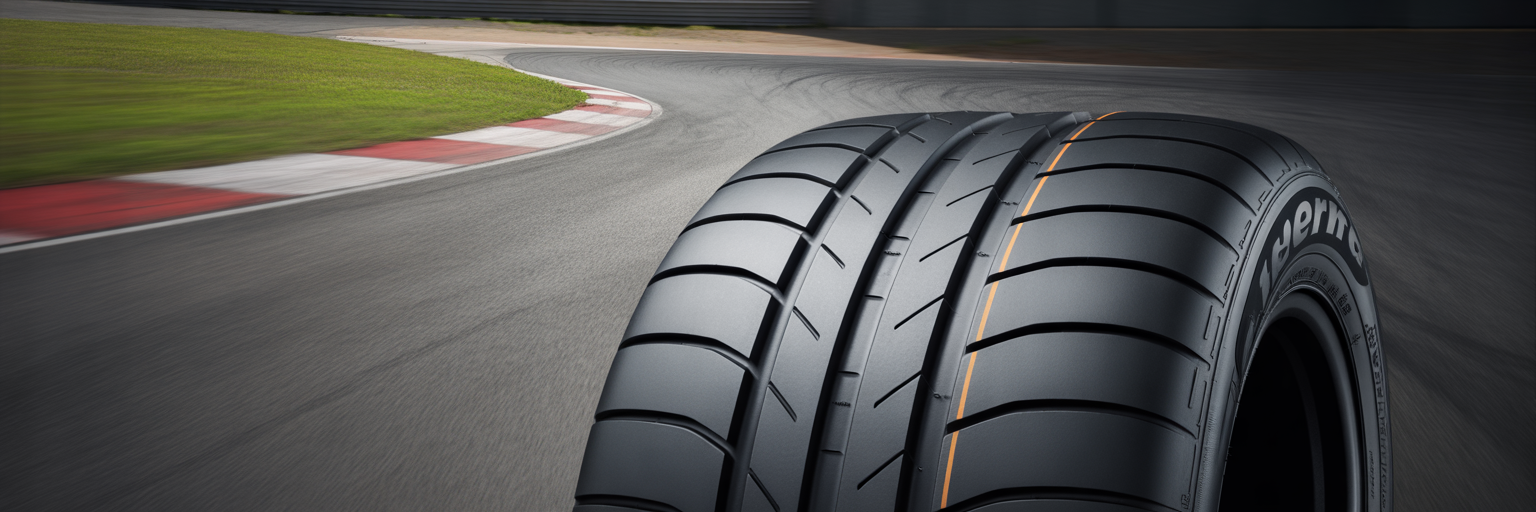
Straight-line speed is one thing, but how a car feels in the corners is what separates a great performance machine from a mere drag-strip hero. Moving beyond the engine bay, the chassis and tire philosophies of the 2026 Corvette ZR1X and Mustang reveal their true intentions. One is a purpose-built track weapon, while the other is a versatile and powerful grand tourer. How they translate power to the pavement defines their driving experience.
The Corvette ZR1X’s chassis is engineered with a singular focus: maximum track performance. Its mid-engine layout provides an inherent balance advantage, and this will be complemented by an advanced adaptive suspension, likely the next generation of Magnetic Ride Control. This system will be calibrated for extreme stiffness and lightning-fast response, prioritizing lap times over ride comfort. Every component is designed to keep the car flat, stable, and predictable at the absolute limit. It’s a setup that demands a smooth surface to truly shine and rewards a skilled driver with breathtaking cornering speeds.
This track-first approach extends directly to its tires. The ZR1X will almost certainly come equipped with ultra-high-performance, semi-slick tires. These are essentially street-legal racing compounds, designed to provide immense levels of dry grip. The trade-off, however, is significant. They wear out quickly, perform poorly in wet conditions, and can be unforgiving on public roads. They are the right tool for setting a record lap, but a compromise for almost everything else.
In contrast, the Mustang’s chassis is engineered for sophisticated balance. While fully capable on a track, especially in trims like the Dark Horse, its suspension is designed to be compliant enough for a daily commute or a long road trip. It manages its weight with composure, offering predictable handling that inspires confidence without the punishing ride of a dedicated track car. This versatility is central to the Mustang’s appeal, making it a car you can enjoy in a wide variety of situations. This kind of head-to-head analysis is something we specialize in across all vehicle types, as seen in our detailed comparisons.
The Mustang’s tire strategy reflects this balanced philosophy. It uses high-performance summer tires that offer a fantastic blend of grip, feedback, and durability.
- Mustang Tires: Focus on a strong grip for spirited driving, but with enough tread life to avoid constant replacement. They provide clear feedback to the driver and are designed to work well in a range of temperatures and even light rain.
- Corvette ZR1X Tires: Prioritize absolute dry grip above all else. They operate in a narrow temperature window and are not intended for daily use or inclement weather. Their purpose is to maximize the car’s performance on a racetrack.
These different approaches create two fundamentally distinct driving experiences. The Corvette ZR1X is a razor’s edge, a precision instrument for dissecting a racetrack. The Mustang is a powerful and engaging partner for the open road, always ready for a detour to your favorite winding backroad.
Inside the Command Center: Cabin and Infotainment
The interior of a performance car is more than just a place to sit. It’s the command center, the interface between driver and machine. Here, the hypercar vs sports car debate comes into sharp focus. The 2026 Corvette ZR1X and Ford Mustang offer two vastly different interpretations of the ideal cockpit, one a futuristic, driver-focused pod and the other a modern take on a classic, user-friendly layout.
The Corvette’s Fighter Jet Cockpit
Stepping into the Corvette ZR1X is expected to feel like climbing into a fighter jet. The design is aggressively driver-centric, with a wraparound dashboard that cocoons the person at the wheel. As reported by outlets like MotorIllustrated, the 2026 Corvette is set to receive a completely overhauled interior with a strong emphasis on technology. We anticipate a fully digital, highly configurable instrument cluster that can display everything from lap times to G-forces. The central infotainment screen will likely be seamlessly integrated into the dash, angled toward the driver for easy access.
Advanced technology will be a cornerstone of the experience. Expect features like an augmented reality heads-up display that projects navigation and performance data directly onto the windshield. The acclaimed Performance Data Recorder will surely return, allowing drivers to record and analyze their track sessions with video and telemetry overlays. The material choices will reflect its mission, with an abundance of lightweight carbon fiber, Alcantara, and minimalist switchgear. It’s an environment designed for focus and function at speed.
The Mustang’s Modernized Heritage
The 2026 Mustang’s cabin, by contrast, is a masterful blend of modern technology and classic muscle car ergonomics. The centerpiece is the large, connected twin-screen display that combines the instrument cluster and infotainment system into one sweeping panel. It’s a high-tech statement, but Ford has wisely retained physical buttons and knobs for essential functions like volume control and climate adjustments. We all know the frustration of trying to adjust the air conditioning on a bumpy road using only a touchscreen.
This approach makes the Mustang’s cabin immediately intuitive and user-friendly. The driving position is commanding, with excellent visibility over the long hood, a hallmark of the Mustang experience. The technology is thoroughly modern, with crisp graphics and extensive connectivity options, but it doesn’t overwhelm the driver. It’s designed to enhance the driving experience, not dominate it. This focus on practical technology is a theme we see across the market, even in our analysis of the differences between EV and hybrid SUVs.
User Experience and Material Philosophy
The choice of materials further highlights their different philosophies. The Corvette ZR1X will use exotic materials to save weight and communicate its high-performance credentials. It will feel special and purposeful, but perhaps less suited for the rigors of daily use. Spilling coffee on a carbon fiber console feels a lot more stressful than on durable, high-quality plastic.
The Mustang focuses on premium yet durable materials. It offers high-quality leather, soft-touch surfaces, and solid-feeling switchgear that feel good to use every day. The cabin is designed to be a comfortable and practical space for a cross-country road trip, not just a frantic 20-minute track session. Ultimately, the Corvette’s cockpit is a specialized tool for the driver. The Mustang’s cabin is a welcoming environment for both the driver and a passenger, ready for any adventure you can throw at it.
Form Follows Function: Exterior Design and Aerodynamics
A car’s design is its visual signature, the first thing that captures our attention. For the 2026 Corvette ZR1X and Ford Mustang, their exterior shapes are not just about looking good. They are a direct reflection of their performance missions. One is a machine sculpted by the laws of physics, while the other is an icon carefully evolved to honor its history. This visual American muscle car comparison tells a story of function versus heritage.
The Corvette ZR1X is the embodiment of “form follows function.” Its exotic, mid-engine proportions are the first clue to its purpose. The short nose, cab-forward stance, and long rear deck are all consequences of placing the massive powertrain behind the driver for optimal weight distribution. Every line and surface on this car is expected to serve an aerodynamic purpose. The aggressive front splitter will generate downforce to keep the front wheels planted at speed, while the massive side intakes are not just for show. They are essential for feeding air to the radiators and cooling the hybrid V8 engine.
At the rear, a prominent active wing will likely adjust its angle automatically, providing maximum downforce in corners and reducing drag on straightaways. The entire car is a collection of functional aerodynamic elements working in harmony. It looks the way it does because that is what is required to achieve its staggering performance goals. It is a design born in a wind tunnel.
The 2026 Ford Mustang, on the other hand, is a masterclass in design evolution. Its form must serve two masters: modern aerodynamics and the powerful emotional connection to its 60-year history. It proudly retains the classic long-hood, short-deck muscle car silhouette that is instantly recognizable to everyone, car enthusiast or not. You see that shape, and you know it’s a Mustang.
Ford’s designers have skillfully modernized this iconic shape. The aggressive front grille is not just an intimidating face. It’s designed to channel air efficiently to the engine while reducing lift. The signature tri-bar taillights are a nod to decades of Mustang heritage, but they have been sculpted to improve airflow off the back of the car. The Mustang’s design proves that you can honor the past while embracing the future. It’s a shape that stirs the soul, a rolling piece of Americana that still looks fresh and modern.
Ultimately, the contrast is clear. The Corvette ZR1X’s design is a direct, unapologetic expression of its performance capabilities. The Mustang’s design is a conversation between its legendary past and its powerful present. One is a statement of pure physics, the other a statement of pure passion.
The Price of Performance: Value and Market Position
For all the talk of horsepower and handling, the most significant real-world difference between the 2026 Corvette ZR1X and the Ford Mustang comes down to one thing: the price tag. This is where the two cars move from being rivals to occupying entirely different universes. Their value propositions are aimed at two completely different buyers, and understanding this is key to understanding their place in the market.
The Ford Mustang has always been the champion of accessible performance. According to pricing data from established sources like Edmunds, the newest Ford Mustang maintains this legacy, with base models starting around $38,930. Even a well-equipped V8-powered GT, the heart and soul of the lineup, can be had for a price that is a fraction of what most European sports cars cost. This incredible performance-per-dollar ratio is the Mustang’s superpower. It offers a genuine V8, rear-wheel-drive experience and an iconic presence for the price of a well-optioned family sedan. Furthermore, its wide range of trims, from the efficient EcoBoost to the track-focused Dark Horse, allows buyers to find a Mustang that fits their budget and performance needs perfectly.
The 2026 Corvette ZR1X, on the other hand, will be playing in a completely different league. While official pricing is not yet available, its advanced hybrid powertrain, extensive use of carbon fiber, and world-beating performance targets point to a price tag well into the six-figure-plus territory. It will be an exclusive, limited-production vehicle. Its value is not measured in practicality or accessibility but in what it represents: the absolute pinnacle of American engineering, a status symbol, and a collector’s item from day one. Buyers of the ZR1X are not just purchasing a car. They are acquiring a machine capable of challenging European hypercars that cost two or three times as much. Its value lies in its exclusivity and its ability to dominate on both the road and the racetrack.
This financial disparity defines the target buyer for each car. The Mustang owner is an enthusiast who wants to feel connected to their car every day, valuing the sound and feel of a V8 without needing a second mortgage. The ZR1X owner is a collector and a performance purist who seeks the ultimate in speed and technology, with budget being a secondary concern. It’s a similar dynamic we see when analyzing other segments, like finding trucks that offer the best balance of capability and cost, a topic we explored when looking at which 2025 trucks offer the best towing and fuel economy. One is a car for the many, the other a car for the few.
Choosing Your Champion: The Final Verdict

After comparing engines, chassis, interiors, and price tags, the 2026 Corvette vs Mustang debate comes to a head. We have two incredible machines that represent the very best of American automotive engineering, yet they could not be more different in their approach. This is not a simple case of one being better than the other. It’s a choice between two distinct philosophies of performance, and the “right” car depends entirely on what you, the driver, are looking for.
The showdown can be summarized by a series of clear dichotomies. The Corvette ZR1X offers overwhelming technological superiority and hypercar-level speed, while the Mustang delivers a soulful, engaging V8 character. The Corvette is a precision instrument honed for the racetrack, offering clinical efficiency and record-breaking lap times. The Mustang is a powerful and livable road car, built for daily thrills and cross-country adventures. One is an exclusive, high-dollar statement piece, the other an attainable icon that continues to win the hearts of enthusiasts everywhere.
To make the choice clearer, let’s define the ideal owner for each car:
- The Corvette ZR1X Owner: This individual is a performance absolutist. They are likely a track-day regular, a technology aficionado who appreciates cutting-edge engineering, and perhaps a collector. They prioritize objective metrics like 0-60 times and lap records above all else. For them, owning the absolute pinnacle of American performance is the goal, and the six-figure price tag is a justifiable expense for that level of exclusivity and capability.
- The Mustang Owner: This person seeks a deep, emotional connection with their vehicle. They value heritage, the unmistakable sound of an American V8, and the thrill of a powerful car that doesn’t have to be a garage queen. They want a car that can be driven daily, easily customized, and shared with a vibrant community of fellow enthusiasts. For them, performance is about the feeling and the experience, all delivered at a price point that makes it an achievable dream.
So, who is the champion? On paper, the Corvette ZR1X is the undisputed winner. It will set a new benchmark for American performance and challenge the world’s most expensive exotics. It is a monumental achievement. However, the Ford Mustang continues to win a different, equally important battle. It wins the hearts of a broader audience by delivering an authentic, exciting, and iconic experience that remains within reach. There is no single victor here. The better car is the one that aligns with your passion, your budget, and your definition of what makes driving great.