
Two Paths to Electric SUV Dominance
For years, the premium electric SUV market in the United States had one undisputed leader. The Tesla Model X set the benchmark, defining the category with its blend of tech-forward luxury and shocking on-road performance. It was the default choice for anyone seeking a large, silent, and incredibly fast family hauler. But the landscape has changed. A serious American contender has emerged, built from the ground up with an entirely different philosophy.
The 2026 Rivian R1S represents a rugged, utilitarian approach to electric mobility. Where the Model X was engineered for seamless, aerodynamic travel between city destinations, the R1S was conceived for loading up gear and venturing far off the beaten path. This isn’t just a competition between two vehicles; it’s a clash of ideals. This luxury electric SUV comparison will guide you through the critical differences to determine which machine truly aligns with your life. For readers interested in more head-to-head analyses, our vehicle versus section offers numerous detailed breakdowns.
Is your ideal weekend a quiet, comfortable drive to a five-star dinner, or does it involve navigating a muddy trail to a remote campsite? The answer to that question lies at the heart of the Tesla Model X vs Rivian R1S debate. We will analyze their power, range, interior design, and real-world capability to deliver a clear verdict. By the end, you will know whether your garage is better suited for a silent rocket ship or a go-anywhere adventure rig.
Analyzing Raw Power and Acceleration
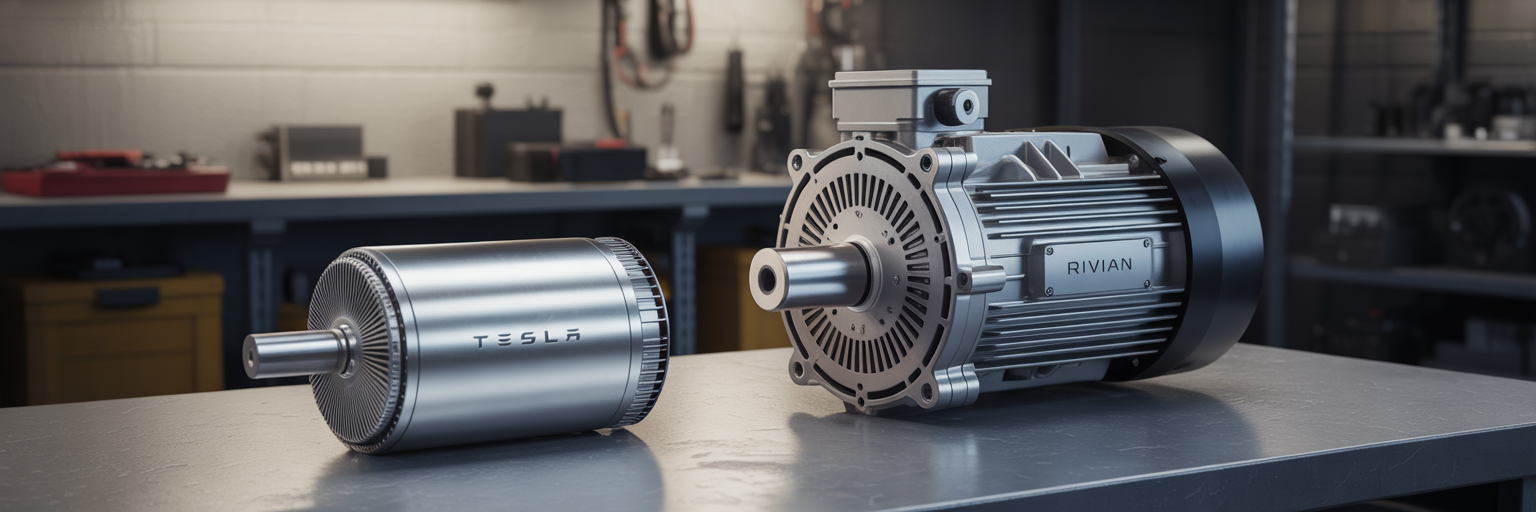
Horsepower and Torque Showdown
On paper, both of these electric titans deliver staggering performance figures that were once the exclusive domain of hypercars. The 2026 Rivian R1S in its Quad-Motor configuration boasts an incredible 1,025 horsepower and 1,198 lb-ft of torque. These numbers promise not just immense speed but also the raw, earth-moving force needed for towing and challenging terrain. As Carbuzz reports, recent updates have pushed the R1S into this new performance bracket.
In the other corner, the Tesla Model X Plaid specs are just as formidable, with its tri-motor setup producing 1,020 horsepower and 1,050 lb-ft of torque. While the horsepower is nearly identical, the slightly lower torque figure hints at Tesla’s engineering focus: explosive, immediate acceleration on paved surfaces.
Translating Power to Pavement
Both SUVs can launch from 0 to 60 mph in under 2.5 seconds, a feat that defies their size and weight. However, the sensation of that speed is distinctly different. The Model X Plaid delivers its acceleration with an eerie, silent violence. It feels like a private jet on takeoff, pinning you to your seat with relentless, linear force. The R1S, while equally quick, communicates its power with a sense of substance and rugged capability. You feel the immense torque working beneath you, delivering its speed in a package that feels solid and unstoppable.
Contrasting Powertrain Philosophies
The technical approaches behind this power are fundamentally different. Tesla’s tri-motor system is a highly refined powertrain optimized for efficiency and instantaneous on-road speed. It’s a masterpiece of software and hardware integration designed to win the stoplight grand prix. In contrast, Rivian’s quad-motor system is a marvel of versatility. By placing an independent motor at each wheel, it achieves unparalleled torque vectoring. This allows the R1S to precisely control the power delivered to each corner, a critical advantage in low-traction conditions and the key to its off-road prowess.
| Specification | 2026 Tesla Model X Plaid | 2026 Rivian R1S Quad-Motor |
|---|---|---|
| Peak Horsepower | 1,020 hp | 1,025 hp |
| Peak Torque | 1,050 lb-ft | 1,198 lb-ft |
| 0-60 MPH Time | ~2.5 seconds | < 2.5 seconds |
| Powertrain | Tri-Motor All-Wheel Drive | Quad-Motor All-Wheel Drive |
| Primary Design Focus | On-Road Acceleration | All-Terrain Torque & Control |
Note: Figures are based on manufacturer claims and reports for top-tier performance trims. These specifications highlight the different engineering priorities of each vehicle.
Evaluating Range and Charging Networks
The Range Equation: Aerodynamics vs. Utility
For any EV owner in America, range and charging are the two pillars of a confident ownership experience. Here, the different design philosophies of Tesla and Rivian become immediately apparent. The Model X, with its sleek, teardrop shape, is expected to offer trims that exceed 350 miles of range. This is a direct result of Tesla’s long-standing obsession with aerodynamic efficiency, minimizing wind resistance to maximize every kilowatt-hour in the battery.
The Rivian R1S, with its boxy, utilitarian silhouette, makes a deliberate trade-off. Its respectable range, estimated between 300 and 330 miles, is a consequence of prioritizing interior volume and a commanding presence over slicing through the air. It’s important to note that this figure can be significantly impacted by tire choice; opting for aggressive all-terrain tires will reduce range compared to more road-focused rubber. For those exploring different types of electric family vehicles, our analysis of the Toyota RAV4 vs. Tesla Model Y offers additional perspective on what makes a successful electric SUV.
The Supercharger Advantage
When it comes to refueling on the go, Tesla holds a massive, undeniable advantage. The Tesla Supercharger network is mature, dense, and famously reliable. For anyone planning long-distance family road trips, the ability to pull into a well-lit station with a dozen available chargers and simply plug in is a powerful selling point. The navigation system seamlessly integrates charging stops, removing much of the anxiety associated with cross-country EV travel. This network is the gold standard, and in 2026, it remains a core part of the Tesla ownership experience.
Rivian’s Growing Charging Ecosystem
Rivian is tackling the charging challenge with a two-pronged approach. The company is building out its own Rivian Adventure Network, strategically placing chargers near national parks, trailheads, and other outdoor destinations. This is a clever strategy that directly serves its target audience. Beyond its own network, the R1S relies on third-party charging providers like Electrify America. While Rivian has adopted the NACS port (the same one Tesla uses), the experience in 2026 is not quite as seamless. Finding a reliable third-party charger can sometimes feel like a treasure hunt, and the plug-and-charge simplicity of the Supercharger network is not yet universal.
On-Road Manners and Daily Driving Comfort
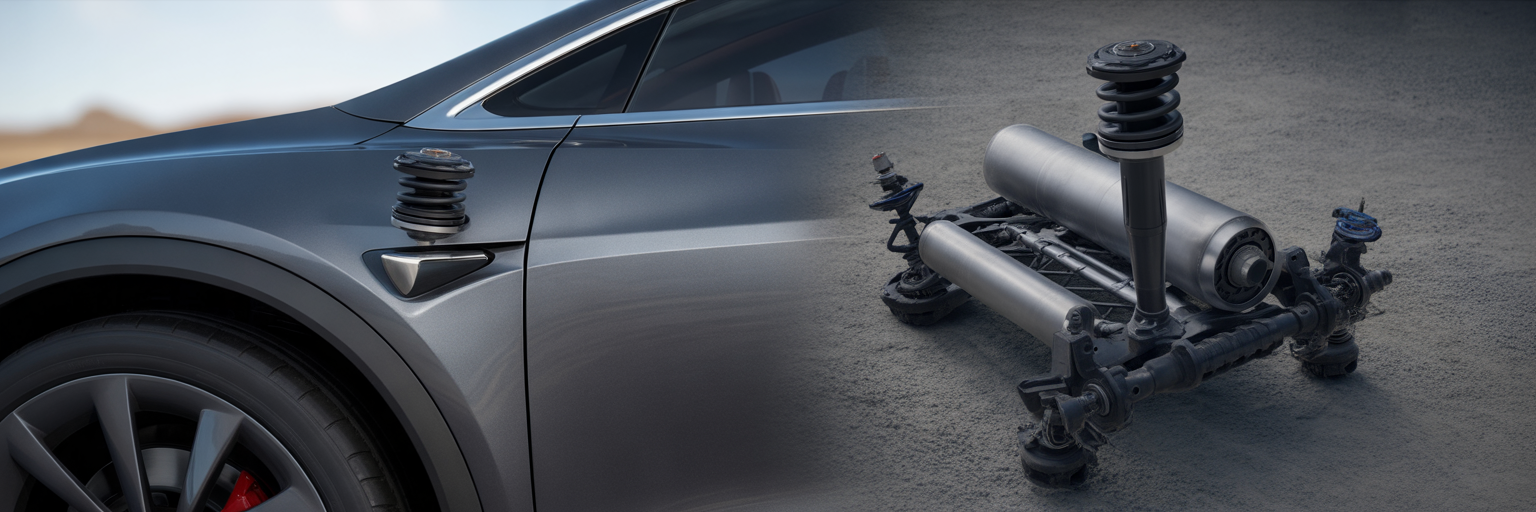
Beyond the spec sheets, how do these two SUVs feel during the daily commute or on a long highway drive? The Tesla Model X’s adaptive air suspension is tuned for a serene, quiet, and exceptionally composed ride. It glides over road imperfections, effectively isolating passengers from the harshness of broken pavement. It truly feels like a luxury lounge on wheels, making it an ideal companion for stop-and-go traffic and extended family journeys. For its size, the Model X is surprisingly agile, with steering that feels light and car-like, making it easy to maneuver in tight city spaces.
The Rivian R1S also features a sophisticated air suspension, but its tuning reflects a clear bias toward all-terrain durability. On the road, this translates to a ride that is comfortable but slightly firmer and more truck-like than the Model X. You are more aware of the vehicle’s rugged underpinnings. It’s by no means harsh, but you feel its readiness for any surface. The steering is precise and well-weighted, communicating a sense of substance and stability. It feels planted and substantial, reassuring the driver that it is prepared for whatever lies ahead, whether that’s a smooth interstate or a gravel backroad.
Mastery of Off-Road and Rugged Terrain
When the pavement ends, the conversation changes dramatically. This is where one vehicle establishes its dominance. The 2026 Rivian R1S is, without question, the definitive off road electric SUV. It was not designed with off-road capability as an afterthought; it was engineered for it from the ground up. Its superiority in rugged terrain comes down to a collection of purpose-built features.
- Adjustable Air Suspension: The R1S can raise itself to provide a staggering maximum ground clearance of up to 14.9 inches, allowing it to clear obstacles that would stop most other vehicles in their tracks.
- Quad-Motor AWD: This is the heart of its capability. The ability to send precise amounts of torque to each individual wheel provides a level of traction and control that traditional 4×4 systems cannot match.
- Underbody Protection: A reinforced shield of steel and carbon fiber protects the battery pack and drivetrain components from rocks and debris, giving drivers confidence in challenging environments.
- Dedicated Drive Modes: With modes like Rock Crawl, Rally, and Soft Sand, the R1S intelligently adjusts its suspension, throttle response, and power delivery to conquer specific types of terrain.
The Tesla Model X, with its standard all-wheel drive, is perfectly capable of handling light-duty challenges. It will confidently manage snowy roads on the way to a ski resort or navigate a well-maintained dirt trail to a scenic overlook. However, its limitations become clear quickly. Its lower ground clearance, road-focused tires, and bodywork designed for aerodynamics are not suited for serious off-roading. While the Model X can get you to the trailhead, the R1S is the vehicle that can take you deep into the backcountry. Given its robust build, readers interested in powerful vehicles might also appreciate our dedicated trucks section.
A Tale of Two Cabins: Interior Philosophy
Tesla’s Futuristic Minimalism
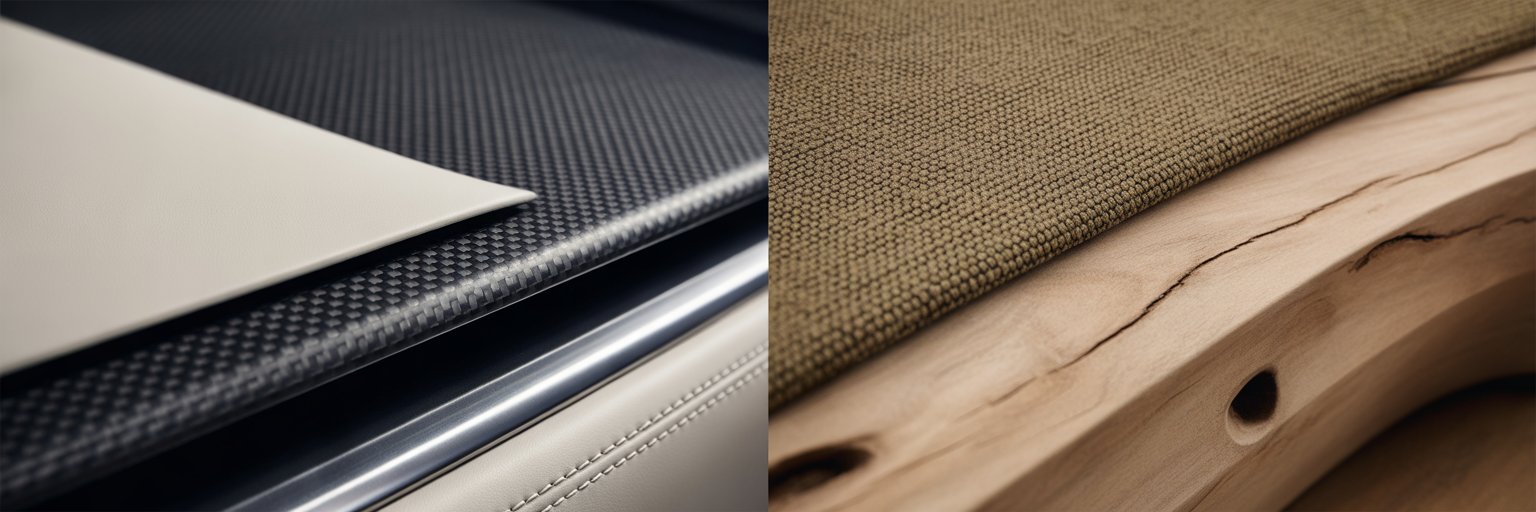
Stepping inside the Tesla Model X is like entering a vision of the future. The cabin is defined by a stark, clean aesthetic dominated by a massive central touchscreen that controls nearly every vehicle function. There is a near-total absence of physical buttons, creating an uncluttered and spacious environment. Materials like high-quality vegan leather and sleek wood or carbon fiber accents reinforce the feeling of being in a premium, futuristic cockpit. It’s a design that will appeal to those who love clean lines and cutting-edge technology.
Rivian’s Rugged Elegance
Rivian’s approach can be described as “adventure premium.” The interior of the R1S blends modern technology with a sense of durable craftsmanship. The focus is on using sustainable and resilient materials, such as natural-grain ash wood and tough, easy-to-clean fabrics. While it features large digital displays, Rivian has retained physical controls for essential functions like climate and volume, a nod to practicality that many drivers appreciate. The overall feeling is one of rugged elegance, a space that is both comfortable and ready for a life of activity.
Defining Interior Features
The most iconic elements of each cabin highlight their different priorities. The Model X is famous for its Falcon Wing doors, which create a dramatic sense of arrival but can be impractical in tight parking spots. Its vast panoramic windshield provides an unparalleled forward view, making the cabin feel open and airy. In contrast, the R1S is defined by clever, practical touches. The flashlight integrated into the driver’s door and the portable Bluetooth speaker stored under the center console are perfect examples of features designed for an active, adventurous lifestyle.
Comparing Cabin Space and Everyday Practicality
For many buyers, the decision comes down to which vehicle better accommodates their family and gear. The Rivian R1S comes standard with a 7-seat layout, and its boxy shape provides a genuinely usable third row that is suitable for adults on shorter trips. The Tesla Model X offers more flexibility with 5, 6, or 7-seat configurations. While the 6-seat layout with captain’s chairs provides a luxurious experience for second-row passengers, its optional third row is best reserved for children.
When it comes to hauling cargo, the R1S has a clear advantage. Its total cargo capacity is larger, and its 11.1-cubic-foot frunk (front trunk) easily swallows carry-on luggage or grocery bags. The Model X also has good storage, but the Rivian’s shape simply allows for more volume. This makes the R1S arguably the best electric SUV for families who frequently need to maximize both passenger and cargo space. The choice is clear: the Model X’s 6-seat configuration offers a premium transport experience, while the R1S is built for maximum utility, ready to haul camping gear, sports equipment, and the entire family without compromise.
| Feature | 2026 Tesla Model X | 2026 Rivian R1S |
|---|---|---|
| Seating Configurations | 5, 6, or 7 seats | 7 seats (standard) |
| Third-Row Comfort | Adequate for children/short trips | More spacious, suitable for adults |
| Max Cargo Capacity | ~92 cubic feet | ~104 cubic feet |
| Frunk (Front Trunk) | Yes, 6.6 cubic feet | Yes, 11.1 cubic feet |
| Interior Focus | Luxury, passenger comfort | Utility, maximum storage |
Note: Cargo capacity figures are approximate and can vary with seating configuration. This table illustrates the R1S’s overall advantage in raw storage and passenger volume.
Infotainment, Audio, and In-Car Technology

The digital heart of each vehicle offers a very different experience. Tesla’s infotainment system is a mature, lightning-fast platform that is deeply integrated into the car. It’s an entertainment powerhouse, with a rich ecosystem of built-in apps like Netflix and YouTube, plus a library of video games that can be played while parked. The navigation is seamless and intuitive. However, Tesla has made a firm philosophical choice to exclude Apple CarPlay and Android Auto, which for some users is an immediate deal-breaker. Do you want to adapt to Tesla’s world, or bring your own?
Rivian’s system presents a clean, beautifully designed interface with a clear focus on functionality. The graphics are crisp, and the user experience is intuitive, with special attention paid to adventure planning features like off-road maps and detailed trip data. While it is responsive, its library of third-party apps is less extensive than Tesla’s. Here is a quick summary:
- Tesla Model X: Pros include a massive app library and fast performance. The main con is the lack of smartphone integration.
- Rivian R1S: Pros include a beautiful, functional design and adventure-focused features. The main con is a smaller entertainment ecosystem.
When it comes to audio quality, both vehicles deliver exceptional sound. The Model X’s custom 22-speaker unbranded system and the Rivian’s Meridian-tuned audio package both offer immersive, high-fidelity listening experiences. Ultimately, the choice comes down to whether you prefer an all-in-one entertainment hub or a streamlined, functional command center.
Safety Systems and Driver-Assist Features
Both the Model X and R1S are built on a “skateboard” platform that houses the heavy battery pack low in the frame. This design provides an exceptionally low center of gravity, granting both vehicles excellent rollover resistance and high safety ratings from agencies like the NHTSA and IIHS. You can be confident that both are fundamentally secure choices for your family.
The real difference lies in their driver-assistance philosophies. Tesla’s Autopilot system is standard, with the optional Full Self-Driving (FSD) package offering more advanced features. It is one of the most ambitious systems on the market, excelling at automated lane changes and navigating highways from on-ramp to off-ramp. However, it operates under intense public and regulatory scrutiny, partly due to its aspirational name.
Rivian’s Driver+ system is a more conservative but highly competent hands-free highway driving assistant. It is designed to work within a clearly defined operational domain, and it does so with exceptional reliability. Its driver engagement monitoring is clear and effective, ensuring the driver remains attentive. The key takeaway is this: Tesla’s system is more expansive and attempts to do more, which comes with both impressive capabilities and ongoing controversy. Rivian’s system is more focused, delivering rock-solid dependability for hands-free highway cruising.
Pricing, Reliability, and Ownership Outlook
The Price of Admission
These are premium vehicles with premium price tags. The 2026 Tesla Model X generally carries a higher starting price, with some trims approaching $149,990, positioning it firmly as a luxury purchase. The 2026 Rivian R1S often has a slightly lower entry point around $139,990, presenting a strong value proposition given its immense capability and standard feature set. For those interested in how modern vehicles balance power with efficiency, our guide on which 2025 trucks offer the best towing and fuel economy provides related insights.
Long-Term Reliability Expectations
When considering Rivian R1S reliability, it’s important to remember it’s a newer product. While initial build quality has been well-regarded, there is simply less long-term data available, which presents a degree of uncertainty for buyers. In contrast, Tesla has over a decade of manufacturing data, which has led to iterative improvements in its drivetrain and battery technology. However, the brand has also faced historical criticism for issues with panel gaps and initial build quality. As a resource, TrueCar offers detailed comparisons of interior space and features, which can inform a buyer’s decision on long-term practicality.
Service and Support Networks
Ownership is about more than just the vehicle; it’s also about the support behind it. Tesla benefits from an extensive and mature network of service centers and mobile technicians. For a buyer in a major U.S. city, getting service is typically straightforward. Rivian’s service footprint is smaller but growing rapidly. While the experience is often praised, a buyer in a more remote area might find that their nearest service center is a considerable distance away. In 2026, Tesla still holds a significant logistical advantage in service coverage.
The Verdict: For Luxury Families and Adventurers
After analyzing every facet of these two exceptional electric SUVs, the final verdict comes down to two distinct buyer profiles. The Tesla Model X vs Rivian R1S debate is not about which vehicle is better, but which vehicle is better for you.
For the luxury-focused family, the 2026 Tesla Model X is the superior choice. Its supremely smooth and quiet ride, futuristic minimalist interior, and feature-rich infotainment system are tailored for passenger comfort and entertainment. Most importantly, the unmatched convenience of the Supercharger network provides a stress-free experience for family road trips, making it the ultimate high-tech family hauler.
For the adventure-focused buyer, the 2026 Rivian R1S is the unequivocal winner. Its dominant off-road performance, superior cargo and passenger space, and durable, practical interior are designed for an active lifestyle. It is the clear choice for anyone who prioritizes utility and outdoor capability, making it the best electric SUV for families that play hard. The choice is between a high-performance luxury EV that happens to be an SUV, and a true adventure SUV that happens to be electric. The right one for you depends entirely on whether your weekend plans involve a valet stand or a remote trailhead. As you make your final decision, we encourage you to explore more of our informative articles to stay current on all things automotive.