
Since disc brakes began replacing four wheel drum setups on mainstream American passenger vehicles in the late 1960s, stopping systems have evolved from simple mechanical clamps into computer monitored safety networks. Understanding how those modern components translate into your final service counter invoice is the single best way to control maintenance spending and make sense of dealership brake pad costs before you hand over your keys.
Understanding Average Dealership Brake Pad Costs in 2026
Baseline Price Ranges Per Axle Versus Full Brake Service
Walking up to a franchise service counter in 2026 without current pricing context makes any maintenance estimate feel intimidating. Across the United States, a straightforward pad swap at a brand dealership generally runs between $150 and $400 per axle. However, modern service departments rarely install fresh friction pads against worn metal discs. Because technicians almost always renew the discs at the same time, a comprehensive brake pad and rotor replacement cost typically falls between $450 and $1,100 per axle. If you drive in with all four wheels grinding and require a complete four wheel overhaul, that total invoice easily scales from $800 to $2,200 or higher depending on your vehicle specifications. According to the AAA Automotive maintenance guide, regional labor variances and part complexities cause wide pricing swings across service facilities nationwide.
First time car owners often ask why service advisors always quote the cost to replace brake pads per axle rather than pricing out a single squeaking wheel. The answer comes down to hydraulic physics and directional stability. When you press the brake pedal, the master cylinder sends equal fluid pressure to both sides of the car. If a mechanic installed a thick, fresh pad on the front left wheel while leaving a glazed, half worn pad on the front right, the two sides would generate drastically different friction levels and heat transfer rates. During an emergency highway stop, that imbalance causes the vehicle to yank violently toward the side with fresher grip, potentially pulling you into an adjacent lane. Matching friction material composition and rotor mass across both sides of an axle is a foundational rule of our guide on routine brake pad replacement, ensuring your vehicle tracks straight under heavy deceleration.
Economic Drivers Behind Franchise Dealership Pricing
Why does a franchise dealer charge noticeably more than the corner garage down the street? Those higher hourly numbers fund an infrastructure built specifically around your vehicle make. Dealerships invest heavily in continuous factory training so technicians can diagnose proprietary anti lock braking modules and hybrid regenerative blending valves without guesswork. Furthermore, the dealership overhead includes brand specific hydraulic lifts, specialized diagnostic scan tools that cost thousands in annual software subscriptions, complimentary customer loaner vehicles, and strict manufacturer mandates to stock genuine factory inventory on site.
Knowing these per axle baseline figures and the operational realities behind them removes the mystery from the process. When you walk in knowing the standard market range, you avoid sticker shock at the service desk and hold a solid benchmark for evaluating an advisor’s initial quote.
Breaking Down Parts, Labor, and Fees on a Service Estimate
Flat Rate Book Time and Modern Dealership Labor Rates
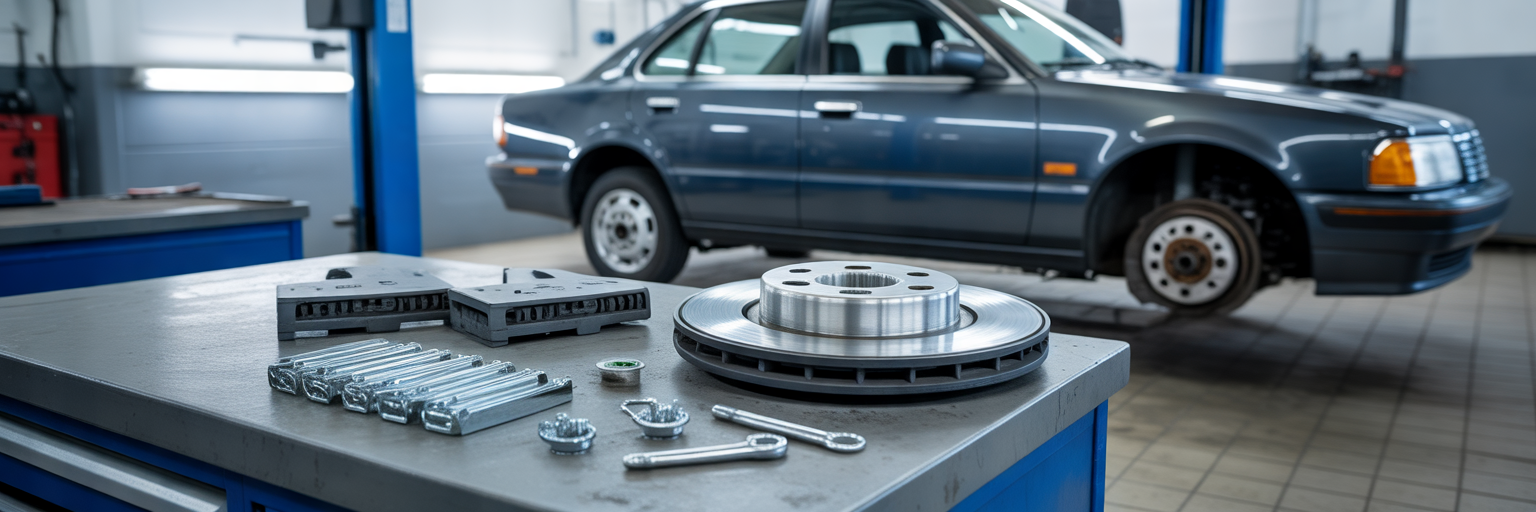
Once you understand the broad national averages, the next step is dissecting the anatomy of a dealership brake service estimate so you can verify every single charge before signing an authorization form. The largest surprise for many drivers lies in how mechanics bill for their time. Dealership service departments do not charge you for the actual minutes a technician spends working on your car on the lift. Instead, they utilize an industry standard system known as flat rate book time. Engineering guides assign a set number of hours to every specific mechanical operation based on how long the job should take an average technician using standard hand tools.
In 2026, franchise dealership labor rates routinely surpass $180 per hour in major United States metropolitan areas, with luxury brands climbing well past $220 per hour. Because a standard brake service carries a book time of roughly 1.5 to 2.2 hours per axle, labor alone quickly adds nearly $300 to $400 to your bill, even if an experienced mechanic completes the physical swap in forty five minutes.
Itemized Hardware Kits, Sensors, and Peripheral Shop Fees
Looking past the primary pads and rotors, a thorough estimate includes several smaller hardware items that keep the assembly quiet and functional. You will often see stainless steel abutment clips, acoustic anti rattle shims, and single use torque to yield caliper mounting bracket bolts that stretch when tightened and cannot be safely reused. Many modern cars also utilize clip in electronic pad wear sensors. Once your friction lining wears down to a critical depth, the rotor slices through this small sacrificial wire, illuminating your dashboard brake warning light. Because the wire breaks upon triggering, you must buy a new sensor during the repair.
Beyond physical parts and labor hours, peripheral administrative charges frequently inflate the bottom line. Dealerships normally quote an initial diagnostic inspection fee of $100 to $180, which is often waived only if you approve their recommended repair work. You will also spot a shop supply charge calculated as a percentage of total labor to cover aerosol brake cleaner, high temperature silicone lubricants, and shop rags, alongside hazardous waste disposal fees and local sales taxes. Beware of promotional postcard mailers advertising a rock bottom pad swap; those teaser rates almost always omit hardware kits, caliper slide pin lubrication, rotor replacement, and brake fluid top offs.
| Estimate Line Item | Typical Cost Range | Billing Structure | What It Covers |
|---|---|---|---|
| OEM Friction Pads | $90 to $220 | Fixed Part Price | Four factory compound brake pads for one axle |
| Brake Rotors (Pair) | $180 to $450 | Fixed Part Price | Two vented or solid cast iron discs |
| Hardware and Sensor Kit | $35 to $110 | Itemized Add On | Abutment clips, shims, bolts, and wear sensor wire |
| Flat Rate Labor | $240 to $400 | 1.5 to 2.2 Book Hours | Technician time at $160 to $200+ per hour |
| Shop Supplies and Hazmat | $25 to $55 | Percentage of Labor | Brake cleaner, silicone grease, and dust disposal |
As the breakdown above demonstrates, cost ranges for 2026 United States franchise dealerships accumulate rapidly across multiple categories. Separating flat rate labor hours, small hardware kits, and administrative shop fees allows you to see the true cost of the repair rather than focusing solely on the retail price of the friction pads.
How Vehicle Type, Axle Location, and Brake Tech Impact Pricing
Curb Weight Differences from Compact Sedans to Heavy Duty Trucks
Even at the exact same labor rate, two vehicles sitting on side by side lifts can generate wildly different invoices because vehicle architecture dictates part sizes and service procedures. Brakes operate as thermal energy converters, turning the forward kinetic energy of a moving vehicle into heat through friction. Stopping a lightweight subcompact commuter car requires relatively small cast iron discs and compact pads. Conversely, bringing a three row family SUV, a heavy duty pickup built for towing, or a high horsepower sport sedan to a halt from highway speeds generates immense thermal loads. Those heavier machines require massive internally vented rotors, high capacity calipers, and thicker friction blocks that cost significantly more to manufacture and ship.
Front Versus Rear Axle Roles and Electronic Parking Brake Calibration
Where the worn components sit on the chassis also shifts the price tag. When you decelerate, forward momentum pitches the vehicle nose downward, transferring the majority of the vehicle weight onto the front tires. Because of this physical weight transfer, the front brakes handle roughly 60 to 75 percent of the total stopping workload. We explain this dynamic in detail in our breakdown of front and rear brake pads, noting that front components are substantially larger and wear out much faster than their rear counterparts.
While rear pads are smaller and last longer, servicing the rear axle has become unexpectedly expensive due to modern cabin technology. Older vehicles used a simple mechanical handbrake lever connected to a steel cable. Most late model vehicles now feature an electronic parking brake controlled by a console switch. These setups mount motorized stepper actuators directly onto the rear calipers. A technician cannot simply squeeze those rear caliper pistons back into their bores with a C clamp without shattering the internal plastic drive gears. Instead, the mechanic must hook up a proprietary factory scan tool, command the onboard computer to retract the parking brake motors into service mode, install the pads, and run a digital calibration cycle afterward. That extra computer procedure adds billable labor time to rear brake jobs that never existed a decade ago.
Friction Compounds and Multi Piston Caliper Designs
Finally, the metallurgy of the friction material and the design of the caliper housing play a major role in your final bill. Mainstream daily drivers typically use quiet non asbestos organic compounds or low dust ceramic formulations that keep alloy wheels clean. Heavy duty trucks and performance models rely on high bite semi metallic pads packed with copper, steel, and graphite fibers that withstand brutal towing temperatures without fading, while exotic sports cars may utilize carbon ceramic discs that cost thousands per corner.
Standard passenger cars utilize floating single piston calipers that slide back and forth on two lubricated pins. Performance models and luxury imports often equip rigid fixed calipers featuring four or six opposed pistons clamping the rotor from both sides simultaneously. As we noted in our review of the best used German cars, European luxury vehicles pair these multi piston calipers with heavy high carbon rotors and electronic wear sensors at multiple corners, elevating routine dealership bills. Ultimately, curb weight, axle position, and onboard electronics directly determine the price tier of any brake job.
Why Rotor Condition and Caliper Health Change the Final Invoice
Why Dealerships Replace Rather Than Resurface Rotors Today
It is a classic service department scenario: you call ahead for a pad quote, drop the vehicle off, and receive a phone call an hour later informing you that the total has doubled because you need new rotors and caliper work. Drivers who grew up in the 1980s and 1990s often ask why the mechanic cannot simply resurface or turn the existing rotors on a shop brake lathe for a few dollars.
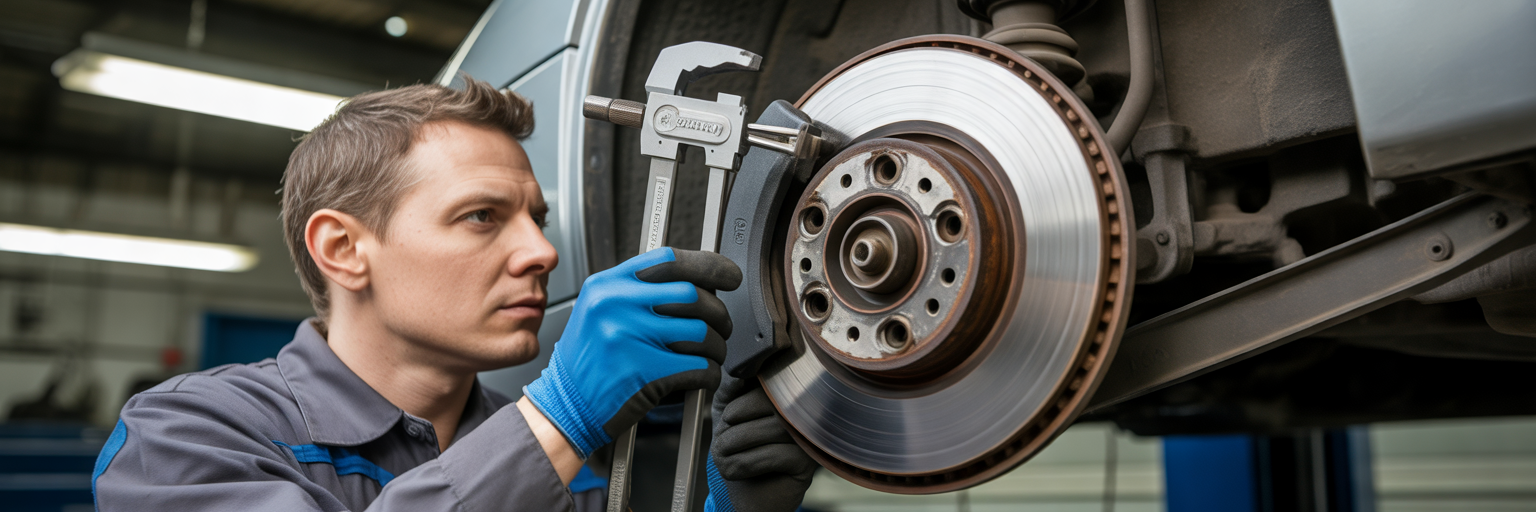
The automotive industry has largely moved away from resurfacing rotors for two practical reasons: engineering weight reduction and shop math. To maximize fuel economy and improve suspension responsiveness, modern automakers cast brake rotors much thinner than they used to, reducing unsprung rotational weight. Every rotor has a minimum safe discard thickness stamped directly into the metal casting by the factory. If a rotor wears thinner than that millimeter specification, it loses its ability to absorb heat and risks warping or cracking under severe braking. Modern discs leave almost no extra metal margin to shave away on a lathe after chewing through a set of pads. Furthermore, when dealership labor exceeds $180 an hour, paying a technician for forty five minutes of precision lathe setup per axle costs nearly as much as unbolting the old iron and installing brand new, factory balanced rotors out of a box.
Hidden Caliper and Hydraulic Issues Found After Teardown
A service advisor can only give a blind estimate over the phone; the real mechanical story appears once the wheels come off and the technician inspects the assembly with measuring tools. If you want to spot early warning signs in your own driveway, check out our guide on how to know when rotors need replacing before heading to the shop. During a professional teardown inspection, technicians check for several physical rotor defects and hidden hydraulic failures that mandate immediate component replacement:
- Minimum thickness violations verified across multiple points on the disc face using a calibrated outside micrometer
- Deep circumferential grooves scored into the iron surface by exposed pad rivets or metal backing plates
- Bluish thermal stress spots, surface glazing, and microscopic heat cracks caused by severe overheating
- Excessive lateral runout, commonly felt as a rhythmic steering wheel shudder when braking on highway off ramps
- Internal cooling vane rust collapse, a hidden hazard in Northern snowbelt states where road salt eats away the structural ribs between the two friction faces
- Seized caliper slide pins caused by dried grease or road grit, which locks one side of the caliper and creates severe tapered pad wear
- Torn rubber piston dust boots that allow water and salt to corrode the polished hydraulic cylinder bore, preventing the piston from retracting smoothly
Catching pad wear early protects these expensive surrounding components. Ignoring a harsh metal on metal grinding noise for just two weeks of commuting will gouge a reusable rotor beyond saving and superheat the brake fluid until the caliper piston seals melt, turning a routine pad swap into a costly hydraulic rebuild. Because of these hidden variables, an accurate repair total can only be confirmed after a physical micrometer measurement and a hands on hydraulic inspection.
OEM vs Aftermarket Parts and Comparing Independent Shop Quotes
Factory Assembly Line Parts Versus Automaker Value Lines
When comparing quotes between a franchise dealership and a local independent mechanic, the biggest pricing gap usually stems from the parts counter. Understanding the OEM brake pad replacement price requires looking at how factory components are engineered. Original Equipment Manufacturer pads are formulated specifically for your vehicle’s exact master cylinder bore size, weight distribution, anti lock braking modulation software, and suspension acoustics. Installing the exact compound the car rolled off the assembly line with guarantees factory pedal firmness, predictable cold morning bite, and minimal noise.
However, many car owners overlook an insider secret at the dealership counter: most major automakers actually stock two distinct tiers of factory parts. Alongside the premium assembly line boxes, such as Motorcraft OE, ACDelco GM Original Equipment, or Toyota Genuine Parts, manufacturers distribute a lower cost secondary product tier designed specifically for out of warranty vehicles. Known as value lines, including Motorcraft Omnicraft, ACDelco Silver, or Toyota Service Part Value lines, these components are approved by the automaker’s engineering teams but utilize more economical friction blends and packaging so dealerships can compete directly with independent repair chains.
How to Conduct an Apples to Apples Quote Comparison
If an independent shop or national tire chain hands you a written quote that is $250 cheaper than the dealership, do not jump at the lower number before reading the fine print. Independent shops frequently achieve rock bottom estimates by sourcing economy white box aftermarket parts from local warehouses. Those budget rotors often lack rust preventative coatings on the center hat and cooling vanes, turning orange with surface corrosion after a single rainy week, while generic one size fits all friction compounds can coat your wheels in black dust or squeal at every stoplight. Other lowball quotes simply skip rotor replacement altogether or reuse rusted hardware clips.
Conversely, dealerships frequently bridge the price gap through seasonal online service coupons, rebate offers on value line parts, or local price match guarantees. Dealership repairs also carry a 12 month or 24 month warranty honored at any franchise location nationwide, providing major peace of mind if a rotor warps while you are three states away on a summer road trip.
| Component Tier | Typical Price Level | Friction and Rotor Quality | Warranty Coverage |
|---|---|---|---|
| Factory Assembly Line OEM | Highest ($250 to $600+ parts per axle) | Exact factory spec compound and coated high carbon rotors | 12 to 24 months nationwide at any brand dealer |
| Automaker Value Line OEM | Moderate ($160 to $350 parts per axle) | Automaker approved mid grade formula for older vehicles | 12 months dealership network coverage |
| Premium Aftermarket | Moderate ($140 to $320 parts per axle) | Upgraded ceramic or heavy duty fleet formulations | Varies by independent shop or nationwide chain |
| Economy Aftermarket | Lowest ($70 to $150 parts per axle) | Generic friction blend with bare uncoated rotor hats | Limited 90 day or 1 year local shop warranty |
Evaluating these 2026 retail component tiers side by side highlights why price alone tells only half the story. Smart comparison shopping requires matching exact part grades, anti corrosion coatings, warranty terms, and complete work scopes across every estimate you collect.
Smart Questions to Ask Before Authorizing Any Brake Work

Verifying Millimeter Measurements and Discard Specs
When a service advisor calls you in the middle of a busy workday to say your brakes are getting low and need immediate replacement, passive approval almost always leads to overspending. Terms like “getting close” or “around thirty percent left” are subjective estimates that often trigger premature repairs on pads that still have ten thousand miles of safe highway life remaining. Shifting the conversation from vague percentages to objective physical measurements changes the dynamic immediately.
Clarifying Scope of Work and Requesting Visual Proof
Before you sign a repair order at the counter or give verbal authorization over the phone, walk through these seven specific questions with your service advisor to verify the mechanical need and lock down the final cost:
- Can you send me an itemized, out the door written estimate that clearly separates individual part numbers, flat rate labor hours, shop supply fees, and sales tax?
- What is the exact millimeter measurement of my remaining brake pad friction material, and what is the exact micrometer thickness of my current rotors compared to the manufacturer’s stamped discard specification?
- Does this estimate cover the front axle, the rear axle, or all four wheels, and are you installing brand new rotors or resurfacing the existing discs?
- Does the quoted labor operation include installing new stainless steel abutment clips, cleaning the caliper brackets, and lubricating the slide pins with high temperature silicone grease?
- Did you build this estimate using top tier assembly line OEM parts, and if so, how much would the total drop if we switched to your automaker value line parts tier?
- Are supplementary procedures like electronic parking brake scan tool calibration or a hydraulic brake fluid exchange included in the base quote, or are they billed as optional add ons?
- If the technician found a seized caliper piston, torn dust boot, or cracked rotor during teardown, can you text me digital inspection photos or a short walkaround video before we add those parts to the invoice?
Asking calm, measurement based questions creates instant accountability at the service desk. Advisors recognize right away that you understand braking mechanics, ensuring you only authorize and pay for repairs backed by clear physical evidence.
Evaluating DIY Brake Maintenance Against Professional Service
Tool Investments Versus Dealership Labor Savings
Once you see that flat rate labor accounts for $240 to $400 per axle on a dealership invoice, the idea of tackling the job in your own garage becomes fiercely appealing. For older pickup trucks, mainstream sedans, and non hybrid crossovers equipped with conventional mechanical disc brakes, swapping pads and rotors is one of the most rewarding entry level driveway projects you can learn.
Before you order parts online, however, you need to weigh those labor savings against the upfront cost of acquiring proper garage equipment. Never attempt brake work using the flimsy emergency scissor jack stowed in your trunk. To work safely and accurately, review our comprehensive brake pad tools checklist to make sure your garage is stocked with a heavy duty hydraulic floor jack, rated steel jack stands, wheel chocks, a calibrated half inch drive torque wrench, wire brushes, and a C clamp or rear piston wind back tool cube. If your vehicle uses a motorized rear parking brake, you will also need to invest $120 to $250 in a bidirectional OBD2 scan tool capable of commanding those rear caliper motors into service position. Buying this full kit for your very first brake job might absorb most of your initial labor savings, though the tools pay for themselves many times over on your second and third repair.
Knowing When Driveway Repairs Make Sense and When to Call a Pro
Doing the job right at home also demands patience for the small prep steps that rushed weekend mechanics frequently skip. When you pull an old rotor off a vehicle, the underlying steel wheel hub flange is almost always crusted with rust scale. If you bolt a brand new rotor directly over that uneven rust without scrubbing the hub face shiny clean with a wire brush, the new disc will sit at a microscopic angle, creating lateral runout and pedal pulsation within a few thousand miles. You must also apply pure synthetic silicone brake grease to the caliper slide pins rather than standard petroleum wheel bearing grease, which causes rubber boots to swell and bind. Finally, once the wheels are torqued down, you need to follow the proper thermal transfer sequence outlined in our guide on how to bed in brake pads to mate the new friction compound evenly to the iron discs.
Even seasoned home mechanics know when to hand the keys to a dealership professional. Vehicles equipped with pressurized electro hydraulic brake by wire systems, complex hybrid regenerative braking systems that require factory software bleeding routines, undercarriage bolts rusted solid from a decade of harsh winter salt, or active ABS hydraulic module fault codes belong on a professional dealership lift. Whether you decide to pick up a torque wrench in your own driveway or authorize the work at a franchise service counter, understanding the mechanical realities and pricing structures behind the invoice puts you firmly in the driver’s seat.