
Every year in the United States, millions of vehicles suffer severe collision damage, flood submersion, or persistent factory defects that permanently alter their legal status. Before handing over hard earned cash for a seemingly discounted ride, having title brands explained clearly is the surest way to protect your wallet and your safety on the road.
Title Brands Explained and Why State Agencies Issue Them
Scrolling through online classifieds reveals plenty of late model trucks and sporty coupes priced thousands of dollars below normal retail value. Catching that bargain price usually comes down to having title brands explained before you ever set foot in a seller’s driveway. At its core, the branded title meaning refers to a permanent, state mandated legal designation stamped directly onto a vehicle certificate of title to warn future buyers about a major historical event. As outlined in the official California DMV guide on branded titles, these administrative notations exist to protect consumers by permanently recording when a vehicle has been written off by an insurer, repurchased by a manufacturer, or subjected to odometer tampering.
Clean Titles vs Branded Designations
For most drivers, a clean title serves as the gold standard of used car shopping, yet that label carries a massive gray area that trips up even seasoned backyard mechanics. A clean title simply means no total loss or legal threshold event was formally reported to an insurance carrier or state Department of Motor Vehicles. It does not guarantee an accident free past. A vehicle holding a clean title could still have slid into a ditch and suffered significant suspension and body damage that the owner repaired out of pocket at a local shop to avoid an insurance claim. Conversely, a branded designation leaves zero ambiguity that the car crossed an official legal or financial tripwire requiring state intervention.
How NMVTIS Tracks History and How Title Washing Happens
Keeping track of damaged vehicles across fifty different state jurisdictions requires a centralized federal net. The National Motor Vehicle Title Information System, commonly known as NMVTIS, operates under the Department of Justice to connect state titling agencies, insurance carriers, and salvage yards into a unified database. Once an insurer declares a vehicle a total loss, that seventeen digit Vehicle Identification Number is logged into NMVTIS so the notation follows the chassis across state lines.
Dishonest resellers still try to beat this system through an illegal process known as title washing. Because states define damage categories differently, flippers sometimes transport a wrecked or waterlogged car to a jurisdiction with looser inspection definitions or administrative loopholes to apply for a fresh document that omits the prior brand. Running a comprehensive vehicle history report serves as your primary filter for catching these cross border discrepancies early in your search. Understanding the legal origin of a title notation is a buyer’s primary defense against overpaying for a compromised machine.
Salvage vs Rebuilt Designations After a Total Loss
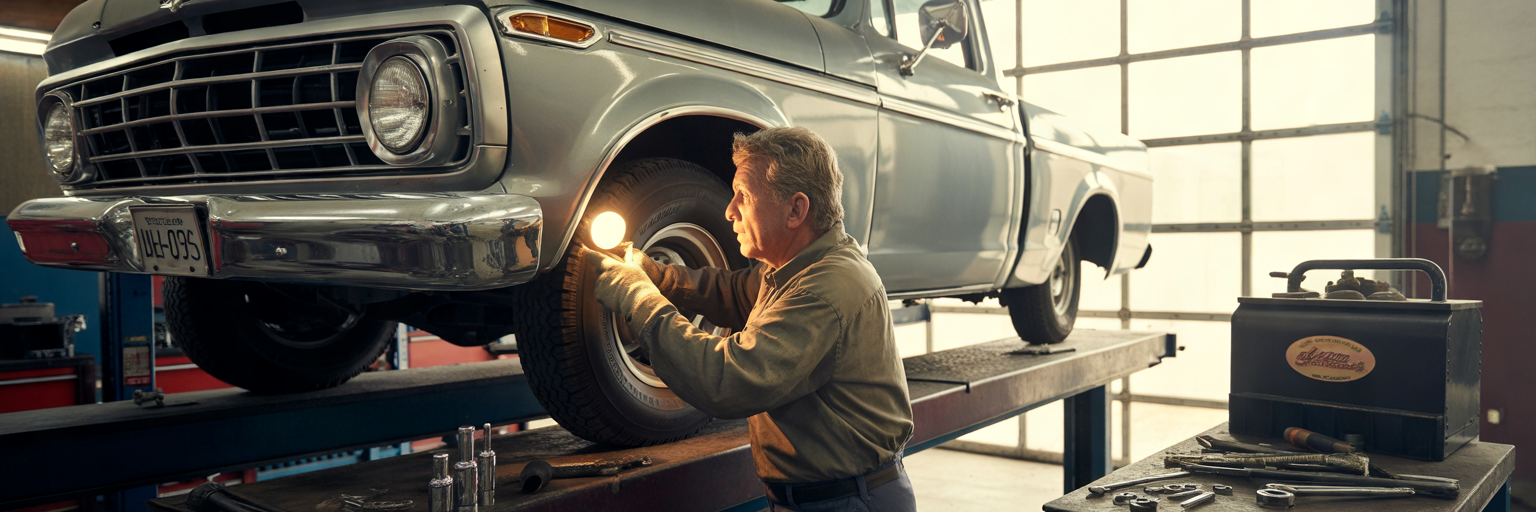
Once a vehicle crosses an insurance company’s financial threshold after an accident, its paperwork changes immediately. Understanding the exact legal and mechanical transition in a salvage vs rebuilt title scenario ensures you never confuse an uninsurable parts hulk with a street legal commuter on a classified listing.
How Insurance Total Loss Thresholds Trigger a Salvage Brand
Insurance adjusters do not declare a vehicle a total loss based on emotion or how dramatic a crumpled fender looks in a tow yard. Instead, they rely on strict state regulated formulas. An insurer issues a salvage certificate when the estimated cost of repairs plus the vehicle’s projected scrap value exceeds a specific percentage of its pre accident actual cash value. Depending on state law, this total loss threshold typically ranges from 70 percent to 100 percent of what the car was worth right before impact.
Once that math triggers a write off, the original clean title is surrendered and replaced with a salvage document. Shoppers must understand one non negotiable rule regarding this status: a vehicle carrying an active salvage certificate cannot be legally driven, plated, or registered for use on public highways.
The State Inspection Path From Salvage to Rebuilt
Returning a totaled vehicle to daily traffic requires transforming that salvage certificate into a rebuilt or reconstructed brand. After a body shop or private rebuilder repairs the damage, the car must pass a state salvage inspection conducted by the state highway patrol or Department of Motor Vehicles. Many first time buyers assume this government sign off acts as a rigorous mechanical and safety endorsement.
In reality, state salvage inspections primarily exist to combat auto theft and chop shop operations. Inspectors check the physical vehicle alongside original part receipts and donor car VIN tags to verify that stolen fenders, airbags, or engines were not used during the restoration. While inspectors verify that basic roadworthy equipment like turn signals, horn, and wipers function, they do not perform X-ray structural engineering checks on frame welds or guarantee long term mechanical reliability.
Cosmetic Total Losses on Older Rides vs Severe Modern Trauma
Evaluating a rebuilt vehicle requires looking closely at the calendar and the vehicle’s market value at the time of the crash. Because insurance formulas weigh repair labor and paint costs against cash value, an older sedan or budget pickup can be totaled out over surprisingly minor damage. A ten year old commuter car worth four thousand dollars might receive a salvage brand from a low speed parking lot bump that cracked a plastic bumper cover, broke two headlight assemblies, and dented a radiator support. In fact, shoppers browsing our guide to the best used cars for first-time buyers under $12,000 often encounter older, mechanically sound sedans that were written off simply because body shop labor rates outpaced the car’s modest book value.
Contrast that scenario with a two year old sports car or heavy duty pickup carrying a rebuilt designation. If a truck worth fortyfive thousand dollars crossed a 75 percent damage threshold, it absorbed massive structural trauma, airbag deployment, or drivetrain destruction to rack up over thirty thousand dollars in repair estimates. Separating a harmless cosmetic write off on an older ride from a high risk structural rebuild on a nearly new machine is essential before you consider making an offer.
Flood, Hail, and Fire Damage Designations
Collisions are not the only events that permanently stain a vehicle’s record. Mother Nature routinely totals out thousands of cars at a time, and knowing how to evaluate environmental brands requires grabbing a bright flashlight and looking far beneath the shiny exterior paint.
Why Saltwater and Freshwater Submersion Ruin Modern Electronics
Few phrases should make a used car shopper sprint in the opposite direction faster than flood title car risks. While unscrupulous sellers often claim a flood vehicle only had wet carpets from an open window or a minor puddle, insurance companies only brand a vehicle for water damage when rising freshwater from a river or coastal hurricane saltwater submerges the cabin High enough to threaten electrical systems.
Modern vehicles rely on dozens of computers communicating across sensitive controller area network buses. When water enters a cabin, capillary action causes moisture to wick deep inside copper wiring harnesses, traveling several feet upward beneath the plastic insulation where air cannot dry it out. Saltwater accelerates this destruction dramatically, leaving behind conductive mineral deposits that eat through circuit boards. Even if a flooded vehicle starts and drives fine on the day of your test drive, green copper corrosion slowly spreads inside body control modules, fuse boxes, and airbag crash sensors, causing catastrophic and unfixable electrical failures months or years after the upholstery dries out.
Spotting Physical Clues of Hidden Water Intrusion
Because cosmetic detailers can steam clean seats and mask damp carpets with heavy chemical air fresheners, hands on buyers need to inspect hidden crevices that pressure washers miss. Before trusting any vehicle from a hurricane or flood zone, check these exact physical inspection points:
- Fine silt, dried mud lines, or organic debris trapped behind plastic interior kick panels and underneath the spare tire well carpeting
- Crusty white or chalky gray oxidation growing on bare aluminum brackets, pedal assemblies, and steering column joints beneath the dashboard
- A sour, lingering mildew odor that blows through the cabin vents the moment you switch the HVAC blower fan to high heat
- Foggy condensation droplets or dried water rings visible inside sealed LED headlight and taillight housings
- Premature, flaky surface rust coating the unpainted steel seat track bolts, seat belt anchors, and parking brake cables
Thermal Fire Damage vs Cosmetic Hail Dimples
Not all environmental brands carry the same mechanical doom. Fire damage designations sit right alongside flood cars in the category of vehicles you should immediately pass up. Extreme thermal exposure from an engine bay or cabin fire anneals high strength structural steel, permanently weakening the metal so it can no longer protect occupants in a crash. Heat also melts wiring insulation and leaves corrosive chemical residue from fire extinguishers tucked inside every body seam.
Hail damage brands tell a completely different story. When a severe hailstorm pummels a dealership lot, insurers frequently write off vehicles purely because the labor cost of paintless dent repair, aluminum hood replacement, and cutting off a welded steel roof skin exceeds the vehicle’s cash value. Underneath those exterior dimples, the engine, transmission, suspension, and wiring harnesses remain completely untouched and factory fresh. For enthusiasts scanning our roundup of the best used SUVs for off-roading under $15,000, a hail branded four wheel drive rig with intact glass can be an incredible bargain since rocky trails and low hanging branches are going to dent the sheet metal anyway. Daily drivers should always walk away from flood and fire titles while keeping an open mind toward verified hail vehicles.
Lemon Law Buybacks and Odometer Discrepancy Brands
Stepping away from physical crashes and storms, another category of title brands stems from factory floor defects and dashboard tampering. As detailed in the Minnesota Department of Public Safety vehicle title brands resource, state agencies strictly categorize manufacturer buyback disclosures and mileage notations so consumers know when a vehicle failed its original warranty or lost its verifiable mileage chain.
Evaluating a Manufacturer Buyback or Lemon Title
A lemon law buyback title is created when a brand new vehicle suffers a chronic mechanical or software defect under factory warranty that authorized dealership technicians cannot fix within a state mandated number of repair attempts or total cumulative days out of service. Once the automaker repurchases the vehicle from the frustrated original owner, state laws require the manufacturer to repair the underlying defect and stamp the title as a lemon buyback before sending the car to a wholesale auction.
Approaching a lemon vehicle requires a balanced perspective. In some cases, a vehicle was bought back simply because a global supply chain backlog kept a replacement transmission or hybrid battery on backorder for sixty days, forcing an automatic statutory repurchase even though the final installed part fixed the car completely. In other scenarios, the car suffered from intermittent electrical phantoms, parasitic battery drains, or complex infotainment freezes that technicians could never replicate on command. If you cannot review the exact factory warranty repair orders showing a definitive mechanical component replacement, those elusive gremlins can easily resurface in your driveway.
Decoding Not Actual Mileage and Mechanical Limit Brands
Odometer brands represent a completely different type of risk centered on mechanical wear rather than sudden trauma. When a state agency stamps a title with Not Actual Mileage or Exceeds Mechanical Limits, it means the true distance the chassis has traveled can no longer be legally verified. On older analog classics with five digit odometers, rolling past ninetynine thousand miles naturally triggers an Exceeds Mechanical Limits notation.
On modern vehicles, however, a Not Actual Mileage brand usually stems from one of two events: an owner swapped out a broken digital instrument cluster with a used junkyard unit without having a dealer reprogram the mileage, or a seller committed deliberate odometer rollback fraud to make a high mileage fleet vehicle look barely driven. Our dedicated guide on how to spot odometer rollback in history reports explains how inconsistent service entries expose these schemes. Without an accurate odometer reading, you lose all ability to predict timing belt failure, transmission fluid degradation, and internal piston ring wear. While a lemon buyback can be a calculated risk if accompanied by factory repair orders, an odometer brand turns every mechanical system on the car into an expensive guessing game.
How Title Brands Impact Insurance, Financing, and Resale Value
Even if a reconstructed vehicle tracks straight down the highway and passes your mechanical inspection with flying colors, the paperwork hurdles are just beginning. The financial reality of buying a rebuilt title car hits home the moment you visit your bank loan officer or insurance agent.
Lender Restrictions and Auto Loan Hurdles
Major national banks, automaker captive finance arms, and traditional credit unions routinely reject auto loan applications for branded title vehicles. Lenders rely on predictable wholesale book values to secure the car as collateral in case a borrower defaults on payments. Because a branded vehicle carries a permanently uncertain market value, banks refuse to take on that collateral risk.
Unless you plan to pay for the vehicle outright in cash, financing options are scarce. The few specialized credit unions or local lenders willing to finance a rebuilt or lemon vehicle usually protect themselves by demanding a hefty down payment, restricting the loan to a short thirty-six month repayment window, and charging an interest rate several percentage points higher than standard used car loans.
Insurance Coverage Limits and Claim Payout Disputes
Securing proper insurance coverage presents an equally frustrating obstacle course. While most major US insurance carriers will write a state minimum liability policy on a road legal rebuilt vehicle so you can legally obtain license plates, getting full comprehensive and collision coverage is far harder. Many standard carriers flatly refuse to insure the physical sheet metal of a previously totaled car because their adjusters cannot separate pre existing hidden damage from fresh accident damage.
Even when an insurer agrees to sell you a full coverage policy, a painful financial catch awaits if the vehicle is ever stolen or totaled a second time. During a claim settlement, insurance adjusters drastically slash the actual cash value payout on a branded car, often paying out half of what a clean title model would bring, even though you paid standard monthly premiums. You should always call your insurance agent with the exact VIN to request a binding coverage quote and valuation estimate before buying.
Resale Liquidity and the 30 to 50 Percent Market Discount Rule
Eventually, you will want to sell or trade in the vehicle, and that is when resale liquidity dries up. Franchise new car dealerships almost never place branded vehicles on their front retail lots due to liability concerns and financing blocks. If you bring a rebuilt car to a dealership as a trade in, the sales manager will only offer rock bottom wholesale salvage auction value, which is often pennies on the dollar. Selling privately takes months longer because the vast majority of used car shoppers filter out branded titles immediately.
To protect your finances, enthusiasts follow one strict pricing rule: a branded vehicle must sell for 30 percent to 50 percent less than an equivalent clean title counterpart to make financial sense. If a clean title pickup sells for twenty thousand dollars, a rebuilt version should never cost more than ten thousand to fourteen thousand dollars. Seller claims that the car is worth ninety percent of book value because it was fixed right should be ignored.
Comparison of Major US Vehicle Title Brands and Ownership Impact
| Title Brand | Public Road Legality | Typical Market Discount vs Clean Title | Financing and Insurance Availability | Primary Ownership Risk |
|---|---|---|---|---|
| Salvage Title | Illegal to drive or plate until inspected | 60% to 80% lower (parts or project value) | No traditional auto loans; cannot be insured for street use | Requires major restoration and state inspection to become drivable |
| Rebuilt or Reconstructed | Legal once state salvage inspection passes | 30% to 50% lower | Cash or select credit unions; liability easy, full coverage restricted | Hidden structural compromises and shoddy body shop workmanship |
| Flood or Water Damage | Varies by state; often restricted to parts only or rebuilt flood | 50% to 75% lower | Extremely difficult to finance or insure beyond basic liability | Delayed wiring harness corrosion and unpredictable module failure |
| Hail Damage | Legal in most states if glass and lights remain intact | 20% to 40% lower | Limited lender support; comprehensive coverage often excludes body panels | Cosmetic exterior dimples and severely reduced dealer trade-in interest |
| Lemon Law Buyback | Legal with mandatory state manufacturer disclosure | 15% to 30% lower | Financially viable through many lenders; normal insurance rates apply | Potential recurrence of the original factory defect if electrical in nature |
| Not Actual Mileage (Odometer) | Legal to register and drive | 30% to 50% lower | Lenders hesitate due to unknown collateral value; standard liability insurance | Impossible to verify true mechanical wear on engine and drivetrain |
Reviewing how each designation behaves in the marketplace makes it clear that cosmetic hail damage and documented lemon buybacks preserve far more utility than flood or structural salvage vehicles. Valuation discounts and coverage guidelines reflect standard United States automotive wholesale auction benchmarks, national lender collateral policies, and state DMV registration rules.
Safety, Structural Integrity, and Long-Term Repair Risks
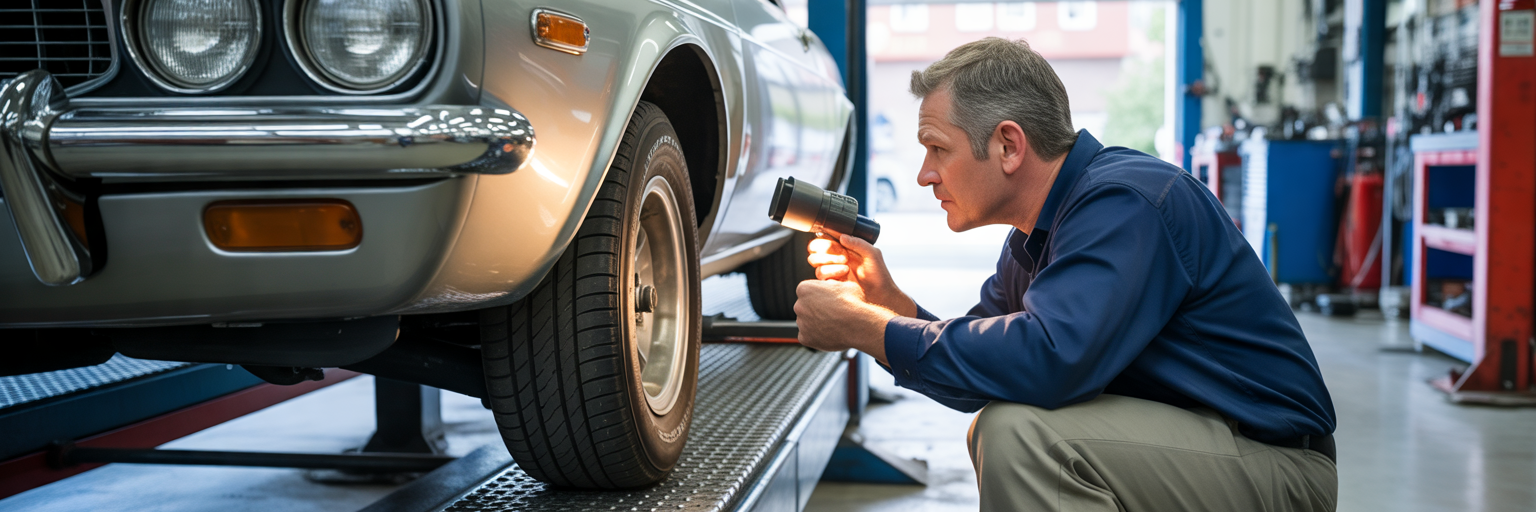
Financial headaches pale in comparison to what happens when a poorly reconstructed vehicle is involved in a second highway collision. Cutting corners on modern collision repairs directly compromises the physical safety cell engineered to keep you and your passengers alive.
Compromised Unibody Crumple Zones and Improper Frame Welds
Modern cars and crossovers no longer sit on simple, forgiving iron ladder frames that can be heated with a torch and hammered back into shape. Contemporary unibody chassis rely on precisely engineered crumple zones constructed from ultra high strength boron steel, hydroformed tubes, and lightweight aluminum alloys. These structures are designed to deform in a specific sequence, absorbing and redirecting kinetic crash energy around the passenger cabin.
When a budget flipper buys a wrecked car at auction to maximize profit, they rarely pay for certified frame table sectioning. Instead, they often yank bent frame rails straight using a basic floor chain rack and weld replacement clip sections using standard MIG welding wire where the factory specified structural adhesives, silicon bronze brazing, or resistance spot welds. Excessive welding heat destroys the metallurgical temper of ultra high strength steel, turning a resilient crumple zone into brittle metal that snaps or folds directly into the footwell during a subsequent crash. Even minor inaccuracies in frame pulling leave the chassis with tweaked subframes that cause chronic suspension geometry alignment failures, rapid inner tire wear, and front end binding that explains why a car makes a clunking noise when turning the steering wheel during daily driving.
Bypassed Airbags and Supplemental Restraint Shortcuts
One of the darkest secrets in the cut rate salvage rebuilding business involves supplemental restraint system fraud. When a modern vehicle suffers a moderate front or side impact, it frequently deploys the steering wheel airbag, passenger dashboard bag, side curtain airbags, knee bolsters, and pyrotechnic seat belt pretensioners simultaneously. Purchasing brand new factory airbag modules, replacing melted wiring connectors, and installing a fresh crash sensor control unit can easily cost three thousand to five thousand dollars in parts alone.
To avoid eating that cost, unethical rebuilders sometimes cut out the deployed fabric bags, stuff shop rags or expanding foam behind the torn steering wheel horn cover, glue and paint the vinyl seam shut, and install cheap counterfeit plastic covers. To prevent the dashboard airbag warning light from alerting the buyer, they solder a five cent electrical resistor across the airbag wiring harness plug. That resistor mimics the exact electrical resistance of a live airbag squib, tricking the onboard computer into turning off the warning light while leaving the driver with zero protection in a crash.
Voided Factory Warranties and Excluded Recall Coverage
Beyond physical safety risks, buyers must account for the total loss of manufacturer support. The exact moment an insurance carrier brands a late model vehicle as salvage, rebuilt, flood, or fire damaged, the automaker flags that VIN in its national dealer network and permanently voids all remaining bumper to bumper, powertrain, and corrosion factory warranties. Even if a three year old truck only has twenty thousand miles on the odometer and suffered rear bumper damage, if the engine drops a valve or the ten speed automatic transmission fails six months later, the dealership will hand you the full repair bill. While manufacturers still generally honor federal safety recalls on branded cars, any extended factory service bulletins or goodwill repairs are permanently off the table. Saving five thousand dollars on a sporty coupe or family truck is never worth riding inside a compromised safety cell.
Essential Questions and Inspection Steps Before Buying a Branded Vehicle
If you find a rebuilt, hail, or lemon vehicle priced at a steep 40 percent discount and decide the potential savings justify a closer look, you must replace casual optimism with a strict investigative playbook. Never take a seller’s word at face value when evaluating a previously totaled machine.
Direct Questions and Documentation to Demand From the Seller
Before you waste gas driving across town to look at a branded car, conduct a thorough interrogation over the phone or email. Legitimate rebuilders who take pride in their craft keep thick folders of documentation for every project they complete. Demand clear answers and physical proof for these four essential questions:
- What exact incident triggered the brand, which state issued it, and do you have the original insurance loss estimate sheet?
- Can you provide high resolution photos of the vehicle sitting in the salvage auction yard before a single wrench was turned?
- Who performed the reconstruction, and do you have itemized invoices proving OEM or certified replacement parts were installed rather than junkyard cut outs?
- Do you have the post repair four wheel laser alignment printout showing camber, caster, and thrust angle within factory specs, alongside the state salvage inspection certificate?
Pay close attention to how the seller reacts to these requests. If a private seller or small curbstone dealer claims they bought the car already fixed at auction, lost the crash photos, or has no part receipts to show you, end the conversation immediately and move on.
Executing a Two-Part Collision and Mechanical Pre-Purchase Inspection
When a seller provides convincing crash photos showing light cosmetic trauma and full repair invoices, your next step is an independent professional evaluation. However, a standard pre purchase inspection at a general mechanic or quick lube shop is completely inadequate for a rebuilt vehicle. General mechanics change brakes and diagnose check engine lights, but they rarely possess collision frame equipment.
You need to execute a two stage inspection. First, take the vehicle to an independent collision and frame shop. Ask a certified body technician to put the car on a lift to measure chassis datum points, inspect factory pinch welds for clamp marks, verify uniform door and hood panel gaps, look for paint overspray on rubber weatherstripping, and scan the supplemental restraint system computer while physically peeking behind interior trim panels to confirm real, unblown airbags are bolted in place. Second, bring the vehicle to a trusted mechanical specialist to pressure test the cooling system, check drivetrain health, and verify that all charging and communication buses operate without fault codes.
Final Pre-Purchase Verification Checklist
Once the vehicle clears both the body shop and mechanical inspections, complete a final verification sequence before signing the bill of sale. Cross reference the VIN against an official NMVTIS history report to confirm no unmentioned flood or odometer notations are lurking in out of state records. Call your auto insurance provider with the exact seventeen digit VIN to lock in a binding coverage quote and verify whether they will grant comprehensive and collision protection. Finally, contact your local DMV branch to verify whether an out of state rebuilt title transfers directly into your state or requires a fresh local highway patrol salvage inspection upon arrival.
Walking through these rigorous steps takes patience, yet it is the only reliable way to separate a genuine diamond in the rough from a rolling financial disaster. Remember that the automotive market is vast, and you never have to settle for a questionable history to stay within your budget. Whether you are hunting for a weekend project or browsing our guide to the top reliable used trucks under $25,000, plenty of clean, uncompromised vehicles exist on the market, and walking away from an undocumented rebuild is always the smartest move you can make.