
A tire is the only part of your vehicle that touches the road. That simple fact makes understanding its specifications one of the most important things a car owner can do. The string of letters and numbers on your tire’s sidewall isn’t just technical jargon; it’s a vital manual for your car’s safety and performance.
Why Your Tire’s Sidewall Code Matters
Before we learn how to read tire size, it’s essential to understand why it matters. Those car tire sidewall markings are directly tied to your vehicle’s ability to perform safely. An incorrect tire size can seriously compromise handling, increase braking distance, and reduce stability. Imagine swerving to avoid an obstacle on the highway; the right tires respond predictably, while the wrong ones could lead to a loss of control.
The consequences extend beyond emergency maneuvers. A tire that isn’t rated for your vehicle’s weight can overheat and fail, leading to a dangerous blowout. This isn’t just about performance; it’s about fundamental safety for you and your passengers.
Beyond safety, your tire choice directly impacts your wallet and driving experience. A mismatched tire can create a rougher, noisier ride and hurt your fuel economy due to increased rolling resistance. That seemingly small difference in size translates to more frequent stops at the gas pump.
For owners of modern vehicles, there’s another critical layer. Advanced systems like Anti-lock Brakes (ABS), Traction Control (TCS), and All-Wheel Drive (AWD) rely on precise data from wheel rotation speed. A tire with even a slightly different diameter sends incorrect information to the car’s computer. This can cause these safety systems to engage when they shouldn’t or fail to activate when you need them most, turning a helpful feature into a potential hazard.
Breaking Down the Primary Tire Size Code
Now that we know why these numbers are so critical, let’s figure out what do tire numbers mean. We’ll use a common example, P225/60R17, and break it down piece by piece. Think of it as learning a new, simple language that tells you everything about your tire’s physical dimensions.
Service Type Letter (P, LT, ST)
The letter at the beginning tells you the tire’s intended use. ‘P’ stands for Passenger, meaning it’s designed for vehicles like sedans, minivans, and most SUVs. ‘LT’ means Light Truck, built for vehicles that handle heavier loads or towing, like the new 2025 Ford F-150. ‘ST’ is for Special Trailer tires, which you should only use on trailers. If there’s no letter, it’s likely a Euro-Metric tire, which for most drivers is functionally similar to a ‘P’ tire.
Tire Width (e.g., 225)
The first number in the sequence, 225 in our example, is the tire’s width from sidewall to sidewall, measured in millimeters. A simple way to think about it is that a wider tire creates a larger footprint on the road. This can improve grip and handling, especially on dry pavement, but might also affect fuel efficiency.
Aspect Ratio (e.g., 60)
The next number is the aspect ratio, which sounds more complicated than it is. It’s simply the height of the tire’s sidewall expressed as a percentage of its width. So, a ’60’ means the sidewall height is 60% of the tire’s 225mm width. There’s a trade-off here: a lower aspect ratio means a shorter sidewall, which provides a stiffer, sportier feel common on performance vehicles like modern muscle cars. A higher number means a taller, more flexible sidewall that absorbs bumps better for a more comfortable ride.
Construction Type (e.g., R)
The letter ‘R’ stands for Radial construction. This is the modern standard for nearly all tires sold today. Radial tires have internal ply cords that run perpendicular to the direction of travel, which allows for a smoother ride, better tread life, and improved fuel economy compared to older bias-ply designs.
Wheel Diameter (e.g., 17)
The final number indicates the diameter of the wheel the tire is designed to fit, measured in inches. In our example, the tire fits a 17-inch wheel. This is a non-negotiable measurement. The tire’s diameter must exactly match your vehicle’s wheel diameter. You can’t fit a 17-inch tire on an 18-inch wheel, or vice versa.
Understanding Load Index and Speed Rating
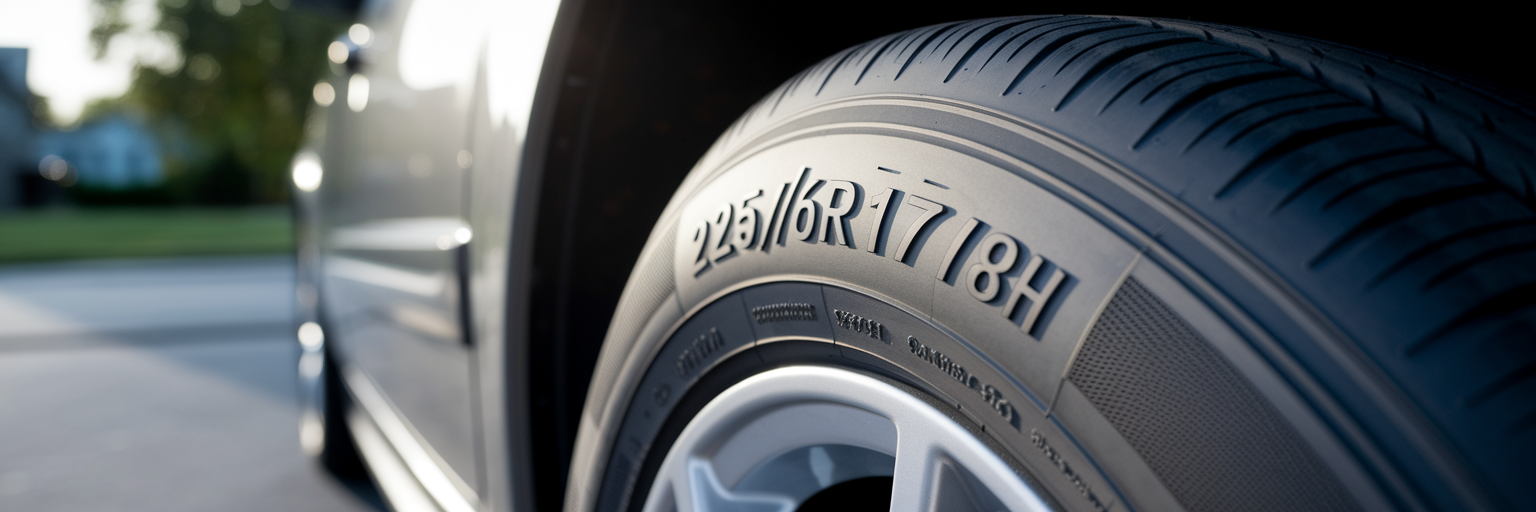
Following the main size code, you’ll find a number and a letter, such as ’98H’. These characters aren’t about physical size; they define the tire’s performance and safety limits. Ignoring them is a common and dangerous mistake.
The number is the Load Index. It’s a code that corresponds to the maximum weight each tire can safely support when properly inflated. A ’98’ doesn’t mean 98 pounds; it corresponds to 1,653 pounds on a standardized chart. It is absolutely critical that the load index of your new tires is equal to or greater than the rating of your vehicle’s original tires. This ensures they can handle the vehicle’s weight, plus any passengers and cargo.
The letter is the Speed Rating, which indicates the maximum sustained speed the tire can safely handle. This isn’t an invitation to drive at 130 mph just because you have ‘H’ rated tires. Instead, it’s an indicator of the tire’s overall capability, including its ability to dissipate heat at highway speeds. A higher speed rating generally means better handling and grip. Here is a partial tire size chart explained for common speed ratings:
| Speed Rating | Maximum Speed (MPH) | Typical Vehicle Type |
|---|---|---|
| S | 112 mph | Family Sedans and Minivans |
| T | 118 mph | Family Sedans and SUVs |
| H | 130 mph | Sport Sedans and Coupes |
| V | 149 mph | Performance Sedans and Sports Cars |
| Z | 149+ mph | High-Performance Sports Cars |
This table shows some of the most common speed ratings found on passenger vehicles in the United States. Always refer to your vehicle’s specifications to select the correct rating.
We stand firm in this belief: never choose a tire with a lower load index or speed rating than what your vehicle manufacturer recommends. Doing so compromises safety and performance.
Additional Sidewall Information You Shouldn’t Ignore
Beyond the primary size code, other markings on the sidewall offer crucial information about a tire’s age, quality, and suitability for different weather conditions. Paying attention to these details helps you make a smarter purchase.
First is the DOT Code and Manufacturing Date. The ‘DOT’ letters confirm the tire meets standards set by the U.S. Department of Transportation. The most important part of this code is the last four digits, which tell you when the tire was made. For example, ‘3224’ means it was manufactured in the 32nd week of 2024. Why does this matter? Rubber degrades over time, even when unused. Checking this date helps you avoid buying “new old stock” that may already be compromised.
Next are the UTQG Ratings, which stand for Uniform Tire Quality Grading. This system provides a simple benchmark for Treadwear, Traction, and Temperature resistance. Treadwear is a relative number; a tire with a 500 rating should last longer than one with a 250 from the same brand. Traction is graded from AA (best) to C, and Temperature is graded from A (best) to C. According to experts at Michelin, these ratings help consumers make more informed decisions by providing a simple benchmark for comparing tires under controlled conditions.
Finally, look for the M+S and Winter Tire Symbols. Many people confuse ‘M+S’ (Mud and Snow) with the Three-Peak Mountain Snowflake (3PMSF) symbol. ‘M+S’ simply indicates a tire’s tread pattern is designed to perform better than a summer tire in slushy or muddy conditions. The 3PMSF symbol, however, means the tire has passed a standardized industry test for severe snow traction. For drivers in states like Colorado or Minnesota, looking for the 3PMSF symbol is essential for safe winter driving.
How to Find Your Vehicle’s Recommended Tire Size

Now for the most practical question: what is the process for finding my car’s tire size? Fortunately, manufacturers make this information easy to locate. Here are the most reliable places to look:
- The Vehicle Information Placard: This is your most trustworthy source. Look for a sticker on the driver’s side door jamb. It lists the original equipment (OE) tire sizes and the correct inflation pressures recommended by the engineers who designed your car. This is standard across almost every vehicle, from a dependable Honda sedan to a large SUV.
- The Owner’s Manual: Your second-best option is the owner’s manual. It contains the same information as the placard and sometimes includes additional details, like alternative tire sizes for different trim levels or recommendations for towing.
- The Sidewalls of Your Current Tires: While convenient, this method comes with a warning. The tires currently on your car might be the wrong size, especially if you bought the vehicle used. A previous owner may have installed an incorrect size to save money or for aesthetic reasons. Always cross-reference the size on your current tires with the door placard or owner’s manual before buying replacements.
Choosing the Right Tires and Avoiding Common Pitfalls
With a clear understanding of the codes on your tire’s sidewall, the process of choosing correct tire size becomes much simpler. For the vast majority of drivers, our conviction is clear: sticking to the manufacturer’s Original Equipment (OE) size is the safest and most reliable choice. Vehicle engineers spend countless hours balancing safety, comfort, fuel efficiency, and handling to select that specific size for a reason.
Some enthusiasts opt for “Plus Sizing,” which involves using larger wheels with shorter-sidewall tires for a sportier look. While it can enhance cornering grip, this modification comes with trade-offs, including a harsher ride, higher replacement costs, and potential speedometer inaccuracies. For everyday driving, the benefits rarely outweigh the drawbacks.
To ensure you make a confident and safe choice, avoid these common mistakes:
- Mixing different tire sizes, brands, or even tread patterns on the same vehicle. This is especially dangerous for AWD models, as it can damage the drivetrain.
- Ignoring the load and speed ratings to save a few dollars. This directly compromises your vehicle’s safety margins.
- Using a tire type unsuited for your climate, like running summer performance tires through a snowy winter.
- Forgetting to check the manufacturing date on “new” tires to ensure you’re not buying aged rubber.
By understanding these numbers, you are no longer just a customer but an informed owner. You can walk into a tire shop with confidence, ask the right questions, and ensure you get the right product for your vehicle. If you’re interested in more tips on car ownership and maintenance, you can find a wealth of information on sites like CarPhanatics.