
For decades, the compact sports sedan has been the proving ground for German automakers. It’s a segment where raw power must coexist with daily usability, and brand philosophies are put to the ultimate test. In this enduring rivalry, the BMW M340i vs Audi S4 represents the pinnacle of the modern luxury performance sedan comparison. Both offer turbocharged six-cylinder engines, all-wheel drive, and premium interiors, yet they deliver fundamentally different experiences. One is a precision tool built for unflappable speed, while the other is an athlete that begs to be driven hard. Choosing the best sports sedan 2026 depends entirely on what you value behind the wheel.
Engine Character and Raw Performance
At the heart of this battle are two distinct powertrain philosophies. The BMW M340i features the legendary B58 3.0-liter turbocharged inline-six. This engine is celebrated for its silky-smooth power delivery and a linear torque curve that pulls relentlessly to the redline. It feels eager and energetic, a direct descendant of BMW’s most iconic straight-six engines. The power builds in a predictable, exciting wave, rewarding drivers who explore the upper reaches of the tachometer. The sound is a crucial part of the experience; it starts as a refined hum and builds into a classic metallic rasp, a mechanical symphony engineered for pure driver engagement.
In contrast, the Audi S4’s 3.0-liter turbocharged V6 is a powerhouse of refined muscle. Its character is defined by a massive swell of low-end torque that delivers effortless, immediate acceleration from a standstill. Where the BMW’s engine wants to be revved out, the Audi’s V6 provides its punch almost instantly, making it feel incredibly potent in city driving and highway passing maneuvers. The auditory experience is more subdued. The S4 emits a deep, bass-heavy growl that signifies power without shouting about it. It’s a potent but less dramatic sound, focused on conveying capability with an air of sophistication.
On paper, their performance seems nearly identical. Both sedans rocket from 0-60 mph in the low four-second range, but the way they achieve that speed feels worlds apart. The M340i’s launch is a visceral, dramatic event, with the engine singing as the car surges forward. The S4’s launch is brutally efficient and composed. It simply grips and goes with an almost electric-like immediacy, pinning you to your seat without any fuss. The BMW provides the thrills, while the Audi delivers the results with unshakable composure.
| Specification | BMW M340i | Audi S4 |
|---|---|---|
| Engine Configuration | 3.0L Turbocharged Inline-6 (B58) | 3.0L Turbocharged V6 |
| Horsepower | ~382 hp | ~349 hp |
| Torque | ~369 lb-ft | ~369 lb-ft |
| 0-60 MPH (mfr. est.) | ~4.1 seconds (xDrive) | ~4.4 seconds |
| Engine Character | Linear, high-revving, smooth | Torquey, immediate, refined |
Note: Figures are approximate and can vary by model year and configuration. This table highlights the core specifications, but the subjective feel and power delivery characteristics discussed in the text are crucial differentiators.
Transmission Response and Drivetrain Philosophy
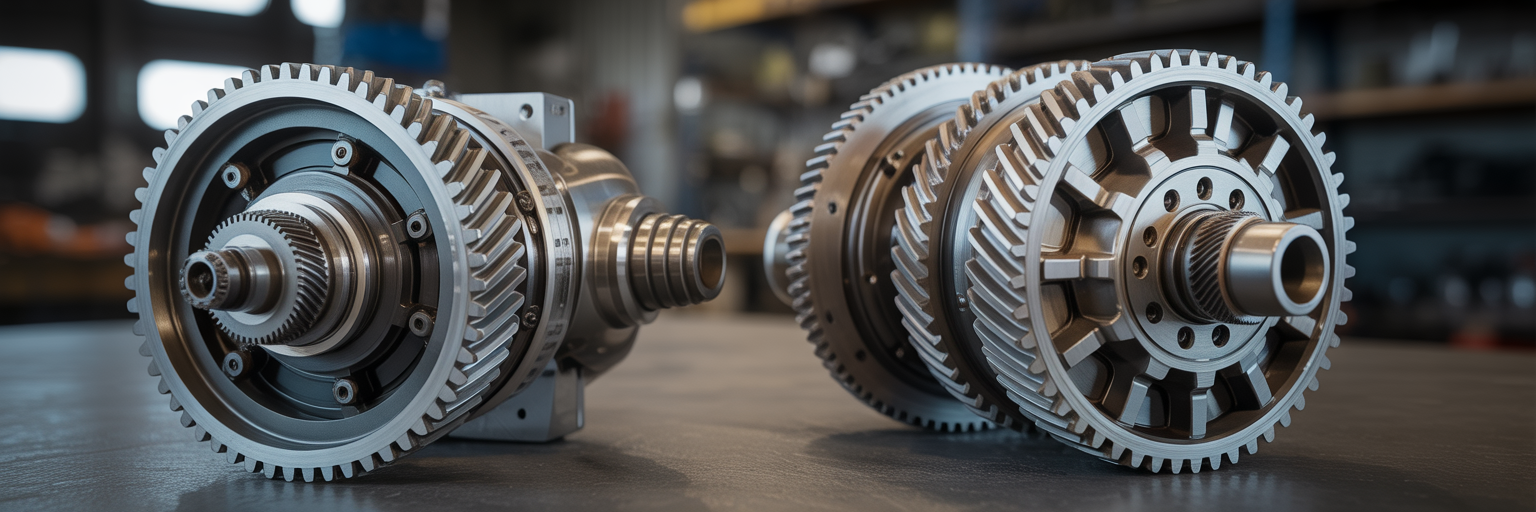
Having a great engine is only half the story; how that power is managed and sent to the pavement defines a car’s personality. Both sedans use a version of the excellent ZF 8-speed automatic, but their tuning reveals conflicting priorities. The M340i’s transmission is calibrated for aggression. In its sportiest settings, shifts are near-instantaneous and brutally crisp, delivering a satisfying kick that mimics the feel of a dual-clutch gearbox. It’s always ready for action, eagerly downshifting under braking and holding gears through corners to keep the engine in its sweet spot.
The Audi S4’s 8-speed Tiptronic, while mechanically similar, is tuned for seamless refinement. Its shifts are incredibly swift but are intentionally smoothed over to maintain the car’s composure. The goal isn’t to provide a dramatic jolt but to ensure an uninterrupted flow of power. It’s less about feeling the gear change and more about experiencing a constant, relentless surge of acceleration. This approach aligns perfectly with the S4’s character as a sophisticated grand tourer that just happens to be incredibly fast.
This difference extends to their all-wheel-drive systems. The M340i’s xDrive is a rear-biased system at its core. For most driving situations, it operates like a traditional rear-wheel-drive car, preserving the steering purity and agile handling dynamics BMW is famous for. Power is only sent to the front wheels when the system detects slip, making it feel playful and lively. In contrast, the Audi S4 comes standard with its legendary Quattro all-wheel-drive. This is a full-time, proactive system engineered for maximum stability and all-weather traction. With a default 40:60 front-to-rear torque split, it constantly adjusts power to optimize grip before you even realize you need it. This gives the driver immense confidence when accelerating out of corners or navigating treacherous conditions. The BMW offers playful agility, while the Audi delivers unflappable stability. This head-to-head analysis is a prime example of the detailed automotive showdowns we cover. For more articles that pit top contenders against each other, you can explore our other comparison pieces.
Steering Feel and Handling Dynamics
The conversation between car and driver is most apparent through the steering wheel and chassis, and it’s here that the M340i and S4 diverge most sharply. The M340i’s steering is heavier, more direct, and rich with tactile feedback. You can feel the texture of the road surface through the thick-rimmed wheel, and it clearly communicates how much grip the front tires have. This creates a strong sense of connection that inspires confidence in the enthusiast driver. It’s a system that demands your attention but rewards it with a wealth of information, making you feel like an integral part of the machine.
Conversely, the Audi S4’s steering is precise and wonderfully effortless, but it is also more isolated from the road. It filters out minor imperfections and vibrations to enhance comfort, which makes it far less fatiguing on long highway journeys. While it’s quick to respond to inputs, it doesn’t offer the same level of granular feedback as the BMW. It’s a system designed to execute your commands with quiet competence rather than involving you in a detailed dialogue about the road surface.
These philosophies carry through to their cornering behavior. The M340i’s rear-biased all-wheel-drive and stiffer chassis tuning give it a more adjustable and dynamic attitude. A skilled driver can use the throttle to influence the car’s line through a corner, inducing a touch of rotation to help it pivot. It feels alive and engaging, inviting you to explore its limits on a winding back road. The S4’s handling is defined by one word: grip. Its Quattro system pulls the car through turns with a neutral, secure, and utterly planted feel. It’s incredibly effective at carrying immense speed with zero drama, but it’s less playful. The S4 is a high-precision tool for dissecting a road, while the M340i is a dance partner. As a discussion on PistonHeads highlights, this difference in handling philosophy is a frequent topic, with enthusiasts often favoring the M340i for pure engagement and praising the S4 for its all-weather confidence.
Daily Driving Comfort and Livability

When the fun on the back roads ends and the reality of the daily commute begins, the priorities of this luxury performance sedan comparison shift dramatically. For many buyers, this is where the decision is truly made. The Audi S4, particularly when equipped with its optional adaptive dampers, establishes itself as the more compliant and comfortable choice. It does a masterful job of absorbing bumps and rough pavement, isolating occupants from the harsh realities of poorly maintained city streets. It glides over imperfections that would be jarring in other performance-oriented cars.
The M340i, with its standard Adaptive M Suspension, is inherently firmer. Its tuning always prioritizes handling and a connection to the road. Even in its softest “Comfort” setting, it transmits more road information into the cabin, resulting in a busier and less relaxing ride on imperfect surfaces. While it’s far from uncomfortable, it never lets you forget you’re in a serious performance machine. The S4 allows you to relax; the M340i keeps you on alert.
This contrast is even more apparent when considering overall cabin refinement. Audi has built its reputation on creating quiet, serene interiors, and the S4 is a perfect example. Wind, road, and tire noise are exceptionally well-muted at highway speeds, creating a calm environment for conversation or music. The M340i, by design, allows more of its inline-six’s voice into the cabin. This is exciting during a spirited drive but can become more fatiguing over a long road trip. While these sedans offer a blend of performance and luxury, some buyers might be weighing them against different vehicle types entirely. Understanding the trade-offs between a sedan and an SUV, like in the Toyota RAV4 vs Tesla Model Y debate, can provide broader context on practicality.
- Ride Compliance: The S4 generally offers a softer, more forgiving ride, making it superior for absorbing bumps and potholes.
- Cabin Noise: The S4’s interior is significantly quieter, with better insulation from wind and tire noise, creating a more serene environment.
- Suspension Firmness: The M340i’s suspension is tuned for performance and remains firm even in its most comfortable setting, prioritizing a connection to the road.
- Auditory Experience: The M340i intentionally allows more engine sound into the cabin for a sporty feel, whereas the S4 prioritizes quiet refinement.
Interior Design, Quality, and Technology
Stepping inside these two sedans reveals their opposing design philosophies as clearly as their driving dynamics do. The BMW M340i’s interior is a classic, driver-focused cockpit. The center stack is subtly angled toward the driver, and the layout prioritizes functional, sporty ergonomics. The thick steering wheel, supportive sport seats, and logical placement of controls create an environment that feels built for the business of driving. It’s modern and packed with technology, but it adheres to an evolutionary design language that will feel immediately familiar to anyone who has driven a BMW in the last two decades.
The Audi S4’s cabin, by contrast, emphasizes a clean, horizontal, and tech-forward aesthetic. The standout feature is the Audi Virtual Cockpit, a fully digital instrument cluster that can be configured to show a full-screen navigation map. This, combined with the minimalist dashboard and crisp lines, creates a futuristic and airy “command center” feel. It’s less of a cockpit and more of a sophisticated digital interface. Both cars exhibit excellent build quality, but Audi has long held a reputation for its perceived quality. The satisfying, tactile click of its switchgear and the premium feel of every surface give the S4’s interior a slight edge in luxurious ambiance. The M340i is impeccably assembled, but its materials can present as more functional and sport-focused.
This brings us to the infotainment systems. The debate between BMW’s iDrive and Audi’s MMI centers on their primary interfaces. iDrive’s retention of a physical rotary controller is a massive win for usability, allowing the driver to navigate menus by feel without taking their eyes off the road. Audi’s latest MMI system relies more heavily on touchscreens, which are visually stunning and responsive but can be more distracting to operate while in motion. The choice comes down to personal preference: do you favor the intuitive, tactile control of iDrive or the sleek, modern presentation of MMI? For readers interested in learning more about the latest automotive technologies and trends discussed here, our collection of informative articles offers deeper insights.
Mastering Winter: All-Weather Drivability

For drivers in America’s Snow Belt or mountainous regions like Colorado, a car’s performance on snow and ice is not a luxury, it’s a necessity. In the realm of Audi S4 winter driving, the car’s standard Quattro all-wheel-drive system is legendary for a reason. It is a proactive system that is always working, distributing power to the wheels with the most grip to provide a feeling of being completely locked-in and secure. This inspires supreme confidence when roads are slick, allowing the driver to accelerate and steer with a level of stability that few rivals can match.
The BMW M340i with xDrive is also highly capable in winter conditions, but its approach is different. The system’s rear-biased programming means it often feels like a rear-wheel-drive car until significant slip is detected. While it reacts instantly to send power forward, that initial moment of rear-wheel slip can be unnerving for drivers not accustomed to it. It requires more active driver management and feels less “on rails” than the S4. The BMW is perfectly competent, but the Audi provides a greater sense of effortless security.
However, the most critical point in any winter driving discussion has nothing to do with the drivetrain. Neither of these incredible AWD systems can defy the laws of physics. Their effectiveness is entirely dependent on the tires connecting them to the road. Equipping either car with summer performance tires in the snow is a recipe for disaster. A proper set of winter tires is the great equalizer.
- Invest in Winter Tires: This is the single most important factor for winter safety and performance in either car. All-season tires are a compromise; dedicated winter tires are a necessity for severe conditions.
- Understand Your AWD System: Know how your car behaves. The S4’s Quattro is designed for proactive grip, while the M340i’s xDrive is reactive. Drive accordingly.
- Smooth Inputs are Key: In low-traction situations, avoid abrupt steering, braking, or acceleration. Smoothness allows the AWD system and tires to work most effectively.
For drivers facing frequent, heavy snowfall, the S4’s Quattro system offers a tangible peace-of-mind advantage. For those in milder climates, the M340i’s xDrive is more than sufficient.
Long-Term Ownership: Reliability and Costs
Beyond the initial purchase price, the practical financial considerations of owning a German performance sedan are a significant factor. When it comes to M340i reliability, the BMW B58 inline-six engine has earned a stellar reputation within the enthusiast community for its robustness and durability. It is widely regarded as one of the most solid powerplants BMW has produced in the modern era. Audi’s V6 is also considered a reliable engine, but the B58’s track record gives the M340i a slight edge in perceived long-term dependability.
However, it’s crucial to remember that both are complex, high-performance German vehicles. When things do go wrong outside of the warranty period, repair costs can be substantial. Historically, M340i ownership costs for parts and specialized labor can be slightly higher than for its Audi counterpart, though this can vary by region and specific repair. Insurance premiums will be high and largely comparable for both, reflecting their performance capabilities and replacement cost. Fuel economy is also similar, with real-world results depending far more on your right foot than on the EPA estimates.
Ultimately, owning either of these cars is a value proposition. The potential for higher maintenance bills is the price of admission for this level of performance and engineering. Managing these expenses requires careful budgeting. Some buyers even explore financial tools like small business loans for equipment or personal loans to ensure the total cost of ownership fits within their financial plan. For the right buyer, the potential for higher running costs is often seen as a justifiable trade-off for the M340i’s more engaging driving experience or the S4’s all-weather dominance and comfort.
The Final Verdict: The Enthusiast’s Choice vs The All-Rounder

After comparing every facet of these two incredible machines, the conclusion is clear: there is no single winner, only the right choice for a specific type of driver. The BMW M340i vs Audi S4 debate isn’t about which car is better, but which philosophy better aligns with your priorities. The BMW M340i is, without question, the sharper, more communicative, and more viscerally exciting car. Its soul lies in its sublime inline-six engine, its wonderfully tactile steering, and a playful chassis that rewards an engaged driver. It is the unambiguous choice for the purist who values the act of driving above all else and seeks a deep, mechanical connection with their vehicle.
The Audi S4 is the consummate all-rounder. It is the more comfortable, refined, and confidence-inspiring daily companion. Its greatest strengths are its unflappable all-weather traction from the Quattro system, its serene ride quality, and a luxurious, tech-forward interior that makes every journey feel effortless. It is the perfect high-speed tool for the driver who values sophisticated, drama-free performance and wants a car that can do everything exceptionally well, from a snowy commute to a cross-country road trip.
So, which makes more sense? If you are the “Driver’s Driver” who lives for the winding road and craves feedback and engagement, the BMW M340i is your car. If you are the “Sophisticated Performer” who needs a fast, secure, and supremely comfortable vehicle for all seasons and all reasons, the Audi S4 is the logical choice. Ultimately, the choice comes down to personal priorities and what you value in a performance vehicle. To explore more about what makes these and other manufacturers unique, you can browse our detailed pages on various automotive brands.