
Choosing Your Next Used Family Hauler
For generations, American families have faced a familiar crossroads when car shopping. The search for a vehicle that can swallow up kids, cargo, and the chaos of daily life often leads to a classic debate: do you go for domestic size or import dependability? This choice is perfectly captured in the used three-row SUV market by two of its most prominent figures, the Chevrolet Traverse and the Honda Pilot.
These vehicles represent two distinct philosophies on how to build the ideal family machine. The Traverse stands as the quintessential American family hauler, a vehicle built around the promise of expansive interior volume and robust, confident power. It feels big because it is big, prioritizing sheer space above all else. On the other side, you have the Honda Pilot. It embodies a pragmatic, engineering-first approach, focusing on efficiency, clever packaging, and a reputation for reliability that precedes it. Finding one of our best family road trip vehicles that are not boring involves balancing this very trade-off between practicality and enjoyment, a challenge these two SUVs handle very differently.
This guide is designed to help families navigate this decision by focusing on the 2018 to 2022 model years. This specific window offers a sweet spot where modern safety features, updated technology, and contemporary designs become available at a more accessible used-car price point. We will move beyond the spec sheets to explore the factors that truly define the ownership experience. We’ll examine long-term ownership costs, which vehicle offers more practical passenger and cargo space for a growing family, and what they feel like to drive every single day. By dissecting each of these core concerns, we can determine which SUV is not just a good vehicle, but the smartest long-term investment for your family’s needs.
Long-Term Reliability and Maintenance Costs
For any used car buyer, the most pressing question revolves around financial predictability. A great deal on the purchase price can quickly sour if followed by years of unexpected repair bills. This is where the reputations of Chevrolet and Honda are put to the test, and the data reveals a clear distinction between the Traverse and the Pilot.
Reputation vs. Reality: A Look at the Data
Reputations are often built on decades of owner experiences, and in the automotive world, they usually contain a kernel of truth. When we look at established metrics, the story becomes clearer. RepairPal, a trusted source for vehicle reliability data, awards the Honda Pilot a reliability rating of 3.5 out of 5.0, placing it in the “Above Average” category for its class. The Chevrolet Traverse, in contrast, scores a 3.0 out of 5.0, which is considered “Average.”
What does this half-point difference mean in the real world? It translates to a lower probability of unscheduled trips to the mechanic and a reduced chance of facing a severe, costly repair for the Pilot owner. For a family on a budget, that difference provides significant peace of mind. When searching for a dependable vehicle, the Honda Pilot reliability used models offer is a statistically supported advantage that is hard to ignore.
Commonly Reported Issues by Owners
No used vehicle is perfect, and owner forums for both the Traverse and Pilot highlight a few recurring issues for the 2018-2022 model years. The key is understanding the nature of these problems. For the Traverse, owners most frequently report concerns with its 9-speed automatic transmission, which can exhibit hesitation or occasional rough shifts. Glitches with the infotainment system, like a frozen screen or unresponsive touch controls, are also a common complaint.
The Honda Pilot is not without its own set of reported quirks. Some owners have experienced issues with fuel injectors, which can be a moderately expensive repair. The push-button shifter, while a modern touch, has also been a source of frustration for some, occasionally being finicky or slow to respond. However, it is important to note that the Pilot’s core mechanical components, its V6 engine and chassis, are widely regarded as exceptionally robust and durable.
The Financial Bottom Line: Annual Ownership Costs
Ultimately, the decision often comes down to the total cost of ownership. This includes not just fuel and insurance, but the money you set aside for maintenance and unexpected repairs. Here, the Pilot’s higher reliability rating translates directly into lower average annual costs. Analyzing these family SUV maintenance costs reveals a consistent pattern. Industry data, such as a head-to-head analysis by CarMax, often points to the Pilot having an edge in dependability and potentially lower long-term repair expenses.
| Metric | Chevrolet Traverse | Honda Pilot |
|---|---|---|
| RepairPal Reliability Rating | 3.0 / 5.0 (Average) | 3.5 / 5.0 (Above Average) |
| Average Annual Repair Cost | ~$656 | ~$542 |
| Common Reported Issues | Transmission hesitation, infotainment glitches, A/C system failures | Fuel injector problems, push-button shifter faults, infotainment freezing |
| Likelihood of Severe Repair | Slightly higher than segment average | Lower than segment average |
Note: Cost estimates are based on industry averages from sources like RepairPal and may vary based on vehicle condition, location, and driving habits. This data provides a comparative baseline for long-term financial planning.
The takeaway is straightforward. While every used car carries some level of risk, the data suggests the Honda Pilot represents a lower financial gamble over the life of the vehicle. Understanding our guide on how to keep your car’s engine running for years is crucial for any owner, but starting with a model known for its dependability gives you a significant head start.
Interior Space and Passenger Practicality
Families buy three-row SUVs for one primary reason: space. Whether it is for carpooling, hauling sports equipment, or embarking on a cross-country road trip, the ability to comfortably fit people and their belongings is non-negotiable. While both the Traverse and Pilot offer three rows of seating, how they utilize their interior dimensions creates two very different experiences for passengers and their cargo.
Third-Row Test: Room for Adults or Just Kids?
This is where the Chevrolet Traverse establishes its most significant advantage. Its third row is one of the most accommodating in the entire midsize SUV class. With generous legroom and headroom, it is a space where teenagers and even adults can sit comfortably for more than just a quick trip across town. This makes the Traverse a genuinely practical eight-passenger vehicle. Access is also straightforward, thanks to its Smart Slide second-row seat that tilts and slides forward, even with an empty child seat installed.
The Honda Pilot’s third row, by contrast, is best reserved for children. While adults can squeeze in for short distances, the limited legroom and lower seating position make it less than ideal for long journeys. The Pilot does, however, offer a clever access solution with its available one-touch electronic folding second-row seats. A simple push of a button causes the seat to fold and slide forward, which can be a lifesaver for a parent trying to manage kids and groceries at the same time. The choice here is clear: do you need a third row that is always ready for adults, or one that is primarily for kids but exceptionally easy to access?
Cargo Hauling Champion: A Numbers Game
When it comes to hauling gear, the numbers speak for themselves, and the Chevrolet Traverse cargo space is simply cavernous. This battle of space versus efficiency is common in the SUV market, much like the our Chevrolet Tahoe vs Ford Expedition rivalry in the full-size category. The Traverse’s longer wheelbase and overall size give it a decisive win in every configuration.
- Behind Third Row: Traverse (~23 cu. ft.) vs. Pilot (~16.5 cu. ft.)
- Behind Second Row: Traverse (~57.8 cu. ft.) vs. Pilot (~46.8 cu. ft.)
- Behind First Row: Traverse (~98.2 cu. ft.) vs. Pilot (~83.9 cu. ft.)
These figures translate into tangible, real-world benefits. That extra 6.5 cubic feet behind the third row in the Traverse means you can fit a large cooler for a beach day or several extra duffel bags for a weekend trip without having to fold any seats down. For a family that regularly packs their vehicle to the brim, the Traverse’s raw volume is a compelling argument. With all seats folded, it offers nearly as much cargo room as its larger sibling, the Chevrolet Tahoe.
Clever Design vs. Raw Volume
While the Traverse wins the battle of sheer volume, the Pilot counters with brilliant, thoughtful design. If the Traverse is like a large suburban house with a massive garage, the Pilot is like a cleverly designed urban apartment where every square inch is optimized for maximum utility. This is most evident in its center console, which is enormous and incredibly versatile. It is deep enough to hold a purse or a small backpack and features a sliding cover that can serve as a flat tray.
Beyond the console, the Pilot is filled with an abundance of cubbies, pockets, and storage solutions that make it exceptionally easy to organize the small items that accumulate during family life. From phone storage to snack hiding spots, the Pilot’s interior feels like it was designed by people who actually have kids. So, the question for buyers is what matters more: the ability to haul a sheet of plywood from the home improvement store, or the ability to keep your cabin organized and sane during the daily school run?
Daily Comfort and Cabin Experience
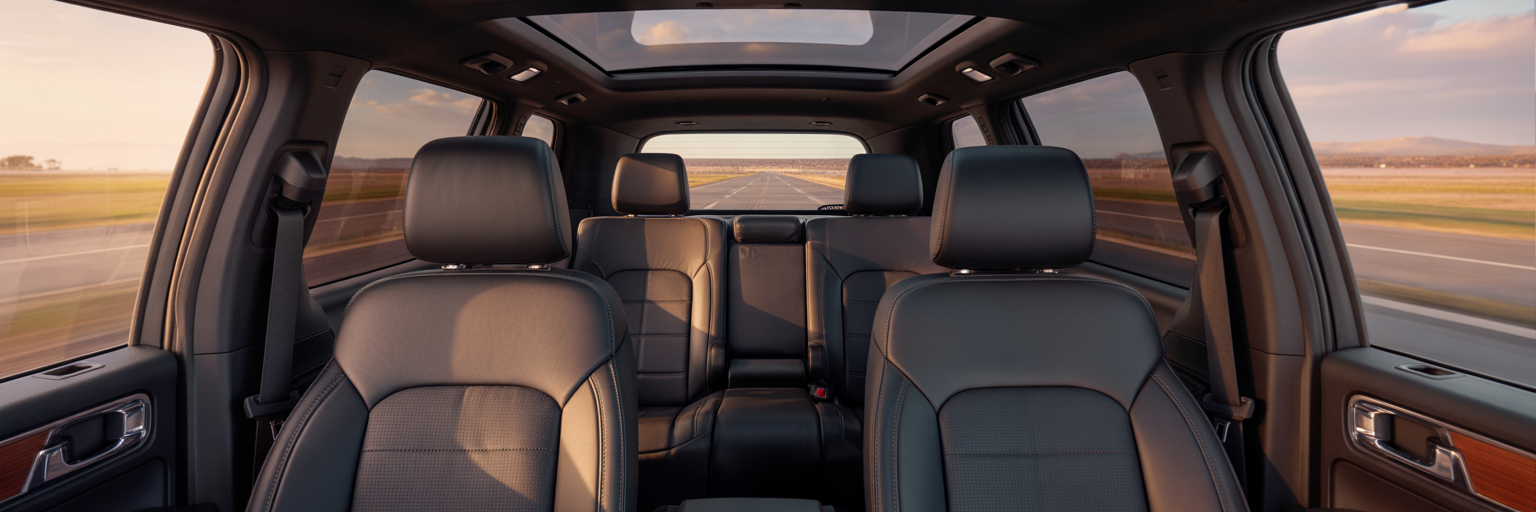
Beyond dimensions and reliability scores lies the subjective experience of living with a vehicle day in and day out. How a car feels on the road, the quality of its interior materials, and the ease of using its controls all contribute to owner satisfaction. In this regard, the Traverse and Pilot offer distinct personalities that will appeal to different types of drivers and families.
Ride Quality: Highway Cruiser vs. Composed Handler
The Chevrolet Traverse drives like a classic American SUV, and that is a compliment. Its suspension is tuned for comfort, with a soft, absorbent ride that effectively isolates passengers from bumps and imperfections in the road. On the highway, it is a supremely comfortable cruiser, effortlessly eating up miles with minimal fuss. This makes it an outstanding choice for families who frequently embark on long road trips.
The Honda Pilot, in contrast, offers a more composed and car-like driving experience. Its ride is firmer and more controlled, which translates to less body roll in corners and a more connected feeling to the road. While it does not absorb bumps with the same plushness as the Traverse, it never feels harsh or unsettled. The Pilot’s handling provides a sense of confidence and agility that can make it feel smaller than it is, which is a welcome trait when navigating tight parking lots or winding back roads.
Materials and Build: A Tale of Two Philosophies
Inside the cabin, the two SUVs continue to showcase their different philosophies. A top-tier Traverse, such as the High Country trim, can feel genuinely luxurious, with supple leather, wood accents, and a host of premium features. However, on base and mid-level trims, the presence of hard, durable plastics is more noticeable. While functional, these materials can make the cabin feel less special.
Honda takes a different approach, prioritizing consistent quality and durability across its entire trim lineup. The Pilot’s interior is a showcase of excellent fit and finish. The materials, while not always flashy, are high-quality and feel built to withstand the rigors of family use. For a used car buyer, this is a critical point. A five-year-old Pilot interior often shows less wear and tear than a comparable Traverse, a testament to Honda’s focus on long-term durability.
Driver Ergonomics and Infotainment
From the driver’s seat, the Pilot is often praised for its outstanding ergonomics. The controls are logically placed, visibility is excellent in all directions, and everything is easy to reach and operate with minimal distraction. It is an intuitive cockpit that requires almost no learning curve. The infotainment system is straightforward and generally responsive, though some find its graphics a bit dated compared to competitors.
The Traverse offers a more modern-looking infotainment system with crisp graphics and smartphone integration, but as noted earlier, it can be prone to occasional glitches. The driver’s position is commanding, providing a great view of the road ahead. Both vehicles offer comfortable and supportive front seats, making them suitable for long hours behind the wheel. When it comes to second-row comfort, both offer available captain’s chairs that provide first-class accommodations for two passengers, a highly recommended feature for families looking to minimize sibling squabbles on road trips.
V6 Performance and Towing Capability
Under the hood of both SUVs lies a capable V6 engine, but their performance characteristics and ultimate utility differ significantly. This is where the classic American emphasis on power clashes with the Japanese focus on balanced efficiency. The choice between them comes down to how you plan to use your vehicle, especially when it comes to merging, passing, and pulling a trailer.
Under the Hood: Comparing the V6 Powerplants
The Chevrolet Traverse comes standard with a robust 3.6-liter V6 engine that produces a healthy 310 horsepower. This gives the Traverse a noticeable power advantage over the Honda Pilot, which is equipped with a 3.5-liter V6 making around 280 horsepower (285 in 2022 models). On the road, this horsepower difference is immediately apparent. The Traverse feels more authoritative, accelerating with greater urgency for highway merging and passing maneuvers. It delivers the kind of effortless power many buyers expect from a large American SUV.
The Pilot’s V6 is no slouch, however. It is a famously smooth and refined engine that delivers more than adequate power for daily driving. While it may not have the off-the-line punch of the Traverse, it never feels underpowered. Its strength lies in its polished and linear power delivery, which contributes to a more serene driving experience.
Real-World Driving Dynamics and Transmission Behavior
An engine is only as good as the transmission it is paired with, and this is an area where the two SUVs diverge. The 9-speed automatic transmission found in the 2018-2022 Traverse can sometimes feel “busy,” frequently shifting as it hunts for the optimal gear to balance power and efficiency. While not a deal-breaker for most, some drivers find this behavior distracting. In a direct used Chevrolet Traverse vs Honda Pilot comparison, this is a key experiential difference.
Honda, on the other hand, has a long-standing reputation for engineering smooth and intelligent transmissions. Depending on the year and trim, the Pilot came with either a 6-speed or a 9-speed automatic. Both are generally known for their predictable and unobtrusive operation, shifting smoothly in the background. This powertrain refinement, combined with its lower curb weight, also helps the Pilot achieve consistently better fuel economy. The Pilot typically averages around 23 MPG combined, while the Traverse hovers closer to 21 MPG. Two miles per gallon may not sound like much, but it adds up over years of ownership.
The Towing Advantage
For families who need to pull a trailer, this category is a decisive win for the Chevrolet Traverse. Its more powerful engine and robust chassis give it superior towing capabilities. While both can be equipped to tow, the Traverse is better suited for the task.
- Engine: 3.6L V6 (Traverse) vs. 3.5L V6 (Pilot)
- Horsepower: ~310 hp (Traverse) vs. ~280 hp (Pilot)
- Max Towing Capacity: Up to 5,000 lbs (Traverse) vs. 3,500-5,000 lbs (Pilot, AWD required for 5k)
- Fuel Economy (Combined): ~21 MPG (Traverse) vs. ~23 MPG (Pilot)
The Traverse’s standard 5,000-pound towing capacity (with the trailering package) makes it the clear choice for families needing to pull a small boat, a pop-up camper, or a utility trailer. While an all-wheel-drive Pilot can also tow 5,000 pounds, the Traverse’s greater horsepower and torque provide a more confident and less strained towing experience. For families needing to pull heavier loads, it might be worth exploring our list of the best used trucks for towing a camper under $35,000, as even the capable Traverse has its limits.
Safety Ratings and Driver-Assist Technologies
When you are transporting your family, nothing is more important than safety. Fortunately, both the Chevrolet Traverse and the Honda Pilot are fundamentally safe vehicles that perform well in crash tests. The key differences for a used buyer lie not in their structural integrity, but in the availability and standardization of modern active safety features.
Crash Test Performance: A Look at the Scores
Both the Traverse and the Pilot consistently earn high marks from the two main safety rating agencies in the United States. For the 2018-2022 model years, both SUVs typically received a 5-Star Overall Safety Rating from the National Highway Traffic Safety Administration (NHTSA). This top score indicates excellent performance in frontal, side, and rollover crash tests.
Similarly, the Insurance Institute for Highway Safety (IIHS) has awarded both vehicles high scores, often naming them a Top Safety Pick when equipped with specific headlights and driver-assist features. Buyers can rest assured that from a crashworthiness perspective, both of these vehicles are built to protect their occupants in the event of a collision.
The Rise of Active Safety: What to Look For
The most significant safety distinction between these two used SUVs is the accessibility of driver-assist technologies. Honda was a leader in democratizing these features. The Honda Sensing suite of technologies was made standard on the EX trim and above for most of this period. This means that a large percentage of used Pilots on the market are equipped with features like Forward Collision Warning, Automatic Emergency Braking, Lane Keeping Assist, and Adaptive Cruise Control.
Chevrolet, on the other hand, was slower to make these features standard. On many Traverse models from this era, similar active safety systems were often bundled into optional packages or reserved for the most expensive higher trims like the Premier and High Country. This creates a critical action item for shoppers: you must check the specific trim level and options list of the exact Traverse you are considering. Do not assume it has automatic emergency braking just because it is a newer model. This makes finding a well-equipped, safe model a simpler task for Pilot buyers.
Practical Safety for Families
Safety extends beyond crash ratings and electronic aids. Practical, everyday features can make a huge difference. Both vehicles offer good outward visibility from the driver’s seat, though some may find the Pilot’s slightly larger windows offer a more commanding view. Headlight performance can vary by trim, so it is worth checking the IIHS ratings for the specific model year you are looking at.
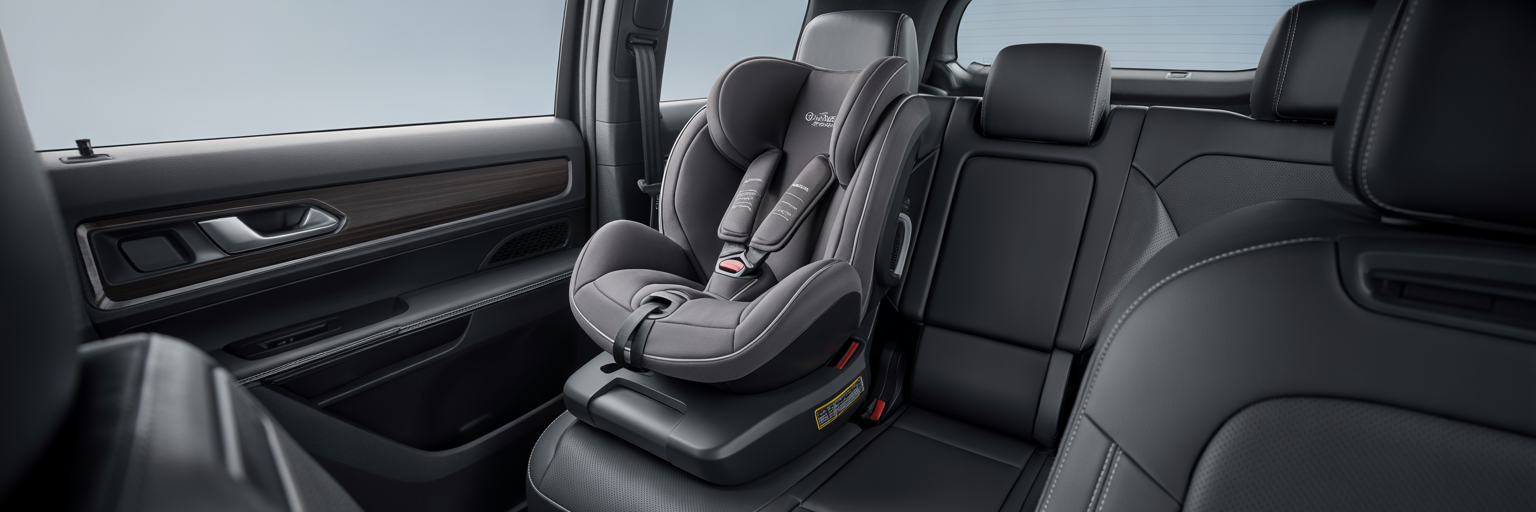
For parents of young children, the ease of installing child safety seats is a major factor. Both vehicles are equipped with the LATCH (Lower Anchors and Tethers for Children) system. The Traverse generally offers more LATCH connection points throughout its second and third rows, which can be a benefit for larger families with multiple children in car seats. However, some parents find the Pilot’s anchors slightly easier to access. The best advice is to bring your own car seat with you when you test drive to see which vehicle’s setup works better for you.
The Verdict: Which SUV Is the Smarter Used Buy?
After comparing everything from long-term costs to third-row legroom, a clear picture emerges. The Chevrolet Traverse and Honda Pilot are both highly competent family vehicles, but they cater to different priorities. The smarter choice for your family depends entirely on what you value most in a daily driver and long-term investment.
To put it simply, the decision boils down to a head-to-head summary of their core strengths:
- Choose the Chevrolet Traverse if: You have a large family and frequently use the third row for teenagers or adults. You need maximum cargo capacity for sports gear, luggage, or home improvement projects. Or, you require the ability to confidently tow a boat or camper up to 5,000 pounds.
- Choose the Honda Pilot if: Your top priorities are long-term reliability and predictable, lower ownership costs. You value better fuel efficiency for the daily commute and school run. You also appreciate a user-friendly, cleverly designed interior that excels at managing the chaos of family life.
We can frame this choice through two distinct buyer profiles. The Traverse is the ideal vehicle for the “maximum utility” family. This buyer needs uncompromising space and capability and is willing to budget for potentially higher family SUV maintenance costs in exchange for a vehicle that can do it all. The Pilot, conversely, is the perfect match for the “pragmatic planner” family. This buyer seeks peace of mind, financial predictability, and a well-rounded, efficient vehicle that excels at the daily grind without any drama.
So, which is the best used three row SUV for the average family? For most buyers looking for a dependable, cost-effective, and intelligent long-term investment, the Honda Pilot is the smarter overall choice. Its superior track record for reliability, lower running costs, thoughtful interior design, and more widespread availability of active safety features give it a decisive edge. While the Traverse’s impressive space and power are undeniable advantages, they serve a more specific need. For the everyday challenges of family life, the Pilot’s blend of practicality and predictability is very hard to beat.