
The Foundation of Engine Longevity
The average age of vehicles on U.S. roads has climbed to over 12.5 years, a clear signal that proactive engine care is more critical than ever. Many drivers view maintenance as a chore, a series of inconvenient appointments and unexpected costs. But what if we reframed that thinking? Instead of reacting to problems, we can focus on preservation. This guide is for the informed owner who wants to understand their car, not for the professional mechanic.
Think of your engine as your vehicle’s heart. It’s a finely tuned system where thousands of controlled explosions happen every minute to get you down the road. The key to its long life is managing the three forces constantly working against it: friction, heat, and contaminants. Every simple maintenance task we’ll discuss is designed to combat one or more of these enemies. Ignoring them is like ignoring your personal health; small issues compound over time.
Consider the financial side. A regular oil change might cost you the price of a nice dinner out. An engine replacement, on the other hand, can easily cost over $5,000. That small, consistent investment in maintenance is your best insurance against a catastrophic mechanical failure. It’s not just about avoiding repairs. A healthy engine delivers the tangible benefits every driver values: better fuel efficiency on long commutes, reliable power for merging onto a busy highway, and the peace of mind that your car will get you home safely from that cross-country road trip.
Understanding these core principles is the first step in learning how to extend engine life. The practical steps that follow are not just items on a checklist; they are your tools for keeping that mechanical heart beating strong for years to come.
The Critical Role of Engine Oil
Engine oil is far more than just a lubricant; it is the lifeblood of your engine, performing several critical jobs simultaneously. Too often, drivers see the “oil change” light as a suggestion rather than a command. Understanding what oil actually does transforms this task from a nuisance into a non-negotiable part of ownership.
The Four Core Functions of Engine Oil
Your engine’s oil is a multitasking workhorse. Its primary roles include:
- Lubrication: It creates a thin, protective film between moving metal parts, like pistons and cylinder walls, drastically reducing friction and wear.
- Cleaning: As it circulates, oil picks up and suspends harmful contaminants like soot, carbon, and tiny metal particles, carrying them to the oil filter.
- Cooling: Oil absorbs heat from the hottest parts of the engine, such as the pistons, and carries it away to help the cooling system maintain a stable operating temperature.
- Corrosion Prevention: Special additives in the oil neutralize acids and form a protective barrier on metal surfaces to prevent rust and corrosion.
Choosing the Right Oil for Your Driving Style
Not all oils are created equal, and choosing the right one is crucial for your engine’s health. Your driving habits and local climate play a huge role. For instance, the stop-and-go traffic of New York City is much harder on oil than a steady highway cruise. Full synthetic oil offers superior performance in extreme temperatures, making it ideal for scorching Arizona summers or frigid Minnesota winters. A synthetic blend offers a good middle ground for daily commuting.
| Oil Type | Performance Characteristics | Ideal Driving Conditions (U.S. Focus) | Typical Change Interval |
|---|---|---|---|
| Conventional Oil | Basic lubrication and protection. Prone to breakdown at high temperatures. | Older vehicles; low-mileage, light-duty driving in moderate climates. | 3,000 – 5,000 miles |
| Synthetic Blend | Improved protection and performance over conventional. Better resistance to heat. | Daily commuting with a mix of city and highway driving. Good all-around choice. | 5,000 – 7,500 miles |
| Full Synthetic | Superior performance at extreme temperatures (hot and cold). Resists sludge formation. | High-performance engines, heavy towing, frequent stop-and-go traffic, or extreme climates. | 7,500 – 15,000+ miles |
Note: This table provides general guidelines. Always consult your vehicle’s owner’s manual for the manufacturer’s specific recommendations on oil type and change intervals.
How to Check Your Engine Oil Like a Pro
Checking your oil is a fundamental piece of simple car engine maintenance that takes less than five minutes. First, park your car on a level surface and wait a few minutes for the engine to cool and the oil to settle. Locate the dipstick, which usually has a brightly colored handle. Pull it out, wipe it clean with a paper towel, and reinsert it fully. Pull it out again and read the level. It should be between the ‘MIN’ and ‘MAX’ marks. Pay attention to the color: fresh oil is golden or amber, while dark brown is used but acceptable. If the oil looks milky or creamy, it could indicate a coolant leak, a serious issue that needs immediate attention. While neglect is a common cause of failure, sometimes manufacturing defects are to blame, as seen in events like the GM 6.2L engine recall. Neglecting oil changes allows sludge to build up, which is like cholesterol clogging your engine’s arteries. This starves vital parts of lubrication, leading to overheating and eventual seizure.
Maintaining Optimal Engine Temperature
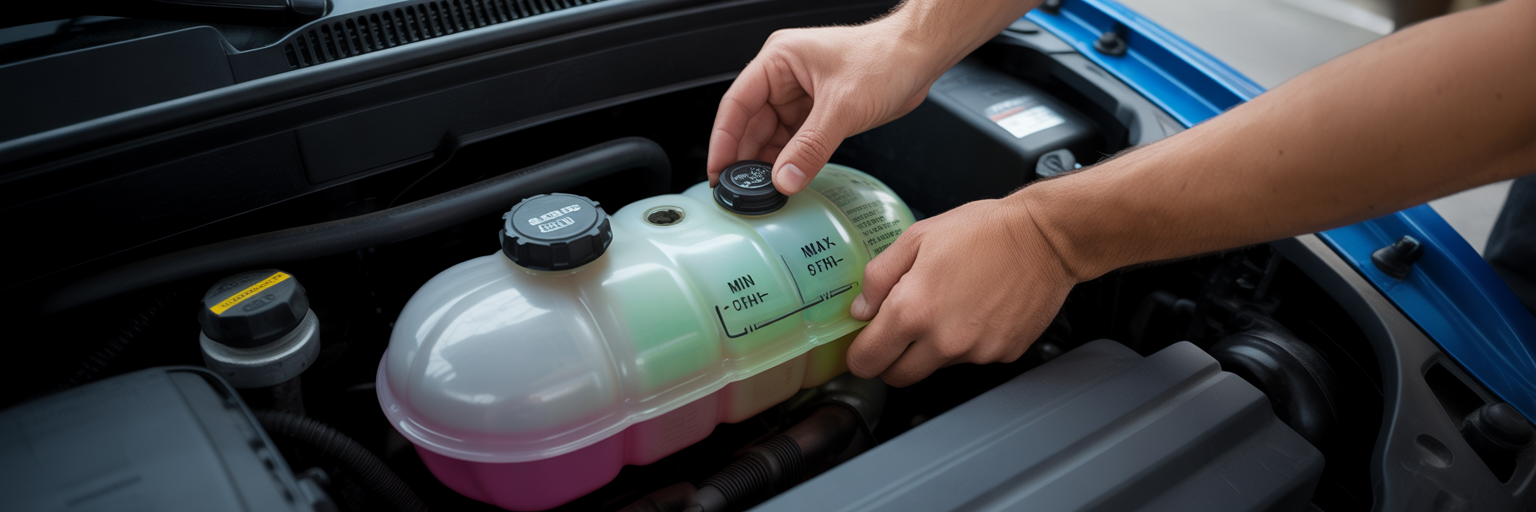
While oil handles friction, the cooling system is the primary defense against your engine’s other great enemy: heat. An engine that runs too hot is an engine that is destroying itself from the inside out. Many catastrophic failures, like a warped cylinder head, begin with a simple cooling system issue that was ignored. Understanding this system is key to preventing car engine overheating.
Understanding Your Car’s Cooling System
Your car’s cooling system is a team of components working in harmony. The radiator acts as a heat exchanger, the thermostat regulates the engine’s operating temperature, the water pump circulates the fluid, and a network of hoses transports it. Together, they dissipate the intense heat generated by combustion, keeping the engine within its optimal temperature range. A failure in any one of these parts can quickly cause the entire system to fail.
The Importance of the Right Coolant
The fluid in your cooling system, known as coolant or antifreeze, has a dual purpose. It prevents the system from freezing in the winter and from boiling over in the summer. Using the correct type of coolant is non-negotiable. Modern engines often use aluminum components that are highly susceptible to corrosion if the wrong fluid is used. Always use the type specified in your owner’s manual, typically mixed 50/50 with distilled water. Tap water contains minerals that can cause deposits and damage the system over time. The specific needs of these modern components are a major consideration in vehicle design, a topic we explore when comparing models in our 2026 hybrid sedan showdown.
How to Safely Check Your Coolant Level
Checking your coolant is simple, but safety is paramount. Never, ever attempt to open the radiator cap when the engine is hot. The system is under extreme pressure, and opening the cap can cause scalding hot fluid to erupt. Instead, wait for the engine to cool completely. Locate the translucent plastic overflow reservoir, which will have ‘MIN’ and ‘MAX’ lines on the side. The coolant level should be between these two marks. If it’s low, top it off with the correct type of coolant mixture. Keep an eye out for symptoms of a failing system. Is the temperature gauge creeping into the red? Do you see steam coming from under the hood? Have you noticed puddles of a sweet-smelling, brightly colored fluid (often green, orange, or pink) under your car? Ignoring these signs is a fast track to a repair bill that can run into the thousands.
The Importance of Clean Airflow
An engine needs to breathe just like we do. For it to run efficiently, it requires a precise mixture of air and fuel. The engine air filter is the gatekeeper that ensures the air entering your engine is clean and free of debris. It’s a simple, inexpensive part that is often overlooked, yet a clogged filter can effectively choke your engine, leading to noticeable performance issues.
When an air filter becomes saturated with dust, dirt, and road grime, it restricts the amount of air that can get into the combustion chambers. Your car’s computer tries to compensate, but the result is an inefficient burn. The consequences are immediately felt by the driver. You might notice sluggish acceleration when trying to merge onto the highway or a general lack of power. More importantly, a clogged filter directly impacts your wallet by causing a measurable drop in miles per gallon (MPG).
Inspecting your air filter is a task anyone can do. Locate the air filter box, which is usually a large black plastic housing near the top of the engine, held shut by clips or screws. Open it and remove the filter. The diagnostic test is simple: hold the filter up to a bright light. If you cannot see light passing through the paper pleats, it is too dirty and needs to be replaced. This quick check can save you money on fuel and restore lost performance.
It’s important not to confuse the engine air filter with the cabin air filter. While they sound similar, they have very different jobs. The engine air filter protects the health of your engine. The cabin air filter protects the health of you and your passengers by filtering dust, pollen, and pollutants from the air you breathe inside the car. Both are important, but only one directly impacts your engine’s longevity.
Proactive Leak Detection and Diagnosis

Your car communicates through subtle clues, and fluid leaks are one of its clearest messages. Becoming a vehicle detective and learning to spot leaks early can prevent minor issues from turning into major, expensive failures. A small drip might seem harmless, but it can lead to a dangerously low fluid level, turning a $20 hose replacement into a seized engine. As experts at HowStuffWorks note, proactively checking for leaks is one of the most effective ways to protect your engine.
One of the easiest methods for detection is the “cardboard test.” Simply place a large, clean piece of cardboard under the engine area overnight. In the morning, any drips will be clearly visible and ready for identification. Learning to read these spots is a powerful diagnostic skill.
Here is a quick guide to identifying common fluid leaks:
- Black or Dark Brown: This is likely engine oil. It will have a slightly burnt smell and is usually found near the front of the engine.
- Bright Green, Pink, or Orange: This is coolant/antifreeze. It has a distinctively sweet, syrupy smell and a watery texture.
- Reddish-Brown or Bright Red: This could be transmission fluid if the leak is near the center of the car, or power steering fluid if it’s closer to the front. It feels oily but is typically thinner than engine oil.
- Clear or Light Brown: This is likely brake fluid. It has a very slick feel. A brake fluid leak is a critical safety issue and requires immediate professional attention.
- Clear and Watery: This is usually just harmless condensation from your air conditioning system, especially on a hot day.
Once you spot a leak, try to trace it to its source. Common culprits include cracked rubber hoses, brittle gaskets like the valve cover gasket, or drips from the oil pan seal. It’s also important to differentiate between minor “seeping,” which is a light film of oil common on older cars, and active drips or puddles. An active drip signals a problem that needs to be addressed before it gets worse.
Decoding Your Engine’s Warning Signs
Your car is constantly providing feedback through sounds, smells, and dashboard lights. Learning to interpret this language is crucial for identifying signs of engine wear before a complete breakdown occurs. Ignoring these warnings is like ignoring a smoke alarm; the consequences can be severe.
Auditory Clues (Sounds):
- Persistent Knocking or Pinging: This sound, often more noticeable during acceleration, can indicate engine detonation. It might be caused by using the wrong fuel octane or significant carbon buildup inside the engine.
- High-Pitched Squeal on Startup: A sharp squeal, especially when you first start the car or turn the steering wheel, usually points to a loose or worn serpentine belt.
- Rhythmic Ticking or Tapping: A consistent ticking noise that gets faster as the engine revs could be a sign of low oil pressure or an issue within the valve train.
- Grinding Noise: A harsh grinding sound often indicates a failing bearing in a component like the water pump, alternator, or a belt tensioner.
Olfactory Clues (Smells):
- Burning Oil: A sharp, acrid smell is a classic sign of oil leaking onto a hot surface, like the exhaust manifold.
- Sweet, Syrupy Smell: If you smell something like maple syrup inside or outside your car, you almost certainly have a coolant leak.
- Burning Rubber: This smell could be a slipping accessory belt or a hose that has come loose and is rubbing against a moving part.
Visual Clues (Dashboard Lights & Exhaust Smoke):
In our increasingly digital world, understanding critical system alerts is paramount. The dashboard is your primary interface. A solid ‘Check Engine’ light means a fault has been detected; get it checked soon. A flashing ‘Check Engine’ light is a serious warning, indicating a severe misfire that can quickly destroy your catalytic converter. Stop driving immediately. The ‘Oil Pressure’ and ‘Coolant Temperature’ lights are also “pull over now” warnings. For exhaust, blue smoke means the engine is burning oil, thick white smoke suggests burning coolant (a possible head gasket failure), and black smoke indicates the engine is burning too much fuel.
Building a Consistent Maintenance Schedule
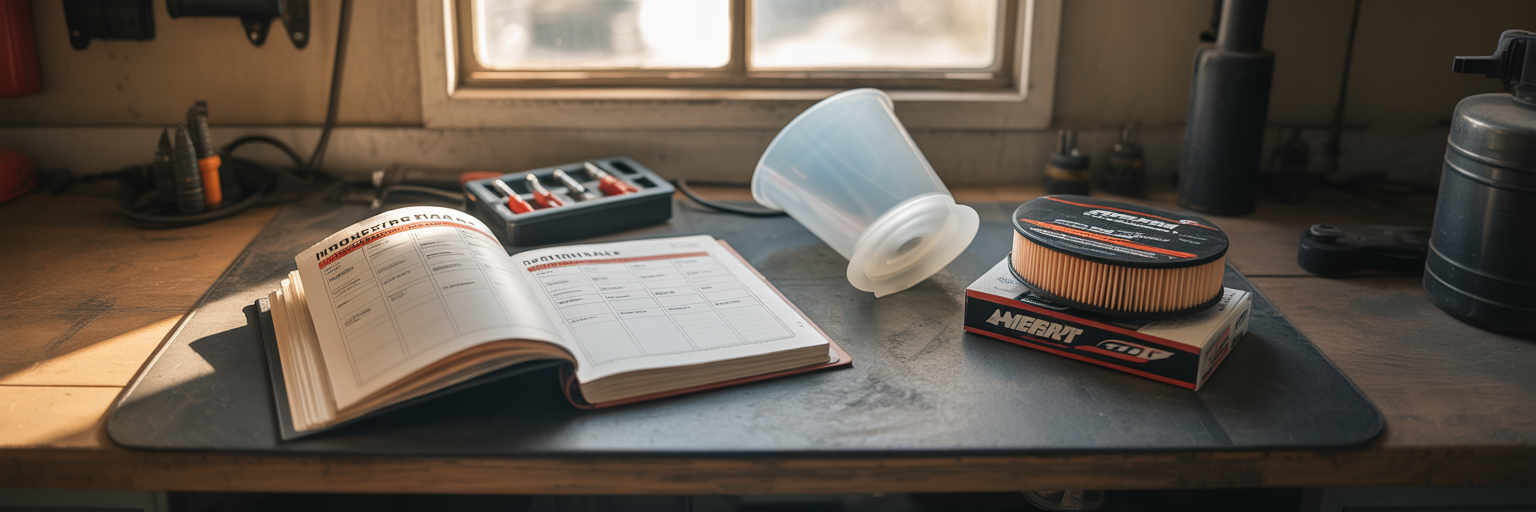
All this information is only useful if you apply it consistently. The final step is to build a sustainable routine that makes proactive care a simple habit rather than a series of forgotten chores. This is where you take control of your vehicle’s health and create your own car maintenance checklist for beginners.
Your first and most important resource is the vehicle’s owner’s manual. Manufacturers spend millions on research and development to create detailed maintenance schedules based on extensive testing. This manual is the ultimate authority for your specific model, telling you exactly when to service key components. Use it as your guide.
Next, find a tracking method that works for you. For some, a simple logbook kept in the glove compartment is perfect. For others, a spreadsheet on a home computer or a dedicated vehicle maintenance app on a smartphone is more effective. The tool doesn’t matter as much as the habit of using it. This creates a documented history of care, which is invaluable for both your peace of mind and the car’s resale value.
It is also important to know your limits. You can confidently handle the checks covered in this article: inspecting fluids, checking the air filter, and performing visual inspections for leaks. However, for complex jobs like replacing a timing belt, diagnosing an electronic fault, or servicing the transmission, it is essential to find a trusted, certified mechanic. Building a relationship with a good shop is as important as any DIY check.
By following a consistent routine, you will enjoy greater reliability, improved safety, and the profound satisfaction that comes from knowing your car is dependable. This isn’t just about saving money; it’s about responsible ownership. For those looking to learn more about vehicle specifics and comparisons, exploring a comprehensive resource like CarPhanatics can be a great next step.