
The Modern Family’s Premium SUV Dilemma
A modern luxury SUV is far more than just transportation; it’s the mobile command center for a family’s life. These vehicles have transformed from utilitarian people-movers into sophisticated statements about a family’s priorities, blending practicality with personal identity. The 2026 Acura MDX and 2026 Lexus TX stand as perfect examples of this shift, representing two distinct philosophies in the American three-row luxury SUV comparison.
The Acura MDX presents itself as the choice for the parent who still craves a connection to the road. It carries an athletic stance, promises dynamic handling, and is engineered with a clear performance bias. You can see it in the sharp body lines and driver-focused cockpit. It’s for the family that takes the scenic route on purpose, not just by accident. This is the SUV you choose when you need three rows but refuse to give up the thrill of driving.
In contrast, the Lexus TX is conceived as a sanctuary of comfort. Its design prioritizes a serene ride, expansive passenger space, and meticulous craftsmanship above all else. The TX is engineered to isolate its occupants from the chaos of the outside world, turning every journey into a calm, relaxing experience. It’s the vehicle for families whose definition of luxury is measured in quiet conversations, ample personal space, and arriving at their destination feeling refreshed.
To help you decide between these two compelling options, this guide will analyze their core differences. We will examine their powertrain character, on-road feel, and the practical realities of their interior utility. We will also assess their material quality, technology interfaces, and what you can expect from long-term ownership. Choosing a vehicle in this class is a significant investment in both your finances and your family’s lifestyle. This Acura MDX vs Lexus TX analysis will provide the clarity needed to make a confident decision that fits your unique needs.
Powertrain Philosophies: Athleticism vs Composure

The engine and drivetrain are the heart of any vehicle, and in the case of the MDX and TX, they reveal two fundamentally different approaches to luxury. Acura aims to connect the driver to the machine with responsive power, while Lexus works to insulate them from the mechanics of driving, delivering effortless momentum. This distinction is clear from the moment you press the accelerator.
The MDX’s Performance-Tuned Engines
Acura’s commitment to a spirited driving experience starts with its standard 3.5-liter V6. It’s a proven, naturally aspirated engine that delivers power in a linear, predictable way, making it a responsive and capable partner for daily driving. However, the true enthusiast’s choice is the Acura MDX Type S performance model. Its 3.0-liter turbocharged V6 is a different beast entirely. The instant torque from the turbocharger creates a more visceral, urgent sense of acceleration. The engine note is tuned to be engaging, providing an audible reminder of the power under your right foot. It’s a powertrain that begs to be pushed, rewarding the driver with a level of responsiveness that feels more like a sport sedan than a family hauler. This same passion for performance is evident across different vehicle classes, as seen in the spirited competition detailed in a comparison of the 2026 Corvette and Mustang.
The TX’s Refined Power Delivery
Lexus takes the opposite approach. The TX’s standard turbocharged four-cylinder and available V6 hybrid options are engineered for composure. Power delivery is intentionally smooth and unobtrusive. Acceleration is confident and ample for highway merging or passing, but it happens without drama or intrusion into the cabin’s serene atmosphere. The hybrid models, in particular, excel at providing silent, electric-assisted takeoffs from a stop. The goal here is not to excite the driver with engine sounds but to provide a seamless wave of power that moves the vehicle with quiet authority. As noted in reviews from publications like Driving.ca, the MDX’s turbo V6 is celebrated for its sporty dynamics, while the Lexus powertrains are consistently praised for their smoothness and efficiency.
Drivetrain Dynamics: SH-AWD vs. All-Weather Security
This philosophical divide extends to their all-wheel-drive systems. Acura’s Super Handling All-Wheel Drive (SH-AWD) is a performance technology at its core. It doesn’t just react to slip; it proactively distributes torque between the front and rear axles and, more importantly, between the left and right rear wheels. When cornering, it sends more power to the outside rear wheel, physically pushing the SUV through the turn with greater stability and agility. It makes a large vehicle feel surprisingly nimble. The Lexus TX’s AWD system, by contrast, is tuned for all-weather security. It provides unshakable stability in rain, snow, or on loose surfaces, ensuring you get to your destination safely. It operates transparently in the background, focused entirely on traction and passenger confidence rather than enhancing cornering performance.
On the Road: Dynamic Handling Meets Serene Comfort
Beyond the engine, the suspension and steering are what truly define how a vehicle feels from behind the wheel. The MDX and TX offer driving experiences that are as different as their powertrain philosophies. One prioritizes a direct connection to the road, while the other prioritizes complete isolation from it.
The Acura MDX is engineered for the driver. Its sport-tuned suspension delivers excellent body control, minimizing lean in corners and making the SUV feel planted and confident on winding roads. The trade-off for this agility is a firmer ride. While it remains composed on the highway, you will feel more of the bumps and imperfections on broken city pavement. The steering reinforces this driver-centric feel. It is weightier and provides more direct feedback from the road surface, giving you a clear sense of what the front tires are doing. It’s a setup that rewards an engaged driver who wants to feel in command of the vehicle.
The Lexus TX, on the other hand, is engineered for the passengers. Its primary mission is to provide a tranquil journey, and its suspension is tuned for maximum isolation. It glides over road imperfections, absorbing bumps and potholes with a softness that can create an almost floating sensation on the highway. This focus on comfort is ideal for long-distance family road trips, significantly reducing fatigue. The steering is lighter and requires less effort, which makes maneuvering the large SUV in tight parking lots feel effortless. It’s designed to be easy and relaxing, removing the physical and mental effort from the act of driving.
Choosing between them comes down to identifying your personal priority on any given drive. Do you prefer to feel the texture of the road, or would you rather not know it’s there at all? Your answer will point you clearly to one of these SUVs.
- Acura MDX: Prioritizes driver engagement, sharp handling, and a firm, connected ride.
- Lexus TX: Prioritizes passenger comfort, a quiet cabin, and a smooth, isolating ride.
The Cabin Experience: Passenger Space and Third-Row Reality

For many families, the decision to buy a three-row SUV comes down to one critical factor: space. This is where the fundamental design differences between the Acura MDX and Lexus TX become most apparent. While both offer seating for seven, they serve very different needs when it comes to passenger accommodation and practicality.
The Lexus TX’s Adult-Friendly Third Row
The Lexus TX was built from the ground up with a specific goal: to offer a genuinely usable third row for adults. Its larger exterior dimensions directly translate into a more spacious cabin, and nowhere is this more obvious than in the very back. With significantly more legroom and headroom, the Lexus TX third row comfort is not just a marketing claim; it’s a reality. Adults can sit back there for more than just a short trip across town without feeling cramped. Access is also easier, thanks to a well-designed second-row tilting mechanism. If your daily life involves carpooling with teenagers or taking other adults on road trips, the TX’s third row is a decisive advantage.
The Acura MDX’s Versatile Seating
The Acura MDX offers a more versatile, if slightly smaller, package. Its third row is best suited for children or for occasional use by adults on shorter journeys. While it’s not as spacious as the TX’s, Acura has incorporated clever features to maximize its utility. The most notable is the removable second-row middle seat. This allows you to switch between a three-person bench and two comfortable captain’s chairs with a convenient pass-through to the third row. This flexibility is a huge plus for families whose needs change from day to day, whether it’s separating squabbling siblings or making it easier to install a child seat.
Cargo Capacity: The Practicality Test
When it comes to hauling gear, strollers, or luggage, every cubic foot matters. The Lexus TX’s size advantage gives it a clear win in cargo capacity across the board. The numbers in the table below tell a clear story: whether you have all seats in use or folded down, the TX simply offers more room. This extra space behind the third row can be the difference between fitting the week’s groceries and having to leave a bag behind. For families who regularly carry bulky items, the TX’s larger cargo hold is a significant practical benefit.
| Feature | 2026 Acura MDX (Est.) | 2026 Lexus TX (Est.) |
|---|---|---|
| Third-Row Legroom | ~29.1 inches | ~33.5 inches |
| Cargo Volume (Behind 3rd Row) | ~18.1 cubic feet | ~20.2 cubic feet |
| Cargo Volume (3rd Row Folded) | ~48.4 cubic feet | ~57.4 cubic feet |
| Cargo Volume (All Rear Seats Folded) | ~95.0 cubic feet | ~97.0 cubic feet |
Note: Figures are based on estimates for the 2026 models, derived from current generation specifications. This table provides a direct comparison of key interior dimensions that are critical for family utility.
Interior Design and Material Craftsmanship
Beyond sheer space, the cabin’s design and materials create the atmosphere you live with every day. Here again, the MDX and TX showcase their distinct personalities. One feels like a modern, driver-focused cockpit, while the other evokes the feeling of a serene, high-end lounge.
The interior of the Lexus TX is an exercise in traditional, calming luxury. Your eyes are drawn to the expansive surfaces, often trimmed with authentic wood and wrapped in soft-touch, high-quality leathers. The design prioritizes horizontal lines to create a sense of width and openness. Every button and switch operates with a damped, satisfying click. The overall feeling is one of meticulous craftsmanship designed to soothe the occupants. It’s a communal space that encourages conversation and relaxation, making the cabin itself a destination.
Stepping into the Acura MDX reveals a completely different environment. The design is modern, tech-forward, and unapologetically driver-centric. The dashboard angles toward the driver, and the materials often feature a sportier aesthetic, with brushed aluminum, available carbon fiber accents, and bold contrast stitching. The ambiance is less like a lounge and more like a sophisticated command center. This is especially true in the Type S model, where the design elements are meant to excite the driver and reinforce the vehicle’s performance capabilities.
This difference is perfectly captured in the front seats. The MDX, particularly the Type S, features aggressively bolstered sport seats designed to hold you securely in place during spirited driving. They are firm and supportive. The TX, in contrast, offers wider, plusher seats with softer cushioning, designed for supreme comfort over hundreds of miles. One is about control; the other is about contentment. The choice depends on whether you see the driver’s seat as a pilot’s chair or a first-class recliner.
Technology Suite and User Interface
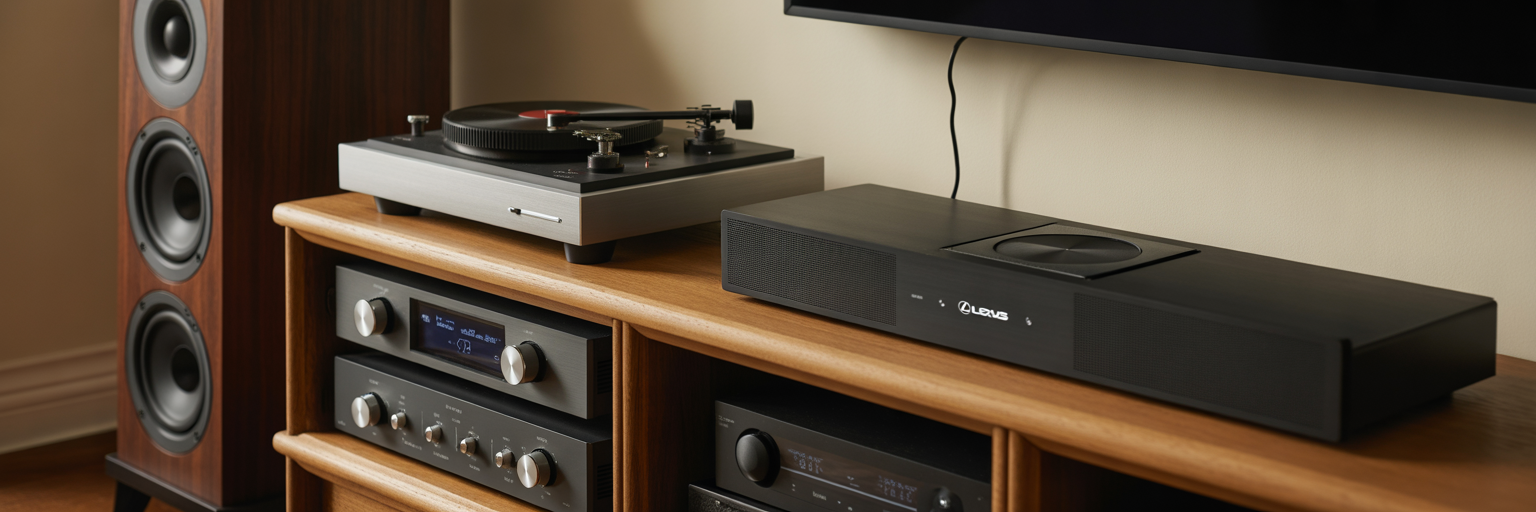
In a modern luxury vehicle, the technology interface is as important as the engine. How you interact with navigation, music, and vehicle settings profoundly impacts the daily driving experience. Both Acura and Lexus offer comprehensive tech suites, but their approaches to user interaction reflect their core philosophies: Acura offers deep customization for the engaged driver, while Lexus prioritizes intuitive ease of use for everyone.
The centerpiece of the Lexus TX’s cabin is its large, vibrant touchscreen. Running the latest Lexus Interface software, it’s known for its clear graphics, logical menu structures, and responsive performance. It feels familiar, like a high-end tablet, making it easy for anyone to pick up and use immediately. In contrast, Acura continues to refine its True Touchpad Interface. This system has a learning curve; it uses a touchpad on the center console that corresponds 1:1 with the screen. While it takes some getting used to, its primary benefit is that it allows you to operate the system without reaching for the screen, reducing fingerprints and keeping your eyes closer to the road. It’s a system that rewards a dedicated owner with muscle memory and cleaner aesthetics.
This theme continues in the digital instrument clusters. The MDX offers a high degree of customization, especially in the Type S, with sport-oriented displays that prioritize a large tachometer and performance data. The Lexus TX’s digital cluster, while also configurable, prioritizes at-a-glance legibility, presenting information like speed and driver-assist status in a clean, uncluttered manner. The rapid evolution of in-car tech is a key factor in all modern vehicle choices, including the decision between advanced electric SUVs like the Tesla Model X or Rivian R1S.
Both vehicles come equipped with advanced driver-assistance suites, AcuraWatch™ and Lexus Safety System+. Both offer features like adaptive cruise control, lane-keeping assist, and automatic emergency braking. The subtle differences lie in their real-world operation. Some drivers may find one system’s lane-centering to feel more natural, while others might prefer the smoothness of the other’s adaptive cruise control in stop-and-go traffic. Ultimately, Lexus’s tech is designed to be immediately accessible, while Acura’s offers a more tailored experience for the driver willing to learn its nuances.
Reliability, Value, and Long-Term Ownership
A luxury SUV is a significant financial commitment, and its value extends far beyond the initial purchase price. Long-term ownership costs, reliability, and resale value are critical considerations for any family. In this area, both brands have stellar reputations, but they offer different kinds of value propositions.
Lexus’s Legendary Reliability
Lexus has built its brand on a foundation of near-bulletproof reliability. For decades, the brand has consistently topped luxury SUV reliability ratings from independent sources like Consumer Reports and J.D. Power. This reputation is not just marketing; it’s backed by years of data and owner experiences. For a family buying a TX, this translates into profound peace of mind. The expectation is for fewer unscheduled trips to the dealership, lower long-term maintenance costs, and a vehicle that simply works as intended, year after year. This legendary dependability is a key reason why Lexus vehicles command such high resale values.
Acura’s Proven Durability
Acura, with its Honda parentage, also boasts a very strong, well-above-average reputation for durability and quality. An MDX owner can expect a highly reliable vehicle that is built to last. While it may not carry the same almost mythical status as Lexus, Acura consistently ranks among the top brands for dependability. The difference is often a matter of degrees. Both brands are known for excellent customer service and a premium dealership experience, ensuring that when service is needed, it’s handled professionally.
Defining Value: Performance vs. Peace of Mind
This is where the definition of “value” becomes subjective. The Lexus TX’s value is rooted in its comfort, superior space, and the financial security of its expected low depreciation and legendary reliability. As publications like Autoguide often highlight, long-term dependability is a key factor for families making a significant investment. The value proposition is peace of mind. The Acura MDX, especially the Type S, offers a different kind of value: performance value. It delivers a driving experience and level of engagement comparable to more expensive European rivals but at a more accessible price point and with superior Japanese reliability. The value here is in the thrill and connection you get for your money. This concept of value within Japanese luxury brands is also explored in other segments, such as in a comparison of the Lexus RX Hybrid and Toyota Highlander Hybrid.
Making the Final Decision: Which SUV Fits Your Family?
After comparing powertrains, interiors, and ownership prospects, the choice between the 2026 Acura MDX and Lexus TX becomes a question of priorities. This is not a case of one SUV being definitively better than the other; it’s a case of two excellent vehicles engineered for two different definitions of luxury. Your task is to decide which definition aligns with your family’s needs.
The Acura MDX is the clear choice for the driving enthusiast parent. This is the person who needs the practicality of three rows but refuses to sacrifice an engaging, spirited driving experience. They value sharp handling, responsive power, and a sporty design. They are willing to accept the trade-offs of a firmer ride and a third row best suited for children in exchange for a vehicle that feels connected to the road. The MDX, especially the Type S, proves that a family SUV doesn’t have to be boring.
The Lexus TX is the superior option for the family comfort-seeker. This buyer’s top priorities are maximum passenger space, a truly usable third row for carpools and road trips, and a serene, quiet cabin. They value the peace of mind that comes with legendary reliability and strong resale value. For them, luxury is defined by a smooth, isolating ride that leaves everyone feeling relaxed and refreshed, even after a long journey. The TX is an unapologetic sanctuary on wheels.
Ultimately, the best family luxury SUV 2026 for you depends on what you want from your daily drive. Do you seek excitement or serenity? Connection or isolation? We encourage you to test drive both vehicles back-to-back. Use the insights from this Acura MDX vs Lexus TX comparison to pay close attention to how each one feels. Only then can you confidently choose the SUV that truly fits your family. To continue your research, you can explore more in-depth automotive comparisons and news on our main site.