
Why Your Used Car’s Transmission Is a Deal-Maker or Breaker
When you’re shopping for a used car, the engine gets all the attention. But the transmission is the unsung hero that determines whether your driving experience is smooth and dependable or a financial nightmare waiting to happen. If the engine is the heart of the car, the transmission is the sophisticated nervous system that translates raw power into purposeful motion. Getting this choice wrong can be catastrophic for your wallet.
Let’s be direct: a transmission replacement is one of the most expensive repairs you can face. With costs ranging from $3,000 to $8,000, a failed gearbox can easily exceed the value of an older used car, turning your affordable purchase into a total financial loss. This isn’t just a repair; it’s a potential vehicle write-off. We’ve all heard the horror stories of a friend’s car suddenly needing a repair that costs more than the car itself.
The challenge has grown as technology has advanced. Automatic transmissions are no longer simple hydraulic and mechanical devices that any local shop can rebuild. Modern units with eight, nine, or even ten speeds are complex systems managed by intricate electronics. This complexity drives up repair costs and makes it nearly impossible for anyone but a specialist to fix them. That’s why choosing a car with a durable transmission from the start is more important than ever.
This guide is designed to cut through the anxiety of used car shopping. We’ll give you the knowledge to identify vehicles with historically strong gearboxes, recognize the critical warning signs of a failing unit, and understand which models to target. By the end, you’ll know exactly what used cars to avoid in the 2026 market and how to find one that offers years of trouble-free service.
A Plain-English Guide to Automatic Transmission Types
Understanding the hardware under the floor can feel intimidating, but the basic concepts are straightforward. Knowing the difference between the main types of automatic transmissions is your first line of defense against a bad purchase. Each design comes with its own personality, benefits, and potential pitfalls.
Traditional Torque Converter Automatics
This is the classic, time-tested design. Imagine two fans facing each other inside a sealed, fluid-filled donut. One fan is connected to the engine, and as it spins, it blows fluid that causes the other fan, connected to the transmission, to spin. This fluid coupling provides a remarkably smooth and cushioned transfer of power. It’s the most proven design for long-term durability and is excellent for everything from comfortable daily driving to heavy-duty towing.
Continuously Variable Transmissions (CVTs)
Think of a CVT like a bicycle’s gear system, but without the distinct clicks between gears. Instead of a chain and sprockets, it uses a strong steel belt running between two variable-width pulleys. As the pulleys change their width, the belt slides smoothly up and down, creating a seamless range of gear ratios. This design is fantastic for fuel efficiency, as it keeps the engine in its optimal power band. However, early or poorly engineered CVTs earned a bad reputation for premature wear and reliability issues.
Dual-Clutch Transmissions (DCTs)
A DCT is essentially two manual transmissions working together as one, automated by a computer. One clutch handles the odd-numbered gears (1, 3, 5) while the other handles the even ones (2, 4, 6). The computer pre-selects the next gear, allowing for incredibly fast shifts. They are fantastic for performance driving, but this complexity comes at a cost. They can feel jerky in stop-and-go traffic, and repairs to the clutches or the expensive mechatronic control unit can be a major headache.
For the used car buyer whose top priority is avoiding expensive surprises, the verdict is clear. While modern CVTs and DCTs have improved, a well-built traditional torque converter automatic remains the safest choice for peace of mind.
| Transmission Type | How It Feels | Best For | Potential Used Car Issues |
|---|---|---|---|
| Traditional Torque Converter | Smooth, predictable shifts. A slight delay when accelerating hard. | Overall reliability, towing, and comfortable daily driving. | Generally very durable, but can suffer from fluid leaks or torque converter shudder if neglected. |
| Continuously Variable (CVT) | Seamless, drone-like acceleration with no distinct shift points. | Maximizing fuel economy in city and highway driving. | Premature belt wear, overheating, and shuddering, especially in early-generation units from some brands. |
| Dual-Clutch (DCT) | Lightning-fast, firm shifts. Can feel jerky or hesitant in stop-and-go traffic. | Sporty, performance-oriented driving. | Expensive mechatronic unit failures, premature clutch wear, and low-speed drivability complaints. |
Red Flags: Transmissions to Approach with Caution

While some transmissions are built to last, others have become infamous for their failures. Knowing which ones to be wary of can save you from a world of financial pain. Your goal as a savvy buyer is to spot these potential liabilities before you even take a test drive.
The most notorious culprits are, without a doubt, early-generation CVTs. For years, models from the early-to-mid 2010s, particularly in certain Nissan vehicles like the Altima, Sentra, and Rogue, were plagued with issues. Owners reported severe shuddering, hesitation, and even complete loss of power at highway speeds. While Nissan has made improvements, the reputation of these early units means they should be approached with extreme caution.
Conventional automatics are not immune to problems either. Some early 2010s 6-speed and 8-speed units from various domestic brands reported issues like “shift flare,” where the engine revs up between gears, or persistent torque converter shudder. Even brands with stellar reputations can have a bad run. For example, there were some well-documented used Honda Accord transmission issues in V6 models from the early 2000s. This doesn’t mean all Hondas are bad; it just proves that a pre-purchase inspection is vital for any car, regardless of the badge.
One of the biggest red flags is the “sealed for life” transmission fluid myth. Some manufacturers claimed their transmission fluid never needed to be changed. This was a marketing tactic, not an engineering reality. Fluid breaks down over time with heat and use. A lack of service is a primary killer of automatic transmissions. Be highly suspicious of any used car where the seller or manufacturer claims fluid changes are unnecessary. It’s a sign that critical maintenance was likely ignored.
During your test drive, be vigilant for these universal warning signs:
- Any hesitation or delay when shifting from Park to Drive or Reverse.
- A noticeable ‘clunk’ or ‘jolt’ as the transmission engages a gear.
- Shuddering or vibrating that feels like driving over rumble strips during light acceleration.
- The engine revving up high between shifts, known as ‘shift flare’ or ‘slipping’.
- A burnt toast or acrid chemical smell after the test drive, indicating overheated fluid.
- Visible red or dark brown fluid dripping from under the car.
The Hallmarks of a Bulletproof Automatic Transmission
Just as there are red flags to watch for, there are green flags that signal a robust and durable design. The best transmissions aren’t just built; they are overbuilt. This philosophy of engineering for durability is what separates a gearbox that lasts 100,000 miles from one that can easily surpass 250,000 miles with proper care.
A key principle is “overbuilding.” A great example comes from Aisin, a subsidiary of Toyota. They often design transmissions rated to handle far more horsepower, torque, and heat than the engines they are actually paired with. This engineering headroom creates a massive safety margin, meaning the transmission is never operating at its absolute limit. This dramatically reduces wear and tear over the vehicle’s lifetime, making it one of the hallmarks of the most durable automatic transmissions on the market.
Another critical factor is cooling. Heat is the number one enemy of an automatic transmission, as it breaks down the fluid and damages sensitive internal seals and clutches. The most dependable transmissions always incorporate large, efficient fluid coolers. On trucks and SUVs designed for towing, you’ll often find an even larger auxiliary transmission cooler. Seeing one of these is a tell-tale sign of a robust, heavy-duty design intended for severe use.
While you can’t see the internal components, a manufacturer’s reputation speaks volumes. Companies known for using high-quality clutches, premium solenoids, and hardened gearsets consistently produce more reliable products. This commitment to quality components is a strong indicator of longevity.
Ultimately, for a used car buyer, simpler is often better. A well-understood and proven 5- or 6-speed automatic from a reputable manufacturer is frequently a much safer bet than a brand-new, unproven 9- or 10-speed unit. Those extra gears may offer a slight fuel economy benefit, but they also introduce complexity and more potential points of failure. When reliability is your main concern, proven technology is your best friend.
Top Picks: Sedans and Hatchbacks with Reliable Automatics
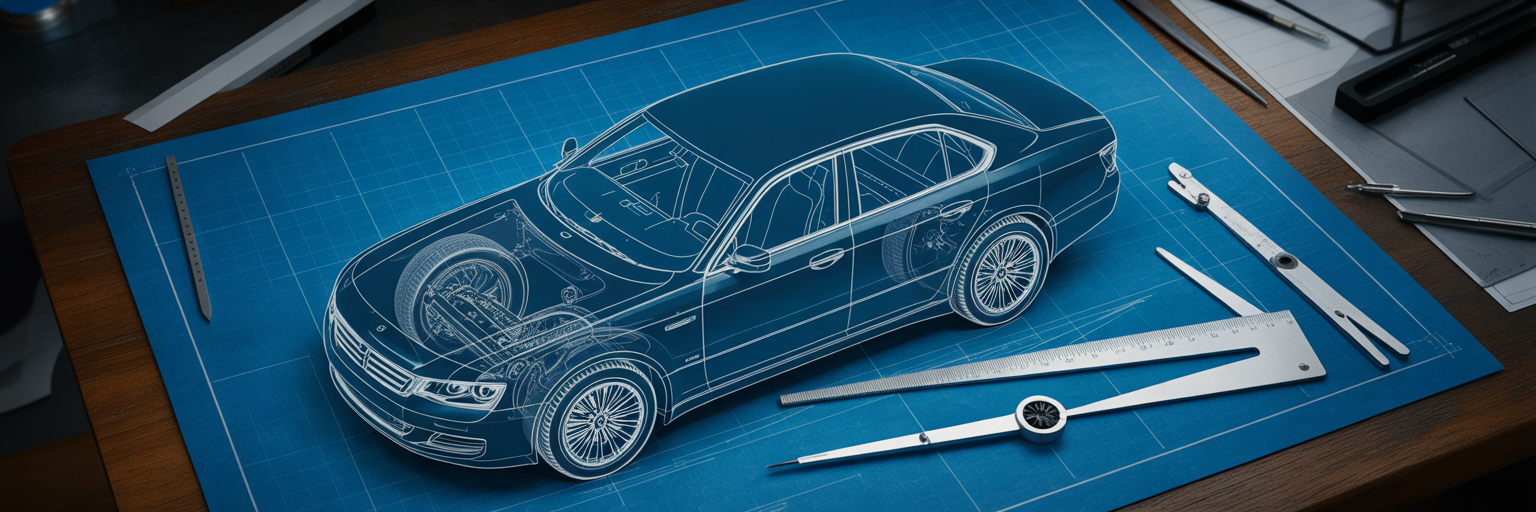
When you’re looking for a dependable daily driver, these sedans and hatchbacks have earned their reputations for powertrain longevity. Their secret is a commitment to proven, well-engineered automatic transmissions that prioritize durability over flashy specs.
Toyota Camry & Corolla
It’s impossible to discuss reliability without mentioning Toyota. The legendary Toyota Aisin transmission reliability is the foundation of their brand promise. For decades, the U-series family of 4, 5, and 6-speed automatics found in countless Camrys and Corollas have been the industry benchmark for durability. They are smooth, predictable, and famously tough, often lasting the life of the vehicle with just basic fluid changes.
Honda Accord & Civic
Honda has a long history of building excellent in-house automatic transmissions. Their 5- and 6-speed units are known for being responsive and exceptionally durable. While their modern CVTs are now among the best and most reliable in the industry, the key is maintenance. A well-maintained Honda automatic, whether it’s a traditional gearbox or a CVT, is a solid bet. The choice between the two top contenders often comes down to driving feel, a topic we explore in our 2026 hybrid sedan showdown: Honda Accord vs. Toyota Camry.
Lexus ES & IS
If you take Toyota’s reliability and add a layer of refinement and even higher quality control, you get a Lexus. The Lexus ES and IS models use Aisin-built transmissions that are engineered to even tighter tolerances for maximum smoothness and longevity. They are designed to provide an utterly seamless driving experience for hundreds of thousands of miles, making a used Lexus one of the smartest luxury purchases you can make.
Acura TL/TLX & ILX
As Honda’s luxury division, Acura has a strong track record. The older 5- and 6-speed automatics found in models like the much-loved Acura TL are rock-solid. When looking at newer TLX models, savvy buyers should favor the V6 engine option, as it was typically paired with a more robust, traditional automatic transmission, offering a better long-term reliability prospect compared to some of the earlier dual-clutch offerings.
Top Picks: SUVs and Crossovers with Dependable Gearboxes
In the SUV and crossover market, a strong transmission is even more critical. These heavier vehicles put more strain on the drivetrain, making a robust gearbox essential for long-term dependability. These models have consistently proven they are up to the task.
Toyota RAV4 & Highlander
Just like their sedan counterparts, the RAV4 and Highlander built their reputations on the back of proven Aisin automatic transmissions. These gearboxes are designed to handle the extra weight and potential all-wheel-drive demands without breaking a sweat. Their durability is a key reason why these models hold their value so well and are perennial favorites on the used market.
Honda CR-V & Pilot
Honda’s reputation for dependable powertrains extends to its popular SUVs. The CR-V’s CVT is widely regarded as one of the best and most reliable on the market, offering smooth power and excellent fuel economy. The larger, three-row Pilot has long used stout traditional automatic transmissions designed to handle family-hauling and light towing duties with ease.
Lexus RX
The Lexus RX is the gold standard for used luxury crossover reliability. Its transmission is famously overbuilt and buttery smooth, delivering a serene driving experience that lasts. It perfectly blends luxury with the kind of dependability you’d expect from its Toyota parentage. For those weighing options in the premium hybrid space, it’s worth seeing how it stacks up against its sibling, as detailed in our Lexus RX Hybrid vs. Toyota Highlander Hybrid comparison.
Mazda CX-5
Mazda has become a standout choice for those seeking reliability with a dash of driving fun. A huge part of this success is its Skyactiv-Drive 6-speed automatic. This transmission is a modern marvel, cleverly designed to provide the quick, direct feel of a DCT with the unbeatable reliability of a traditional torque converter automatic. It’s a key reason the CX-5 is a top contender for the best used SUV for reliability.
Beyond the Big Names: Other Reliable Contenders
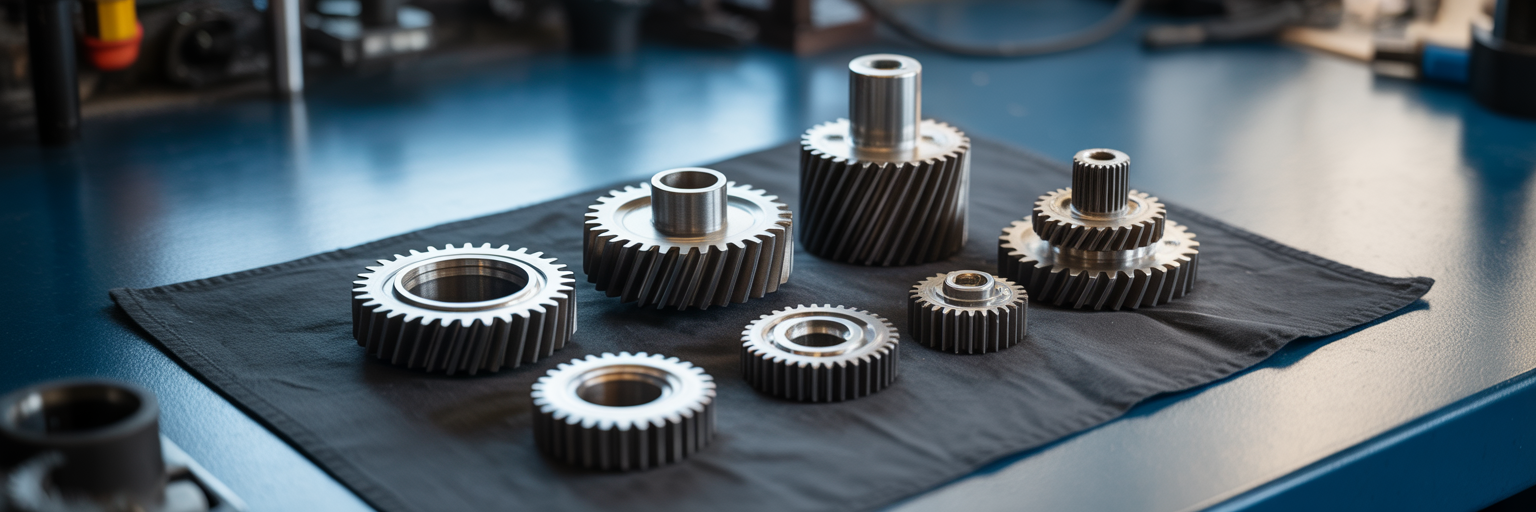
While the Japanese giants often dominate the reliability conversation, savvy buyers know that durable transmissions can be found in unexpected places. Looking beyond the usual suspects can uncover some hidden gems that offer fantastic value and durability.
Don’t overlook domestic options entirely. While some have had troubled histories, others are quite solid. For example, the Ford 6F35 6-speed automatic transmission found in models like the Fusion and Escape became a dependable unit after updates around 2013. Early versions had flaws, but the later ones are solid performers. For a true budget-friendly tank, you can look back to an older, famously durable American powertrain: the Buick 3800 Series II V6 paired with the 4T65-E transmission in cars like the LeSabre and Park Avenue. It’s not fancy, but it is incredibly tough.
Japanese transmission excellence also found its way into some European brands. For years, many Volvo models, including the S60 and XC90 from the 2000s and 2010s, used tough Aisin-Warner automatic transmissions. This gave them a level of powertrain reliability that often surprised those accustomed to expensive European repair bills.
The core insight here is to become a student of the parts, not just the brand. Learn to look for the transmission supplier’s name, like Aisin or ZF, in vehicle specifications. This is often a better indicator of reliability than the badge on the car’s grille. Armed with this knowledge, you can explore a wider range of vehicles on sites like CarPhanatics and spot the truly durable models that others might overlook.
The Drivetrain Equation: Engine and Transmission Synergy
A transmission doesn’t exist in a vacuum. Its lifespan is directly influenced by the engine it’s paired with and the drivetrain layout it’s part of. Understanding this relationship is key to choosing one of the best used cars with reliable transmissions.
Think of it this way: a transmission’s life is dictated by the stress it endures. A high-torque, small-displacement turbocharged engine puts immense, sudden strain on a gearbox every time the turbo spools up. In contrast, a larger, naturally aspirated engine delivers its power more smoothly and predictably, putting far less stress on the transmission’s internal components. This is why the combination of a naturally aspirated engine paired with a conventional automatic transmission is widely considered the gold standard for longevity. A perfect example is the Toyota Camry with its 2.5L four-cylinder engine and 6-speed automatic—a pairing designed for minimal stress and maximum life.
The drivetrain layout also plays a role. While modern all-wheel-drive (AWD) systems are generally reliable, a front-wheel-drive (FWD) setup is inherently simpler. It has fewer moving parts. There’s no transfer case, no rear differential, and no long driveshaft to worry about. For a buyer whose absolute top priority is minimizing long-term risk and potential repair costs, the FWD version of a given model is often the slightly safer bet.
This leads to a simple but powerful rule for used car shopping: always favor the simplest, most proven powertrain combination offered for that model. Be especially cautious of the first model year of any brand-new engine or transmission technology. Let other buyers work out the bugs. Your goal is to buy a car whose powertrain has already stood the test of time.
Your Pre-Purchase Transmission Inspection Checklist
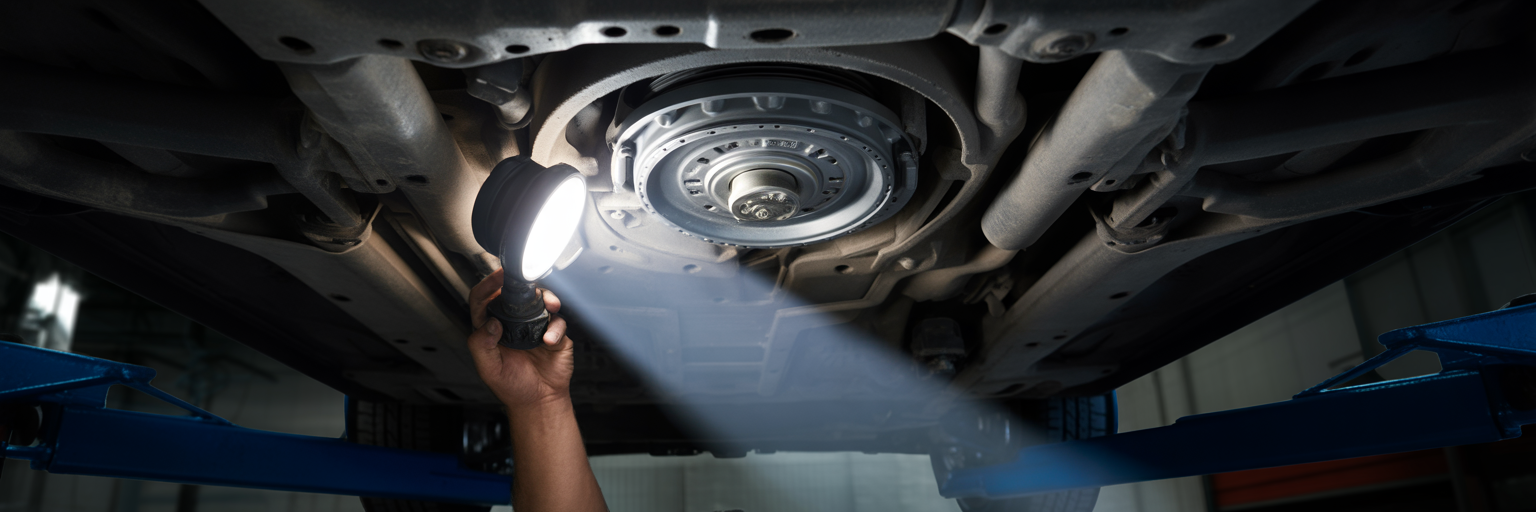
You’ve done your research and narrowed down your choices. Now comes the most important part: the physical inspection and test drive. This practical, step-by-step checklist will help you spot potential transmission trouble before you sign any paperwork.
- Review the Maintenance Records: This is your first and most important step. Insist on seeing proof of transmission fluid changes at the manufacturer’s recommended intervals. A stack of service receipts is a huge green flag. No history is a major red flag and means you should assume the service was never done.
- Perform the Cold Start Test: When you first get to the car, start it before the engine has had a chance to warm up. With your foot on the brake, shift from Park to Reverse, then to Drive. The transmission should engage the gear within a second or two without a harsh clunk or jolt. Hesitation here can signal internal issues.
- Conduct a Thorough On-Road Test: During the drive, pay close attention to the shifts. Accelerate gently, moderately, and then more aggressively. The shifts should be almost imperceptible under light throttle and crisp but not jarring under hard acceleration. Listen and feel for any shuddering, hesitation, or engine flaring between gears.
- Inspect for Leaks: After the test drive, park the car on a clean, dry patch of pavement. Look underneath for any red or dark brown drips originating from the front-center of the car. Fresh, healthy transmission fluid is bright red; old, burnt fluid is dark brown or black and often has a foul smell.
- Invest in a Professional Pre-Purchase Inspection (PPI): This is non-negotiable. Spending $150 to $250 for a trusted mechanic to put the car on a lift, inspect for hidden leaks, and scan the onboard computers for trouble codes is the best investment you can make. It is the ultimate safety net to catch issues you can’t see or feel.
Making a Confident and Long-Lasting Used Car Choice
Buying a used car doesn’t have to feel like a gamble. Reliability isn’t a matter of luck; it’s the result of making an informed choice. By understanding the different types of transmissions and their historical performance, you can dramatically improve your odds of a positive outcome.
The core philosophy is simple: prioritize models with proven transmission durability, like those from Toyota, Lexus, and Honda, and actively avoid those with a known history of issues, such as certain early-generation CVTs. Combine this knowledge with a thorough inspection and a non-negotiable pre-purchase inspection from a trusted mechanic.
In the used car market, knowledge is your greatest asset. You are no longer just a hopeful buyer crossing your fingers. You are an informed consumer equipped with an understanding of mechanical reliability and historical data. You are ready to make a smart purchase that will provide you with years of dependable, stress-free service.