
For generations of American families, the go-to vehicle for hauling kids, gear, and trailers has been the full-size, body-on-frame SUV. It’s the modern equivalent of the classic station wagon, but with far more muscle and presence. For buyers in the used market, two prominent options consistently surface: the Nissan Armada and the Toyota Sequoia. While they compete in the same class, they represent two fundamentally different ownership philosophies.
The decision between a used Nissan Armada vs Toyota Sequoia often comes down to a single question: are you prioritizing upfront cost and comfort, or are you investing in long-term dependability and value retention? The Armada presents itself as the value leader, offering near-luxury appointments and a potent standard V8 engine for a surprisingly accessible price on the used lot. It feels like you’re getting more truck for your money from day one.
In the other corner, the Toyota Sequoia stands as a testament to durability. It’s built on a reputation for unshakeable reliability and commands a higher price because the market knows it’s a sound long-term investment. This kind of head-to-head analysis is essential for making a smart purchase, similar to how buyers might weigh a Chevrolet Tahoe against a Ford Expedition. As a buyer in 2026, you’ll primarily encounter the second-generation Armada (2017-present) and two distinct versions of the Sequoia: the long-running second generation (2008-2022) with its V8 and the newer third generation (2023+) featuring a hybrid powertrain. Understanding these generations is the first step in deciding which of these giants is right for you.
Built to Last? A Deep Dive into Durability and Reliability
A vehicle’s reputation for reliability isn’t just marketing; it’s forged over millions of miles and decades of owner experiences. Here, the philosophies of Toyota and Nissan diverge significantly, and it shows in how these SUVs age.
The Sequoia’s Foundation of Longevity
The legendary Toyota Sequoia reliability isn’t an accident. It’s a direct result of Toyota’s conservative engineering approach. The second-generation model (2008-2022) shares its bones, including its engine and transmission, with the famously overbuilt Tundra pickup truck. Toyota favored incremental, proven improvements over risky innovations. This means the components are designed to withstand the abuse of a work truck, giving them an easy life inside a family SUV. The Sequoia’s longevity is a prime example of why some high-mileage cars age better than others, where a proven design trumps flashy, unproven technology.
The Armada’s ‘Endurance’ V8 Under Scrutiny
Nissan’s 5.6-liter “Endurance” V8 is a generally stout and powerful engine. It delivers impressive performance and has a solid track record. However, as these second-generation Armadas accumulate high mileage, some specific patterns have emerged. Owners have reported issues with catalytic converters failing prematurely, a repair that can be quite expensive. There are also documented cases of timing chain guide wear on higher-mileage examples, which requires significant labor to address. While not a guaranteed failure, it’s a known risk that isn’t as prevalent in its Toyota counterpart.
Body-on-Frame: A Shared Strength
Both the Armada and Sequoia are built using traditional body-on-frame construction. Think of it as a separate, heavy-duty steel ladder frame forming the vehicle’s backbone, with the body bolted on top. This truck-based architecture is inherently more robust and durable for towing heavy loads and absorbing rough road conditions compared to the unibody construction of most modern crossovers. It’s the reason these vehicles feel so substantial on the road and can handle tasks that would overwhelm lighter-duty SUVs.
Common Issues Past 100,000 Miles
No vehicle is perfect, and knowing what to look for can save you from major headaches. When inspecting a higher-mileage example, pay attention to these model-specific weak points:
- Toyota Sequoia (2nd Gen): Watch for leaks from the cam towers on the V8 engine. Also, the secondary air injection pumps, part of the emissions system, are a known failure point that can trigger a check engine light.
- Nissan Armada (2nd Gen): Beyond the potential engine issues, some owners report quirky behavior from the 7-speed automatic transmission. The complex infotainment system can also develop glitches with age, so test every function thoroughly during a test drive.
Power on Demand: Towing and Hauling Capabilities
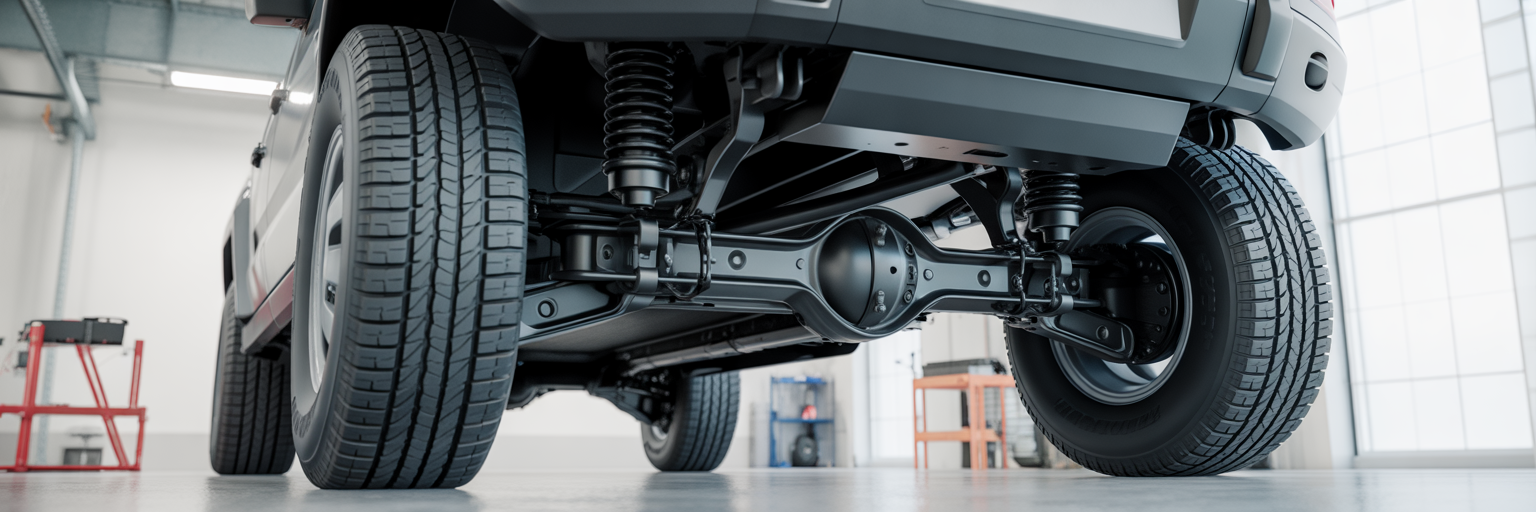
A primary reason families choose these large SUVs is for their ability to pull a boat or a camper. While both are capable, their powertrains deliver that capability in different ways, especially when comparing the newer Sequoia hybrid to the Armada’s V8.
The second-generation Armada comes with one engine choice: a potent 5.6L V8 making around 400 horsepower. It’s strong, sounds great, and has no trouble getting the vehicle up to speed. The second-generation Sequoia uses a 5.7L V8 with 381 horsepower, a proven workhorse. The big shift came with the third-generation Sequoia, which introduced the i-FORCE MAX hybrid powertrain. This system pairs a twin-turbo V6 with an electric motor to produce a massive 437 horsepower and, more importantly, 583 lb-ft of torque. That immense torque is available almost instantly, making it feel much more powerful when pulling a heavy trailer from a standstill.
The Nissan Armada towing capacity is a respectable 8,500 pounds, enough for most family-sized travel trailers and boats. The second-gen Sequoia is rated slightly lower at around 7,400 pounds, while the new hybrid model pushes its maximum up to an impressive 9,520 pounds. But what does that mean for your family’s weekend trips? The Armada can comfortably handle a large ski boat, but the third-gen Sequoia has the muscle for a 28-foot Airstream. Choosing the right vehicle is crucial for hauling a camper, a task that requires a careful look at specifications as detailed in this guide to the best used trucks for towing a camper.
| Specification | Nissan Armada (2nd Gen) | Toyota Sequoia (2nd Gen) | Toyota Sequoia (3rd Gen) |
|---|---|---|---|
| Engine | 5.6L V8 | 5.7L V8 | 3.4L Twin-Turbo V6 Hybrid |
| Horsepower | ~400 hp | ~381 hp | 437 hp |
| Torque | ~413 lb-ft | ~401 lb-ft | 583 lb-ft |
| Max Towing Capacity | ~8,500 lbs | ~7,400 lbs | ~9,520 lbs |
| Transmission | 7-Speed Automatic | 6-Speed Automatic | 10-Speed Automatic |
Note: Figures are approximate and can vary by model year, trim level, and 2WD/4WD configuration. Buyers should always verify the specific vehicle’s towing capacity.
Beyond the engine, the transmission plays a key role. The newer Sequoia’s 10-speed automatic offers more ratios, keeping the engine in its optimal power band more effectively than the Armada’s 7-speed or the older Sequoia’s 6-speed, especially on steep grades. Finally, don’t just look at the tow rating. Ensure the vehicle has a factory tow package, which includes essential hardware like an integrated trailer brake controller, transmission cooler, and specific suspension tuning for safer, more stable hauling.
The Cabin Experience: Space, Comfort, and Family-Friendliness
You’ll spend hundreds of hours inside your SUV, so the cabin’s design, space, and technology are just as important as what’s under the hood. Here, the Armada and Sequoia offer distinctly different environments.
Contrasting Interior Philosophies
Step inside a second-generation Armada, especially in a higher trim like the Platinum, and you’ll be greeted by an environment that aims for a near-luxury feel. Nissan used plenty of soft-touch materials, wood-tone accents, and plush, quilted leather seats. It feels expensive. The second-generation Sequoia, by contrast, prioritizes function over form. The plastics are harder and the design is more utilitarian, but every button and surface feels like it was built to withstand a decade of spilled juice boxes, muddy cleats, and family road trip chaos.
Passenger Space: A Clear Winner for Long Trips
For families with growing teenagers or those who frequently travel with other adults, the Armada holds a clear advantage in passenger space. It offers more generous legroom and headroom in both the front and second rows. The seats themselves are often described as more comfortable and sofa-like. This makes the Armada one of the best family road trip vehicles, ensuring comfort on multi-hour drives. The Sequoia is by no means cramped, but the Armada’s cabin simply feels more expansive and accommodating for full-sized humans.
Third-Row Usability and Cargo Reality
The third row is often the deciding factor for large families. While both SUVs offer three rows of seating, their utility differs. The Armada generally provides easier access to the third row and slightly more legroom for those relegated to the back. However, the most critical metric is cargo space behind the third row. This is where you put groceries, strollers, or luggage when all seats are in use. Both second-generation models offer a usable amount of space, but the third-generation Sequoia made a controversial change. Its hybrid battery pack is located under the third row, which no longer folds flat into the floor, creating an uneven load surface and compromising cargo flexibility—a significant drawback for some buyers.
The All-Important Technology Gap
For many buyers, a vehicle’s tech is non-negotiable. This is where model year becomes critical. For years, both the Armada and the second-gen Sequoia were criticized for their dated infotainment systems. If you want modern smartphone integration, you need to be selective. For the Nissan Armada, Apple CarPlay and Android Auto became standard starting with the 2021 model year refresh. For the Toyota Sequoia, these features were finally added in the 2020 model year. A used 2019 model of either SUV will feel a generation behind a 2021 model simply because of the screen in the dashboard.
The Price at the Pump and on the Road
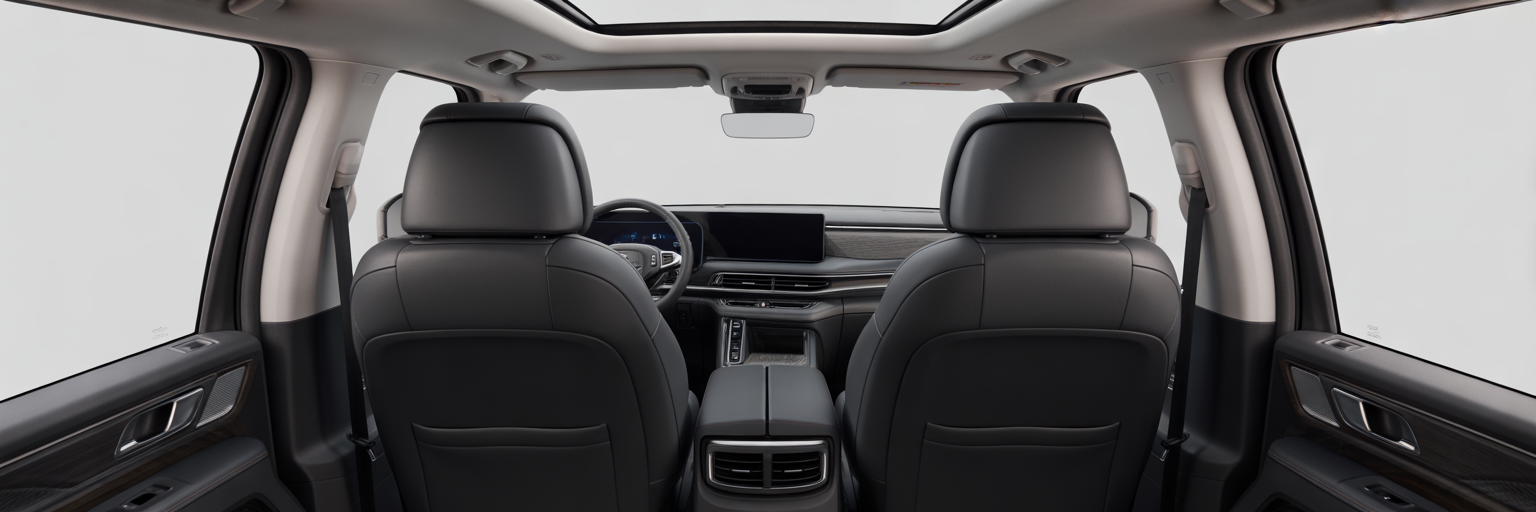
The initial purchase price is only the beginning of the ownership story. Fuel, maintenance, and insurance create a long-term financial picture that can vary dramatically between these two SUVs, especially with the introduction of the Sequoia’s hybrid powertrain.
Let’s talk fuel economy, because with large V8s, the numbers are sobering. The Armada’s 5.6L V8 averages around 16 MPG combined. The older Sequoia’s 5.7L V8 is similar, at about 15 MPG combined. For years, this was simply the price of admission for a full-size SUV. The third-generation Sequoia hybrid changes that calculation entirely, delivering an EPA-estimated 22 MPG combined. What does that mean for your wallet? Let’s use a simple formula, assuming 15,000 miles driven per year and gas at $3.50 per gallon.
- Nissan Armada: (15,000 miles / 16 MPG) * $3.50 = $3,281 per year
- Toyota Sequoia (V8): (15,000 miles / 15 MPG) * $3.50 = $3,500 per year
- Toyota Sequoia (Hybrid): (15,000 miles / 22 MPG) * $3.50 = $2,386 per year
The hybrid Sequoia could save you nearly $900 a year in fuel costs compared to the Armada. Over five years of ownership, that’s a $4,500 difference that helps offset its higher initial price.
Of course, cost goes beyond the pump. Both vehicles require large, expensive tires, but higher trims with 22-inch wheels will have significantly higher replacement costs than those with 18-inch wheels. Insurance premiums also tend to be higher on the more valuable Sequoia. However, many buyers express a “hybrid fear factor,” worrying about the long-term reliability and replacement cost of the battery pack in a used Sequoia. It’s a valid concern, but it helps to remember that Toyota has been perfecting its hybrid systems for over two decades in millions of vehicles. The batteries are covered by a 10-year/150,000-mile warranty, and their proven longevity in vehicles like the Prius and Highlander should provide significant peace of mind.
Ownership Realities: Common Problems and Maintenance
Beyond the engine and transmission, the day-to-day ownership experience is shaped by the smaller things that can go wrong. This is different from overall durability; it’s about the specific, documented quirks and common repair jobs you might face as an owner.
For the second-generation Nissan Armada, a few patterns have emerged that potential buyers should be aware of:
- Direct Injection Issues: The 5.6L V8 uses direct injection, which can be prone to carbon buildup on the intake valves over time, potentially affecting performance and requiring a specialized cleaning service.
- Infotainment Glitches: Even on newer models, owners have reported occasional freezing or unresponsiveness from the central touchscreen, sometimes requiring a system reboot.
- Suspension Wear: Given its weight, components like control arm bushings and shocks can wear out, leading to a less controlled ride or clunking noises over bumps.
The Toyota Sequoia is not without its own set of known issues, though they are often considered less severe:
- Cam Tower Leaks: A well-documented issue on the 5.7L V8 is a slow oil seep from the cam tower seals. It’s often not a critical leak but can be a costly repair if a new owner wants it perfectly sealed.
- Secondary Air Injection System: As mentioned earlier, this emissions component can fail, putting the vehicle into a “limp mode” and requiring replacement.
- Water Pump: While generally robust, the water pump on the 5.7L V8 is a component that may need replacement around the 100,000-mile mark as a preventative measure.
The repair landscape also differs. Toyota’s massive sales volume means that parts for the Sequoia are widely available from both Toyota and aftermarket suppliers, and nearly any independent mechanic is familiar with working on them. This competition helps keep repair costs down. While many parts for the Armada are also available, some specific electronic modules or trim pieces may be dealer-only items, potentially leading to higher repair bills. For the DIY enthusiast, the Sequoia’s engine bay is generally considered a bit more straightforward for basic maintenance. Many of these issues can be mitigated with diligent care, so learning how to keep your car’s engine running for years is a worthwhile investment for any owner.
The Long Game: Resale Value and Total Cost of Ownership
Perhaps the most significant financial difference between these two SUVs isn’t the purchase price or the fuel cost, but how much money you get back when it’s time to sell. This is where the Sequoia builds an almost unbeatable case.
Depreciation is the single largest cost of owning most vehicles. The Armada vs Sequoia resale value comparison reveals a dramatic gap. This stark difference is quantified by market analysis from iSeeCars.com, which found the Toyota Sequoia holds its value far better, depreciating by only 39.2% over five years compared to the Nissan Armada’s 60.4%. On a $50,000 vehicle, that means the Armada could lose over $30,000 in value, while the Sequoia loses less than $20,000. That $10,000 difference is real money that stays in your pocket.
This all feeds into the concept of Total Cost of Ownership (TCO). A simple way to think about TCO is with this formula:
TCO = (Purchase Price) + (5-Year Running Costs) – (Resale Value)
When you apply this, the picture becomes clear. The Armada’s lower initial purchase price is tempting. You get a lot of vehicle for the money upfront. However, its higher depreciation and potentially higher running costs can lead to a greater TCO over five years. The Sequoia’s higher purchase price is often balanced out by its lower running costs (especially the hybrid) and its substantially higher resale value. For many buyers, this makes the Sequoia the cheaper vehicle to own in the long run, even though it costs more to buy.
The Armada’s appeal remains its strong upfront value. If you need a large, comfortable, and powerful SUV for a few years and want to minimize your initial cash outlay, it’s a compelling choice. But you must go into the purchase accepting that it will lose its value much faster. The strong demand for proven, reliable vehicles in the used market is what keeps Sequoia values high and solidifies its status as a sound financial decision.
The Final Verdict: Which Used SUV Belongs in Your Driveway?
After comparing capability, comfort, and cost, a clear picture emerges. The choice between a used Nissan Armada and a Toyota Sequoia isn’t about which one is “better” overall, but which one is better for your specific priorities and financial outlook. This is a critical part of any good used SUV buying guide.
For the pragmatic buyer focused on the long game, the Toyota Sequoia is the smarter purchase. Its superior reliability, stronger resale value, and lower Total Cost of Ownership make it the wisest financial choice. It’s the vehicle you buy with confidence, knowing it will serve your family dependably for years and return a significant portion of your investment when it’s time to sell. It is arguably the best used large SUV for those who value peace of mind and financial prudence.
However, that doesn’t make the Armada a bad choice. For the buyer who prioritizes upfront value and a more luxurious cabin experience, the Nissan Armada is a compelling option. You can get a newer, more feature-rich Armada for the same price as an older, higher-mileage Sequoia. If you want maximum comfort for your dollar and are willing to accept the steeper depreciation and slightly higher risk of long-term repairs, the Armada delivers an impressive package.
The “sweet spot” for buyers would be a 2020-2022 Toyota Sequoia for its proven V8 and updated tech, or a post-2021 Nissan Armada for its refreshed interior and modern infotainment. Before you sign any paperwork, use this pre-purchase checklist:
- For any model: Get a comprehensive pre-purchase inspection from a trusted independent mechanic.
- For the Armada: Test every single button and function on the infotainment system. Listen carefully for any clunks from the suspension on a bumpy road.
- For the V8 Sequoia: Specifically ask the mechanic to check for leaks around the cam towers and inspect the frame for rust, especially on vehicles from northern states.
- For the Hybrid Sequoia: Test drive it to ensure smooth transitions between gas and electric power and check the cargo area to see if the non-flat floor works for your needs.