
First Signs of a Failing Car Air Conditioner
It’s a familiar scene for drivers across the US. The first truly hot day of the year arrives, you confidently turn on your car’s air conditioning, and you’re met with a blast of lukewarm air. That initial moment of confusion quickly turns to frustration as the cabin temperature continues to climb. So, why is my car ac not blowing cold air? The answer can be surprisingly simple, sometimes pointing to a five-minute fix you can do yourself. Other times, it signals a more complex problem that needs a professional mechanic.
Understanding what’s happening under the hood can take away some of the mystery. Think of your car’s AC system as a small team of components working together to move heat out of your car. The refrigerant is the cooling agent, a special fluid that absorbs heat from the cabin air. The compressor is the heart of the system, pumping that refrigerant through a series of lines and hoses. From there, the hot refrigerant flows to the condenser, which acts like a radiator for the AC, releasing heat into the outside air. Finally, the chilled refrigerant travels to the evaporator, a mini-freezer hidden in your dashboard that cools the air before it blows through your vents. When one of these parts stops doing its job, your cool ride quickly becomes a hot seat.
Nine Common Reasons Your Car AC Blows Warm Air
When your AC starts underperforming, it’s usually due to one of a handful of common issues. Identifying the specific cause is the first step toward getting your cool air back. Here are nine of the most frequent culprits behind a car AC blowing warm air.
1. Low Refrigerant Levels
Refrigerant, often known by its brand name Freon, is the lifeblood of your AC system. It’s a chemical compound that cycles between a liquid and a gas to absorb heat from inside your car and release it outside. A common misconception is that refrigerant gets “used up” like gasoline. It doesn’t. Your AC is a sealed system, so if the refrigerant level is low, it means there is a leak somewhere.
2. Refrigerant Leaks
This brings us to the most common reason for low refrigerant. Over time, the rubber seals, gaskets, and hoses in the AC system can become brittle and crack, creating a car ac refrigerant leak. These leaks can be slow and difficult to spot. Sometimes, the only sign is a gradual decline in cooling performance over weeks or months. A mechanic might find a greasy film on AC components, which is a telltale sign of leaking refrigerant mixed with lubricating oil. The durability of these components can vary, which helps explain why some high-mileage cars age better than others. Due to environmental regulations, handling and recharging refrigerant is a job best left to professionals with the right equipment.
3. A Failing AC Compressor
If the refrigerant is the blood, the compressor is the heart. It’s responsible for pressurizing the refrigerant and forcing it through the system. When the compressor fails, the entire cooling cycle stops. There are several bad ac compressor symptoms to watch for. You might hear a loud grinding or squealing noise when you turn the AC on. Another sign is if the compressor clutch doesn’t engage. When you turn on the AC, you should hear a distinct “click” from the engine bay as the clutch activates. If that click is missing, the compressor might be the problem.
4. A Clogged Cabin Air Filter
This is one of the simplest and most overlooked issues. The cabin air filter does exactly what its name implies: it filters the air coming from outside before it enters your car’s cabin. Over time, it gets clogged with dust, pollen, leaves, and other debris. When it’s severely clogged, it can drastically reduce the amount of air flowing through the vents. Your AC system might be producing ice-cold air, but if it can’t push that air into the cabin, it will feel weak or ineffective.
5. A Faulty or Blocked Condenser
The condenser is located at the very front of your vehicle, usually right in front of the radiator. Its job is to release the heat that the refrigerant has absorbed from your cabin. Because of its location, it’s exposed to road debris like rocks, bugs, and dirt. If its fins get blocked or damaged, it can’t dissipate heat effectively. This forces the entire system to work harder and less efficiently, resulting in warm air from the vents.
6. Electrical System Problems
Modern AC systems are complex and rely on a network of sensors, switches, fuses, and relays. A problem with any of these electrical components can shut down the entire system. It could be something as simple as a blown fuse or a faulty relay that prevents the compressor clutch from engaging. A bad pressure switch might incorrectly tell the system that refrigerant levels are too low or too high, preventing it from turning on as a safety measure. These issues often require a mechanic with diagnostic tools to trace the problem.
7. Cooling Fan Malfunctions
Your car has large cooling fans behind the radiator that pull air over both the radiator and the AC condenser. These are especially important when the car is stationary or moving at low speeds. If a fan motor fails or a relay goes bad, the condenser won’t get enough airflow when you’re stopped in traffic. This is the classic cause for the symptom where the AC works fine on the highway but starts blowing warm air at a red light.
8. Blend Door or Actuator Issues
Inside your dashboard, there is a small flap called a blend door that controls whether warm air from the heater core or cold air from the evaporator comes out of the vents. This door is controlled by a small electric motor called an actuator. If the blend door gets stuck in the heat position or the actuator fails, you’ll only get warm air, even if the AC system itself is working perfectly.
9. Dirty or Frozen Evaporator Coils
The evaporator is the part inside your dash that gets cold. As air passes over it, moisture from the air condenses on its surface. This damp, dark environment is a prime spot for mold and mildew to grow, which can create a musty smell and also insulate the coils, reducing their cooling ability. In some cases, often due to low refrigerant, the evaporator can get too cold and freeze solid, turning into a block of ice that completely obstructs airflow.
Simple AC Troubleshooting You Can Do at Home

Before you book an appointment with a mechanic, there are a few simple checks you can perform yourself. These steps can help you narrow down the potential problem and have a more informed conversation about how to fix car ac issues. Remember to prioritize safety and only perform checks you are comfortable with.
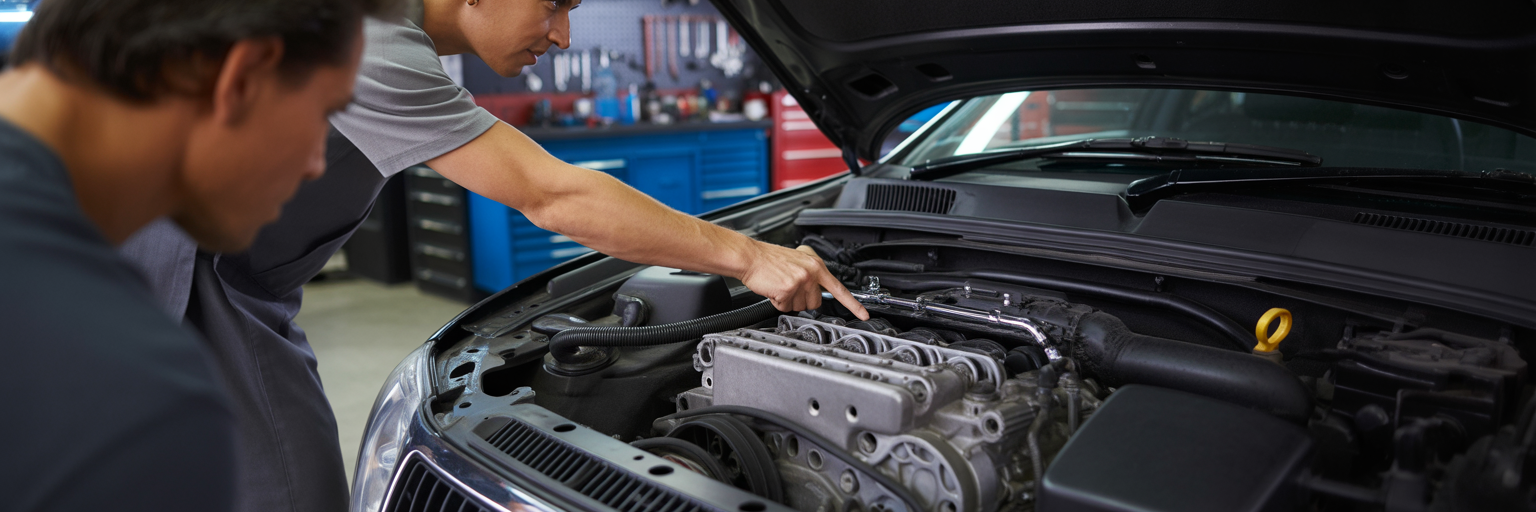
- Start with a Visual Inspection. With the engine off, open the hood and take a look. Check the AC compressor belt for any visible cracks or damage. Look at the front of the car for the condenser. Is it covered in dirt, leaves, or bugs? A gentle spray with a garden hose can sometimes clear away enough debris to improve performance. Look for any obvious greasy residue on the AC lines, which could indicate a leak.
- Listen for the Compressor. Start your car and turn the AC on its highest fan speed and coldest setting. You should hear a distinct “click” from the engine bay as the AC compressor clutch engages. The engine’s RPM might also dip slightly for a moment. If you don’t hear that click, it often points to an electrical problem (like a blown fuse) or a failed compressor.
- Check the Cabin Air Filter. This is often the easiest and cheapest potential fix. The cabin air filter is usually located behind the glove box. A quick search online for your car’s make and model will show you how to access it. Pull it out and inspect it. If it’s gray, dirty, and filled with debris, it needs to be replaced. A new filter costs very little and can make a huge difference in airflow.
- Monitor the Cooling Fans. With the car idling and the AC on full blast, watch the large electric fans behind the radiator. They should kick on within a minute or two. If they don’t spin, it’s a strong clue for why your car ac is blowing warm air when you’re stopped or driving slowly. This often points to a bad fan motor, relay, or fuse.
These simple steps can help you identify or rule out the most common, easy-to-fix problems. If you go through these checks and the issue persists, it’s time to let a professional take a look.
Decoding Your AC’s Symptoms: A Quick Guide
Different symptoms often point to different problems. By paying attention to exactly what your AC is doing or not doing, you can get a better idea of the potential cause. This table serves as a quick reference guide to connect what you’re experiencing with the most likely culprit. Find your symptom in the first column to understand the potential severity and what a mechanic might look for next.
| Symptom | Likely Cause | Possible Fix |
|---|---|---|
| AC blows slightly cool, but not cold | Low refrigerant level or clogged cabin air filter | Professional leak check and recharge; DIY filter replacement |
| Airflow from vents is very weak | Clogged cabin air filter or frozen evaporator coil | DIY filter replacement; Professional diagnosis |
| AC makes a loud grinding or squealing noise | Failing AC compressor | Professional diagnosis and replacement |
| AC works on the highway but blows warm in traffic | Faulty cooling fan or blocked condenser | Professional electrical check; Cleaning the condenser |
| AC blows hot air all the time | Stuck blend door or major electrical issue | Professional diagnosis of actuator/electrical system |
| No air blows from vents at all | Failed blower motor or blown fuse | Professional electrical diagnosis and motor replacement |
Note: This table provides a general guide. The actual cause can vary, and a professional diagnosis is the only way to confirm the issue and determine the correct repair.
Can You Drive With a Car AC That Isn’t Blowing Cold?
Yes, in most situations, it is safe to drive your car with an AC that isn’s working. The air conditioning system is primarily for comfort and is separate from the critical systems that control your engine, brakes, and steering. You can safely get from point A to point B, albeit uncomfortably on a hot day.
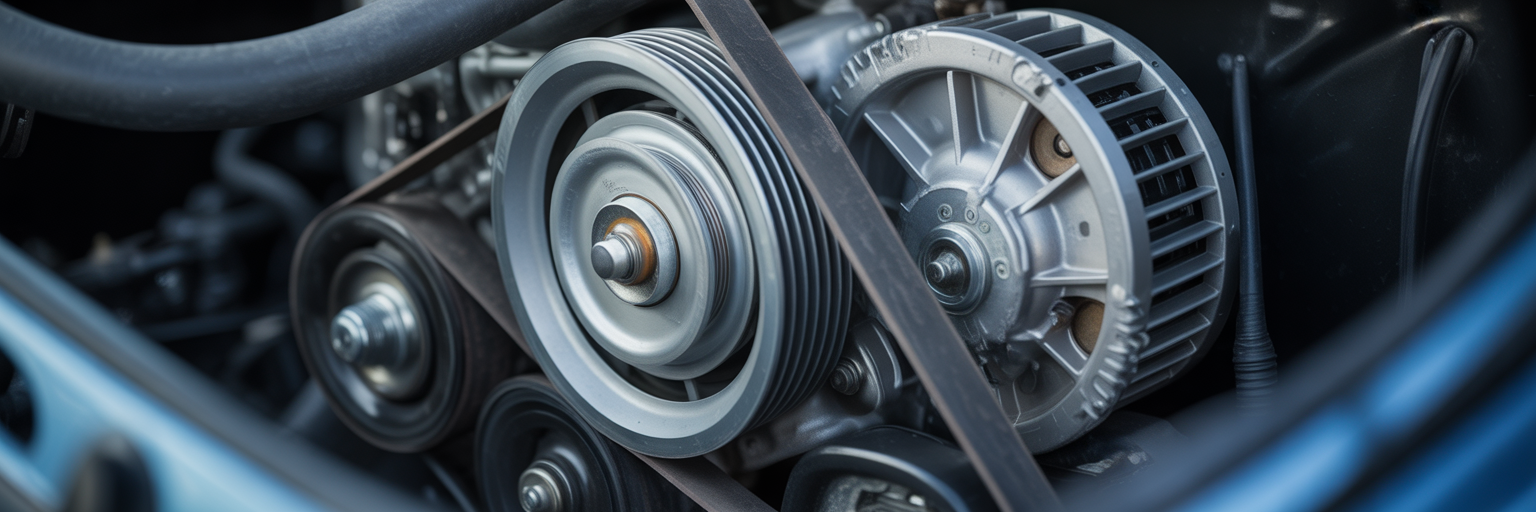
However, there is one critical exception: a seizing AC compressor. The compressor is driven by the engine’s serpentine belt, which often powers other essential components like the alternator (which charges the battery) and the water pump (which cools the engine). If the compressor’s internal parts fail and it seizes, it can cause the belt to squeal loudly, smoke, or even break. A broken serpentine belt will cause your car to break down quickly. If you hear a loud, continuous squeal or grinding noise when the AC is on, it’s best to turn it off immediately and have it inspected.
Ignoring a simple AC problem can also be a financial risk. A small, slow refrigerant leak that might cost a few hundred dollars to fix can force the compressor to work much harder, leading to its premature failure. That turns a minor repair into a major one that can cost over a thousand dollars. It is important to pay attention to all of your vehicle’s systems, as this is part of how to keep your car’s engine running for years. Think of a broken AC not as a critical failure, but as an important warning sign that should be addressed to prevent higher costs down the road.
How Much Does It Cost to Fix a Car AC That Is Not Blowing Cold?
The car ac repair cost can vary dramatically, from a simple DIY fix to a four-figure professional job. The final price depends on your vehicle’s make and model, local labor rates, and of course, the specific part that has failed. It’s always wise to get an estimate before agreeing to any work.
Here are some realistic price ranges for common AC repairs in the US:
- AC Recharge: This service should only be performed after a leak has been identified and repaired. It involves evacuating the old refrigerant and refilling the system to the correct level. Expect to pay $150–$300.
- Cabin Air Filter Replacement: This is the cheapest fix. You can do it yourself for the cost of the part ($20–$40), or have a shop do it for $50–$100.
- Condenser Replacement: Because of its location at the front of the car, replacing a condenser involves significant labor. The cost typically ranges from $400–$1,200.
- Compressor Replacement: This is one of the most expensive AC repairs. The part itself is costly, and the labor is intensive. Costs can range from $500 to over $1,500.
Many people hesitate to pay a diagnostic fee, but it’s often the smartest money you can spend. Paying a shop $100–$200 for a proper diagnosis ensures they find the root cause of the problem. This prevents you from wasting money on parts you don’t need. As automotive repair resources like Haynes Manuals report, AC compressor replacements can easily exceed $1,000 depending on the vehicle. This is especially true for certain models, making it important to know which used luxury SUVs won’t destroy you on repairs before you buy.
Frequently Asked Questions About Car AC Problems
Why is my car AC blowing air but not cold?
This is a very common symptom. It means your blower motor and vents are working correctly, but the air isn’t being cooled. The most likely culprits are low refrigerant due to a leak, a failing AC compressor that isn’t circulating the refrigerant, or a blocked condenser that can’t release heat.
Can low refrigerant make my AC stop cooling?
Yes, absolutely. Low refrigerant is the number one reason a car’s AC stops blowing cold. The system is designed to operate with a specific amount of refrigerant. When the level drops too low from a leak, there isn’t enough of the chemical to effectively absorb heat from the cabin, and the cooling performance diminishes until it stops altogether.
How do I know if my car AC compressor is bad?
The key bad ac compressor symptoms are usually auditory. A loud grinding, squealing, or rattling noise that starts when you turn on the AC is a major red flag. Another clear sign is the absence of the “click” when the compressor clutch is supposed to engage. If you turn the AC on and hear nothing from the compressor, it may have failed.
Can I recharge my car AC myself?
While DIY AC recharge kits are available at auto parts stores, it’s strongly advised to leave this job to professionals. These kits don’t fix the underlying leak that caused the low refrigerant in the first place. Overcharging the system with one of these cans can cause even more damage. Furthermore, releasing refrigerant into the atmosphere is harmful to the environment and illegal in many places. A professional has the tools to find and fix the leak, then charge the system correctly. For reliable information on car care, it’s always best to consult trusted resources like those found on our homepage.
Why does my car AC get warm when idling?
This classic symptom almost always points to a lack of airflow over the condenser. When you’re driving on the highway, air is naturally forced through the condenser, keeping it cool. When you stop, the car relies on its electric cooling fans to pull air through. If those fans are not working correctly, the condenser gets hot, pressure in the system builds, and the AC stops cooling effectively.
Is it expensive to fix car AC problems?
It depends entirely on the problem. A fix can be as cheap as a $10 fuse or a $30 cabin air filter. On the other hand, a major component failure like the compressor can cost over $1,500 to replace. This is why getting a proper diagnosis early is so important. Catching and fixing a small leak is far more affordable than replacing a compressor that failed because of it.
Getting Your Cool Back: Next Steps
Facing a car AC that’s not blowing cold air can be frustrating, but it’s a common and solvable problem. The best approach is to start with the simple things. Go through the at-home checks: perform a visual inspection, listen for the compressor click, check your cabin air filter, and observe the cooling fans. These steps cost you nothing but a few minutes of your time and can sometimes lead you directly to the solution.
If these simple checks don’t reveal an obvious issue, the next step is to schedule an appointment with a qualified mechanic. They have the specialized tools for electronic diagnostics, leak detection, and safely handling refrigerant. Armed with the knowledge from this article, you can have a more confident and productive conversation with your mechanic. Don’t suffer through another hot drive. Take these steps to tackle the problem and get your cool back.