
Understanding the Frustration of a Dead Battery
We’ve all been there. You’re already running late, you jump in your car, turn the key, and instead of the engine roaring to life, you hear that dreaded, weak “click-click-click.” It’s a moment of pure frustration that can derail your entire day. This experience often leaves drivers asking the same question: why is my car battery draining so fast? A battery that dies suddenly rarely does so without a reason. More often than not, it’s the final symptom of a problem that has been developing for weeks or even months.
Finding the source of the issue can feel like searching for a needle in a haystack, but it usually falls into one of a few main categories. The problem could be with the battery itself, which simply can’t hold a charge anymore. It might be an issue with your vehicle’s charging system, which is failing to replenish the battery as you drive. There could also be a hidden electrical draw, silently draining power when the car is parked. Sometimes, even your own driving habits can be the culprit.
This guide will walk you through the most common reasons a car battery dies quickly, helping you understand what’s happening under the hood. We will explore each possibility in clear, non-technical terms, so you can identify the likely cause and find a solution without needing an engineering degree. Think of this as your roadmap to getting back on the road with confidence.
Common Culprits Behind a Draining Battery
Before diving into complex electrical diagnostics, it’s wise to consider the most frequent and straightforward causes of a draining battery. Just like with any problem, starting with the simplest explanations can save you time and stress. Often, the answer is right in front of you.
Old or Weak Battery
A car battery has a finite lifespan, typically lasting between three to five years. Think of it like an aging smartphone battery that once lasted all day but now needs a charge by lunchtime. Over time, the chemical components inside the battery degrade, reducing its ability to hold a full charge. If your battery is several years old, its rapid draining might just be a sign that it’s reached the end of its service life.
Human Error: Lights and Accessories Left On
It happens to the best of us. You come home tired after a long day and forget to turn off the headlights or an interior dome light. Even a small glove box or trunk light that fails to shut off can be enough to drain a healthy battery overnight. Before assuming the worst, do a quick walk-around and check that all lights and accessories are switched off when you park.
Extreme Weather’s Impact
Your car’s battery is sensitive to its environment. Extreme heat, like the scorching summers in Arizona, can accelerate the degradation of internal battery components, shortening its overall lifespan. On the other hand, extreme cold, common in a Minnesota winter, doesn’t damage the battery but thickens the engine oil and slows the chemical reactions inside, reducing its available power. A weak battery that works fine in the summer might not have enough strength to start your car on a frigid morning.
Dirty or Loose Battery Connections
The flow of electricity requires a clean, solid connection. Pop the hood and look at your battery terminals. If you see a white or bluish, crusty substance, that’s corrosion. This buildup acts as an insulator, preventing the battery from receiving a full charge from the alternator and restricting the power flow to the starter. Sometimes, the clamps are simply loose. A connection that isn’t tight can cause intermittent starting problems and prevent proper charging.
The Silent Killer: Parasitic Drain Explained
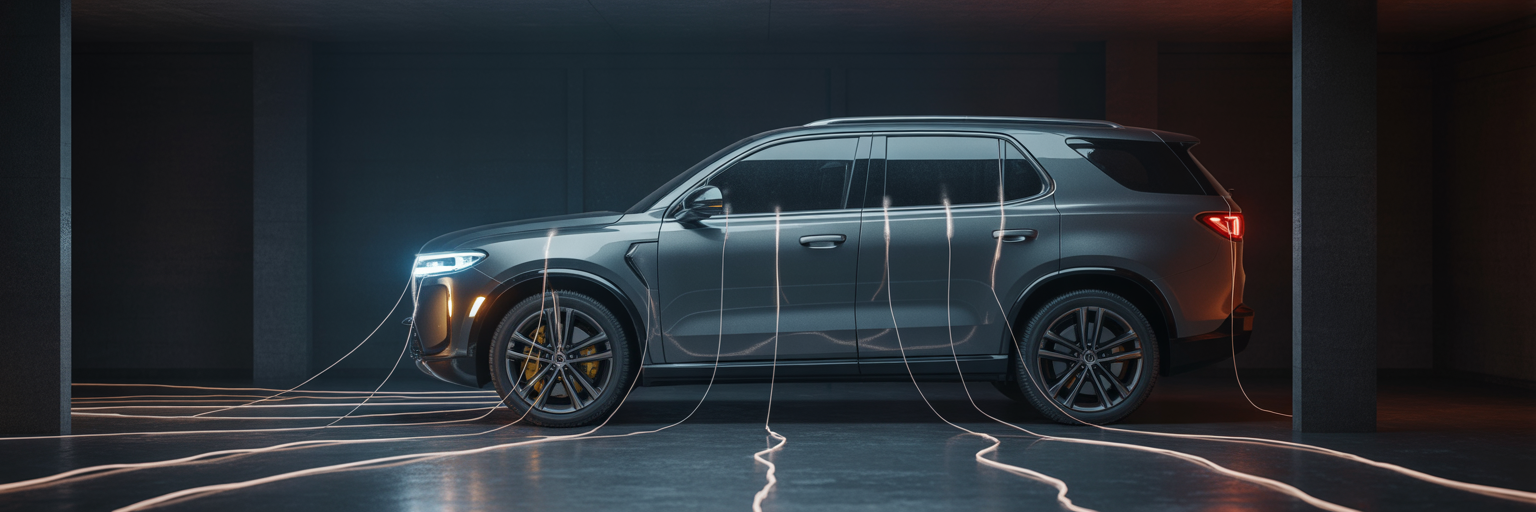
If your battery is relatively new and you’re certain you haven’t left anything on, you might be dealing with a more elusive issue. This is where the concept of parasitic drain comes in. It’s one of the most common reasons a battery dies overnight, and understanding it is key to solving the mystery.
What is Parasitic Battery Drain?
Imagine a tiny, slow leak in a water pipe. It’s not a gushing break, but over time, it can empty the entire tank. Parasitic battery drain is the electrical equivalent. It’s a small but constant draw on your battery that occurs after you’ve turned off the ignition and locked the doors. While a very small amount of drain is normal, a faulty component can cause this drain to become excessive, leaving you with a dead battery.
How Modern Cars Use Power When Parked
Even when your car is off, it’s never truly asleep. Modern vehicles have dozens of electronic modules that need a small amount of power to retain their settings. This includes the clock, radio presets, security alarm, and keyless entry system. This normal, low-level draw is calculated by engineers and shouldn’t drain a healthy battery for weeks. The problem arises when one of these systems fails to go into its proper “sleep mode.”
Aftermarket Accessories as a Source of Drain
Have you recently installed a new stereo, a remote starter, or a dash cam? Improperly installed aftermarket accessories are a notorious source of parasitic drain. If they are wired directly to the battery instead of through a switched ignition circuit, they can continue to pull power long after the car is turned off. This is a classic example of what causes parasitic battery drain.
Faulty Components Staying Awake
Sometimes, a factory component is the culprit. A faulty relay, a glove box light switch that’s stuck on, or a computer module that fails to shut down can all create a significant drain. According to experts at the Universal Technical Institute, a faulty electrical module or short circuit is a frequent cause of parasitic battery drain. These issues can be tricky to find because they don’t always present obvious symptoms, other than a consistently dead battery.
When the Charging System Is the Problem
So far, we’ve focused on issues that cause the battery to lose its charge. But what if the problem isn’t that the battery is draining, but that it’s never getting fully charged in the first place? If you’re asking, “why is my car battery draining so fast?” it might be time to investigate the charging system, with the alternator being the prime suspect.
The Role of the Alternator
Think of your car’s alternator as a small power plant. Once the engine is running, the alternator takes over, generating electricity to power everything from your headlights to your radio. Its other critical job is to recharge the battery, replacing the power that was used to start the engine. If the alternator is failing, your car’s electrical systems will start drawing power directly from the battery, which will quickly drain it even while you’re driving.
Symptoms of a Bad Alternator
A failing alternator often gives several warning signs before it quits completely. Paying attention to these bad alternator symptoms can help you diagnose the problem early.
- Dashboard Warning Light: Most cars have a warning light shaped like a battery or labeled “ALT” or “GEN” that illuminates when the charging system has a problem.
- Dimming or Flickering Headlights: If your headlights seem dim at idle but brighten when you rev the engine, it’s a classic sign of a weak alternator.
- Strange Noises: A grinding or whining sound coming from the engine bay could indicate a failing bearing inside the alternator.
- Electrical Issues: Power windows that operate slowly, a flickering dashboard, or a radio that suddenly shuts off are all signs the alternator isn’t providing enough power.
Faulty Diodes in the Alternator
A more subtle alternator issue involves its internal diodes. These components act like one-way gates for electricity. A faulty diode can allow electricity to leak out of the battery and back through the alternator when the car is off, creating a form of parasitic drain. This can be difficult to diagnose without professional equipment but is a known cause of overnight battery death.
Other Charging System Issues
While the alternator is the most common point of failure, other parts of the charging system can also be at fault. A worn or loose serpentine belt, which spins the alternator pulley, can slip and prevent the alternator from generating sufficient power. Corroded or loose wiring between the alternator and the battery can also impede the flow of electricity, leading to an undercharged battery. A properly functioning alternator is crucial, and it’s one of the reasons why some high-mileage cars age better than others.
How Your Driving Habits Affect Battery Life
Sometimes, the reason your car battery dies quickly has less to do with a faulty part and more to do with how you use your vehicle. Your daily routine can have a significant impact on your battery’s state of charge and overall health, especially if your driving consists mainly of short, infrequent trips.
Starting your car’s engine requires a huge burst of energy from the battery. The alternator is then supposed to replenish that energy while you drive. However, this recharging process isn’t instant. If your typical drive is just a five-minute trip to the local store or coffee shop, the alternator doesn’t have enough time to fully recharge the battery. Do this repeatedly, and you create a “charge deficit” where you are consistently taking out more power than you are putting back in. Over time, this will drain the battery to the point where it can no longer start the car.
Similarly, letting a car sit unused for weeks at a time is also detrimental. All batteries naturally self-discharge over time, and the low-level power draw from your car’s computers will slowly but surely drain it. To counteract these effects, consider these simple habits:
- Take a longer drive at least once a week. A continuous drive of 20 minutes or more at highway speeds will give the alternator ample time to top off the battery.
- Use a battery tender for long-term storage. If you know your car will be parked for several weeks, a battery tender (or trickle charger) provides a steady, low-level charge that keeps the battery healthy without overcharging it.
These simple habits are part of a larger strategy for how to keep your car’s engine running for years, ensuring all components, including the battery, remain in good condition.
DIY Troubleshooting for a Draining Battery
Before you head to a mechanic, there are several diagnostic steps you can take at home to narrow down the cause of your draining battery. This process can help you identify simple fixes or, at the very least, provide valuable information to a professional. Always prioritize safety by wearing gloves and eye protection when working near a car battery.
- Perform a Visual Inspection: Start with the basics. Are the headlights, dome light, or glove box light on? Look at the battery itself. Is the case swollen, cracked, or leaking? A bulging case is a clear sign the battery is damaged and needs immediate replacement.
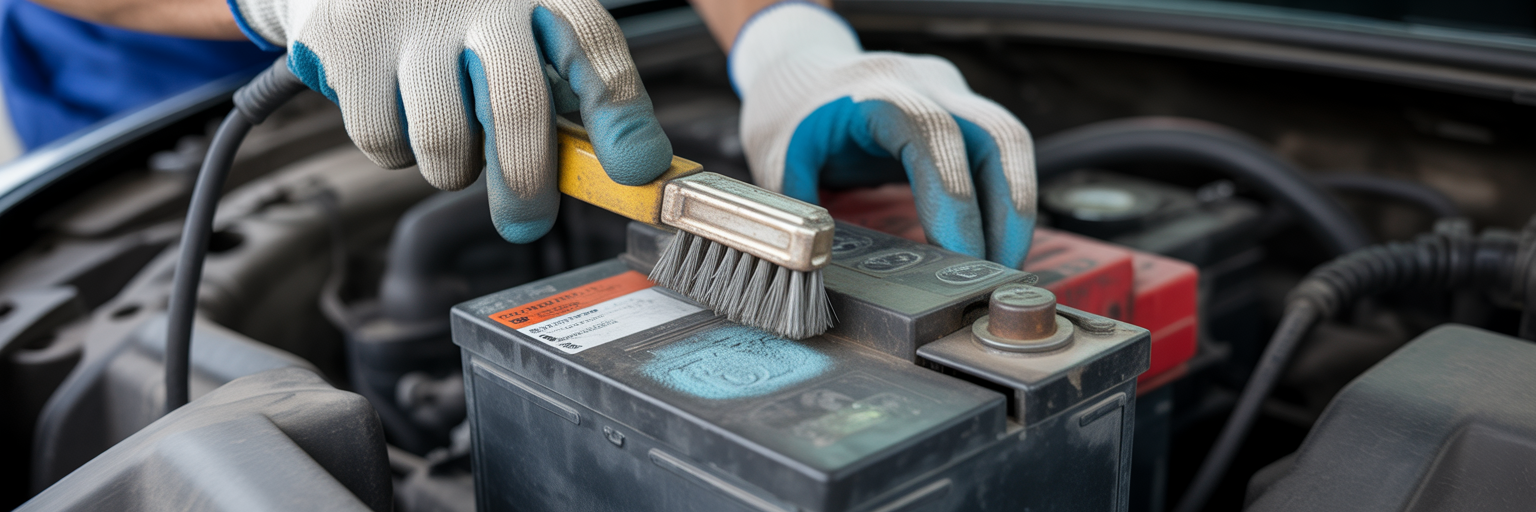
- Inspect and Clean the Battery Terminals: Check for the white, crusty corrosion we mentioned earlier. If the terminals are dirty, disconnect the negative (black) cable first, followed by the positive (red) cable. Use a wire brush and a mixture of baking soda and water to scrub the terminals and clamps until they are shiny. Reconnect the positive cable first, then the negative, ensuring both are tight.
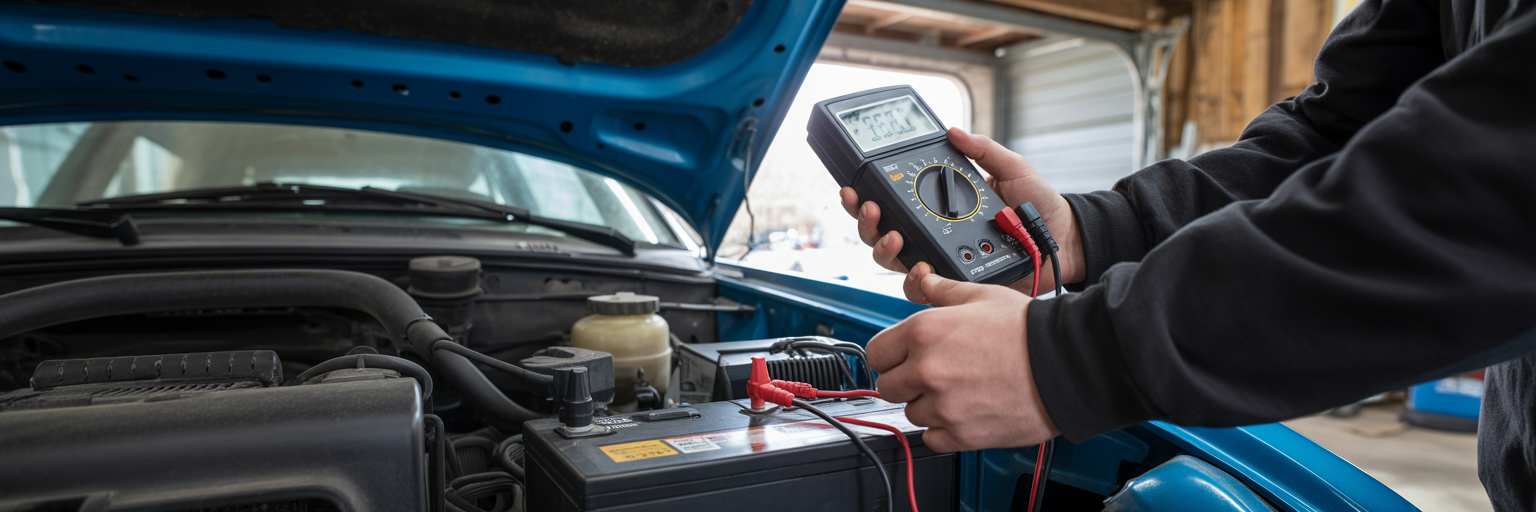
- Learn How to Test a Car Battery with a Multimeter: A simple digital multimeter is an inexpensive tool that can tell you a lot about your battery’s health. Set the multimeter to DC volts. With the car off, touch the red probe to the positive terminal and the black probe to the negative terminal.
- 12.6V or higher: Your battery is fully charged.
- Around 12.2V: Your battery is about 50% charged.
- 12.0V or lower: Your battery is discharged and may be unable to start the car.
If a fully charged battery drops voltage quickly after sitting, it’s likely failing. You can also start the car and test again. The reading should jump to around 14.0V-14.7V. If it doesn’t, your alternator is likely the problem.
- Pay Attention to Sensory Clues: Listen when you try to start the car. Is the engine cranking over slowly and laboriously? That’s a classic sign of a weak battery. Do the dashboard lights flicker or dim during startup? This also points to insufficient power.
- Check for a Basic Parasitic Draw: A simple, though not precise, way to see if you have a parasitic drain is to disconnect the negative battery terminal after the car has been off for at least an hour. Briefly tap the cable back onto the terminal. If you see a small spark, it indicates that electricity is being drawn from the battery. A very faint spark is normal, but a bright, noticeable spark suggests a significant drain that needs professional diagnosis.
Symptom, Cause, and Fix: A Quick Guide
Trying to connect the dots between what your car is doing and what might be wrong can be confusing. This quick-reference chart is designed to help you match common symptoms to their most likely causes and potential solutions. Think of it as a starting point for your diagnosis, not a definitive answer.
| Symptom | Likely Cause | Possible Fix |
|---|---|---|
| Battery is dead every morning | Parasitic drain or a very old battery | Test for parasitic draw; replace faulty component or replace battery |
| Car is slow to start (slow crank) | Weak/old battery or poor connection | Test and replace battery; clean and tighten terminals |
| Headlights are dim, especially at idle | Failing alternator | Test charging system and replace alternator if needed |
| Battery warning light is on | Failing alternator or serpentine belt issue | Inspect belt; test charging system |
| Visible corrosion on battery posts | Poor connection leading to incomplete charging | Clean terminals and clamps with a wire brush |
| Car dies while driving | Severe alternator failure | Have the vehicle towed and the charging system repaired |
Can You Drive With a Car Battery That Keeps Draining?
The short answer is yes, you can, but you absolutely shouldn’t. Once the engine is started, the alternator takes over and powers the vehicle’s electrical systems. This is why a car with a draining battery might run perfectly fine after a jump-start. However, continuing to drive under these conditions is a significant gamble.
The primary risk is obvious: you could be left stranded. The next time you shut off the engine, there’s no guarantee it will start again. This could happen at home, at work, or worse, in an unsafe location at night or in heavy traffic. Relying on jump-starts is not a sustainable solution; it’s a temporary fix for a persistent problem.
Beyond the inconvenience, ignoring a draining battery can cause further damage. A failing alternator that isn’t charging properly puts a constant strain on the battery, shortening its life. Conversely, a bad battery can overwork the alternator, potentially causing it to fail prematurely. Voltage irregularities from a faulty charging system can also damage sensitive and expensive electronic modules throughout your vehicle. Ignoring this problem is never a good idea. For more helpful automotive tips and information, explore our resources.
How Much Does It Cost to Fix a Car Battery That Drains Fast?

The cost to fix a draining battery can vary dramatically, from a simple, free fix to a repair bill that runs into the hundreds of dollars. The final price depends heavily on your vehicle’s make and model, local labor rates, and, of course, the specific component that has failed. It’s helpful to have a general idea of what to expect for common repairs.
Here’s a breakdown of potential costs to address a car battery drain:
- New Battery: This is one of the most common solutions. A standard lead-acid battery typically costs between $150 and $350 installed. If your car requires an Absorbed Glass Mat (AGM) battery, common in vehicles with start-stop technology, expect to pay more.
- Alternator Replacement: This is a more expensive repair. The cost to replace an alternator can range from $400 to over $1,000. The wide range is due to the varying price of the part itself and the amount of labor required to access it.
- Parasitic Drain Diagnosis: Finding a parasitic drain requires a technician’s time and expertise. Most shops charge a diagnostic fee, typically $100 to $200, to trace the source of the drain. The final repair cost will then depend on what needs to be fixed, whether it’s a simple switch or an expensive computer module.
- Minor Fixes: Sometimes, you get lucky. Cleaning corroded battery terminals might cost you nothing but a little time. Replacing a worn serpentine belt is also a relatively low-cost repair, usually falling in the $100 to $250 range.
Understanding these potential repair costs is crucial, especially when you’re in the market for a pre-owned vehicle. It’s a key factor to consider when searching for the best used cars for first-time buyers under $12,000.
Frequently Asked Questions About Battery Drain
When you’re faced with a dead battery, you likely have a lot of questions. Here are concise answers to some of the most common ones.
- Why does my car battery keep dying overnight?
This is the classic symptom of a parasitic drain, where a faulty component continues to draw power after the car is off. It could also be a sign that your battery is very old and can no longer hold a charge. - Can a bad alternator drain a battery?
Yes, in two ways. A failing alternator won’t properly recharge the battery while you drive, causing it to drain. Additionally, a bad diode inside the alternator can create a parasitic drain that kills the battery when the car is parked. - How do I know if my battery or alternator is bad?
A simple rule of thumb: if you can jump-start the car but it dies again shortly after the jumper cables are removed, the alternator is likely bad. If the car runs fine after a jump-start but won’t start again on its own later, the battery is probably the issue. - Can short trips drain a car battery?
Absolutely. Starting the engine uses a lot of power, and short trips don’t give the alternator enough time to fully replenish it. Over time, this creates a charge deficit that can leave your battery too weak to start the car. - What is parasitic battery drain?
It’s an electrical draw on the battery that occurs when the ignition is off. While a small drain is normal for things like the clock and alarm system, a faulty component can cause an excessive drain that kills the battery. - How long should a car battery last?
On average, a car battery lasts between 3 to 5 years. Factors like climate, driving habits, and vehicle type can affect its lifespan. - Can aftermarket accessories kill my battery?
Yes. Improperly installed accessories like stereos, alarms, or dash cams are a very common cause of parasitic drain, as they may not shut off with the rest of the car.
Your Next Steps for a Healthy Battery
A battery that keeps draining is more than an inconvenience; it’s a clear warning sign from your vehicle that something needs attention. By approaching the problem methodically, you can avoid the stress of being stranded and get to the root of the issue efficiently. Don’t let the problem linger.
Here is a simple action plan to follow:
- Start with the simple checks. Before spending any money, perform the visual inspections and basic tests outlined in this guide. Check for lights left on, clean your battery terminals, and assess the battery’s age.
- Get a professional test. Most auto parts stores offer free testing for your battery, alternator, and starter. This is a quick and easy way to determine the health of your core electrical components.
- Consult a trusted mechanic. If the simple fixes don’t work and the tests don’t reveal an obvious problem, it’s time to see a professional. This is especially true if you suspect a parasitic drain, which requires specialized tools to diagnose accurately.
Being proactive is the best way to ensure your car starts reliably every time you turn the key. Stay informed and keep your vehicle in top shape. For more guides and car comparisons, visit CarPhanatics.