
Noticing a puff of smoke from your exhaust or the distinct smell of hot oil can be unsettling. If you find yourself constantly topping off your engine oil between changes, you’re right to be concerned and ask, why is my car burning oil? These observations are often the first clues that your engine is consuming oil, a problem that can range from a minor annoyance to a signal of serious internal wear. Understanding these car burning oil symptoms is the first step toward diagnosing the issue and preventing costly damage down the road.
Recognizing the Warning Signs of Oil Consumption
Before you can figure out the cause, you need to be sure your car is actually burning oil. Your senses are often the best diagnostic tools. The signs can be subtle at first, but they become more obvious as the problem worsens. Paying attention to these clues can help you catch an issue early.
Blue Smoke from the Exhaust
This is the classic, undeniable sign that oil is entering your engine’s combustion chambers. The smoke has a distinct bluish-gray tint, setting it apart from the white steam of condensation on a cold day or the black smoke of a rich fuel mixture. You might notice it most during specific situations. A puff of blue smoke from exhaust on startup often points to one type of problem, while smoke during acceleration suggests another. It’s your car’s way of telling you that oil is being burned along with gasoline.
The Distinct Smell of Burning Oil
You know that acrid, sharp smell of hot oil. If you catch whiffs of it while driving or after you’ve parked, it’s a significant clue. This smell can come from two primary sources. It could be oil burning internally and exiting through the exhaust, which you might smell if you’re standing behind the car while it’s running. More commonly, it’s the smell of oil leaking from a gasket and dripping onto a hot surface like the exhaust manifold. The heat vaporizes the oil, creating that unmistakable odor that wafts into the cabin or around the engine bay.
Frequently Low Oil Levels
The dipstick doesn’t lie. If you check your oil a week or two after an oil change and find it’s already down, you have an oil consumption problem. While some engines use a small amount of oil by design, a noticeable drop is a red flag. A good rule of thumb is that needing to add more than one quart of oil between scheduled changes is excessive. This is a clear indicator of a car losing oil but no leak is visible on the ground, meaning it’s being consumed internally.
Engine Performance Issues and Fouled Spark Plugs
When oil enters the combustion chamber, it doesn’t burn cleanly. It leaves behind carbon deposits that can foul your spark plugs. A fouled plug struggles to create a strong spark, leading to engine misfires. You might feel this as a rough idle, hesitation when you accelerate, or a general lack of power. If a mechanic pulls your spark plugs and finds them coated in a black, oily residue, it’s a sure sign that oil is getting where it shouldn’t be.
Common Mechanical Failures Causing Oil Burn
Once you’ve identified the symptoms, the next question is what causes a car to burn oil? The reasons are almost always mechanical, stemming from worn-out parts deep inside the engine that are no longer doing their job of keeping oil contained. These are the most frequent internal culprits.
Worn Piston Rings
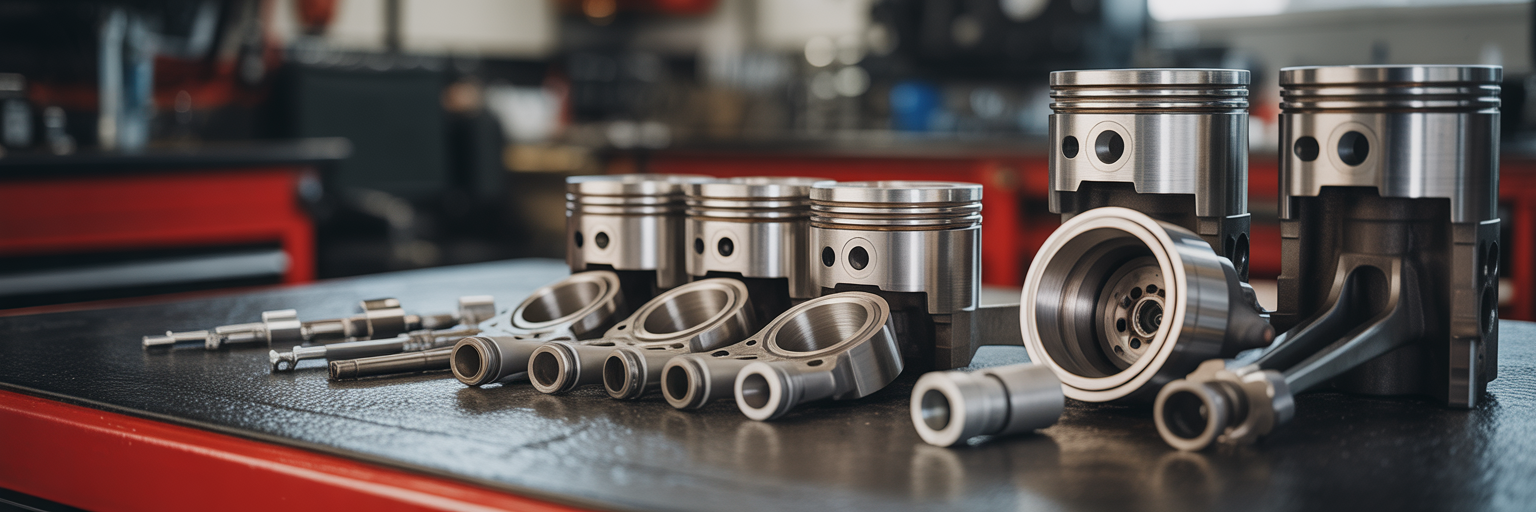
Inside each of your engine’s cylinders, a piston moves up and down thousands of time per minute. Wrapped around that piston are several metal rings. Their job is twofold: to seal the combustion chamber to harness the power of the explosion and to control the thin layer of oil that lubricates the cylinder wall. Think of the oil control ring as a squeegee on a window. A new squeegee leaves a clean, streak-free surface. An old, worn squeegee leaves streaks behind.
Similarly, when piston rings wear out, they lose their tension and can no longer effectively scrape the excess oil off the cylinder walls on the downstroke. This leaves too much oil behind, which is then burned away during the next combustion cycle. This is a very common cause of oil consumption in higher-mileage engines and typically results in consistent blue smoke during acceleration, when the engine is under load.
Failing Valve Seals and Guides
Your engine has a series of valves that open and close to let the air-fuel mixture in and the exhaust gases out. The stems of these valves pass through guides in the cylinder head and are constantly bathed in hot oil for lubrication. At the top of each valve guide sits a tiny, but critical, component: the valve seal. This small, rubber-like gasket acts like a squeegee for the valve stem, preventing oil from the top of the engine from leaking down the stem and into the combustion chamber or exhaust port.
Over time, subjected to thousands of heat cycles, these seals become hard, brittle, and shrink. They lose their ability to seal effectively. When the engine is shut off, hot oil can seep past the failed seals and pool on top of the valves. When you start the car next, this pooled oil is immediately sucked into the cylinder, creating that telltale puff of blue smoke on startup that quickly disappears. This is one of the most common symptoms of failing valve seals.
A Malfunctioning PCV System
The Positive Crankcase Ventilation (PCV) system is one of the most overlooked but vital parts of your engine’s emission controls. As your engine runs, a small amount of high-pressure combustion gas inevitably blows past the piston rings and into the crankcase (the bottom part of the engine where the oil resides). This is called “blow-by.” The PCV system’s job is to safely vent this pressure, along with oil vapors, back into the intake manifold to be burned in the engine.
The system relies on a small, spring-loaded valve. If this PCV valve gets clogged with sludge or fails, the pressure can no longer escape. This built-up pressure has to go somewhere, and it will find the path of least resistance. It can push oil past perfectly good seals and gaskets, including the valve seals and even the main seals of the crankshaft. A failed PCV system can turn a non-leaking engine into one that seems to be leaking from everywhere, while also forcing oil vapor into the intake at a much higher rate, causing oil consumption.
When Leaks and Gaskets Are the Culprit
Sometimes, the problem isn’t a deep internal failure but an issue with the components that seal the engine’s various parts together. Oil is under pressure and is always looking for an escape route. A failed gasket or seal provides that path, leading to symptoms that can easily be mistaken for internal oil burning.
External Leaks That Mimic Oil Burning
We’ve all seen the telltale oil spots on a driveway, but not all external leaks are so obvious. A very common leak is from the valve cover gasket, which seals the top of the engine. If this gasket fails, oil can seep out and drip directly onto the hot exhaust manifold below. The moment the oil hits the searing hot metal, it vaporizes, creating a plume of smoke and a strong burning oil smell. You might see this smoke wafting from under the hood when you’re stopped at a light. Because you see smoke and smell burning oil, it’s easy to assume the engine is burning it internally, but the fix is often just a new gasket, a much simpler repair.
Blown Head Gasket Issues
The head gasket is arguably the most critical seal in the entire engine. It’s a multi-layered gasket that sits between the engine block (the bottom end) and the cylinder head (the top end). It has the monumental task of sealing three things: the high-pressure combustion chambers, the high-pressure coolant passages, and the lower-pressure oil return passages. A failure, or “blown” head gasket, can create a breach between these passages.
If the gasket fails between an oil passage and a combustion chamber, oil will be drawn directly into the cylinder and burned, producing heavy blue smoke. If it fails between an oil passage and a coolant passage, oil and coolant will mix. You might find a milky, frothy substance that looks like a coffee milkshake on your dipstick or under the oil cap. This is a severe failure that requires immediate attention to prevent catastrophic engine damage.
Failing Turbocharger Seals (For Turbo Engines)
If your car has a turbocharger, you have another potential source of oil consumption. A turbo spins at incredibly high speeds, often over 150,000 RPM, and its central shaft is supported by bearings that are lubricated by pressurized engine oil. Tiny seals on either end of this shaft keep the oil contained within the turbo’s center housing. Over time, these seals can wear out or fail due to heat and pressure.
If the seal on the “cold” side (compressor) fails, oil is forced into the engine’s intake tract, where it gets burned along with the fuel. If the seal on the “hot” side (turbine) fails, oil is pushed directly into the exhaust system. Both scenarios can lead to significant oil loss and dense clouds of blue or white smoke from the exhaust, especially under boost.
Why Is My Car Burning Oil? Maintenance and Wear Factors

Beyond sudden mechanical failures, several factors related to your car’s age, how it’s been maintained, and even simple mistakes can lead to oil consumption. These are often gradual problems, but they can significantly contribute to the issue over time.
High Mileage and Normal Engine Wear
No engine lasts forever. As the miles rack up, typically past the 100,000-mile mark, a certain amount of wear is inevitable. The constant friction and heat cause piston rings to lose some of their tension and cylinder walls to develop microscopic imperfections. Valve seals naturally harden with age. This gradual degradation means the engine’s ability to control oil diminishes slightly. A small amount of oil consumption in a high-mileage engine is often considered normal wear and tear. This is a key reason why some high-mileage cars age better than others; it often comes down to design, materials, and maintenance history.
Using the Wrong Type of Engine Oil
Engine oil isn’t one-size-fits-all. Your car’s manufacturer specifies a particular viscosity, or thickness, for a reason (e.g., 5W-20 or 0W-30). This specification is based on the tight tolerances and design of your specific engine. Using an oil that is too thin (a lower viscosity number) can cause problems. The thinner oil can more easily slip past worn piston rings or aging valve seals, leading to an increase in oil consumption. It’s like trying to stop water with a net designed for catching rocks. Always use the oil viscosity recommended in your owner’s manual.
The Consequences of Skipped Oil Changes
Clean engine oil contains detergents and additives that keep your engine clean and properly lubricated. Over time, this oil breaks down, gets contaminated with byproducts of combustion, and loses its effectiveness. If you neglect oil changes, the old, dirty oil can turn into a thick, tar-like substance called sludge. This sludge clogs narrow oil passages and can cause piston rings to get stuck in their grooves. When rings are stuck, they can’t move freely to seal the cylinder properly, leading to a dramatic increase in oil consumption and accelerated engine wear.
The Problem with Overfilling Engine Oil
When it comes to engine oil, more is not better. There’s a reason the dipstick has “Full” and “Add” marks. If you overfill the crankcase, the oil level can get so high that the spinning crankshaft whips the oil into a froth, much like a blender making a smoothie. This aerated oil is a terrible lubricant and can’t properly protect engine components. Furthermore, the excess volume increases pressure inside the crankcase, which can force oil past seals and gaskets, leading to leaks and increased consumption. It’s a simple mistake that can cause significant problems.
| Symptom | Likely Cause | Potential Fix |
|---|---|---|
| Blue smoke from exhaust, especially on acceleration | Worn Piston Rings | Engine rebuild to replace rings (Expensive) |
| Puff of blue smoke at startup | Failing Valve Seals | Replacement of valve stem seals (Moderately Expensive) |
| Burning oil smell, smoke from engine bay (not exhaust) | External Oil Leak (e.g., Valve Cover Gasket) | Replacement of the leaking gasket (Inexpensive to Moderate) |
| Excessive oil consumption and pressure issues | Clogged or Failed PCV Valve | Replacement of PCV valve and hoses (Inexpensive) |
| Rapid oil loss and heavy blue smoke (Turbo engines) | Failed Turbocharger Seals | Turbocharger rebuild or replacement (Expensive) |
| Milky, frothy oil on dipstick or oil cap | Blown Head Gasket | Replacement of head gasket (Very Expensive) |
Is Some Oil Consumption Normal?
After reading about all the potential failures, it’s easy to assume any oil use is a sign of impending doom. However, that’s not always the case. The truth is, some oil consumption can be perfectly normal. Many modern engines, particularly those that are turbocharged or designed for high performance, are built with what engineers call “low-tension” piston rings. These rings create less friction, which helps improve fuel efficiency, but the trade-off is that they allow a tiny amount of oil to be consumed in the process.
Automakers have different standards for what they consider acceptable. Some manufacturers state that consuming up to one quart of oil every 1,000 to 2,000 miles is within normal operating specifications. It’s crucial to check your vehicle’s owner’s manual, as it is the definitive source for your specific car. The key is to establish a baseline. If your car has consistently used half a quart between oil changes for years, that’s its normal. The real red flag is a sudden change or a dramatic increase in consumption. That’s when “normal” becomes a problem that needs investigation.
Can You Drive a Car That Is Burning Oil?
This is a critical question, and the answer is: it depends entirely on how much oil it’s burning. The act of burning oil itself is not immediately catastrophic, but the consequence of running the engine with a low oil level is. Oil is the lifeblood of your engine; it lubricates moving parts, helps cool them, and keeps them clean. Without enough oil, metal grinds against metal, temperatures skyrocket, and the engine can seize completely, resulting in catastrophic failure.
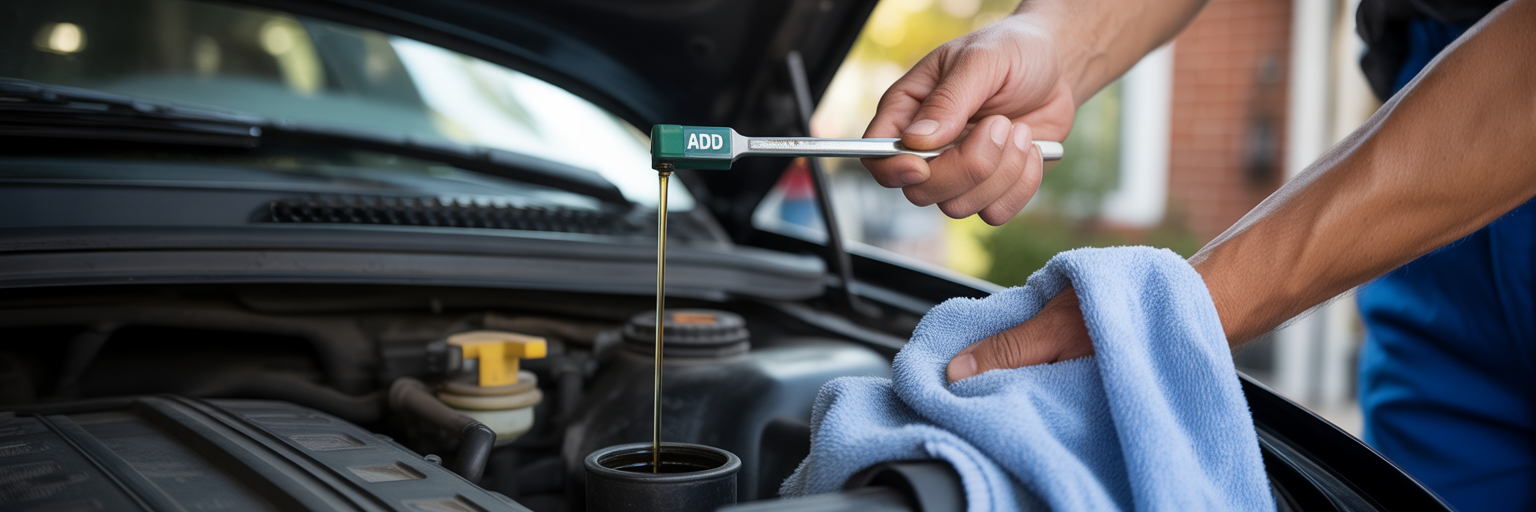
If your car is consuming a quart every 3,000 miles, you can likely manage it by checking the oil regularly and topping it off as needed until you can get it fixed. However, if it’s burning a quart every 300 miles, you have a serious problem that makes the car unreliable and potentially unsafe to drive long distances. As a temporary measure, you must adopt a strict “check and top-off” routine. Check your oil level weekly, or even at every fuel-up. This is a survival tactic, not a solution. If you ever see the red oil pressure warning light illuminate on your dashboard, pull over and shut off the engine immediately. Driving any further risks destroying the engine.
Estimating the Cost to Fix a Car That Burns Oil
The cost to fix burning oil in car can vary dramatically, ranging from a simple, inexpensive repair to a bill that exceeds the value of the car. The final price depends heavily on the specific cause, your vehicle’s make and model, local labor rates, and the extent of any related damage. It’s essential to get an accurate diagnosis from a trusted mechanic before committing to any repair.
Here’s a general breakdown of potential costs, from simplest to most severe:
- Simple Fixes: A failed PCV valve is often the cheapest repair, typically costing between $75 and $250. An external leak from a valve cover gasket might run from $200 to $600, depending on engine complexity.
- Major Repairs: Replacing valve seals is a more labor-intensive job that can cost between $900 and $2,500. A blown head gasket is a very serious repair, often costing $1,500 to $4,000 or more. For turbocharged cars, a turbocharger replacement can easily be $2,000 to $4,500.
- Catastrophic Failures: If the problem is worn piston rings, the only true fix is an engine rebuild, which can cost anywhere from $2,000 to $5,000+. At this point, many people consider replacing the entire engine or the vehicle itself.
Given these high potential costs, proactive buyers often try to mitigate risk by choosing vehicles known for their durability. For those hoping to avoid these potential headaches, selecting from a list of the best used luxury SUVs that won’t destroy you on repairs can be a smart preventative strategy.
Frequently Asked Questions About Engine Oil Consumption
Why is my car burning oil but not leaking?
If you have a car losing oil but no leak is visible on the ground, it means the oil is being consumed internally. This is typically caused by worn piston rings, failing valve seals, or a malfunctioning PCV system allowing oil to enter the combustion chamber and be burned with the fuel.
Is it normal for an older car to burn oil?
Yes, to a certain extent. As a car accumulates high mileage (over 100,000 miles), gradual wear and tear on engine components like piston rings and valve seals is normal. This can lead to minor oil consumption. The key is to monitor the amount and watch for any sudden increases.
What does blue smoke from the exhaust mean?
Blue smoke from the exhaust is the definitive sign that your engine is burning oil. The oil is getting into the combustion chambers, where it is burned along with the air-fuel mixture, creating the characteristic blue-tinted smoke.
Can the wrong oil make my car burn oil?
Absolutely. Using an oil that is thinner (has a lower viscosity) than what the manufacturer recommends can cause it to slip past seals and rings more easily, leading to increased oil consumption, especially in an older engine.
How often should I check my oil if my car burns oil?
If you know your car has an oil consumption issue, you should be vigilant. A good practice is to check the oil level at least once a week or every time you fill up with gas. This allows you to top it off before the level becomes dangerously low.
Can burning oil damage my engine?
While the act of burning oil itself causes issues like fouled spark plugs, the real danger is the resulting low oil level. Driving with insufficient oil will cause severe friction, overheating, and can lead to catastrophic engine failure.
Is fixing a car that burns oil expensive?
It can be. The cost ranges from under a hundred dollars for a simple fix like a PCV valve to several thousand dollars for an engine rebuild to replace piston rings. An accurate diagnosis is crucial to determine the cost.
Your Next Steps for a Healthy Engine
Discovering your car is burning oil can be stressful, but ignoring it is the worst thing you can do. Those symptoms are your engine’s way of asking for help. The single most important takeaway is that monitoring your oil level is critical. A small problem can be managed, but a low oil level can destroy your engine in minutes.
Don’t waste money guessing or trying fixes that don’t address the root cause. The best course of action is to get a professional diagnosis from a qualified mechanic. They have the tools and experience to pinpoint whether the issue is a simple gasket or something more serious.
Here are your immediate next steps:
- Check your oil level right now. Top it off if it’s low.
- Start a log. Track how many miles you drive and how much oil you have to add. This information is invaluable for a mechanic.
- Schedule an appointment with a trusted mechanic. Explain the symptoms you’ve observed and share your log.
Taking these proactive steps is the best way to prevent a minor oil consumption issue from turning into a major engine failure. Once you have a diagnosis, you can focus on long-term health and learn how to keep your car’s engine running for years, ensuring it serves you reliably for a long time to come.