
Why a Used V6 Is the Smart Enthusiast’s Choice in 2026
The era of the naturally aspirated engine is fading, leaving enthusiasts to seek out the character and sound that defined a generation of performance cars. For those in the know, this has created a golden opportunity in the used market.
The V6 engine has always occupied a unique space, a kind of “Goldilocks” choice for drivers who want it all. It offers a compelling middle ground that smaller four-cylinder engines often miss. While a turbocharged four-banger can deliver a punch, it rarely matches the immediate, linear torque delivery of a good V6. You feel that responsiveness the moment your foot touches the pedal, without the lag or peaky powerband. On the other side of the spectrum are the big V8s. While their rumble is legendary, they often come with extra weight over the front axle and a greater thirst for fuel, making the car feel less nimble and more expensive to run.
Then there is the sound, an emotional component that modern cars struggle to replicate authentically. A great naturally aspirated V6 produces a symphony of mechanical noises that synthesized notes from a speaker simply cannot match. From the low, throaty growl at idle to the high-pitched, metallic wail as the tachometer needle sweeps toward redline, the sound is an integral part of the driving experience. It’s a visceral connection to the machine that reminds you something special is happening under the hood.
These cars represent a sweet spot in automotive history. They are new enough to include essential safety features like ABS and traction control, along with usable amenities for daily life. Yet, they predate the era of intrusive digital interfaces, overly complex infotainment systems, and hyperactive driver-assistance nannies that can dilute the pure connection between the driver, the car, and the road. You get the performance without the digital noise.
Best of all, depreciation has worked its magic. These once-premium sports cars are now accessible, offering an incredible amount of performance for the money. This makes them a financially savvy choice for a weekend toy or even a spirited daily driver, positioning them as some of the best fast affordable sports cars available today. They deliver thrills without demanding a six-figure budget.
American Muscle Icons: Mustang and Camaro
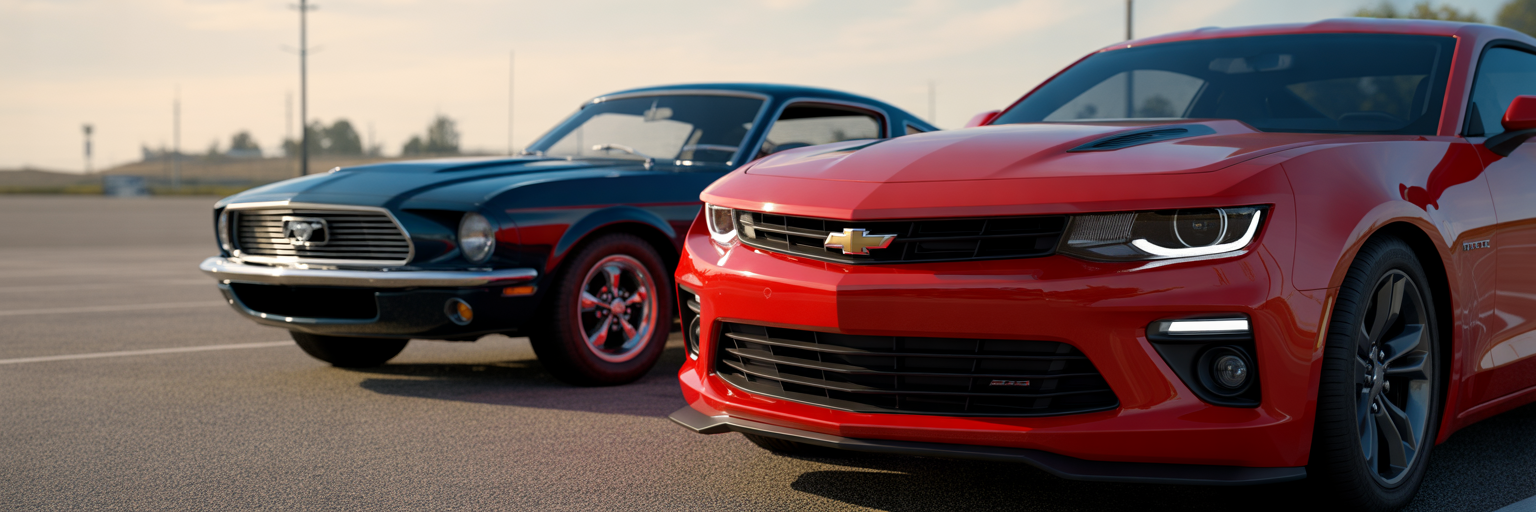
For decades, the Ford Mustang and Chevrolet Camaro have been the standard-bearers of American performance. While often associated with V8 power, their V6 variants from the last fifteen years evolved into genuinely compelling sports cars in their own right. They shed their “rental car” reputation and became serious contenders for enthusiasts on a budget, each offering a distinct flavor of muscle.
Ford Mustang V6 (2011-2017): The Cyclone Revolution
The introduction of the 3.7-liter “Cyclone” V6 in the 2011 Mustang was a watershed moment. It replaced the previous, lackluster 4.0-liter engine and completely changed the car’s identity. With over 300 horsepower and a 7,000 RPM redline, the base Mustang was suddenly a legitimate performance car. This engine is known for its robust reliability, and many have crossed the 100,000-mile mark with just routine maintenance. The Ford Mustang V6 performance is still impressive today, with a 0-60 mph time in the mid-5-second range that feels genuinely quick on public roads.
The Cyclone V6 has a raw, mechanical character that feels perfectly at home in a muscle car. It pulls strongly through the rev range and pairs beautifully with a manual transmission. For enthusiasts, the real magic lies in the immense aftermarket support. From cold air intakes and exhaust systems to suspension upgrades, personalizing a V6 Mustang is both easy and affordable. If you’re shopping for a 2011-2014 model, look for one with the optional Performance Package. It added better brakes, unique suspension tuning, and a strut tower brace, sharpening the car’s handling and making it a much more capable machine.
Chevrolet Camaro V6 (2010-2024): The Chassis Champion
The Chevrolet Camaro took a different approach, focusing on chassis refinement and modern engineering. The 5th-generation model (2010-2015) with its 3.6-liter LFX V6 was a strong performer, but the 6th-generation (2016-2024) is the true standout. Built on the superb Alpha platform shared with the Cadillac ATS, its handling dynamics are a class above, rivaling cars from more expensive European brands. The 335-horsepower LGX V6 in the 6th-gen is a gem, delivering smooth, potent acceleration and a surprisingly refined engine note.
When it comes to Chevy Camaro V6 reliability, the engines are generally solid. However, high-mileage LFX engines in 5th-gen cars can be susceptible to timing chain wear, so a thorough pre-purchase inspection is crucial. The biggest trade-off with the Camaro has always been its aggressive styling, which results in a cramped-feeling interior and notoriously poor visibility. The high beltline and small windows can make it feel like you’re sitting in a bunker, which some drivers find intimidating. But for those who prioritize handling precision above all else, the Camaro V6 is hard to beat.
Mustang vs. Camaro: Which Is for You?
Choosing between these two comes down to your priorities. The Mustang offers a more traditional, raw muscle car experience. It’s easier to see out of, has a slightly more practical interior, and its massive aftermarket makes it a modifier’s dream. It’s the car for the enthusiast who wants to tinker and feel directly connected to a classic American icon. The Camaro, especially the 6th-generation, is the more modern and sophisticated handler. It feels more planted and precise on a winding road, rewarding a skilled driver with its exceptional chassis balance. It’s the choice for someone who values cornering prowess and a refined powertrain over outright practicality. While this guide focuses on the V6 models, understanding how they fit into the broader model range is helpful, and you can explore more comparisons in our versus section.
| Factor | Ford Mustang V6 (2011-2017) | Chevrolet Camaro V6 (2016-2024) |
|---|---|---|
| Engine | 3.7L ‘Cyclone’ V6 | 3.6L ‘LGX’ V6 |
| Peak Horsepower | 305 hp | 335 hp |
| Key Strength | Huge aftermarket support, reliable engine | Superior chassis dynamics, modern powertrain |
| Common Weakness | Solid rear axle (pre-2015) limits handling refinement | Poor driver visibility, less practical interior |
| Ideal Buyer | The enthusiast who loves to modify and wants a classic muscle car feel. | The driver who prioritizes handling precision and a more modern feel. |
This table summarizes the key differences between the later-model Mustang V6 and the 6th-generation Camaro V6. Horsepower figures are approximate and can vary slightly by model year.
The Japanese Precision Instrument: Nissan 370Z
In a world of increasingly digital and insulated sports cars, the Nissan 370Z stands out as a refreshingly analog experience. Tracing its lineage back to the iconic Datsun 240Z, it represents the purist’s choice: a front-engine, rear-wheel-drive coupe with a high-revving, naturally aspirated engine and a focus on driver engagement above all else.
The High-Revving VQ37VHR Heart
At the core of the 370Z is its legendary VQ37VHR engine. This 3.7-liter V6 is all about character. With a thrilling 7,500 RPM redline, it begs to be pushed. Unlike its turbocharged contemporaries, its power delivery is sharp and immediate, thanks to Nissan’s Variable Valve Event and Lift (VVEL) technology. The 332-horsepower output feels potent, especially when you keep the engine singing in its upper rev range. The sound is just as distinctive, a raw and aggressive note that is unmistakably a Nissan VQ. It’s not as polished as some European V6s, but it’s honest and exciting.
A Driver-Focused Cockpit and Chassis
The 370Z’s entire design philosophy revolves around the driver. The steering is hydraulic, giving you a level of feedback and weight that modern electric racks often filter out. The ride is firm, and the short wheelbase contributes to its agile, almost go-kart-like handling. You feel connected to the road in a way that few modern cars can replicate. This is not a comfortable grand tourer; it’s a raw, mechanical sports car that communicates every nuance of the road surface through the steering wheel and the seat. It’s a car that demands your full attention and rewards you for it.
Critical Buyer’s Advice
This raw experience makes the 370Z special, but it also makes a thorough inspection essential. This is a true Nissan 370Z buyer’s guide, so let’s be direct about the well-documented issues. When shopping, you must check for these specific weak points:
- Concentric Slave Cylinder (CSC) Failure: A notorious weak point on manual transmission models. The internal CSC can fail without warning, causing the clutch pedal to stick to the floor. Aftermarket solutions are available and highly recommended.
- Oil Gallery Gasket: On models made before 2012, the paper oil gallery gaskets are prone to failure. This can cause a catastrophic loss of oil pressure. Check the service history for proof of replacement with the updated metal gaskets.
- Steering Lock Failure: An electronic steering lock module on early models (2009-2010) can fail, preventing the car from starting. Many owners simply disconnect it as a preventative measure.
- High Oil Consumption: Some VQ engines tend to consume oil, so it’s critical to check the oil level frequently. This is a known trait, but excessive consumption could signal a larger problem.
Understanding these potential issues is vital, as proper maintenance is what separates a reliable example from a project car. Certain models require more diligence, a principle we explore further in our guide on why some high-mileage cars age better than others. While the 370Z’s engine is fundamentally robust, parts and performance tires can be more expensive than for its American rivals. Its strict two-seater layout and tiny trunk also limit its practicality, cementing its status as a dedicated weekend weapon.
The Sophisticated European Challenger: Jaguar F-Type V6
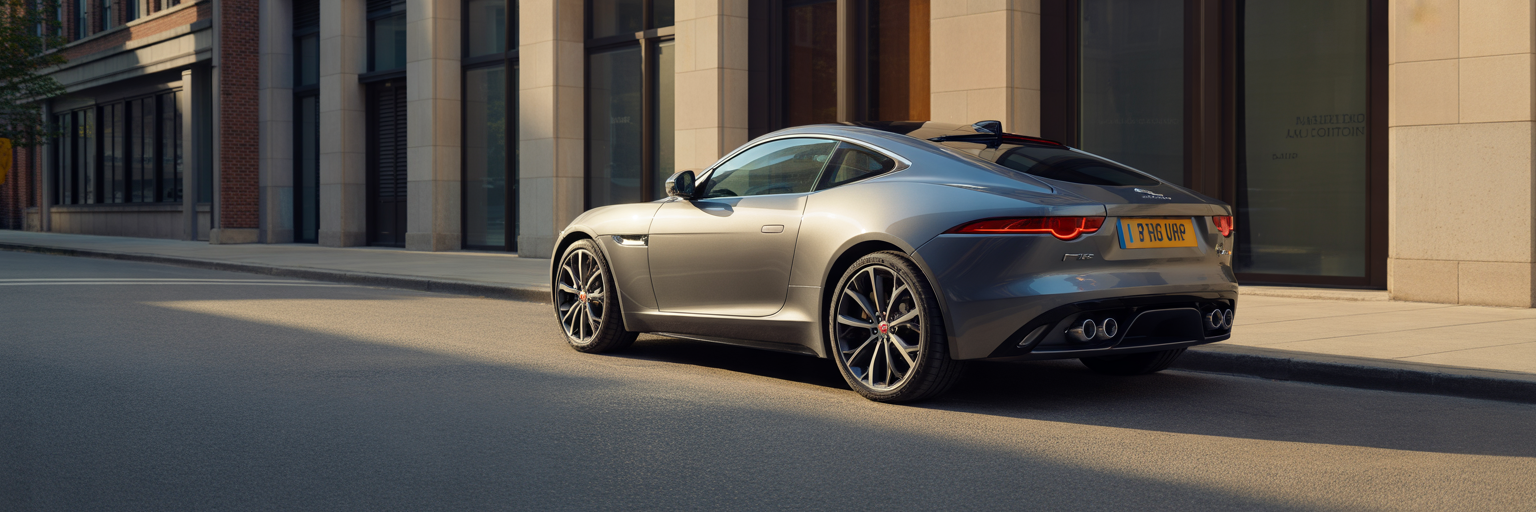
If the Mustang is the classic brawler and the 370Z is the sharp-edged purist, the Jaguar F-Type V6 is the charismatic, sophisticated performer. It occupies a higher price bracket, even on the used market, but its inclusion is justified by its stunning design, brand prestige, and one of the most sensational engine notes of the modern era. This is the car for the enthusiast who prioritizes sensory experience and style.
The Supercharged V6 Experience
At the heart of the F-Type is a 3.0-liter supercharged V6, offered in 340 hp and 380 hp (S model) tunes. The key word here is supercharged. Unlike a turbocharger that needs exhaust gases to build boost, the supercharger is driven directly by the engine, providing instant throttle response with zero lag. The moment you press the accelerator, the power is there. But the F-Type’s true party piece is its sound. With the active exhaust button pressed, the car transforms. It emits a hard-edged, high-pitched scream under acceleration, followed by a theatrical display of loud crackles and pops on the overrun. It’s dramatic, antisocial, and utterly addictive.
Design and Driving Pleasure
Penned by famed designer Ian Callum, the F-Type is widely regarded as a modern classic. Its proportions are perfect, with a long hood, short rear deck, and muscular haunches that pay homage to the legendary E-Type. The driving experience strikes a brilliant balance. It’s more of a muscular grand tourer than a hardcore track weapon. The handling is sharp and responsive, but the ride remains compliant enough for long journeys. This makes it an excellent choice for spirited weekend drives on winding country roads or comfortable cross-country trips. The S model is particularly desirable, adding adaptive suspension, bigger brakes, and a mechanical limited-slip differential.
Justified Costs and Reliability Concerns
Owning a used European luxury car comes with its own set of rules. The F-Type is no exception. While its V6 engine is generally considered reliable, potential issues exist. Plastic cooling system components, like pipes and the water pump, can become brittle with age and heat cycles, leading to leaks. Early models were also known for minor electronic gremlins. For this reason, a complete, documented service history from a reputable specialist is non-negotiable. You must budget for maintenance. While the F-Type is a sports car, the principles of owning a premium vehicle are similar to those for SUVs, and you can learn more from our guide on the best used luxury SUVs that won’t destroy you on repairs. For the best value, look at early models from 2014-2017. The F-Type V6 is a car you buy with your heart, but a little headwork ensures the experience remains a joyous one.
The Sleeper Sedan with a Sports Car Heart
What if you crave engaging performance but need the practicality of four doors and a usable trunk? The answer lies in the “sleeper” sedan, an unassuming car with a surprising amount of performance hiding under the surface. The V6-powered Dodge Charger and Chrysler 300S are prime examples of this philosophy, offering comfort and versatility without sacrificing fun.
The key to their appeal is the 3.6-liter Pentastar V6. This engine has earned a stellar reputation for its excellent reliability and smooth, consistent power delivery. While it’s the base engine for these large sedans, don’t let that fool you. In models like the Chrysler 300S or a Charger with the Rallye package, it’s tuned to produce around 300 horsepower. While it lacks the raw, aggressive sound of the other V6s on this list, its performance is undeniably strong. According to data from Mountain View Chrysler Dodge Jeep Ram, sedans equipped with the 3.6L V6 can accelerate from 0 to 60 MPH in as little as 6 seconds, making them surprisingly quick for their size and weight.
The primary benefit here is versatility. This is the choice for the enthusiast with a family, a long daily commute, or the need to carry more than one passenger. The spacious interior and comfortable ride quality stand in sharp contrast to the cramped, firm-riding sports cars. When shopping, look for models equipped with the 8-speed automatic transmission, which became widely available after 2012. It significantly improved both acceleration and fuel economy over the older 5-speed automatic, making the car feel more responsive and modern.
The advantages of choosing one of these sedans are clear:
- Four-Door Practicality: You can easily carry passengers and cargo without compromise.
- Comfortable Ride Quality: These cars are designed for American highways, making them perfect for long trips and daily commuting.
- Low Ownership Costs: The Pentastar V6 is ubiquitous across the Stellantis lineup, meaning parts are inexpensive and widely available.
- Proven Reliability: Both the engine and the 8-speed transmission are known for their durability, making them a safe bet on the used market.
These cars prove you don’t need an SUV to get a great family hauler, a point we expand on in our list of the best family road trip vehicles that are not boring. For the buyer who needs one car to do it all but refuses to settle for something dull, these V6 sedans are some of the best used V6 sports cars for those who value practicality as much as performance.
Your Essential Pre-Purchase Checklist
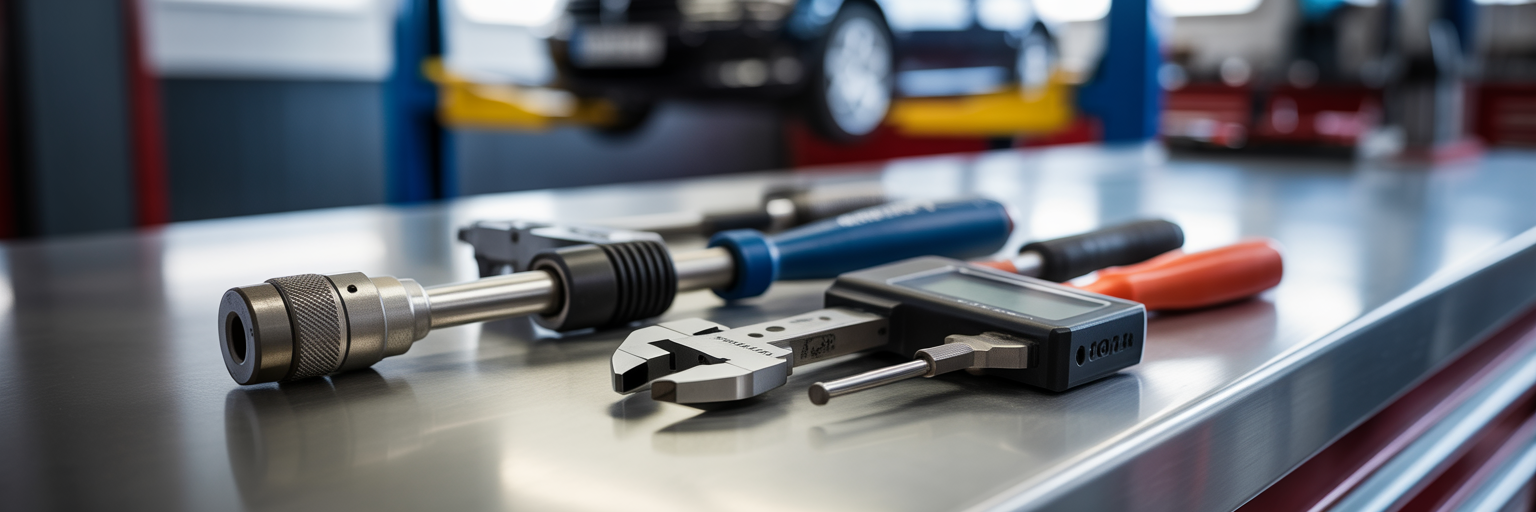
Finding the right car is only half the battle. The other half is ensuring the car you’ve found is a good one. A cheap entry price can quickly become a money pit if you don’t do your homework. This checklist is designed to give you the confidence to separate the gems from the lemons, especially when shopping for performance vehicles.
Rule #1: The Professional Pre-Purchase Inspection (PPI)
This is the single most important step and is absolutely non-negotiable. A PPI from a trusted, independent mechanic who specializes in your chosen model is worth its weight in gold. It’s not just about looking for leaks. A comprehensive PPI should include a full diagnostic scan for any stored error codes, a compression test to assess engine health, a thorough inspection of the frame for any signs of accident repair, and a close look at model-specific weak points. For a 370Z, that means checking the clutch hydraulics. For a Camaro, it means listening for any timing chain noise. A $200 inspection can easily save you from a $5,000 repair.
Decoding the Maintenance History
A stack of receipts is a great sign. But you need to know what to look for. Go beyond just oil changes. Look for records of major services at their recommended intervals. Has the transmission fluid been changed? What about the coolant and brake fluid? On cars approaching 100,000 miles, have critical components like timing belts or chains been addressed? A seller who kept meticulous records is likely a seller who cared for their car. Understanding these records is key, as proper care is fundamental to learning how to keep your car’s engine running for years.
The All-Important Test Drive Checklist
The test drive is your chance to use your own senses to evaluate the car. Don’t just drive it around the block. Be methodical and follow this checklist:
- Start the car cold. This is when issues like piston slap, lifter tick, or smoke from worn valve seals are most apparent. Listen for any unusual rattles or noises as the engine settles into an idle.
- Test all electronics. Cycle through every function: windows, locks, seats, climate control, and the infotainment system. Make sure every button does what it’s supposed to do.
- Drive over some bumps. Listen carefully for any clunks, creaks, or rattles from the suspension. These could indicate worn-out bushings, ball joints, or shocks.
- Perform smooth and hard acceleration. The transmission should shift cleanly and decisively in both automatic and manual modes. There should be no hesitation, jerking, or slipping.
- Brake firmly from a moderate speed. Feel for any vibrations or pulsations in the pedal or steering wheel, which could signal warped rotors. The car should stop straight without pulling to one side.
- Find an empty parking lot. Turn the steering wheel from full lock to full lock while moving slowly. Listen for any grinding or clicking noises from the steering system or CV axles.
Budgeting Beyond the Sticker Price
A smart buyer knows the purchase price is just the beginning. This is especially true when looking at used sports cars under $20k, where deferred maintenance is common. You must budget for the total cost of ownership. This includes immediate needs the car might have, such as a new set of tires or a brake job. Factor in taxes, title, and registration fees. Most importantly, set aside a “rainy day” fund of at least 10-15% of the purchase price for any unexpected repairs that might pop up in the first year of ownership. This financial cushion turns a potential disaster into a manageable inconvenience. While securing financing is a separate topic, some buyers explore various loan options, though it’s crucial to note that No relevant backlinks are available in the provided database for this article about used V6 sports cars. The only backlink source is related to small business loans, which is unrelated to automotive topics, car reviews, or V6 engines. Therefore, no backlink from the given database should be inserted into this article.